Amalfi — History & Analysis
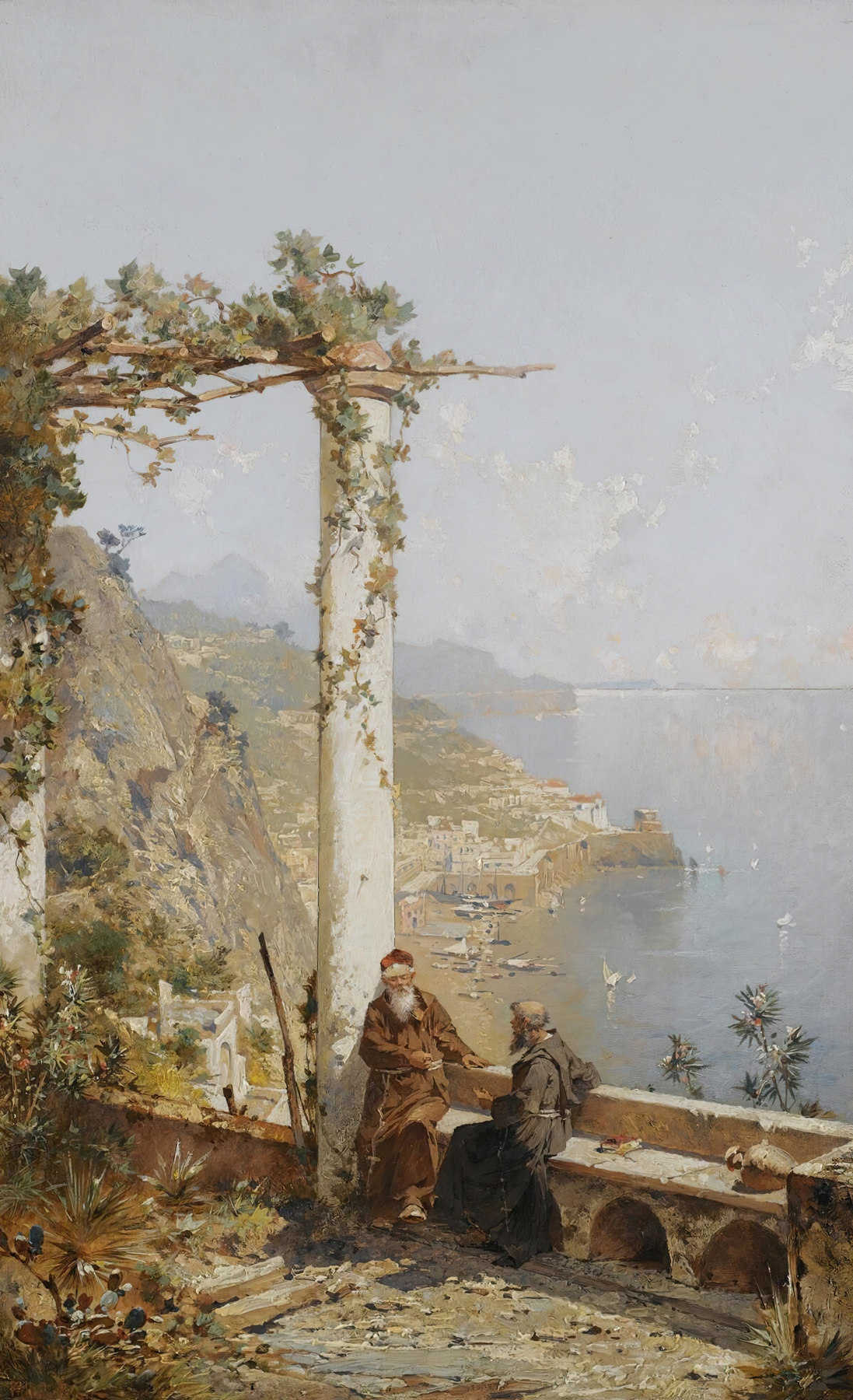
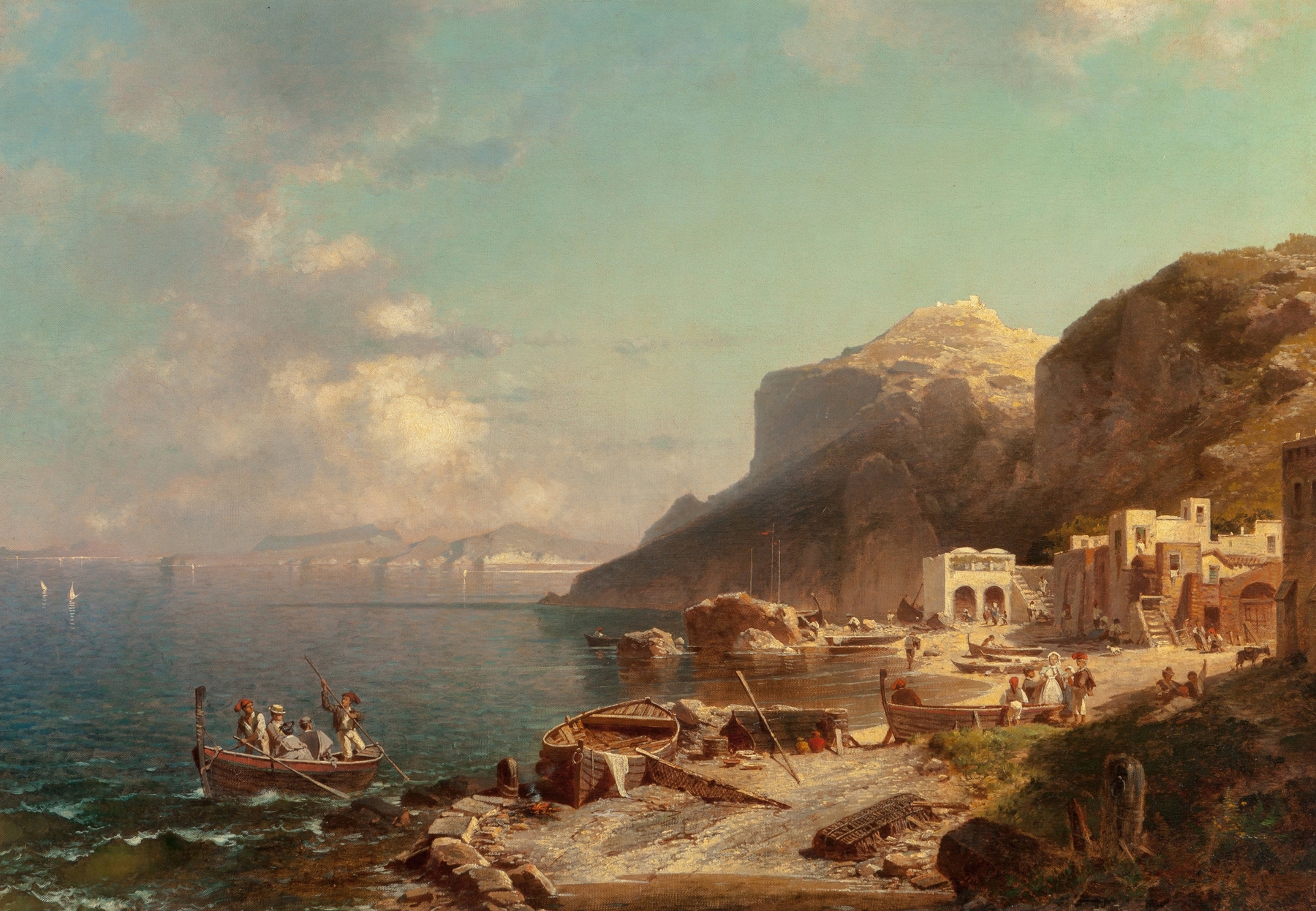
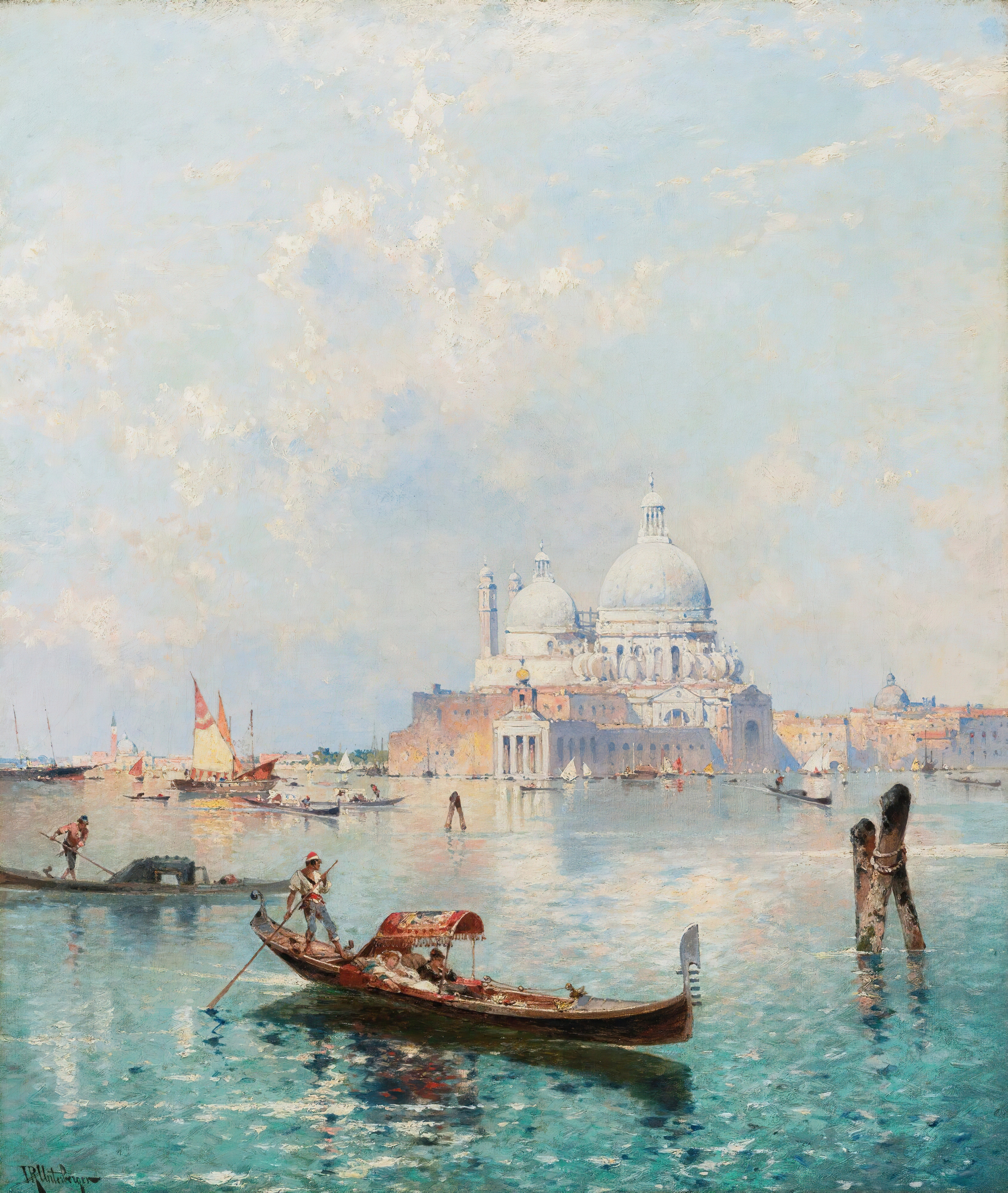
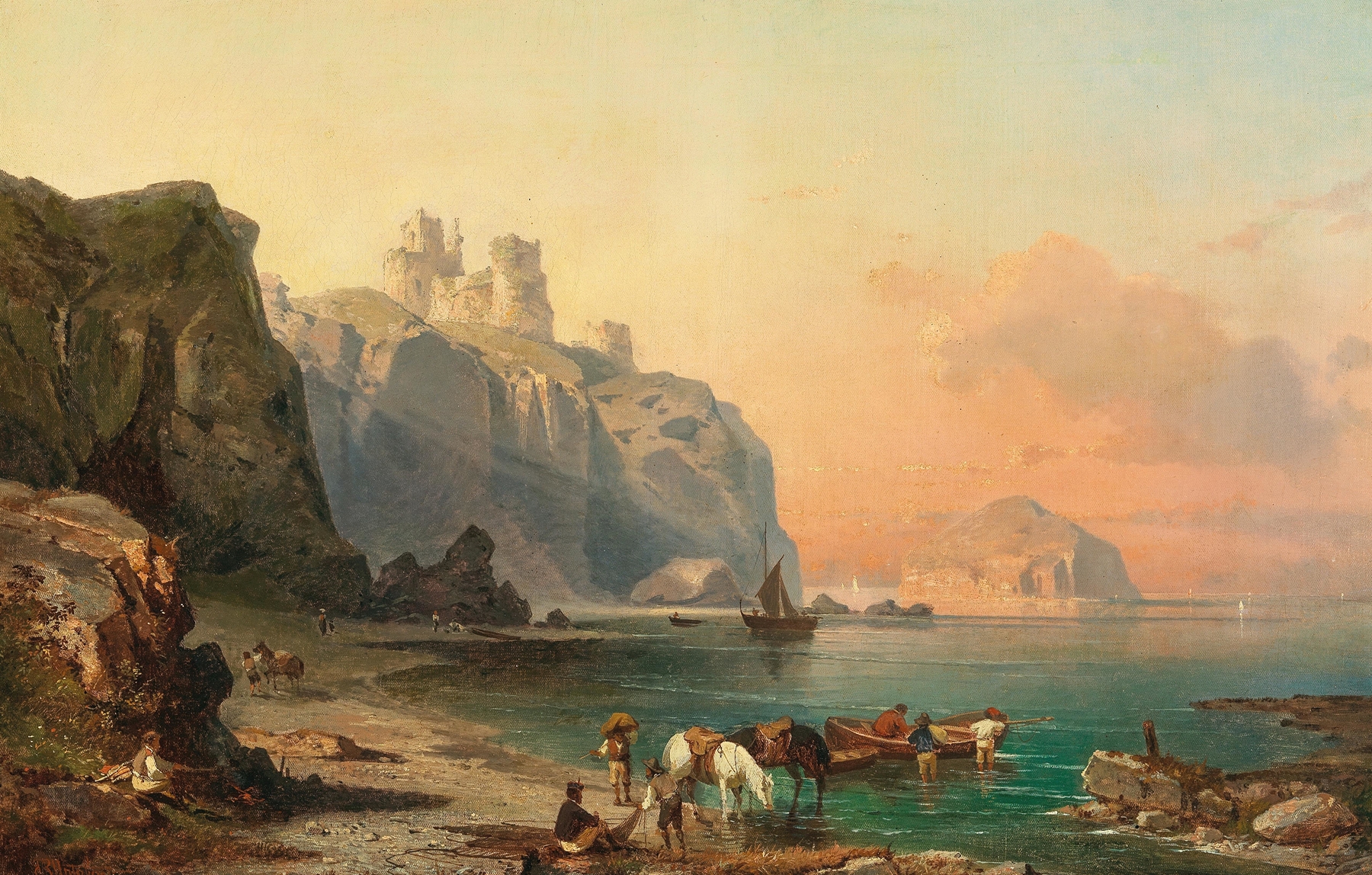
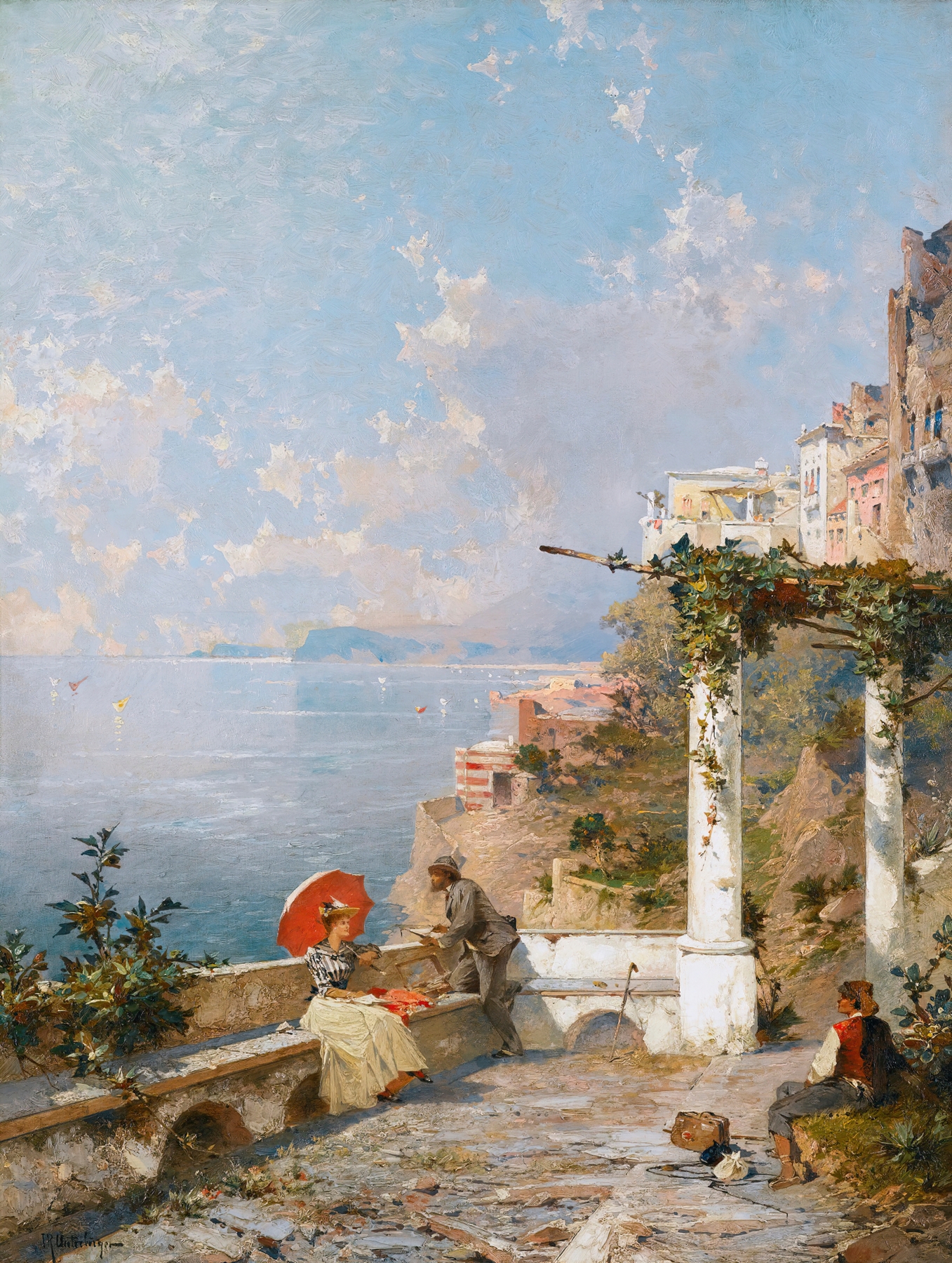
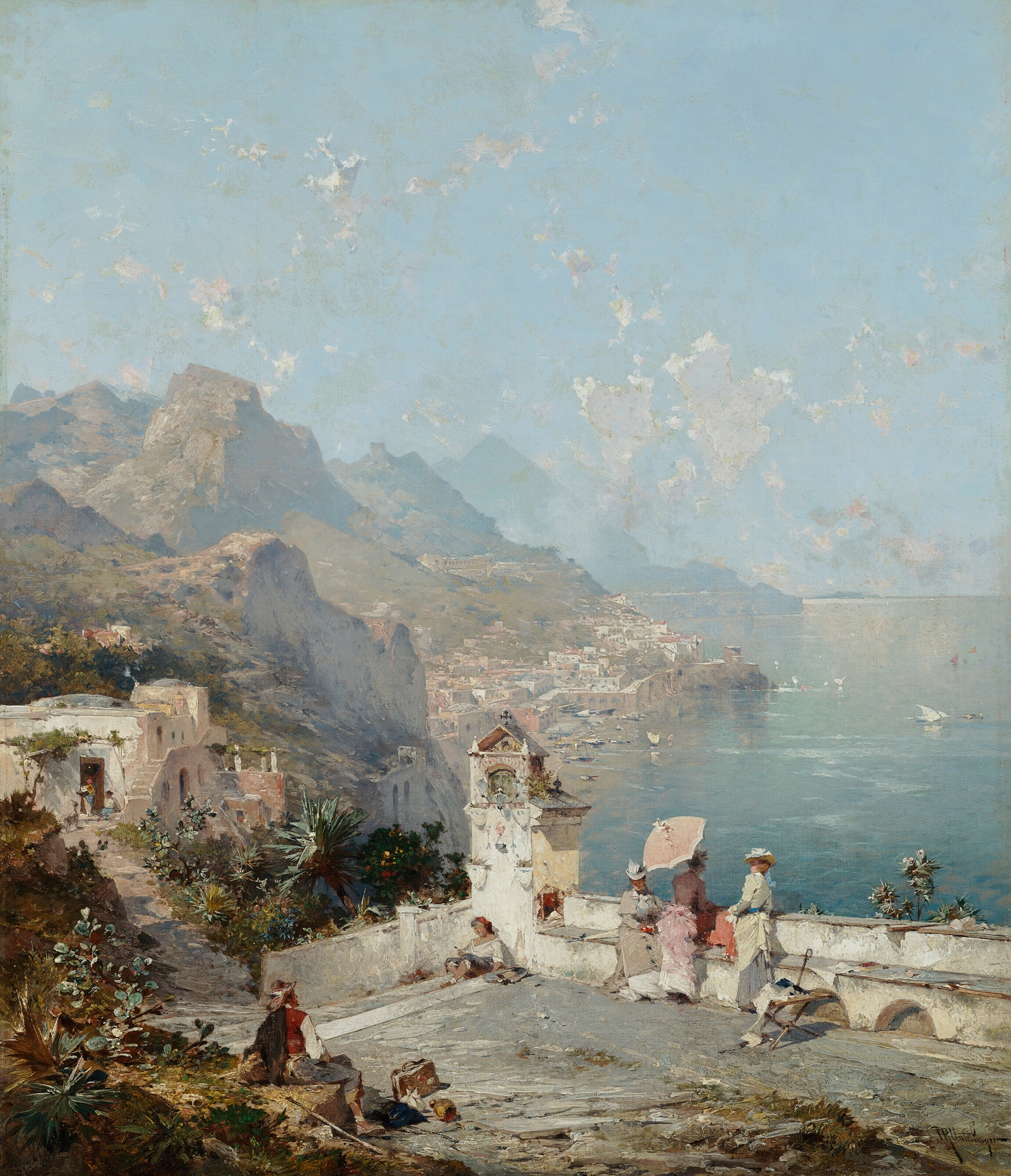
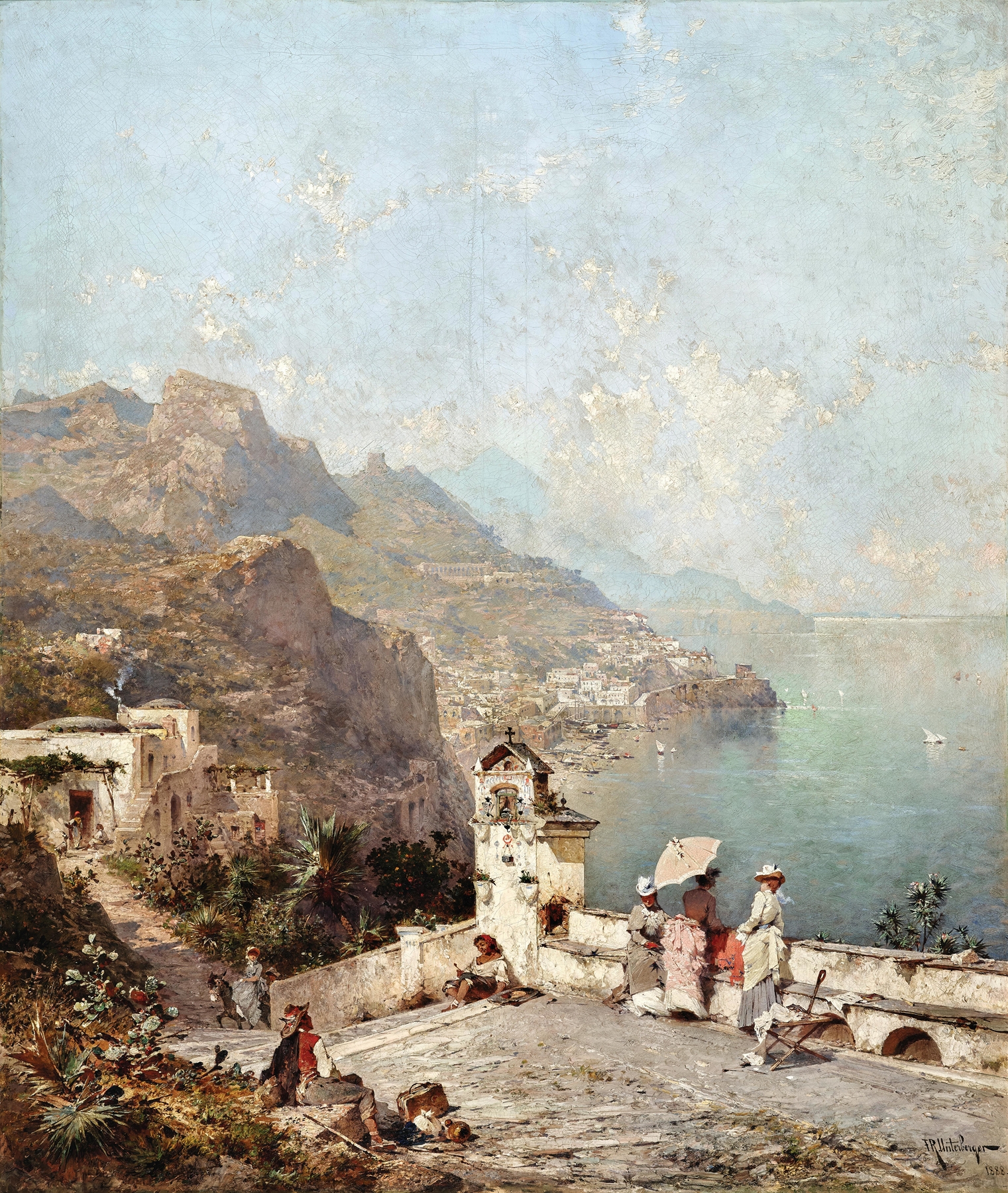
What if beauty was never meant to be finished? In the delicate interplay of light and color, one finds the essence of balance embodied in a moment frozen in time. Look to the left at the vibrant blues and greens that dance across the canvas, capturing the lush landscape of Amalfi with breathtaking precision. Every brushstroke breathes life into the scene, where the sun glimmers on the sea, illuminating the rocky cliffs and charming buildings that cling to the coastline.
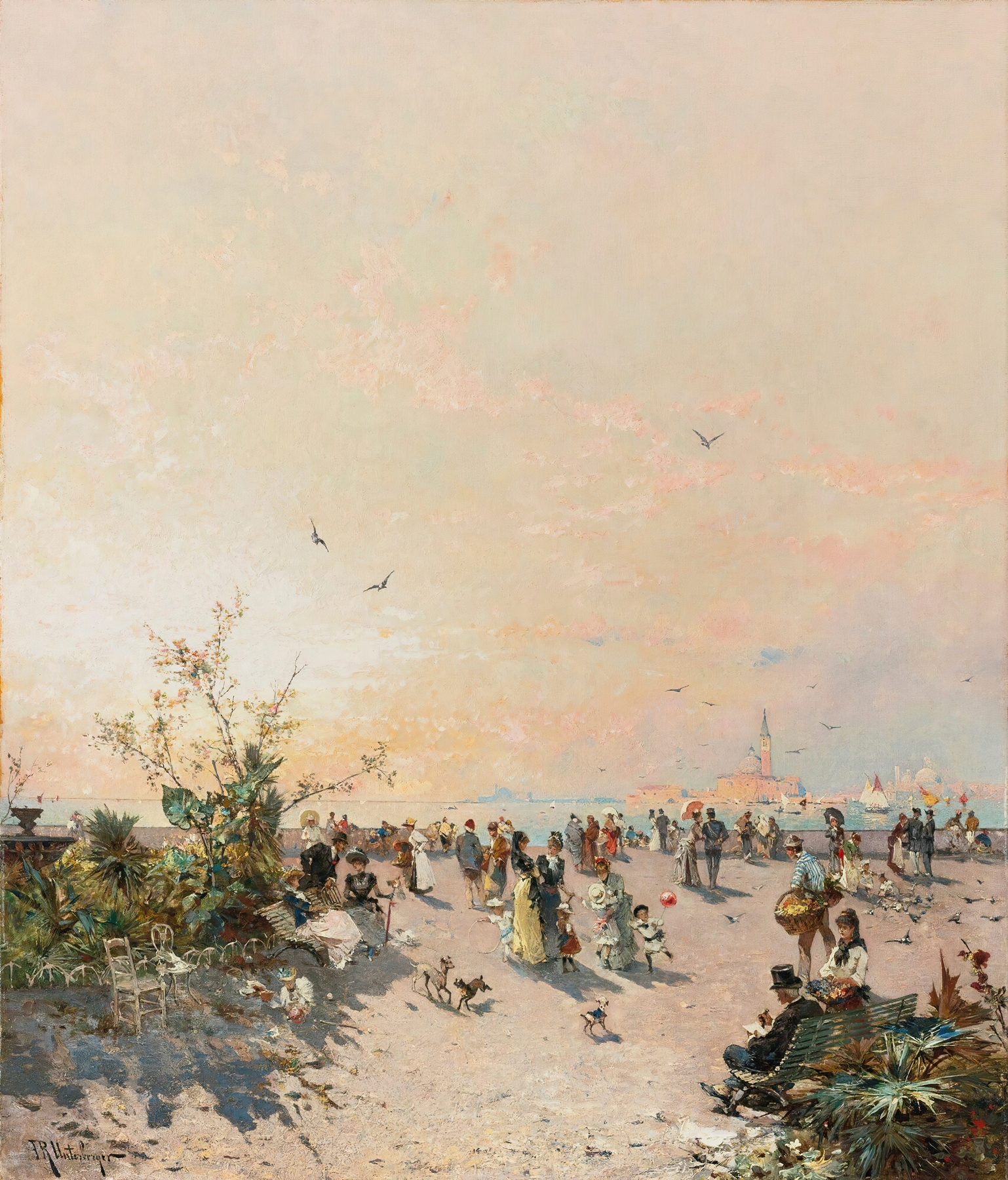
Notice how the artist expertly employs a palette of warm and cool tones, creating a harmonious dialogue between land and sea, evoking an atmosphere that is both tranquil and dynamic. Amidst the idyllic scenery, subtle contrasts emerge: the serenity of the blue waves juxtaposed against the vertical thrust of the cliffs, and the bustling energy of the harbor balanced by the stillness of the distant mountains. Each detail invites contemplation on the transient nature of beauty, suggesting that perfection exists not in completion but in the delicate balance of elements coming together, momentarily unified in a harmonious whole.
In 1888, while residing in the picturesque locality of Italy, the artist immersed himself in the vibrant art scene of his time. As an influential figure in the plein air movement, he sought to capture the essence of light and atmosphere in his works, reflecting a wider cultural shift towards impressionism. It was a period marked by a growing appreciation for the natural world, and this painting stands as a testament to Unterberger's artistic vision, encapsulating the enchanting allure of the Amalfi coast.