View Of Venice From The Public Gardens — History & Analysis
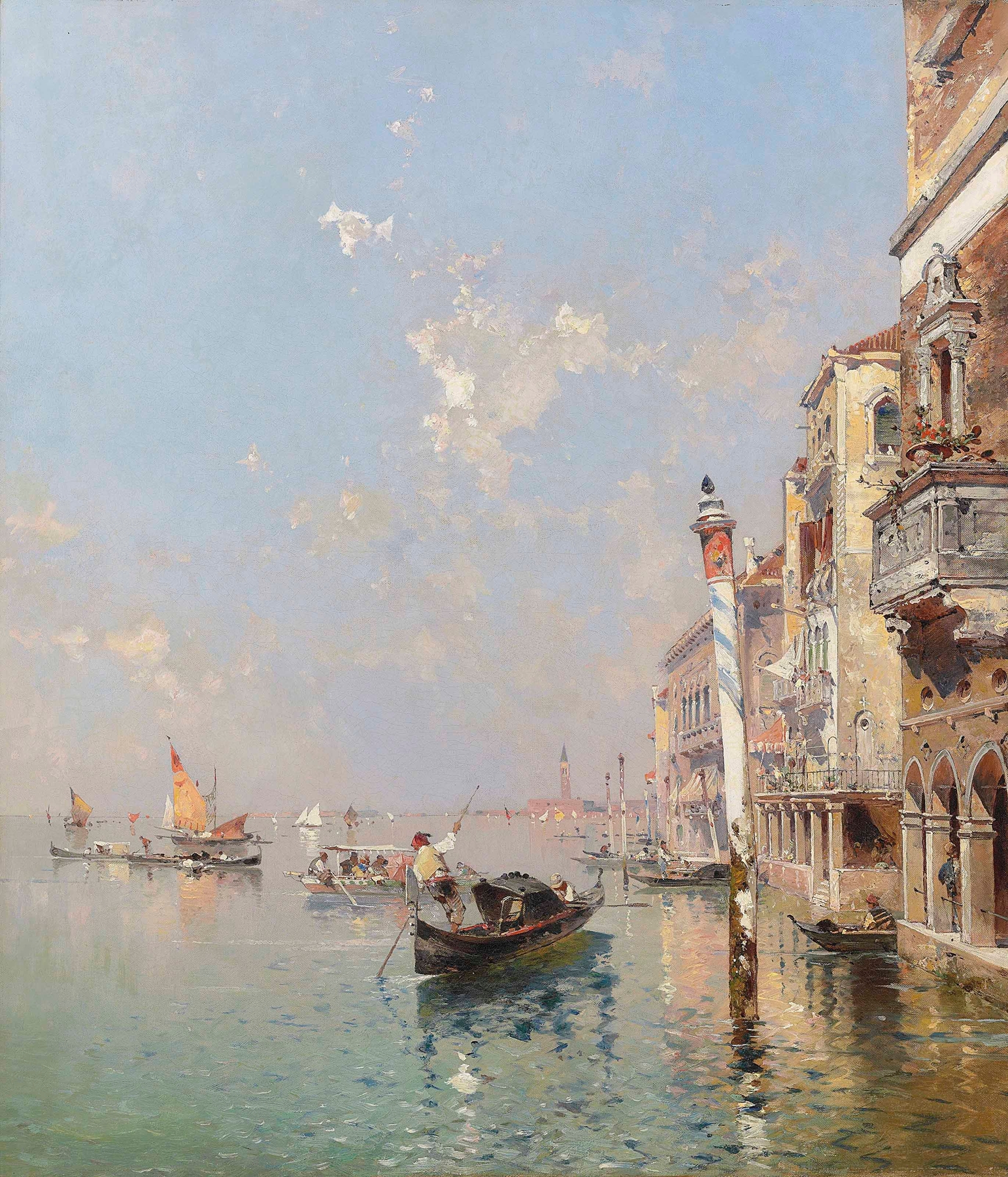
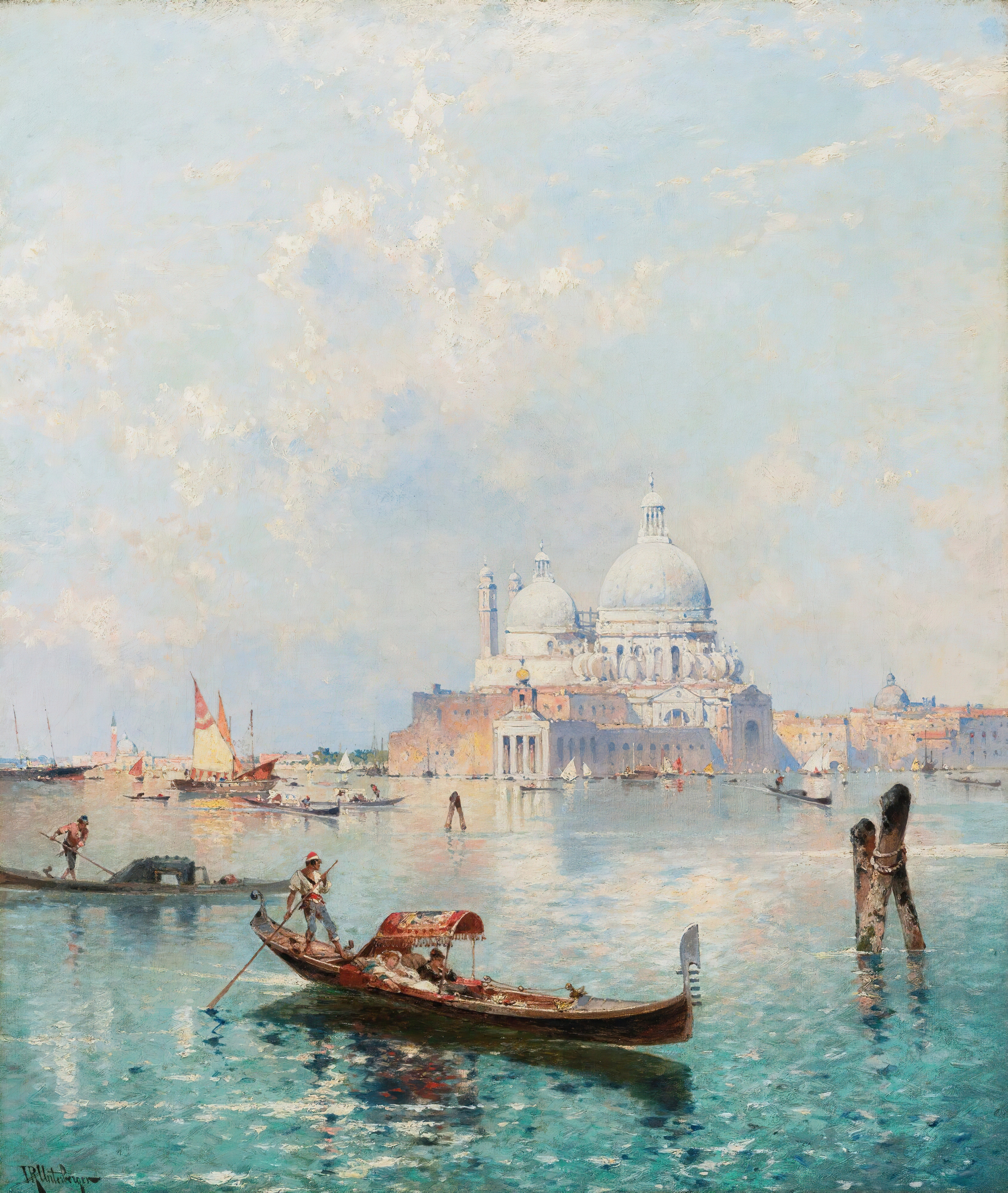
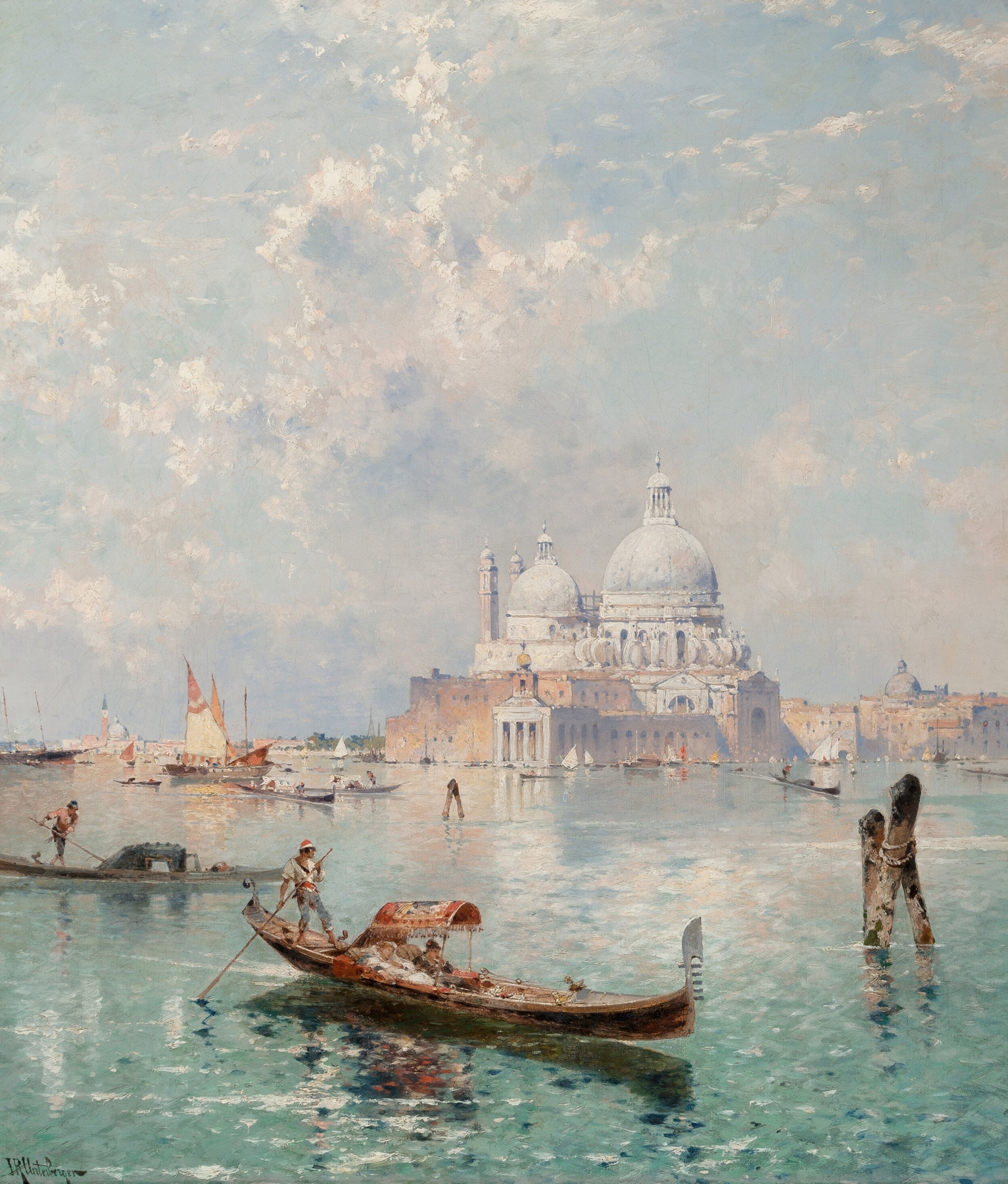
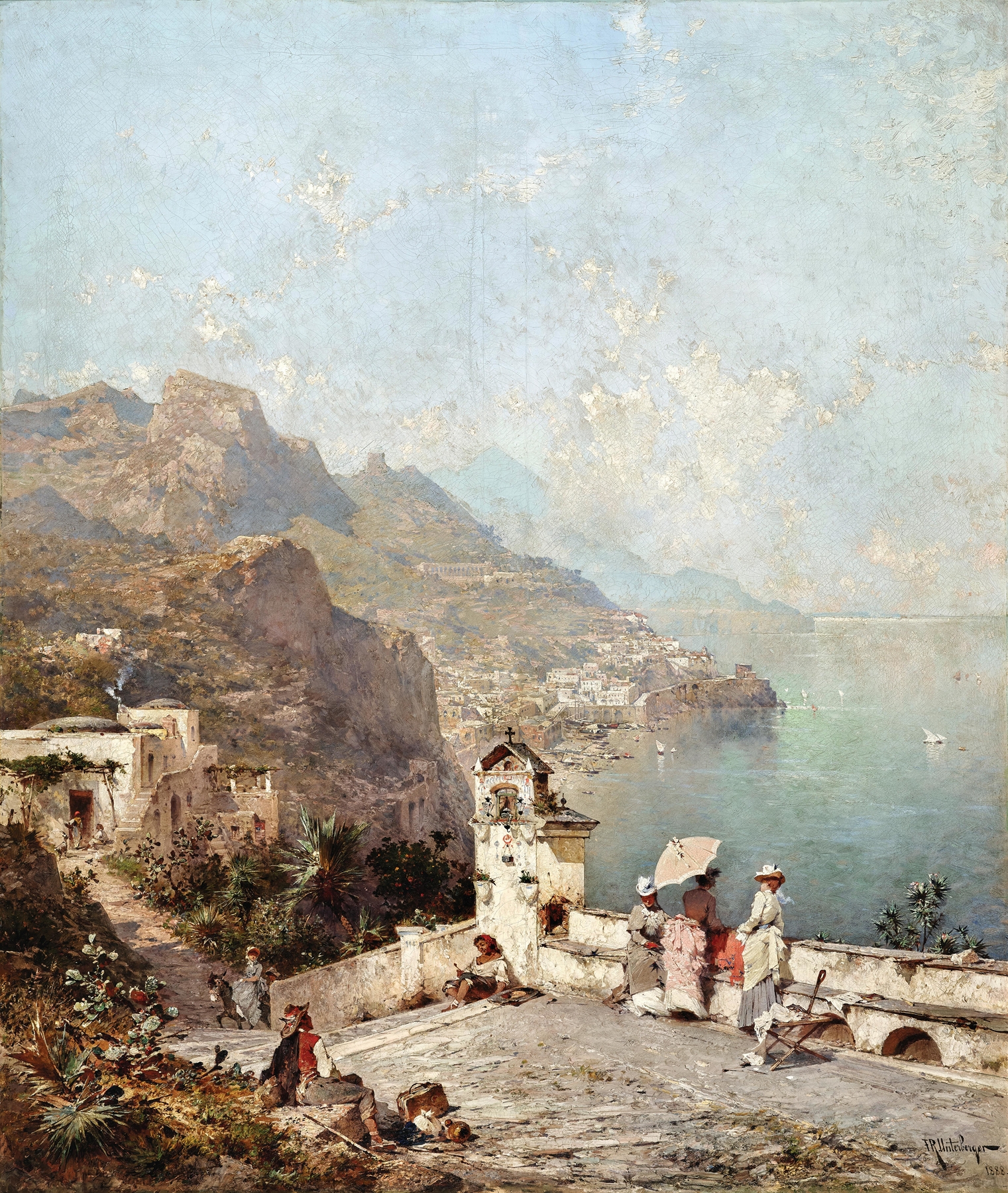
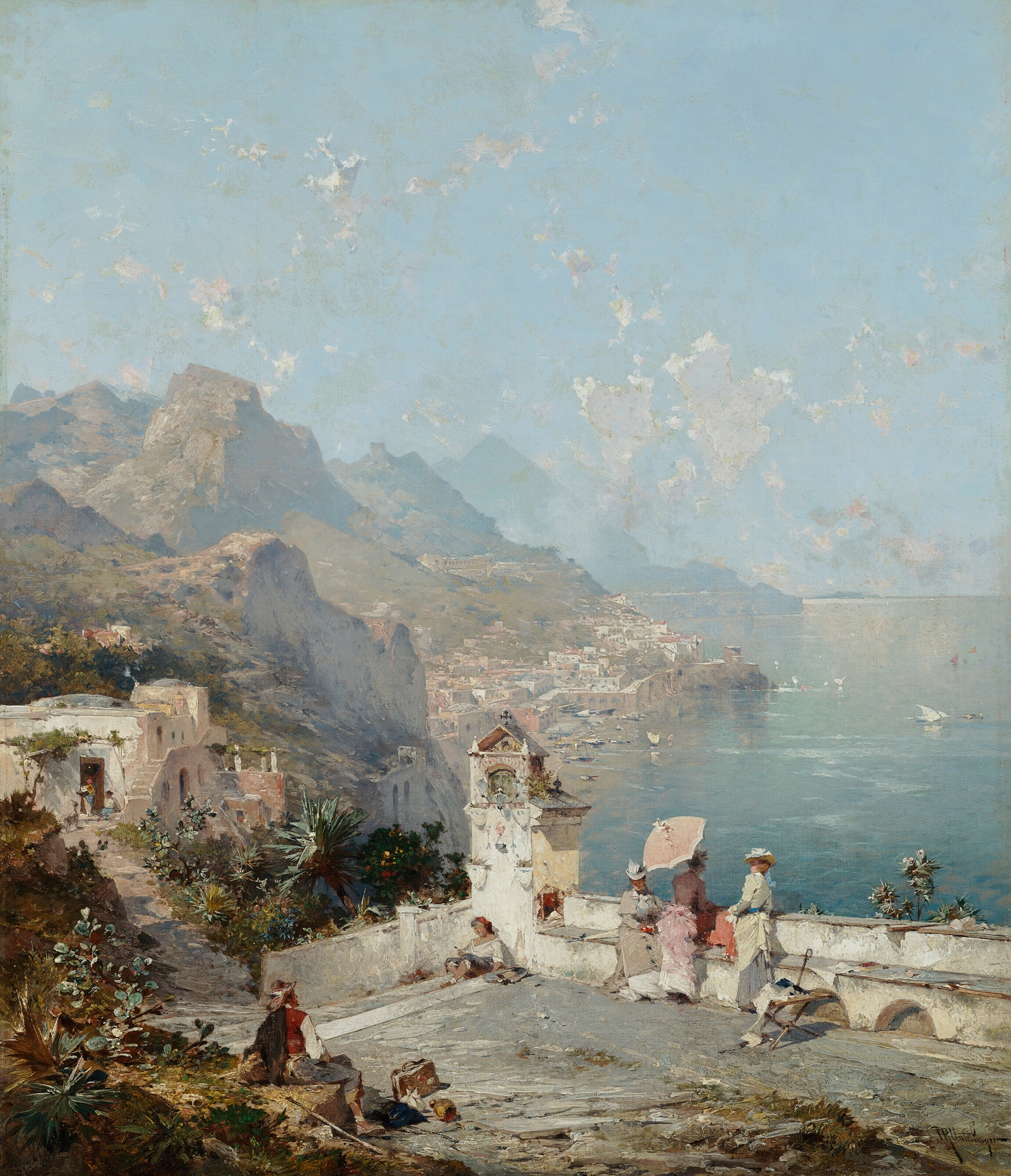
A gentle breeze stirs the water, creating ripples that dance across the surface like playful whispers. In the distance, the sun begins its descent, casting a golden hue over the iconic skyline of Venice. Figures stroll lazily through the gardens, their laughter mingling with the sounds of chirping birds, creating a symphony of serenity and joy. Look to the left at the lush greenery that frames the scene, a tapestry of various shades of green and dappled sunlight. The vibrant flowers poke through, drawing attention to the foreground as they lead the eye toward the serene waters of the canal.
Notice how the artist captures the reflections of the buildings, playing with light, creating a harmonious blend of color that reflects the warmth of a fading day. The composition is carefully balanced, with the curves of the canal inviting the viewer to explore the intricate beauty of Venice. Beneath the tranquil surface, contrasting elements emerge; the stillness of nature juxtaposed with the distant movement of boats gliding smoothly across the water. Each figure in the garden embodies a moment of connection with the landscape, yet their individual stories remain unspoken, evoking a sense of contemplation.
The vibrant colors and expressive brushstrokes convey a longing for freedom and adventure, reminding us of the fleeting nature of time and the beauty found in fleeting moments. Franz Richard Unterberger painted this beautiful view of Venice likely during the late 19th century, a period when he was deeply engaged with the artistic life of Europe. At that time, the allure of Venice was a magnet for artists and travelers alike, as the city underwent significant changes yet remained a romantic symbol of beauty and art. Unterberger's work reflects both personal observation and cultural yearning, capturing the essence of a city that has long inspired generations.