Santa Maria della Salute from the Grand Canal — History & Analysis
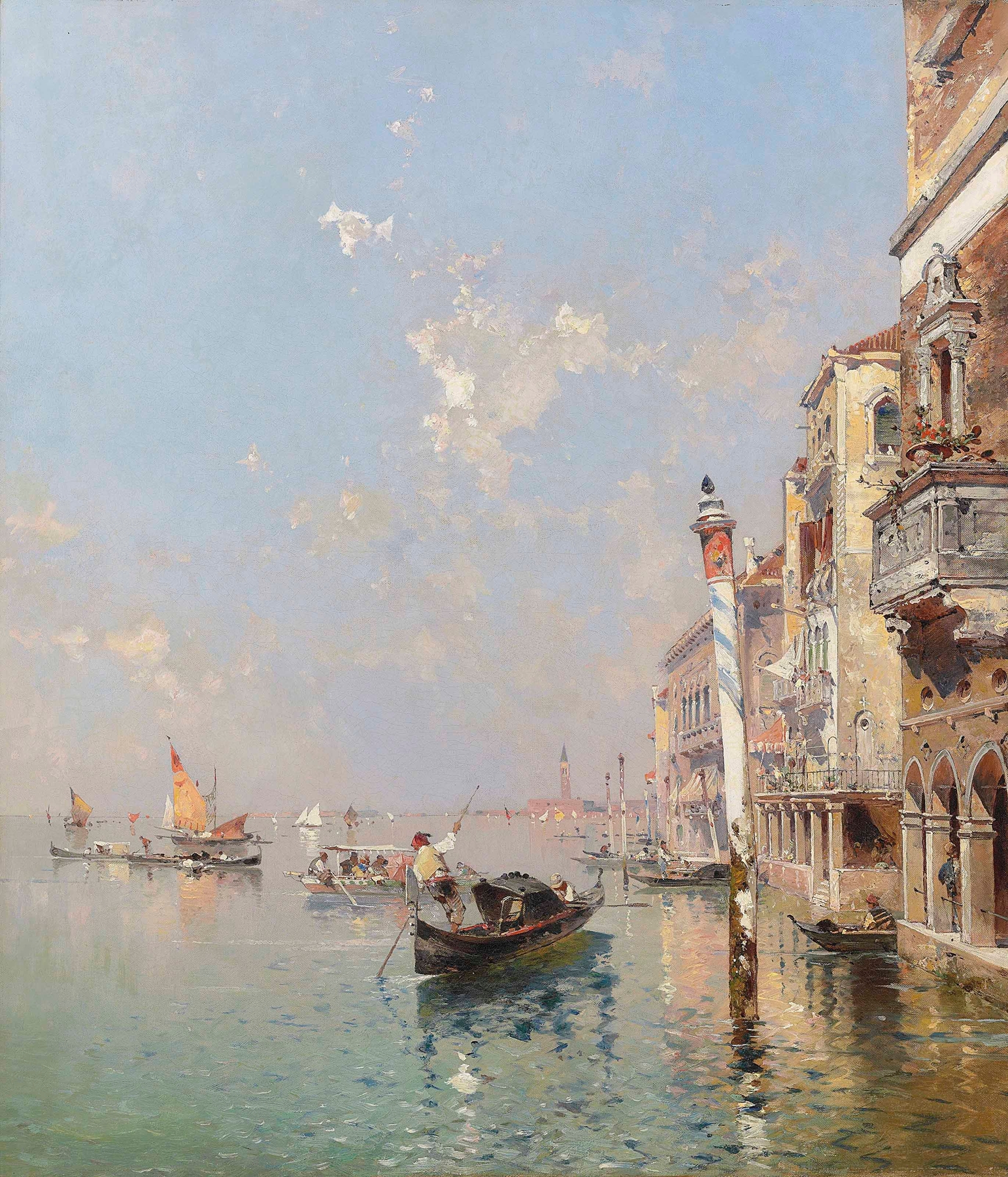
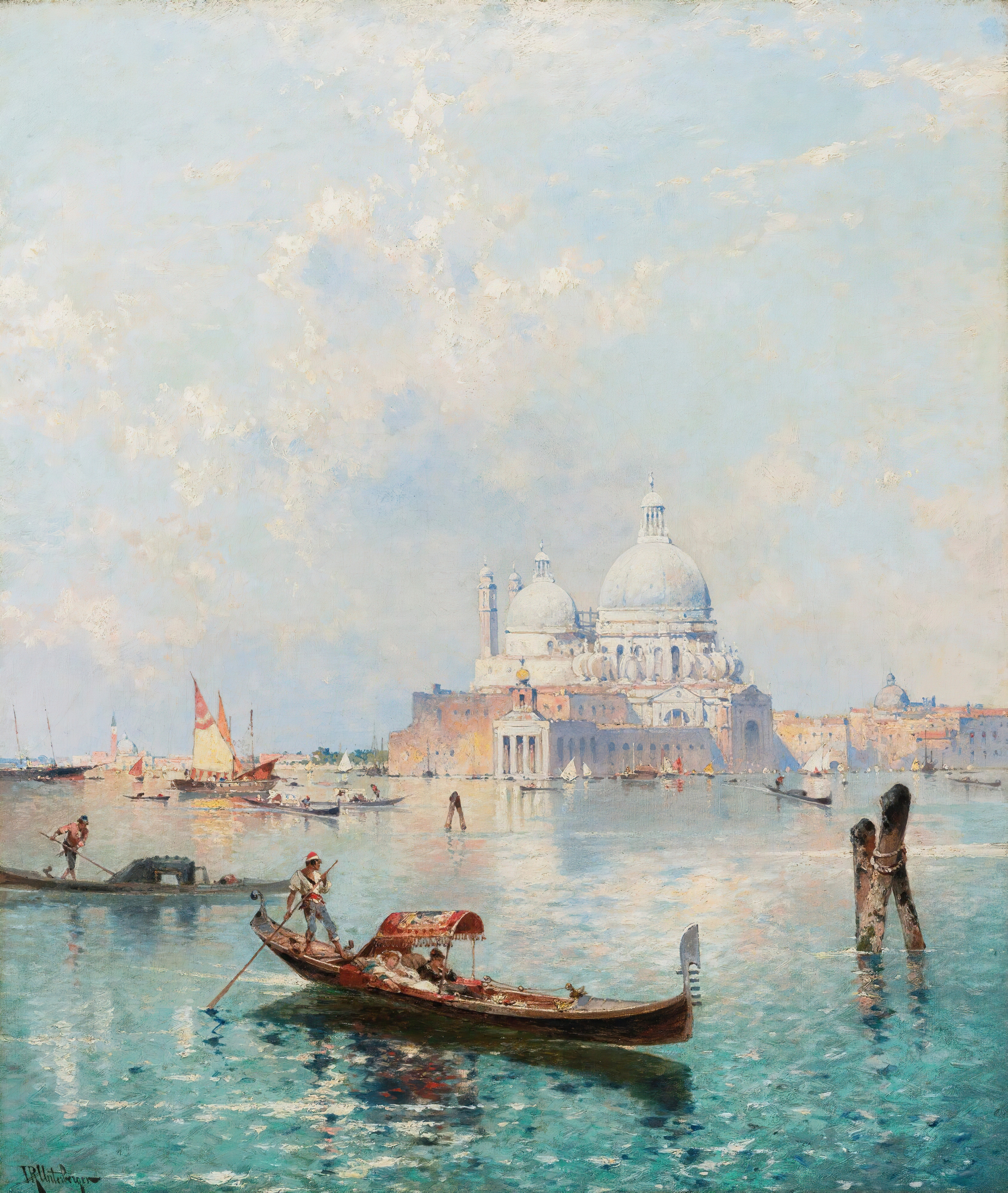
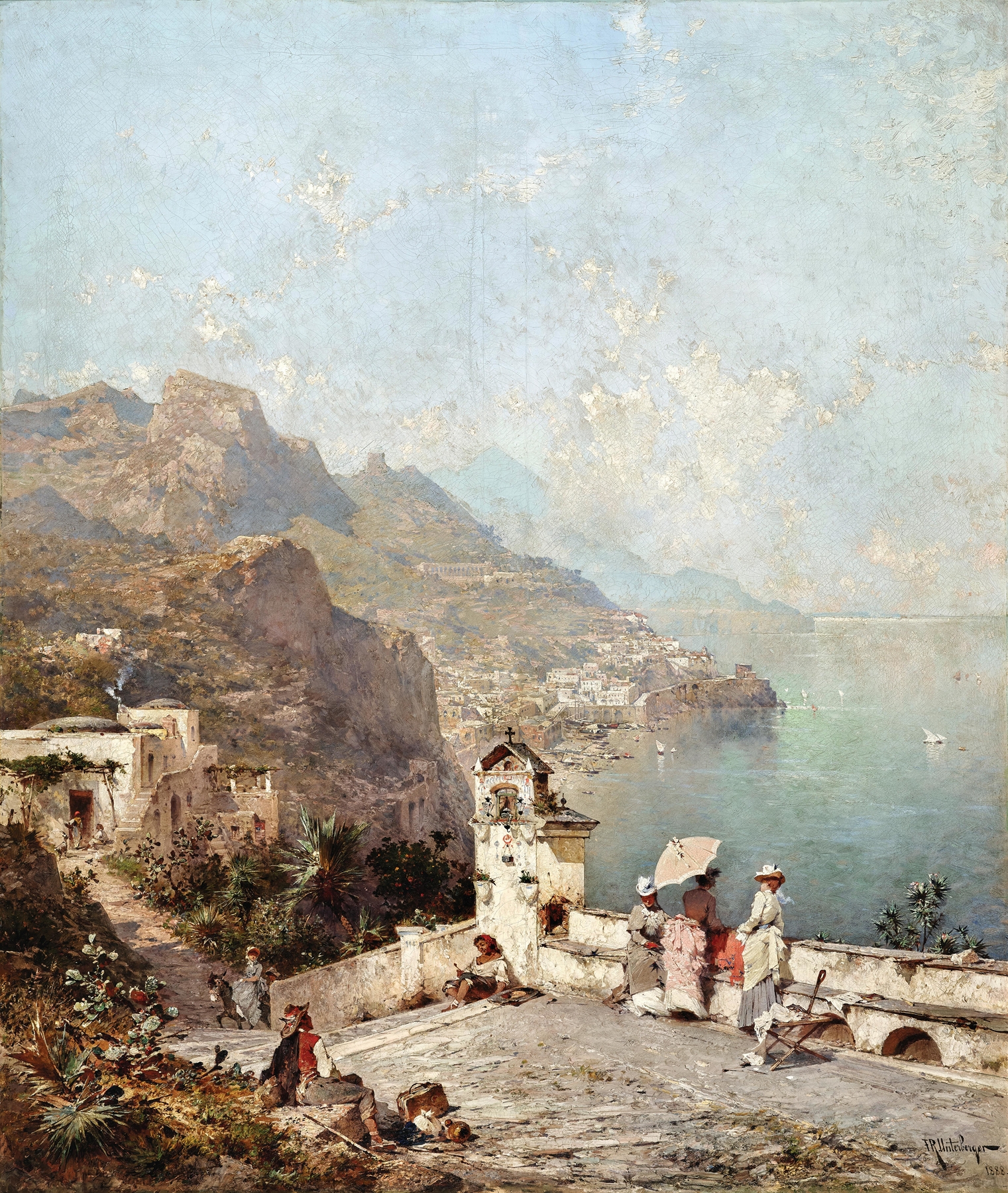
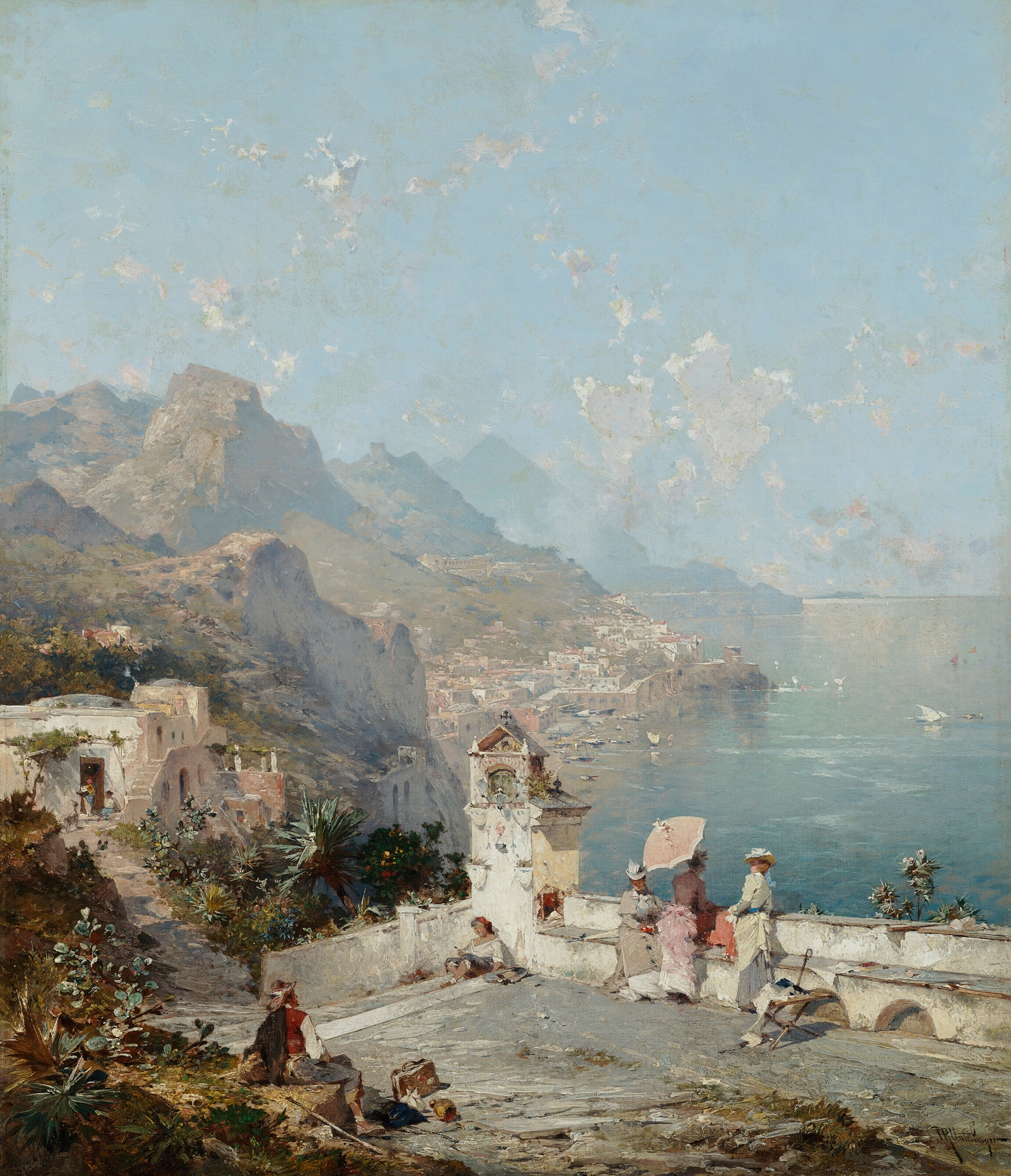
Who listens when art speaks of silence? In Santa Maria della Salute from the Grand Canal, nostalgia envelops the viewer like a whispered memory, inviting us to explore the echoes of a time gone by. Look to the left at the gentle curve of the Grand Canal, where the water reflects hues of azure and gold. The majestic dome of the basilica rises in the background, its architectural elegance juxtaposed with the softly drifting gondolas in the foreground.
Notice how the light dances upon the surface of the water, creating a shimmering path that draws the eye toward the architecture, while shadows deepen the spaces in between, suggesting a world both vibrant and contemplative. Subtle details enhance the sense of nostalgia that permeates the painting. The gondolas, with their graceful forms, seem to carry not just passengers but stories, each one a fragment of the past. The atmospheric quality of the scene evokes a longing for simpler times, making the viewer reflect on their own memories intertwined with the essence of Venice.
This interplay of light and shadow imbues the moment with emotional weight, as though the city itself is holding its breath. Franz Richard Unterberger painted this remarkable scene during the late 19th century, a time when he was deeply influenced by the romanticism of Italian landscapes. Working in Venice, he captured the city's allure while also responding to the growing interest in plein air painting. Amidst a thriving art scene, Unterberger’s works became a testament to a unique vision, bridging the gap between reality and poetic reminiscence.