The port of Capri — History & Analysis
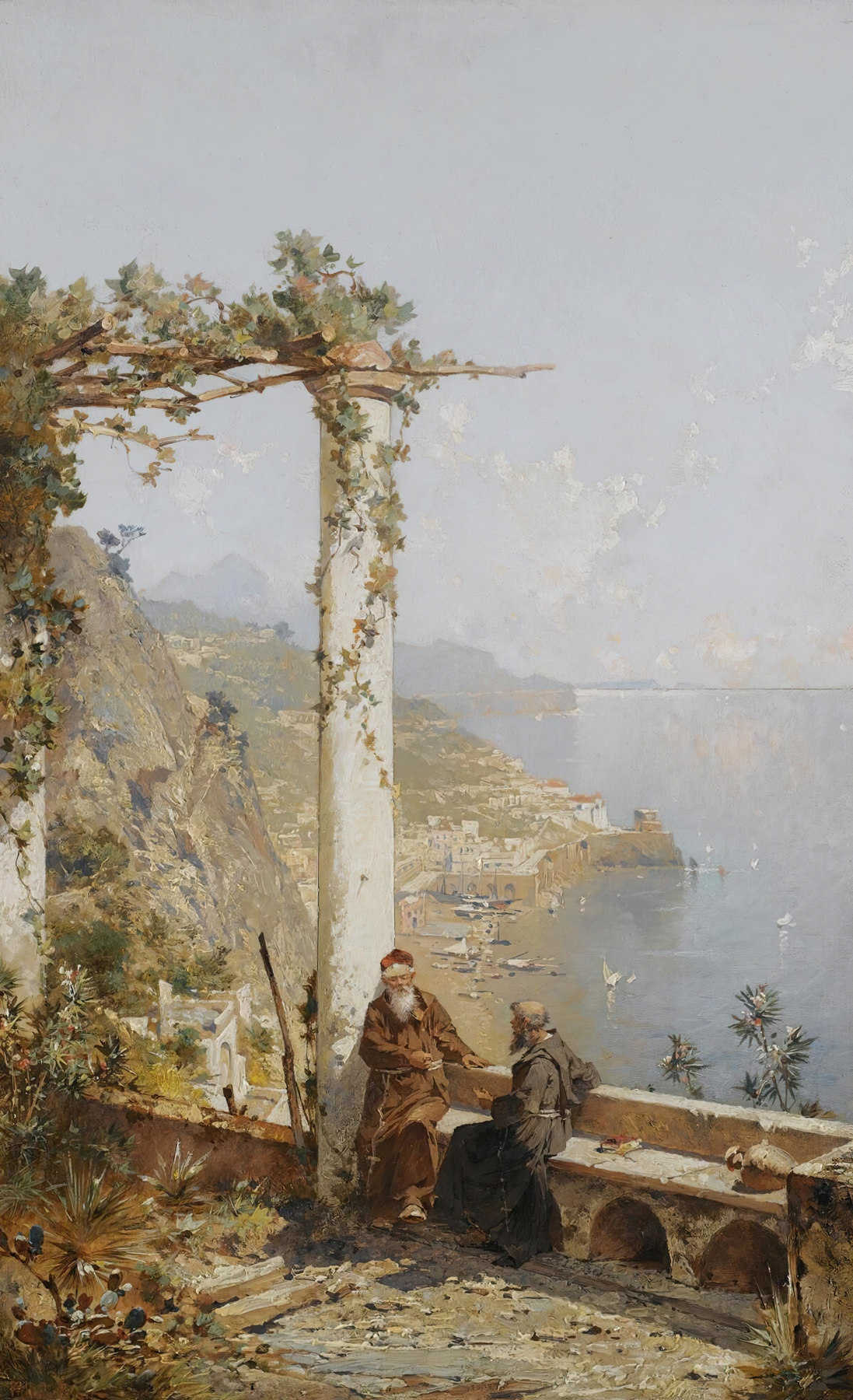
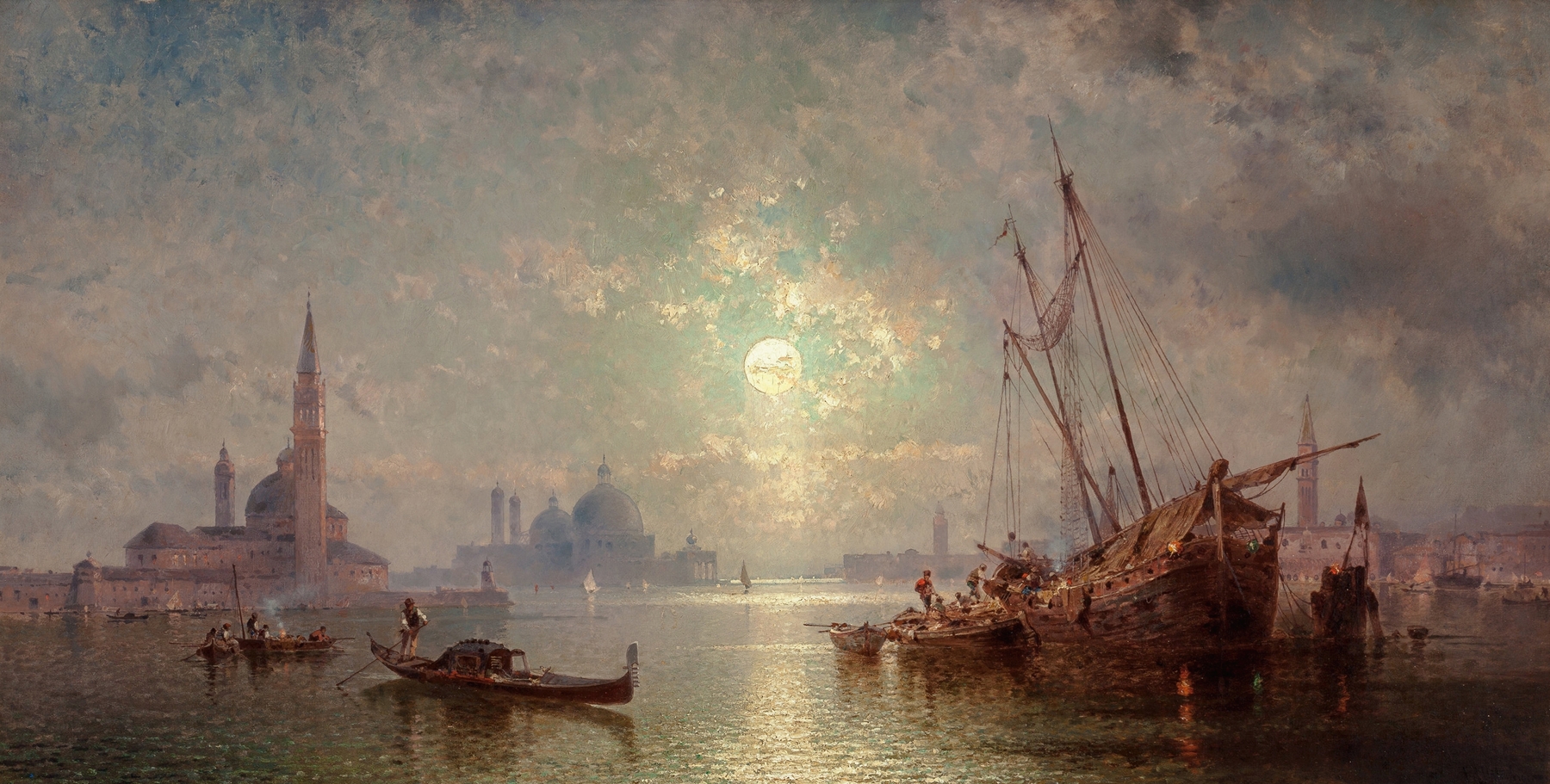
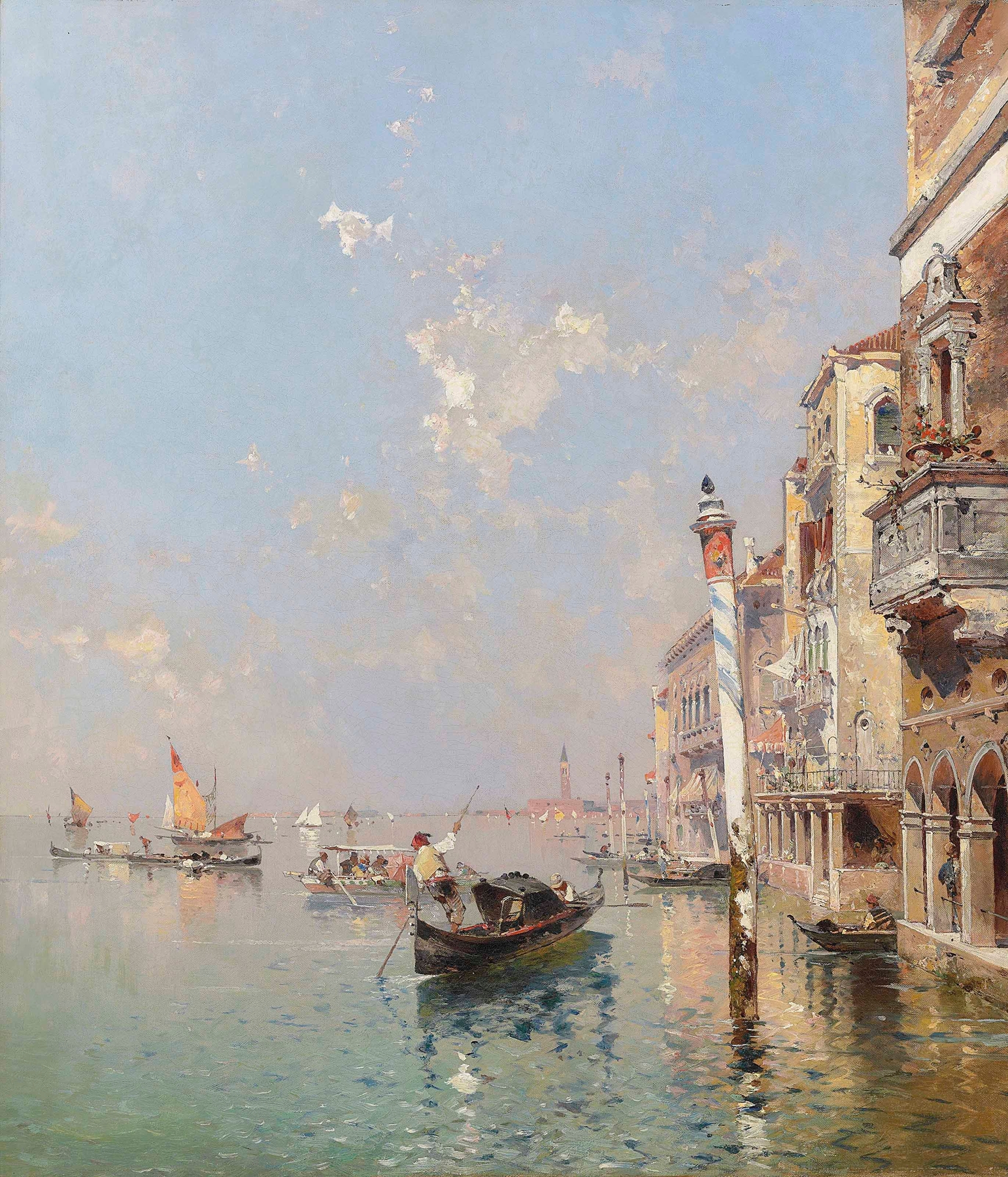
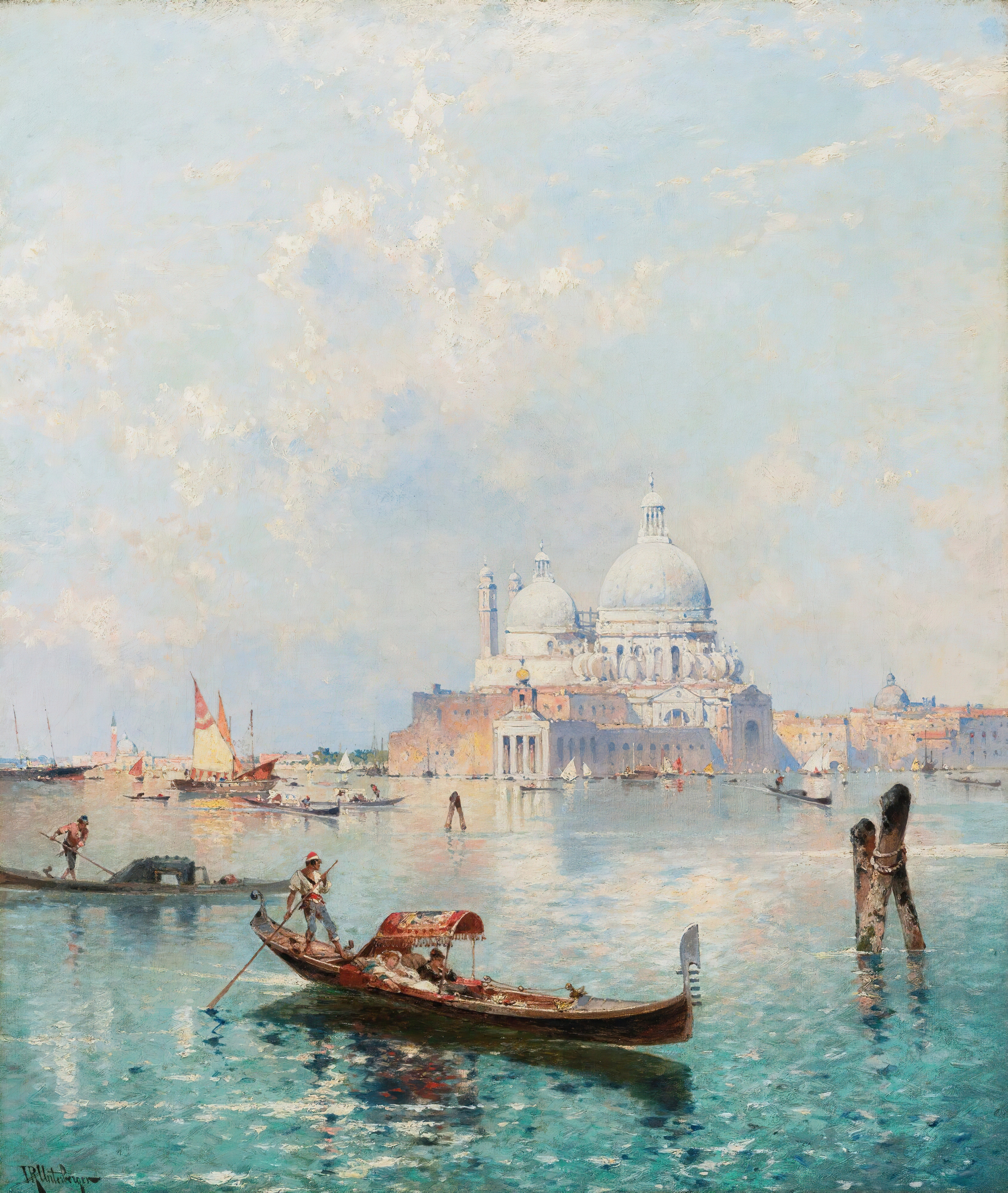
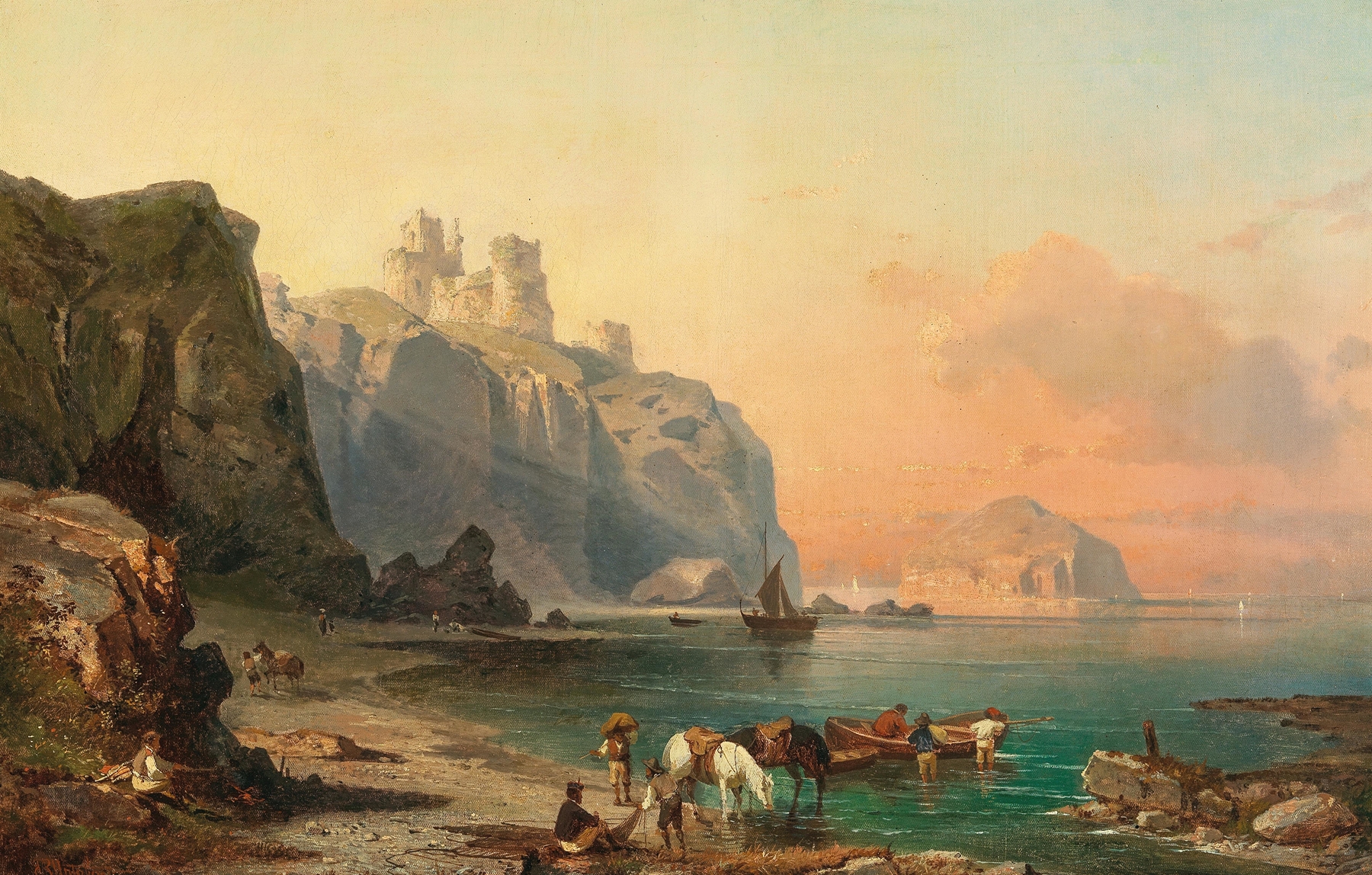
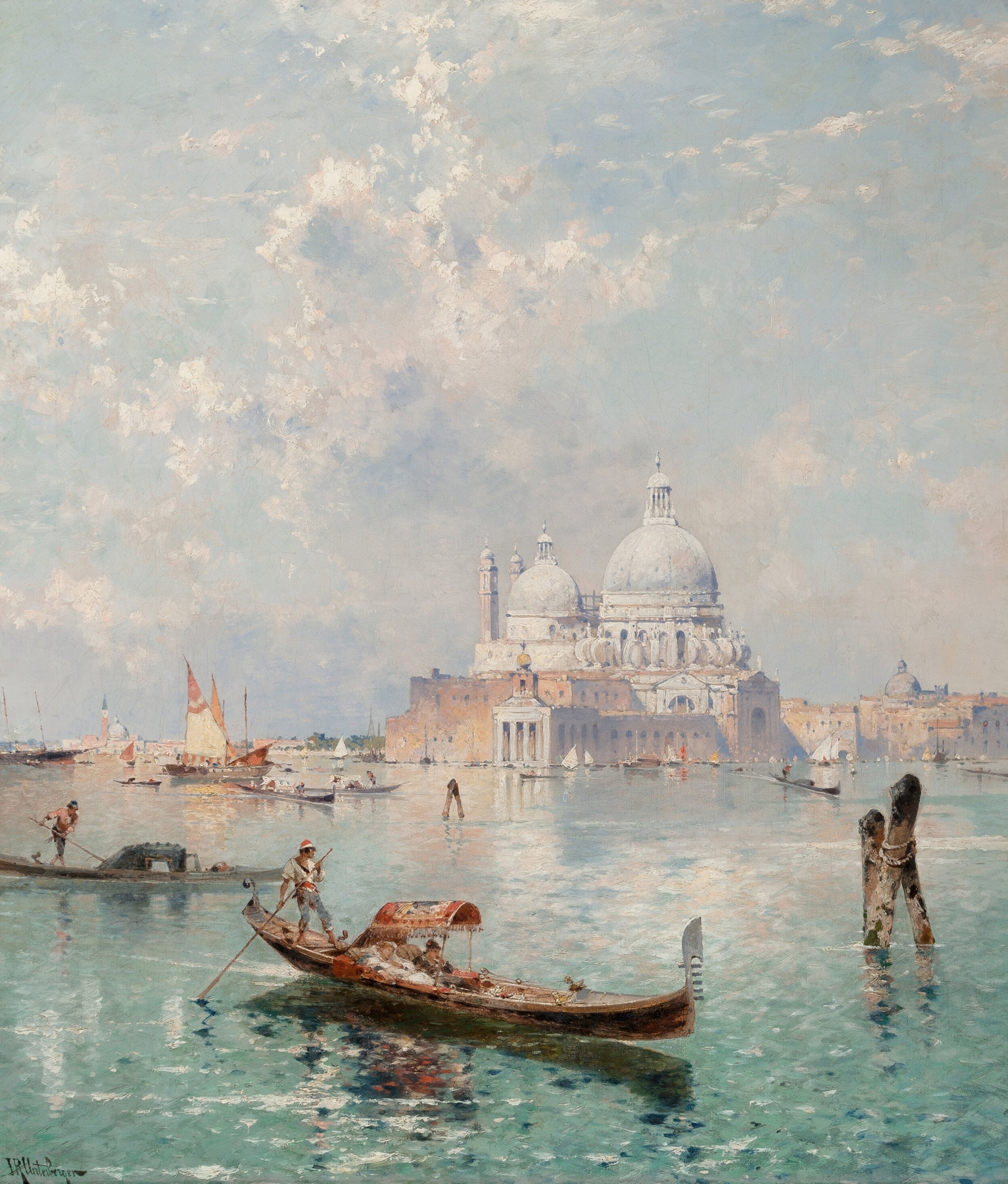
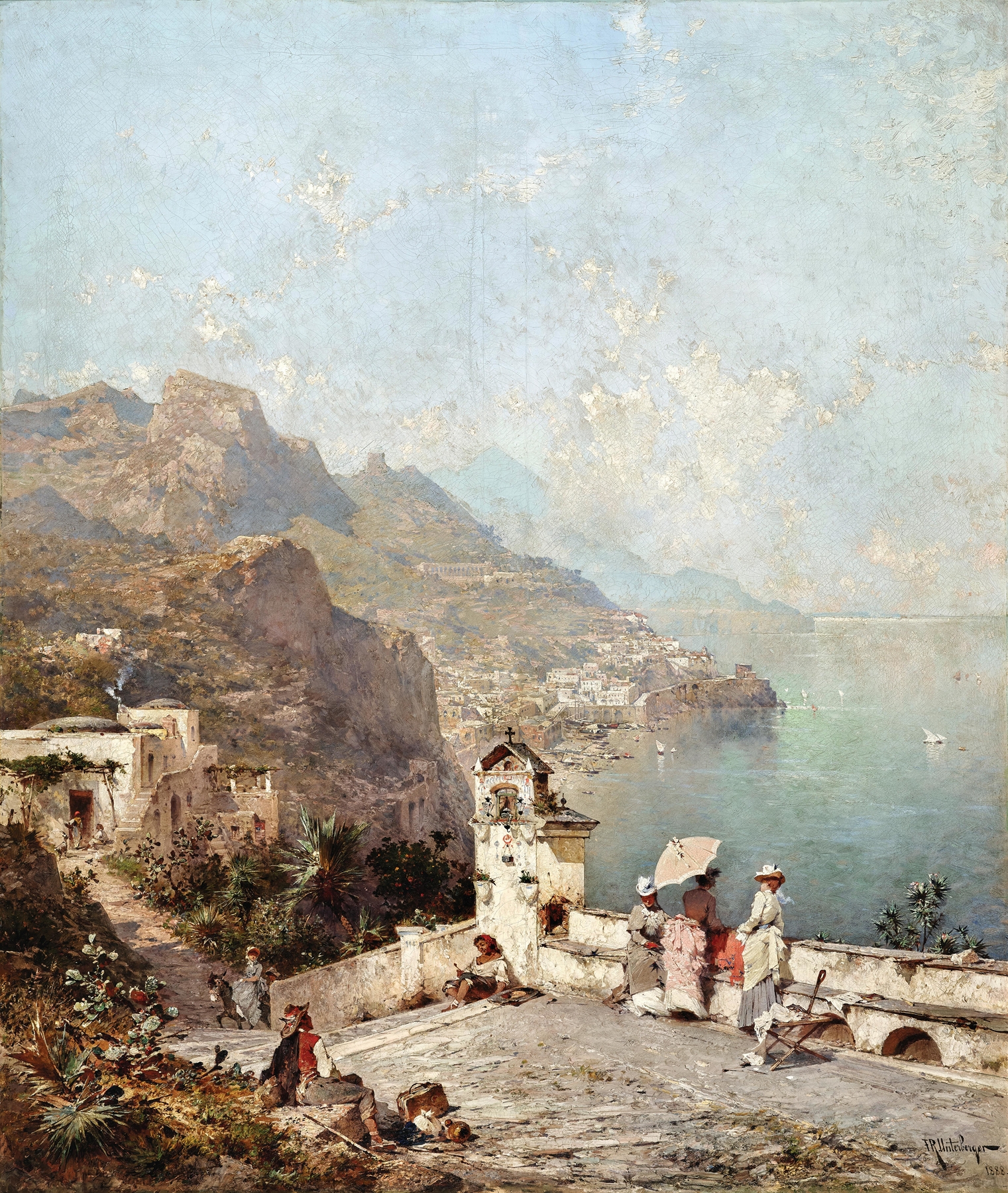
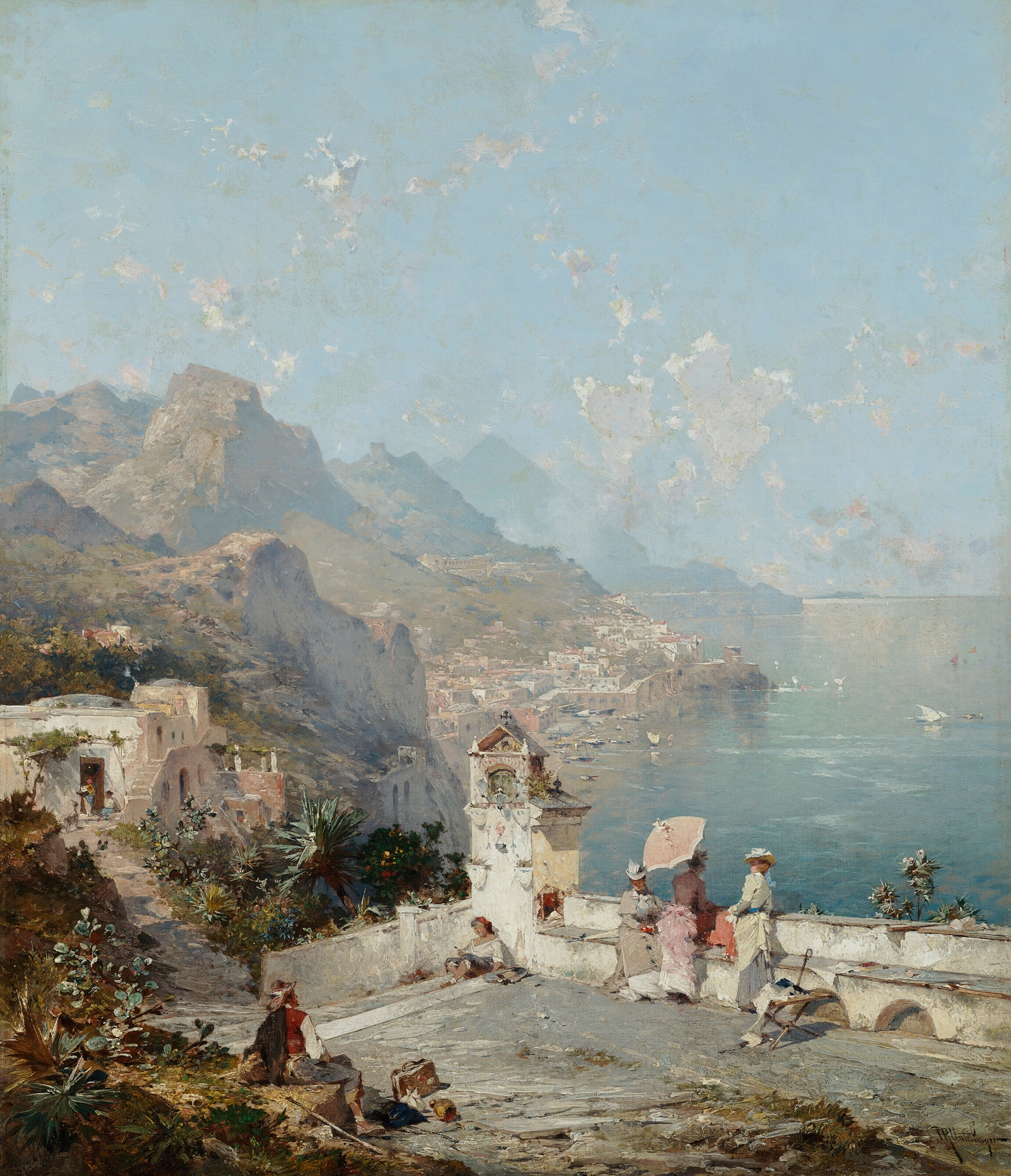
“Between color and silence, truth hides.” In the quiet embrace of the Mediterranean, the essence of divinity beckons through vibrant hues and tranquil waters. Here lies a portal to the sublime, where earthly beauty and a sense of the divine intertwine. Focus on the foreground, where the gentle waves lap against the rocky shore, reflecting the rich blues and greens of the surrounding landscape. Notice how the sunlight dances upon the water’s surface, illuminating the intricate details of the boats anchored peacefully.
Look closely to observe the delicate brushwork in the cliffs, capturing the ruggedness of nature while simultaneously paying homage to its grace. The composition draws the eye toward the horizon, where sky meets sea, creating a harmonious blend of color and light that evokes a sense of boundless possibility. Peel back the layers of this scene to discover the emotional tension that resides in the juxtaposition of the tranquil port and the distant, towering cliffs. This contrast invites contemplation, urging the viewer to ponder the relationship between humanity and nature.
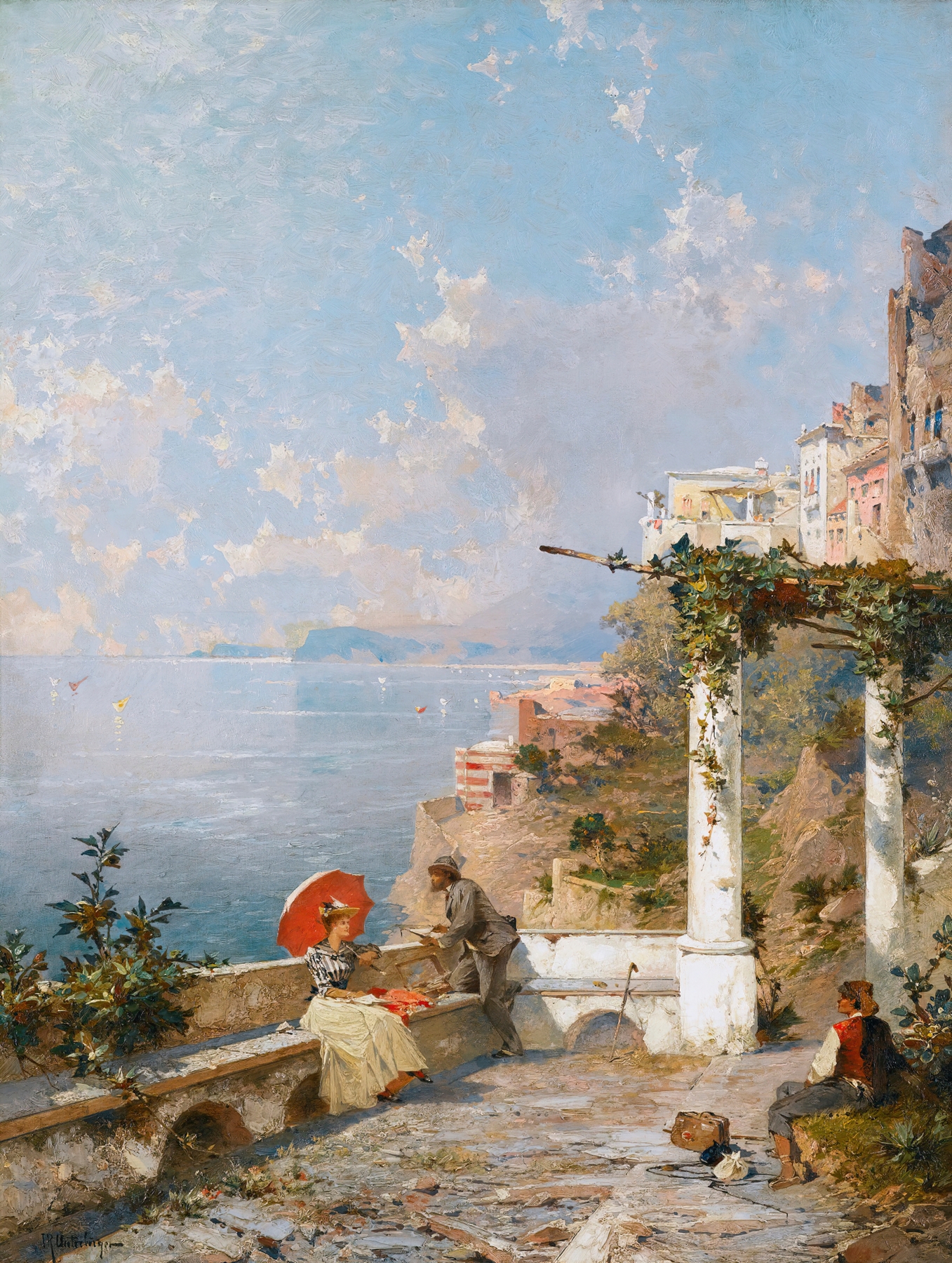
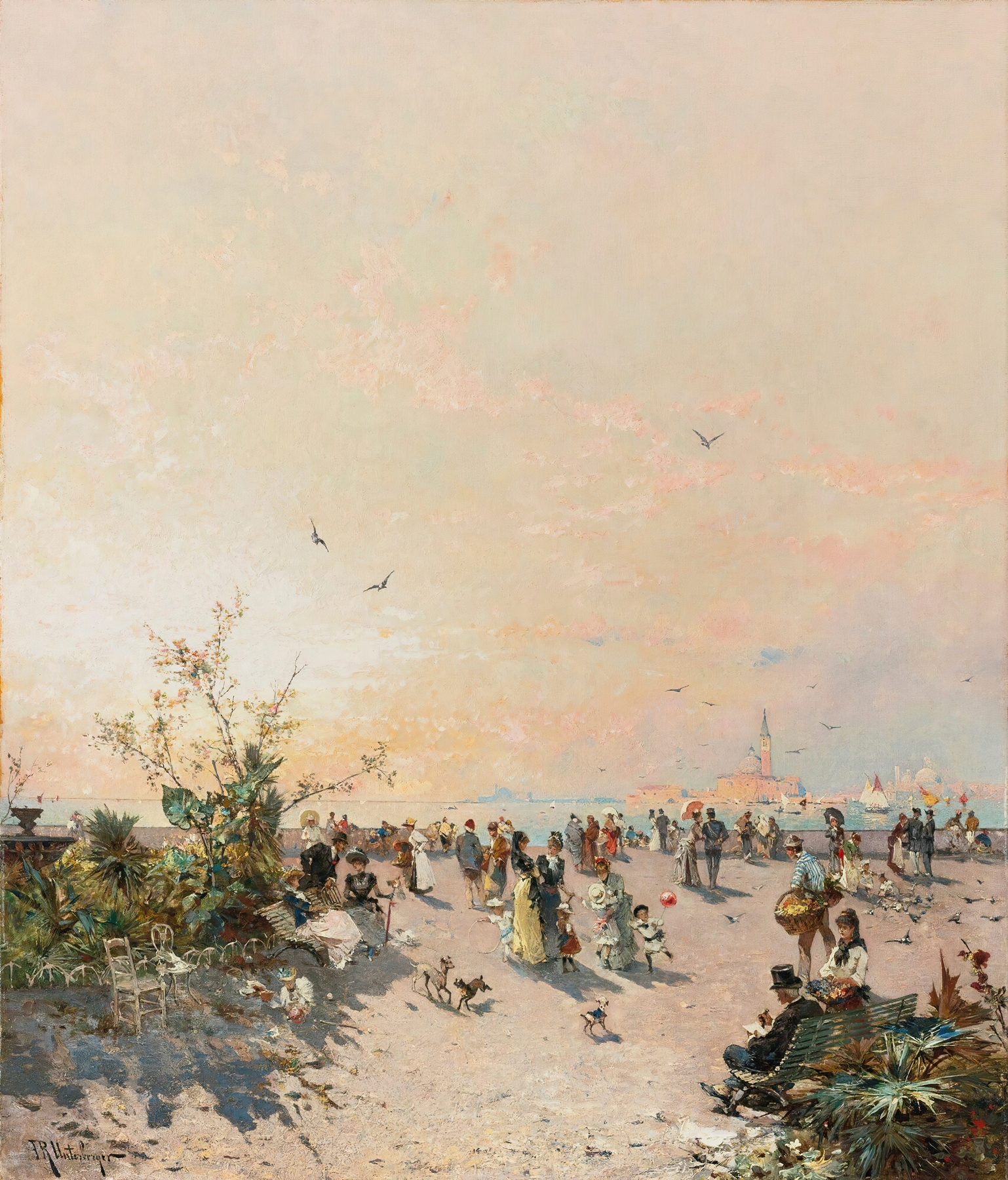
The presence of the boats symbolizes both connectivity and solitude, suggesting the divine interplay between the individual and the collective experience of life on the water. Franz Richard Unterberger created this captivating image of Capri in the 19th century, during a time when European artists were drawn to the beauty of the Mediterranean. Living in a world where Romanticism flourished, he found inspiration in the idyllic landscapes of Italy, capturing their essence with a mastery of light and color that resonated deeply within the art community of his time.