Santa Maria Della Salute On The Grand Canal — History & Analysis
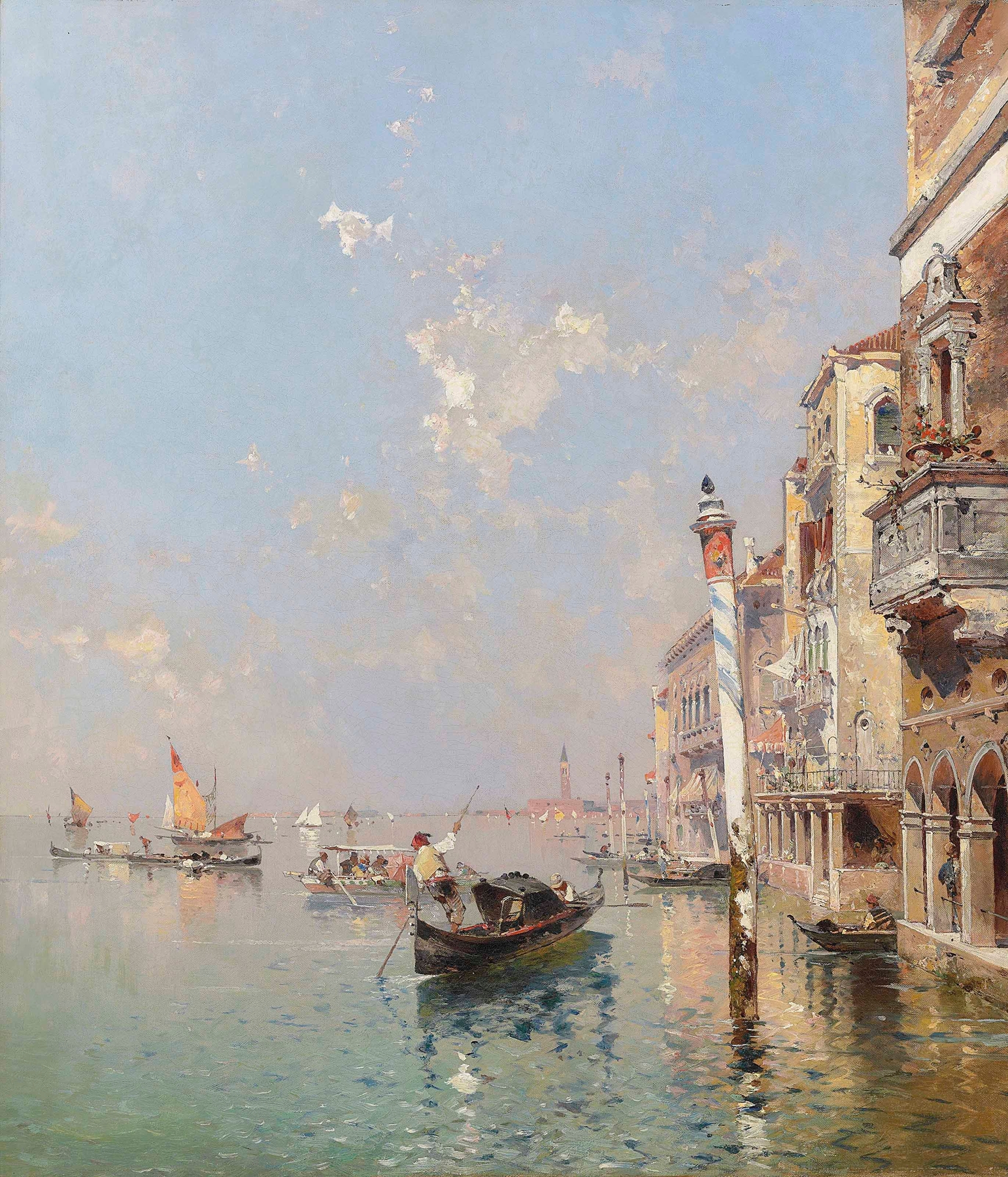
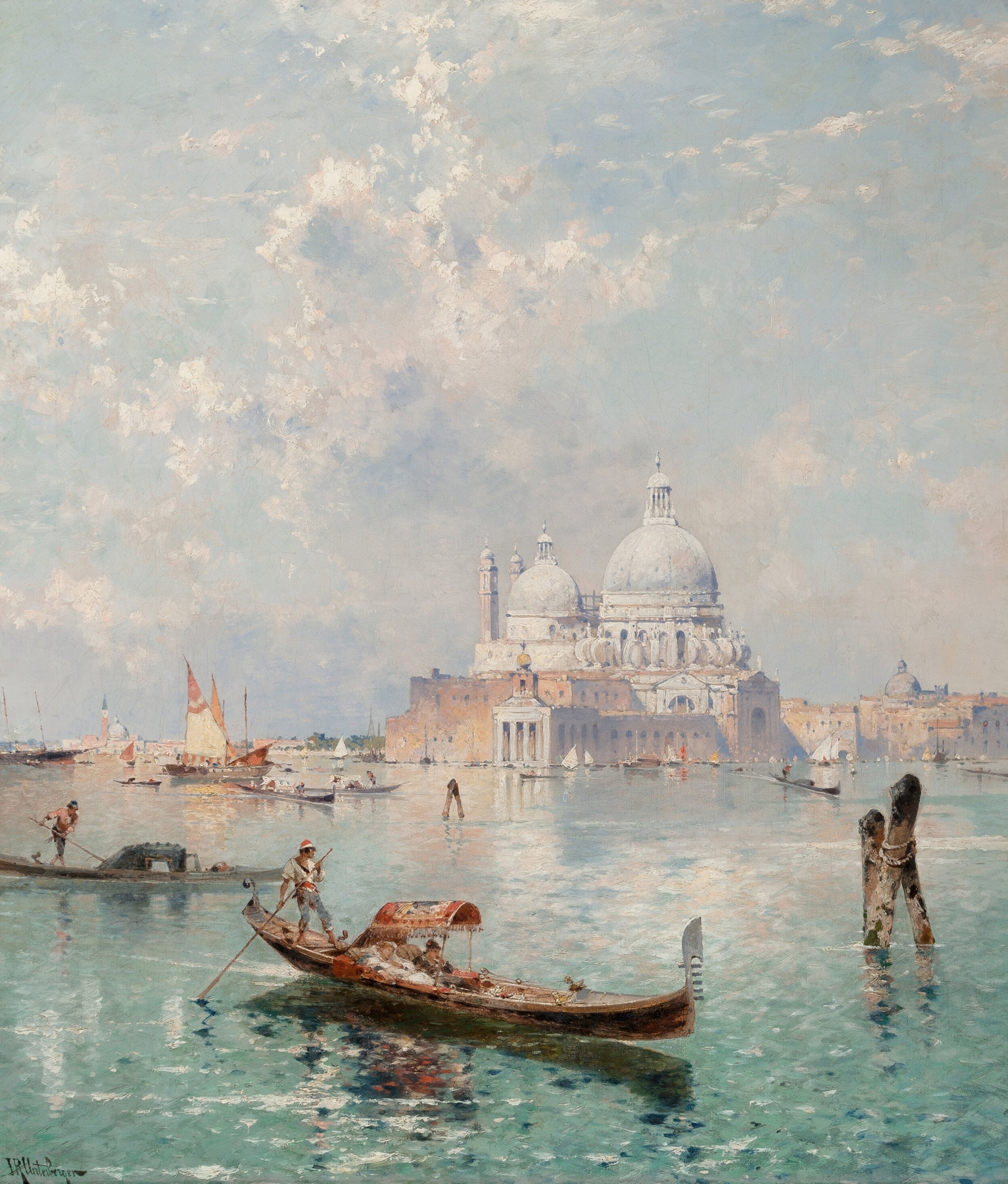
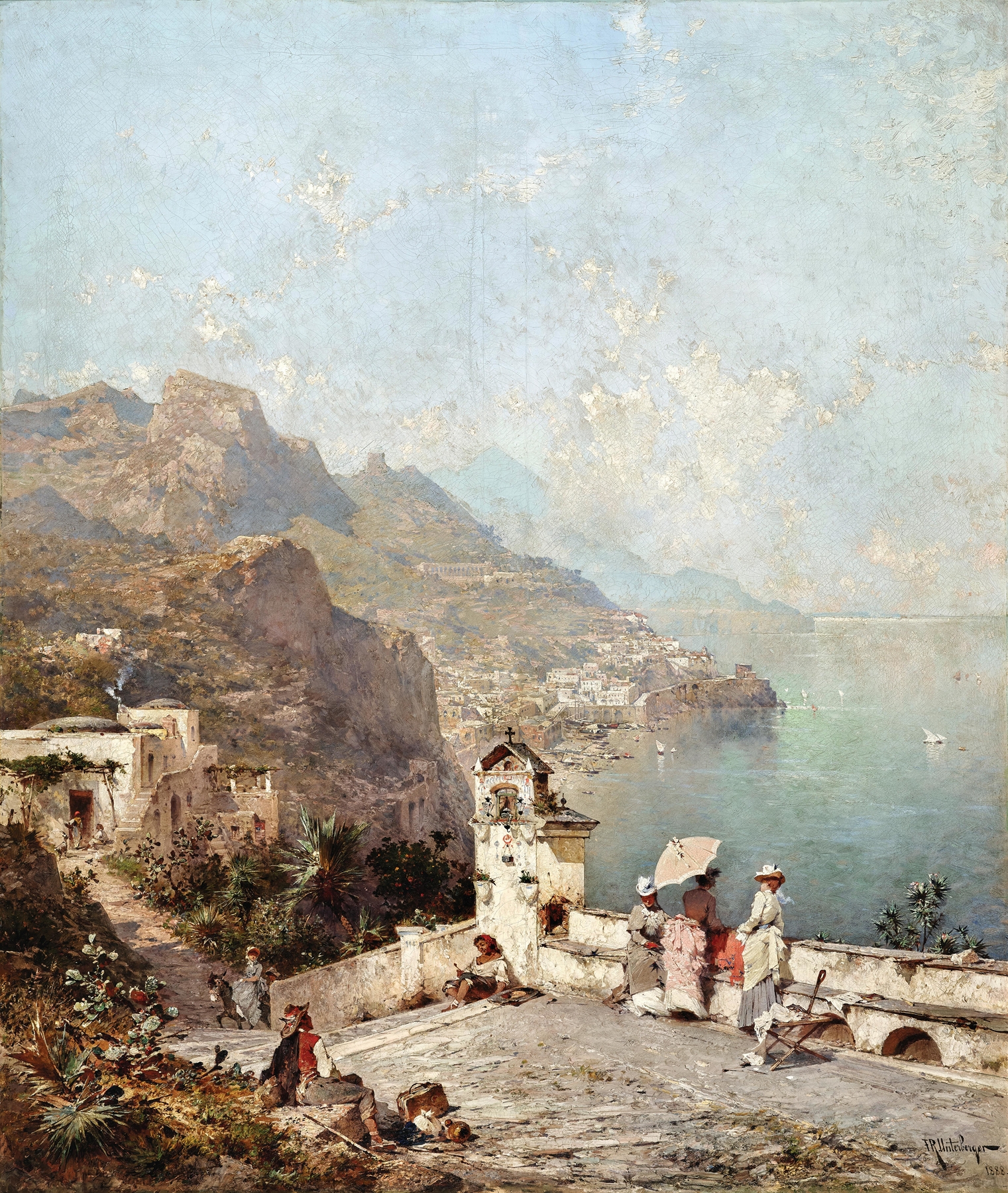
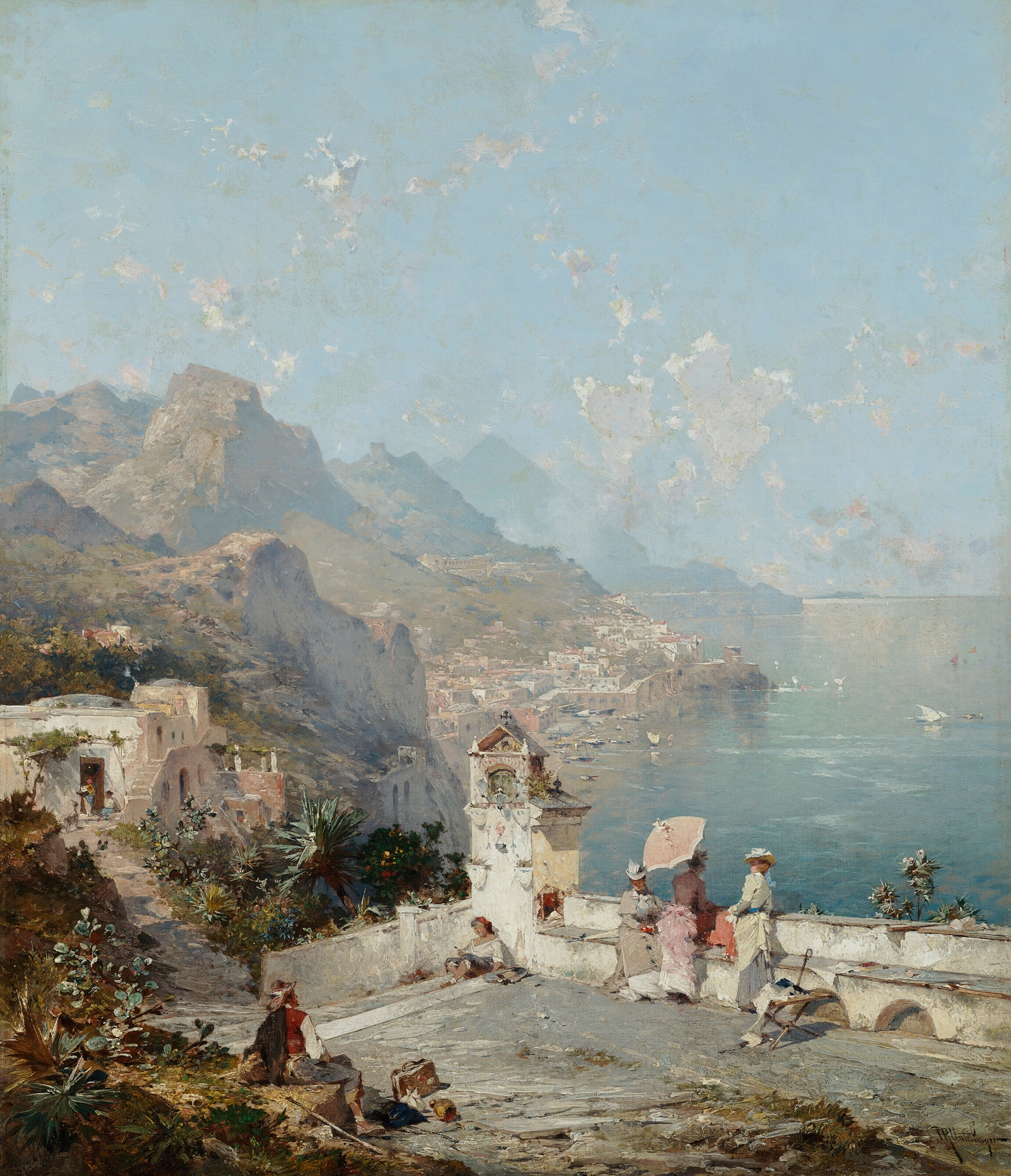
“The canvas doesn’t lie — it simply waits.” In its tranquil allure, the scene captures a moment that belies the underlying turbulence of the world outside its borders. Look to the left, where the gentle waves of the Grand Canal shimmer under a soft embrace of sunlight. The Basilica of Santa Maria Della Salute rises majestically, its domes and sculptures rendered with precision, against an azure sky that stretches endlessly. Notice the rich color palette; warm ochres and cool blues dance together, creating a vivid contrast that draws the eye toward the architectural marvel at the center.
The careful brushwork conjures a sense of movement, as gondolas glide silently across the water, suggesting a story concealed beneath the surface. Yet, beneath this serene façade lies the tension of a world marked by conflict and transformation. The bustling activity of the gondoliers echoes both the vibrancy of life and the precariousness of existence on these waters. The juxtaposition of the grandeur of the church against the everyday lives of the boatmen speaks to a deeper turmoil; the peace of the setting stands at odds with the historical violence that has shaped this city.
Each ripple in the water may whisper tales of both beauty and strife, while the looming church serves as a solemn witness to it all. Franz Richard Unterberger painted this work during a period in which Venice was undergoing significant change, likely in the late 19th century. He was influenced by the Romantic movement, focusing on capturing the charm and complexity of Venetian life. This era was marked by a revival of interest in the city’s artistic heritage, while also facing the realities of modernization and political unrest, which added layers of meaning to his idyllic scenes.