Cannon Street Station — History & Analysis
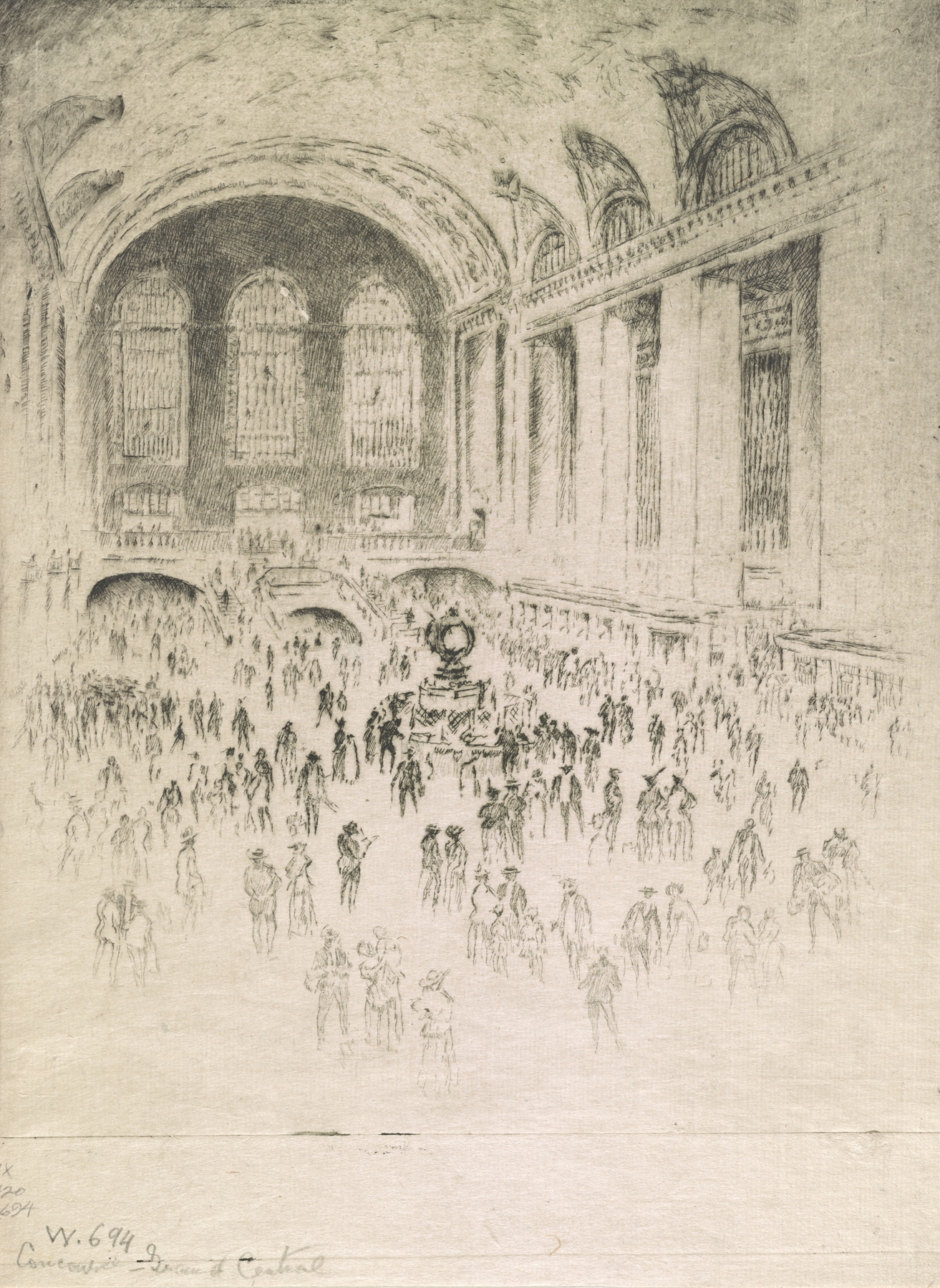
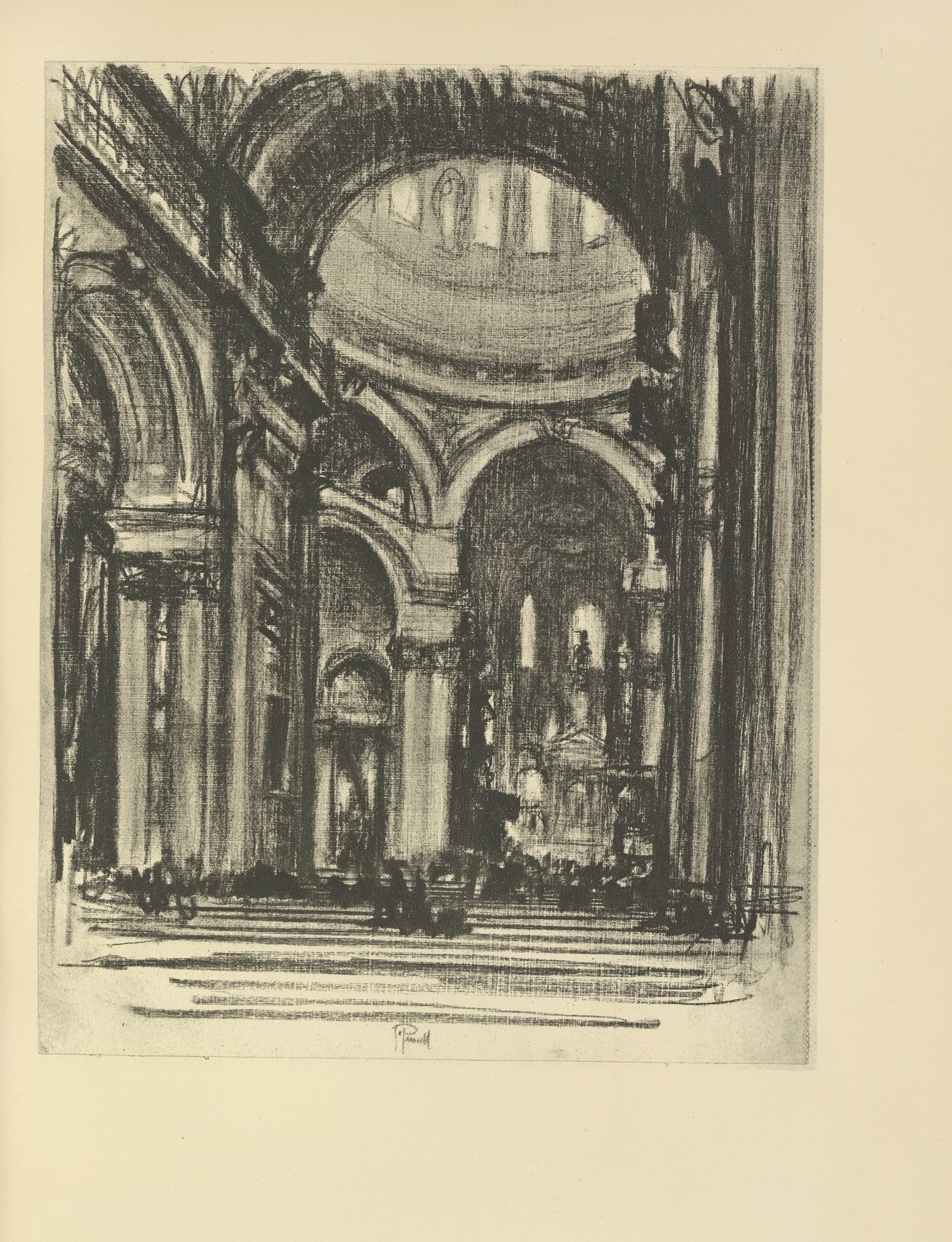
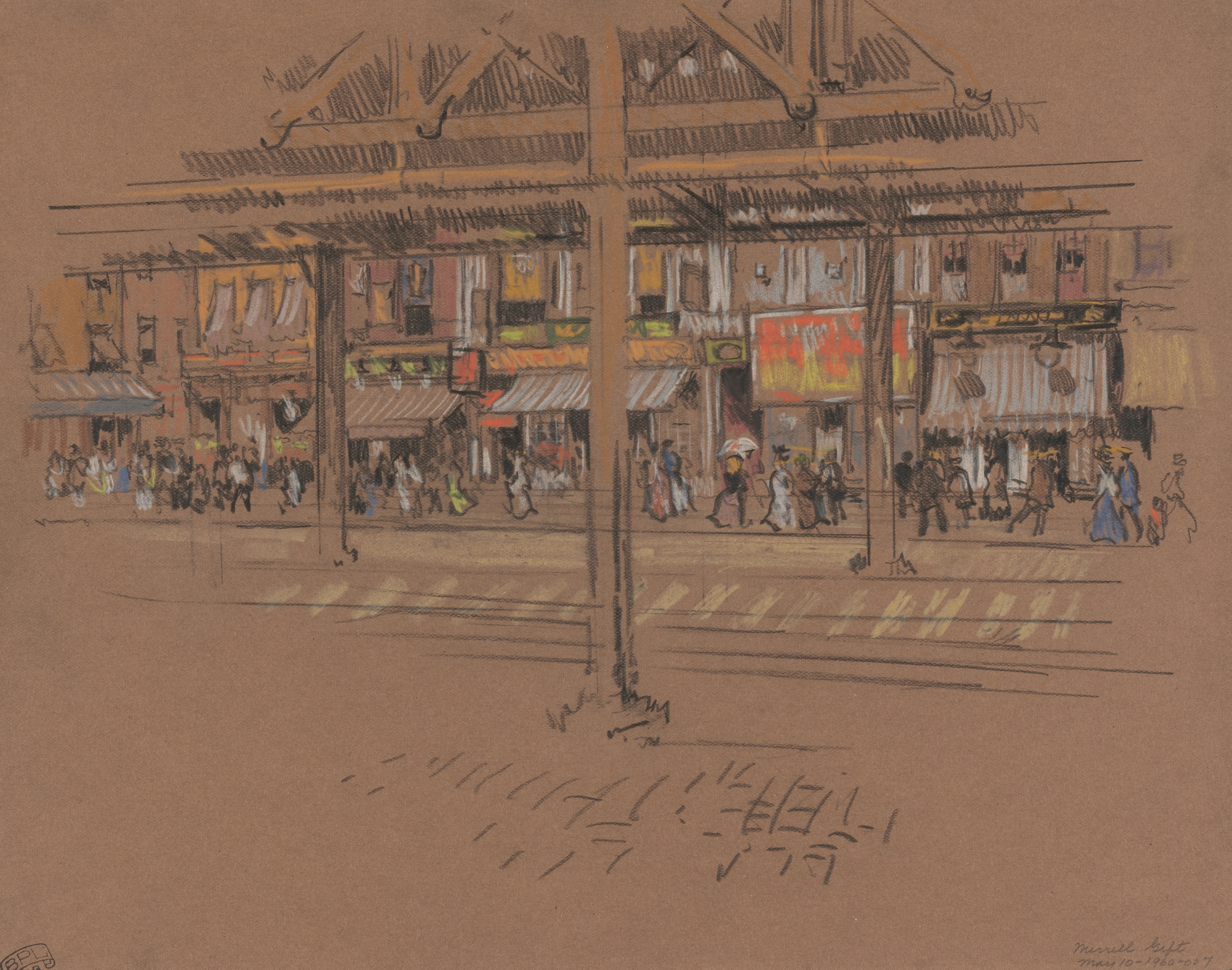
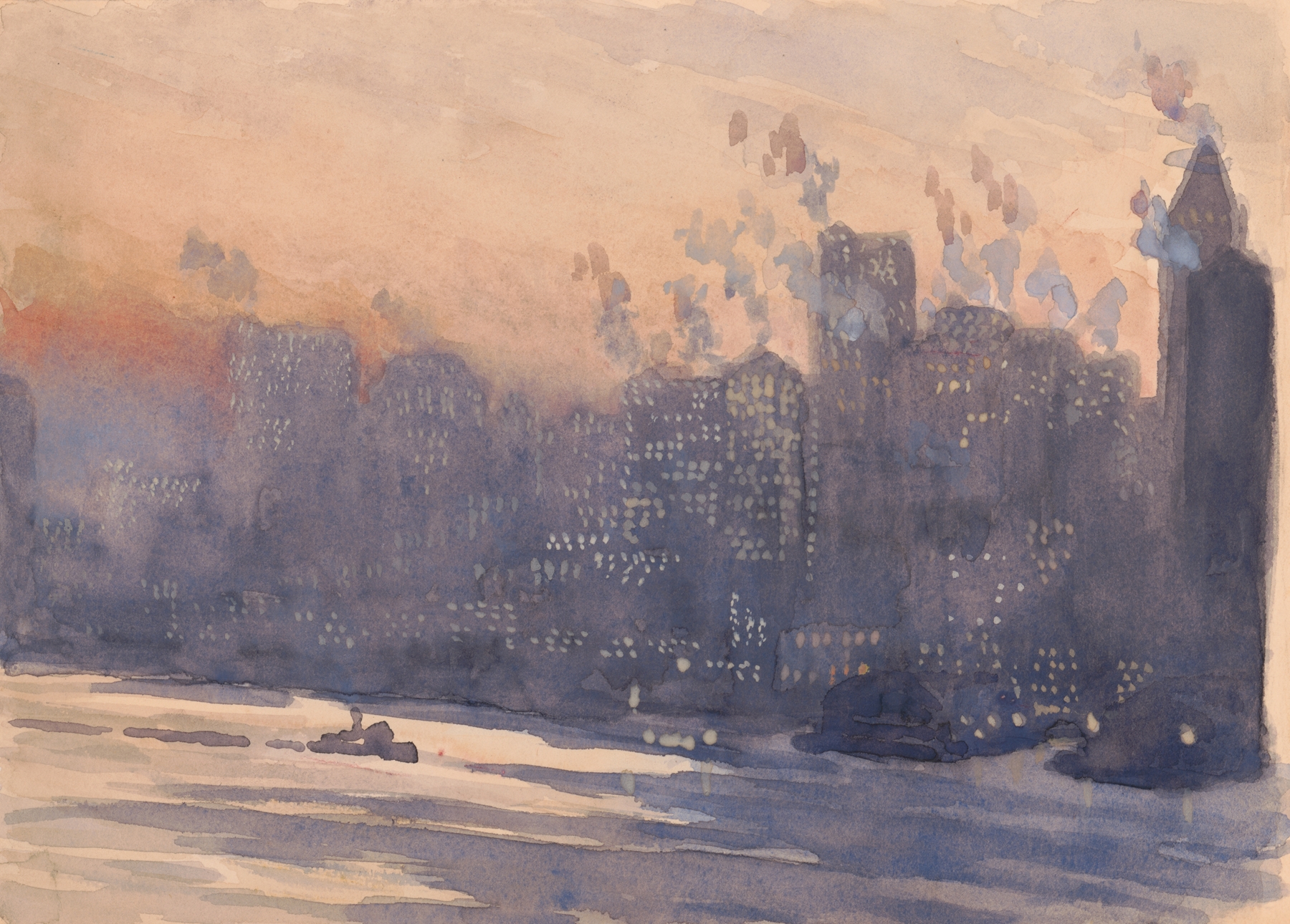
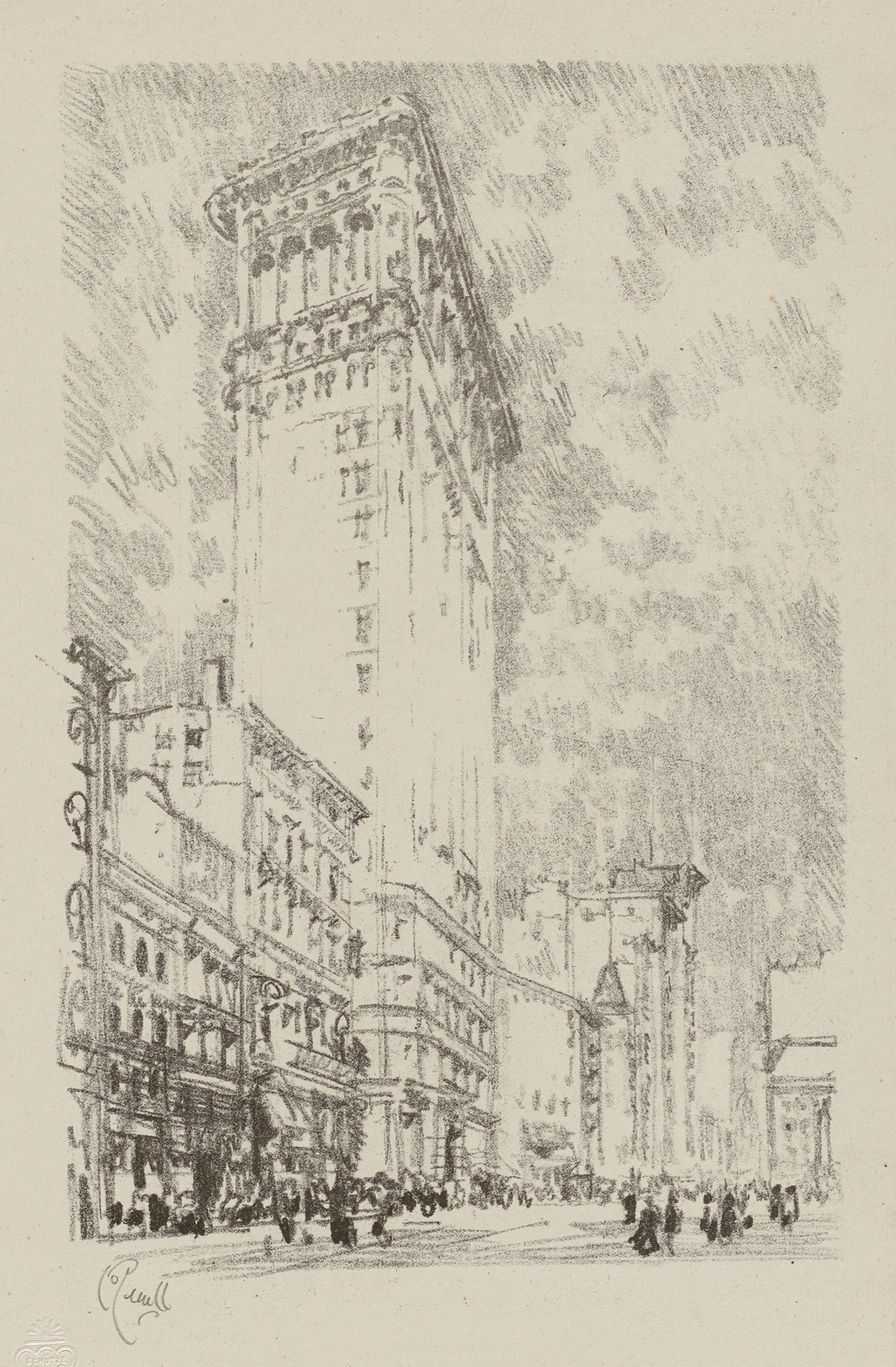
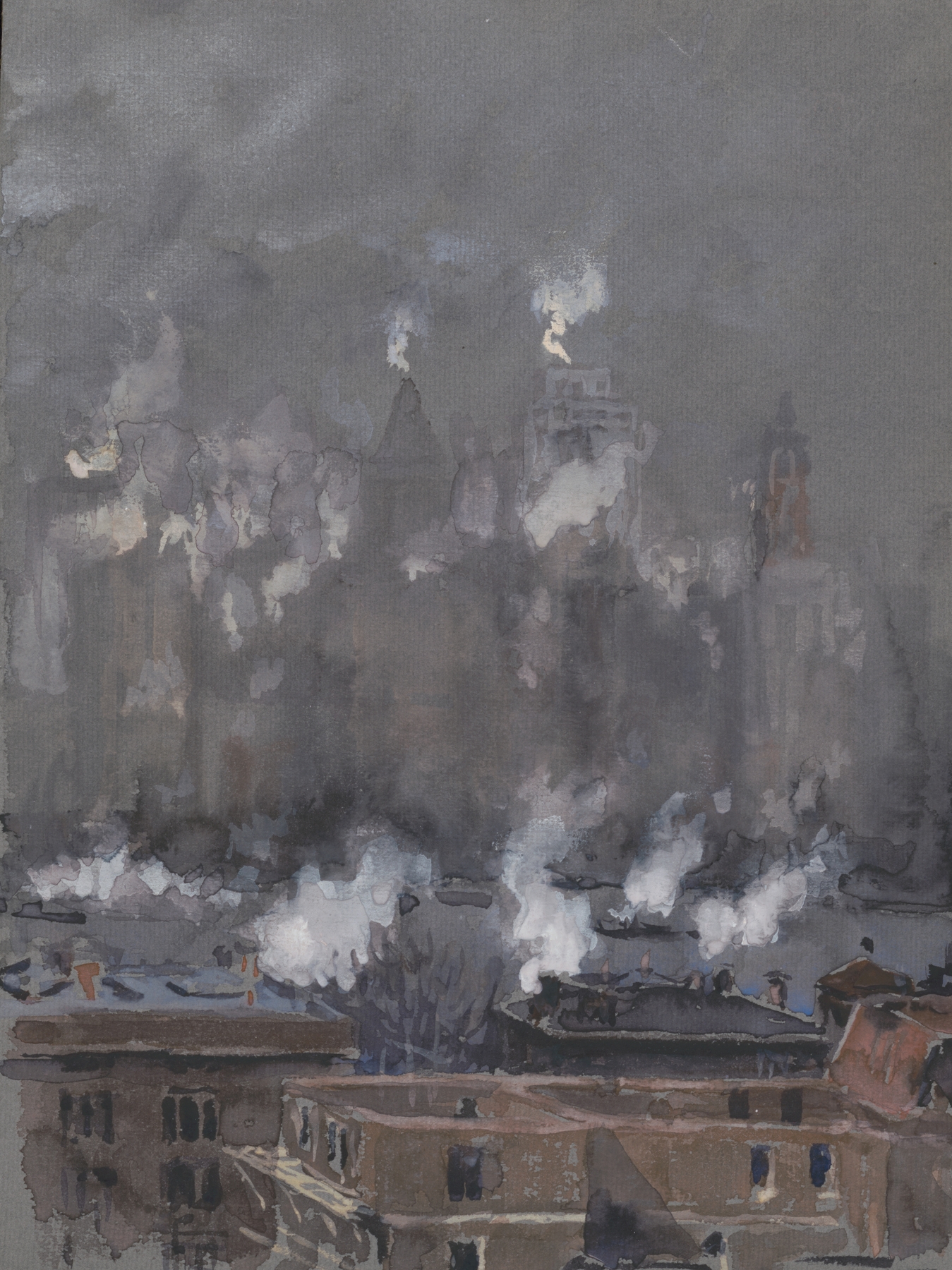
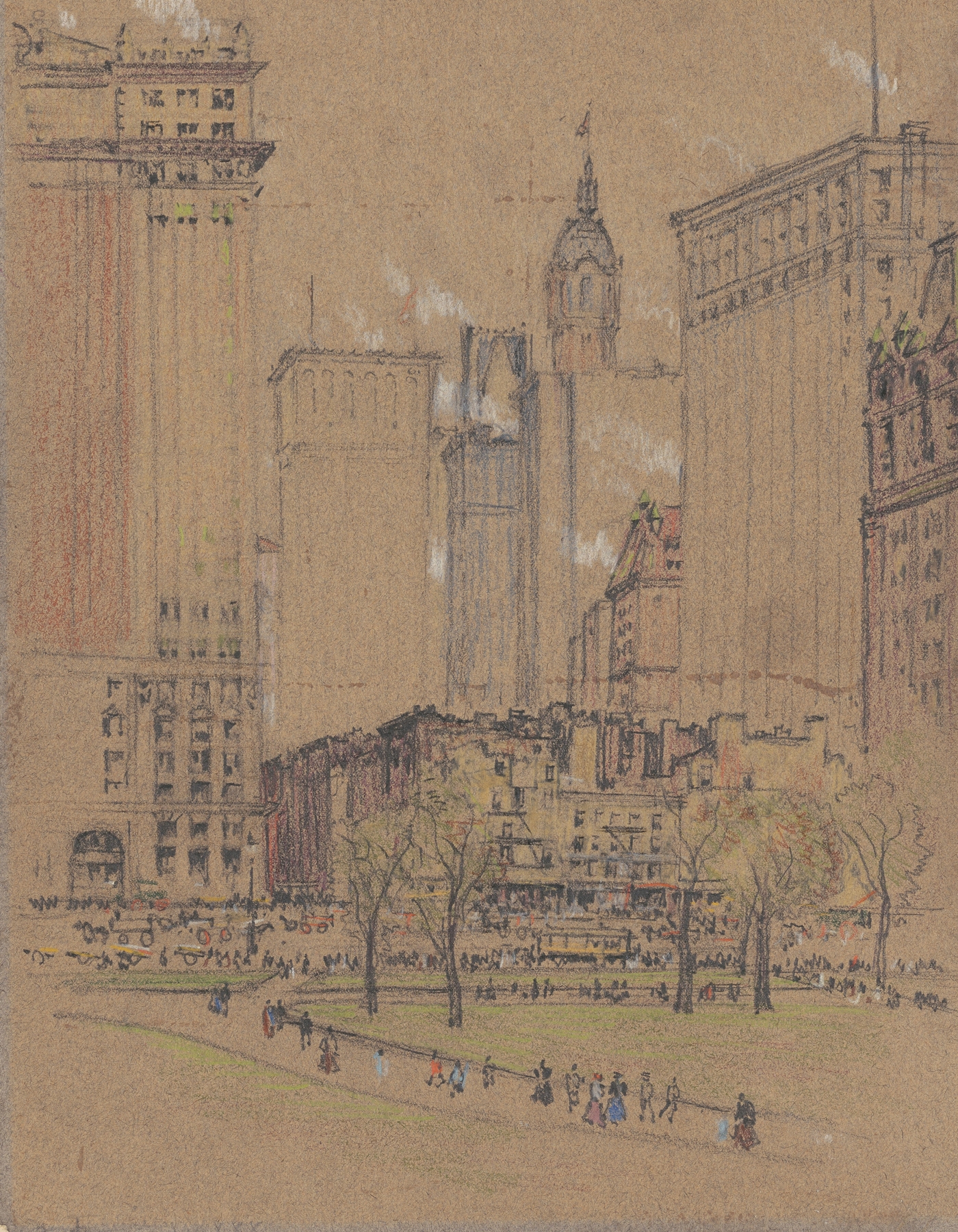
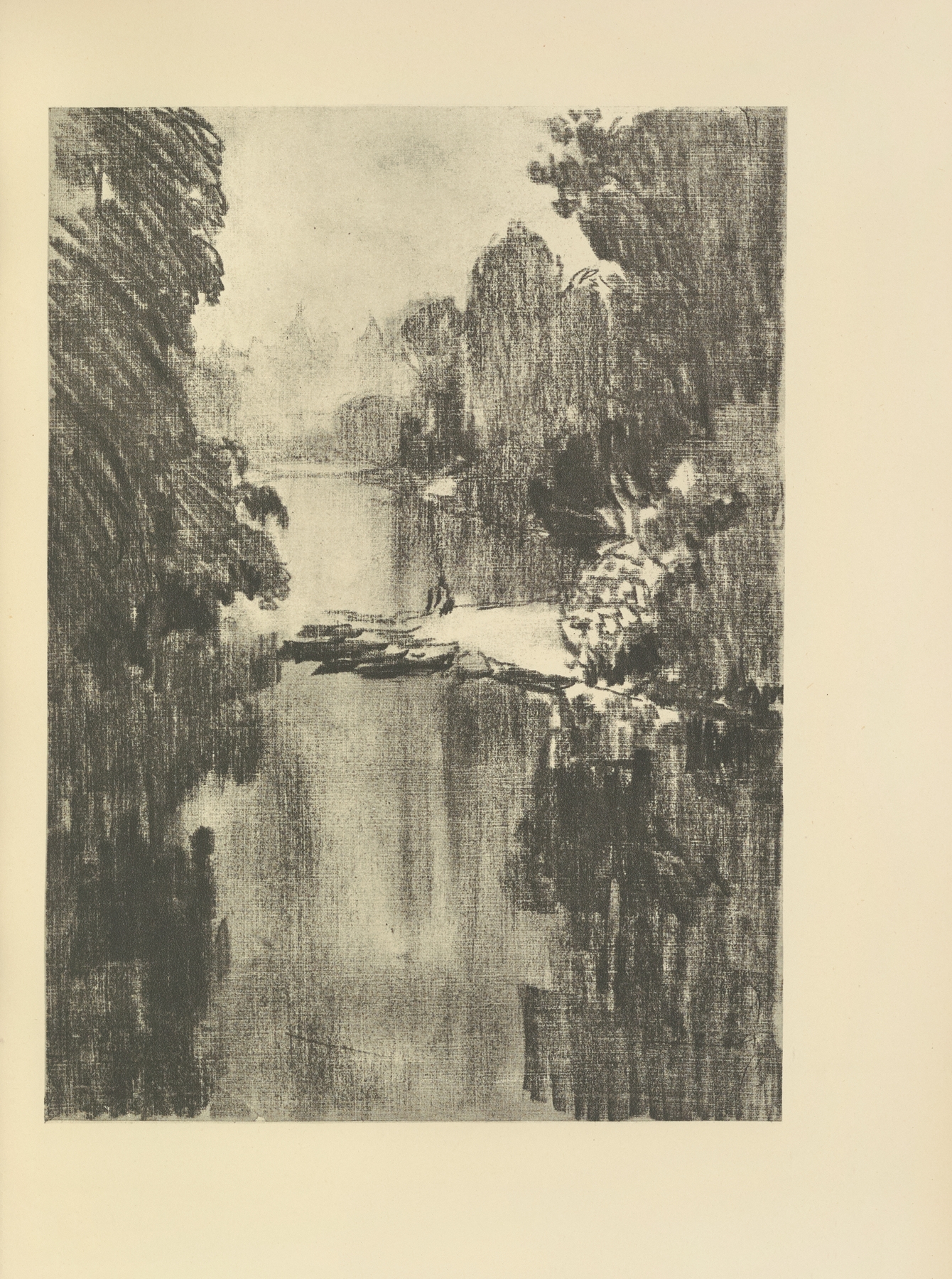
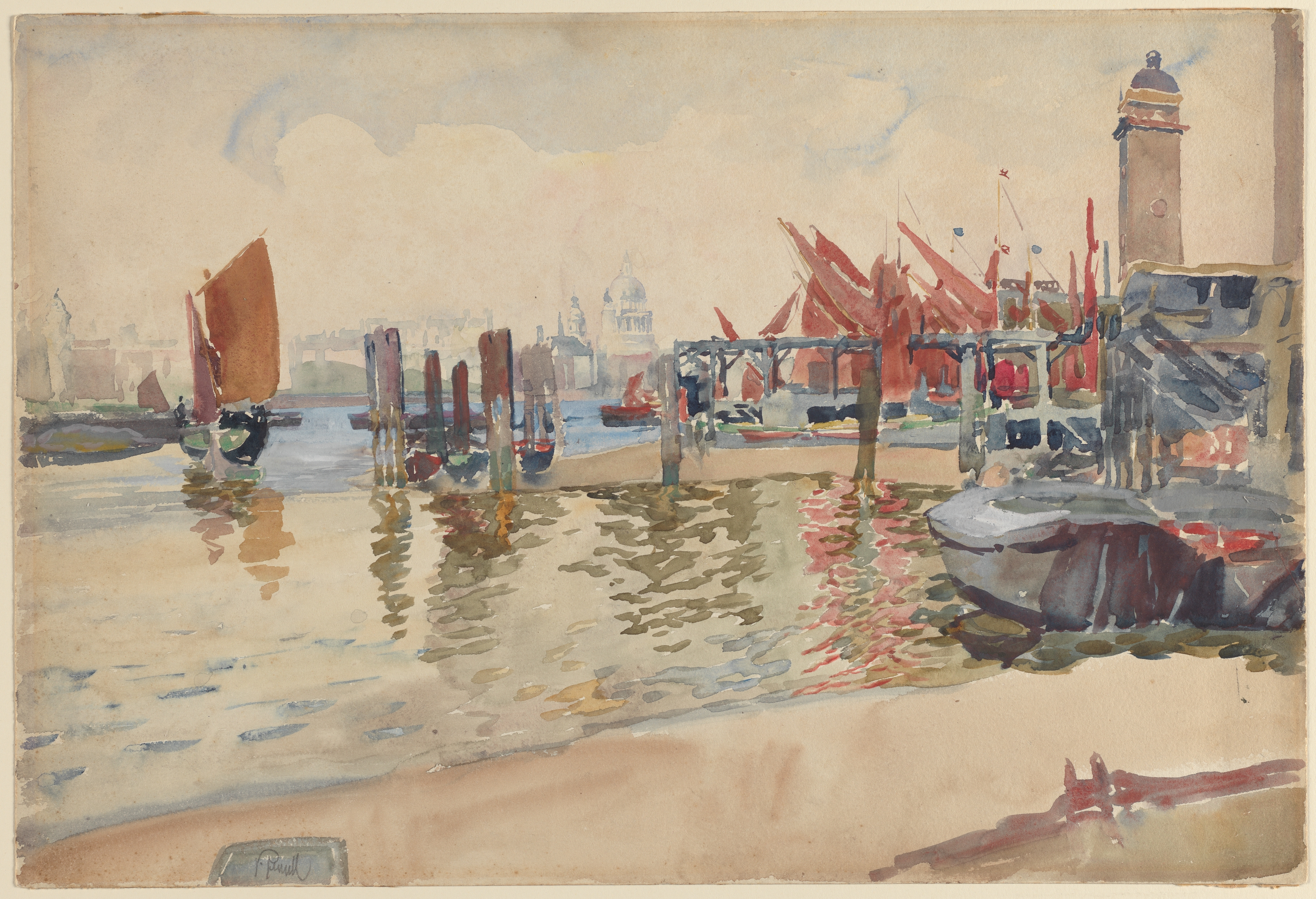
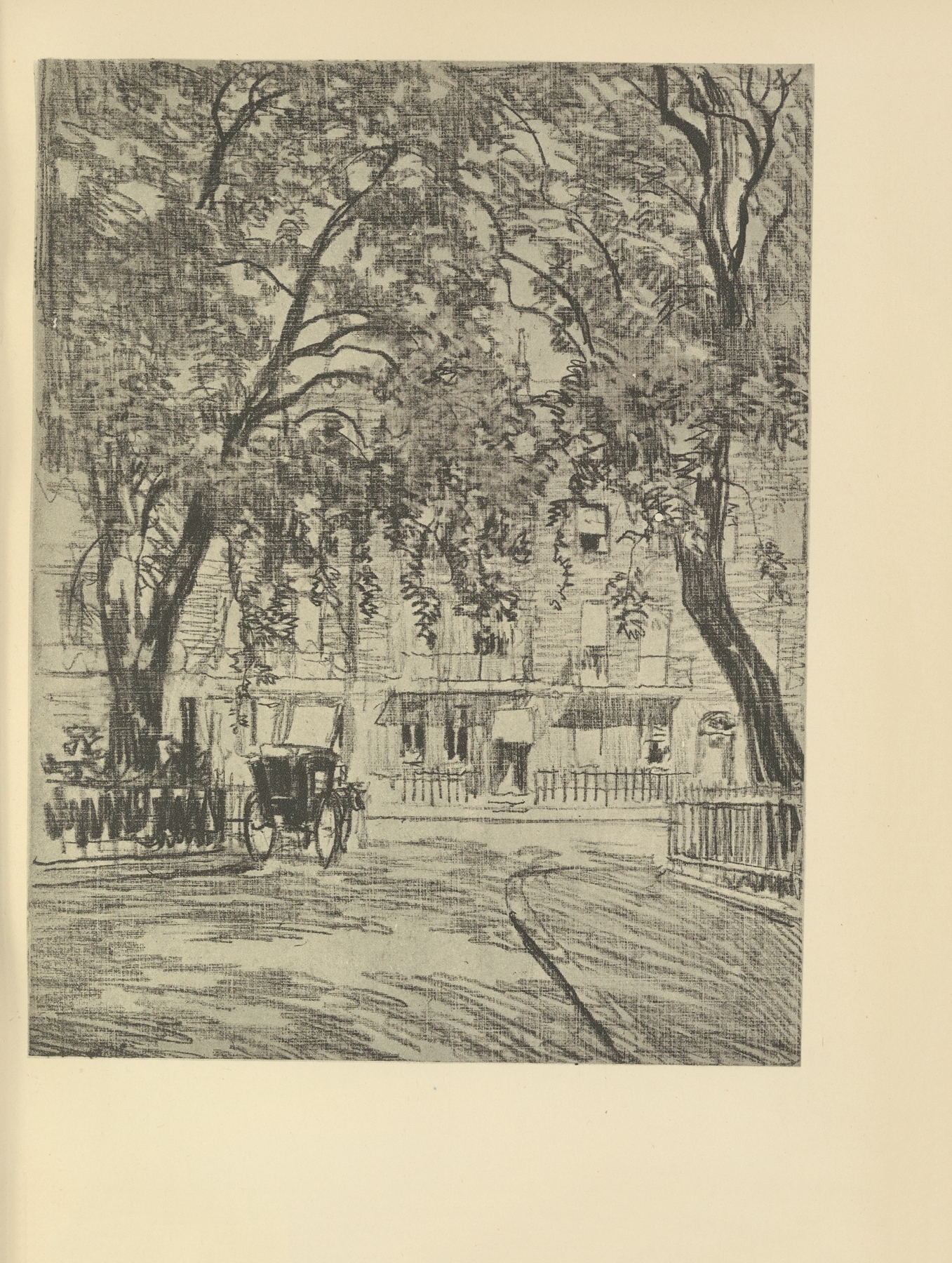
Could beauty survive in a century of chaos? In Cannon Street Station, the answer unfolds through the intricate lines and dynamic forms that echo the pulse of a city in motion. Look to the foreground, where the grand, arching structures of the station rise like a symphony in steel. The interplay of light and shadow dances across the surfaces, revealing the meticulous details of the architecture. Notice how the dark, swirling clouds above contrast with the luminous glow of the station’s windows, creating a sense of anticipation and energy that electrifies the scene.
The artist’s use of graphite and wash breathes life into the otherwise static forms, capturing a moment that feels both fleeting and eternal. Yet, amid this bustling representation of modernity lies a profound emotional tension. The juxtaposition of the robust, industrial features against the ethereal quality of the skies hints at the fragility of human endeavor in an ever-changing world. Each line seems to vibrate with the unspoken stories of commuters, the echoes of their lives merging into the architecture that both shelters and serves them.
This duality reflects the ecstasy of progress, tempered by the weight of the age. Joseph Pennell created this work in 1928, immersing himself in the vibrant life of London during a period of rapid change and modernization. At this time, the world was experiencing the aftermath of World War I, and the art scene was shifting towards new forms of expression. His detailed renderings of urban landscapes reveal not only his technical skills but also his deep engagement with the evolving narrative of the city itself, capturing a moment of beauty amid the chaos of contemporary life.