Capri — History & Analysis
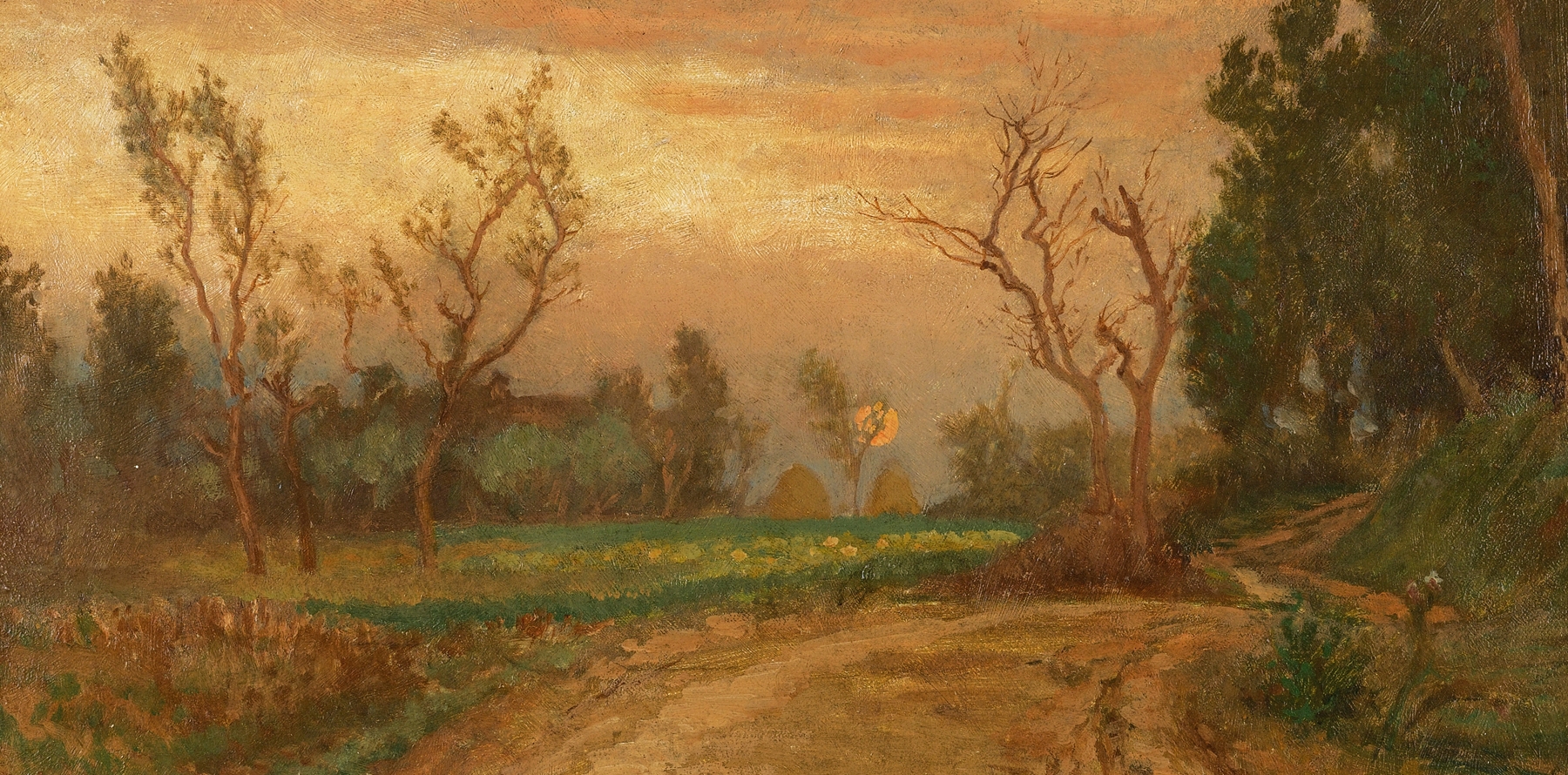
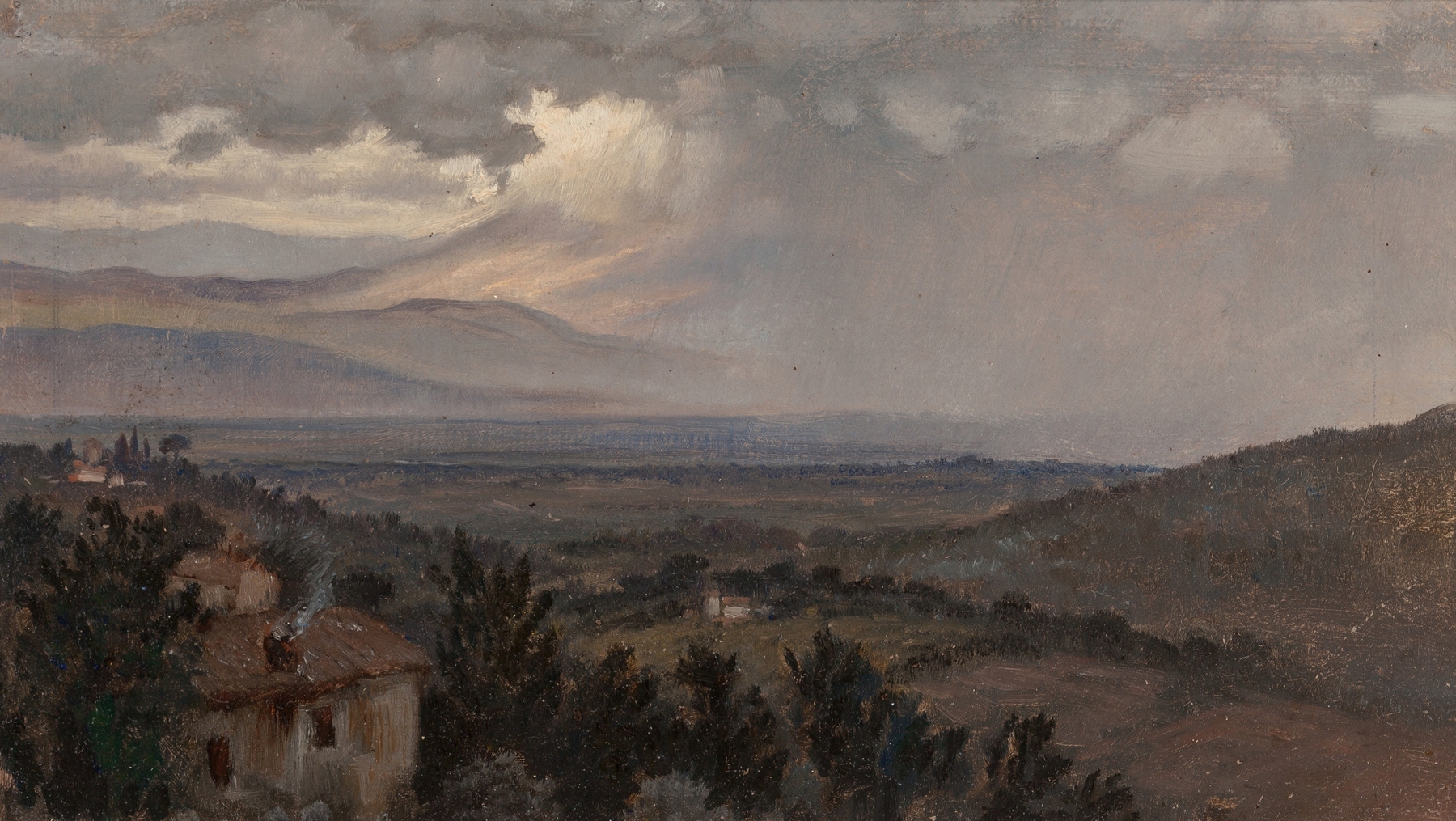
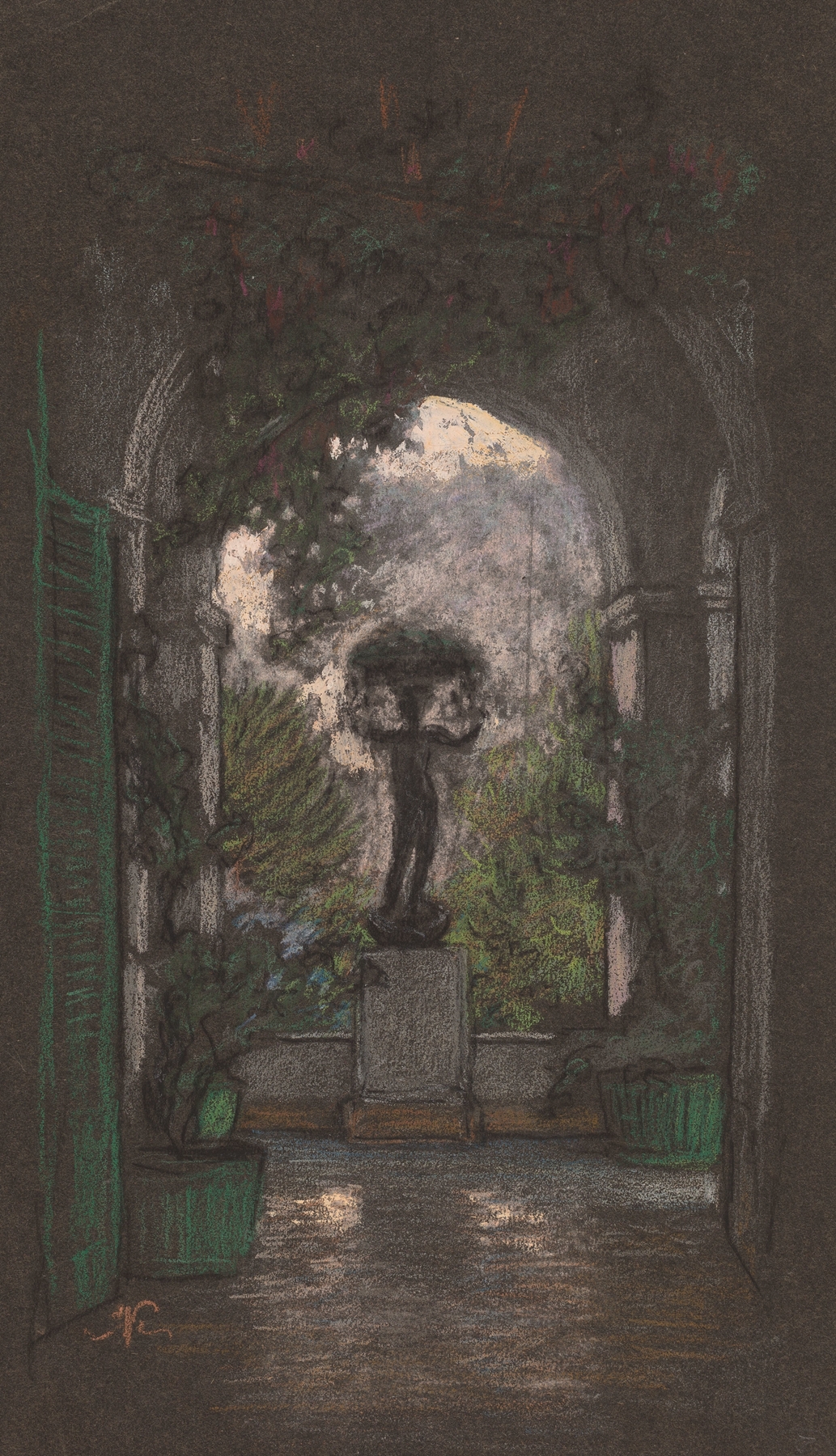
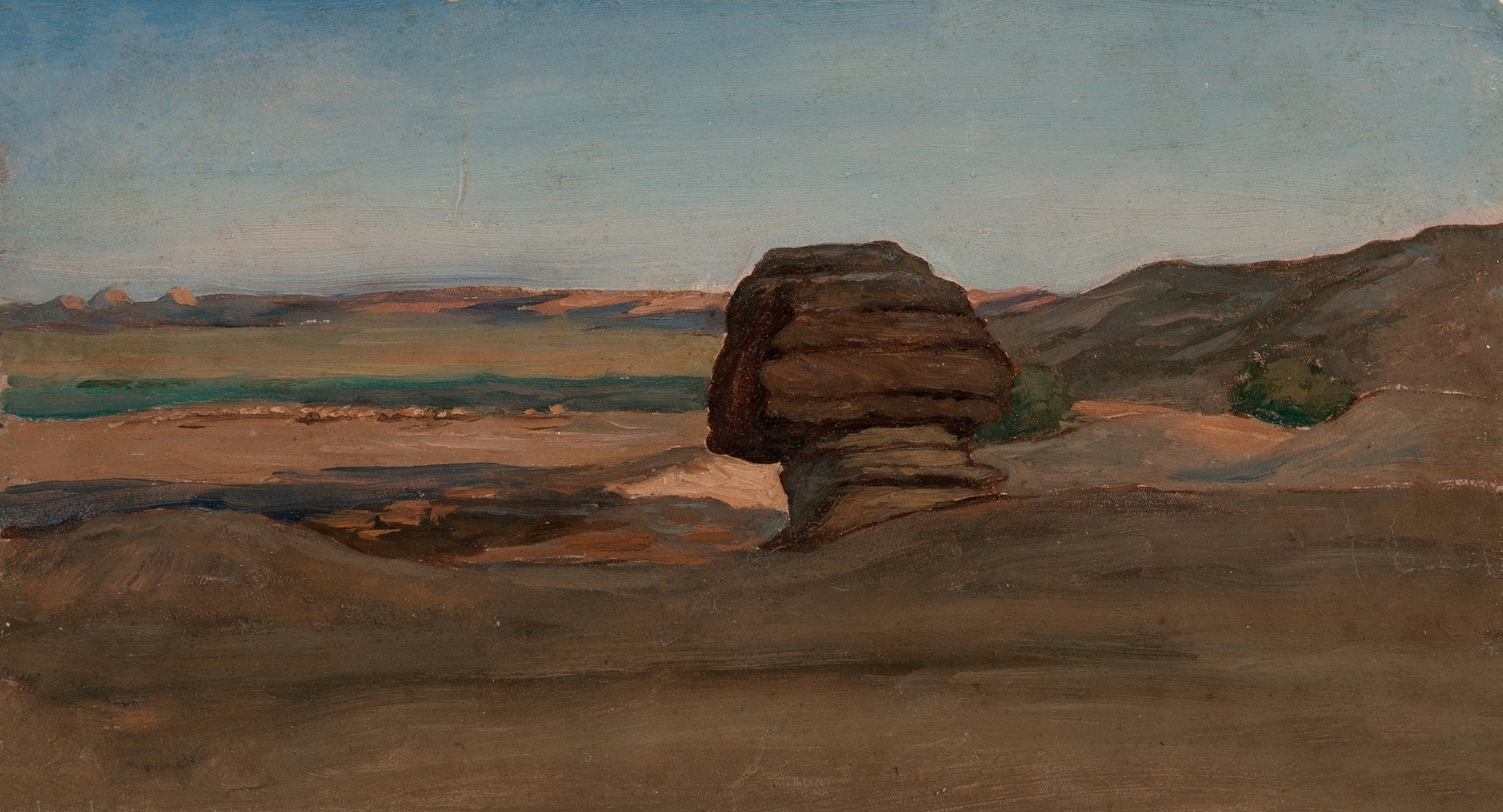
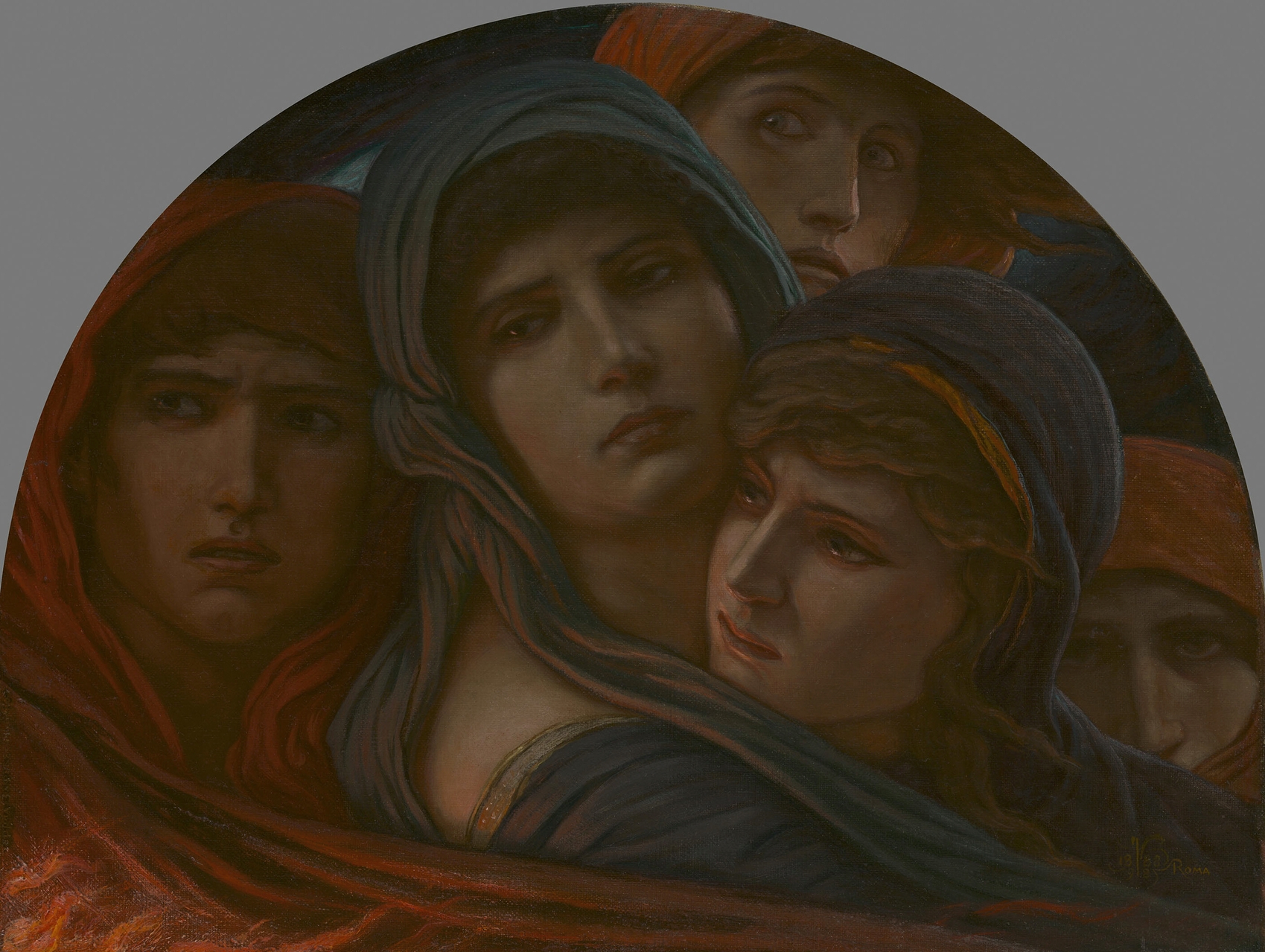
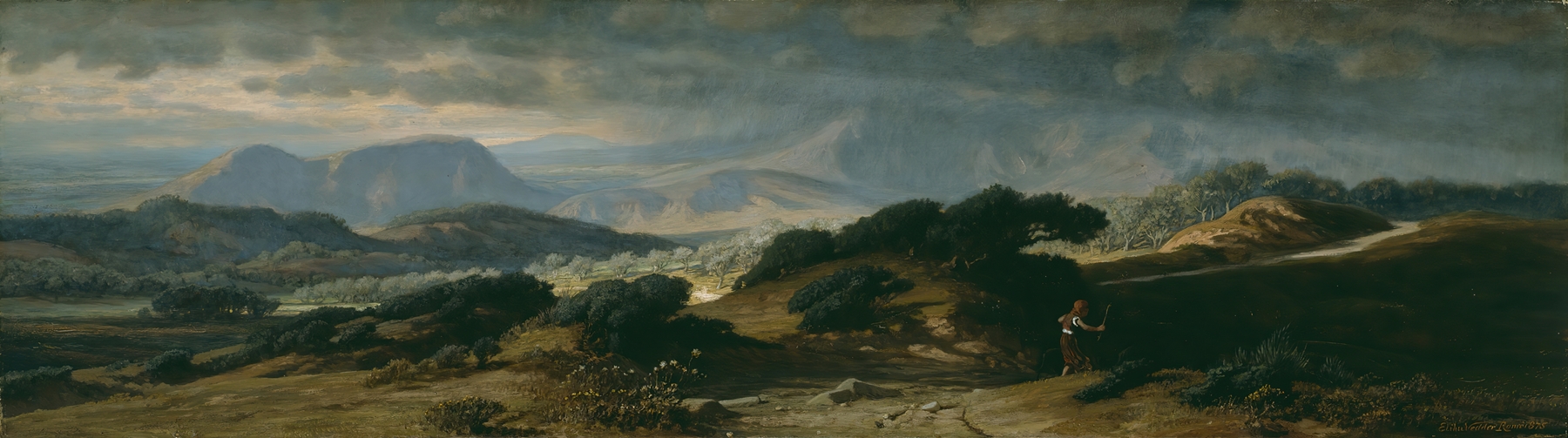
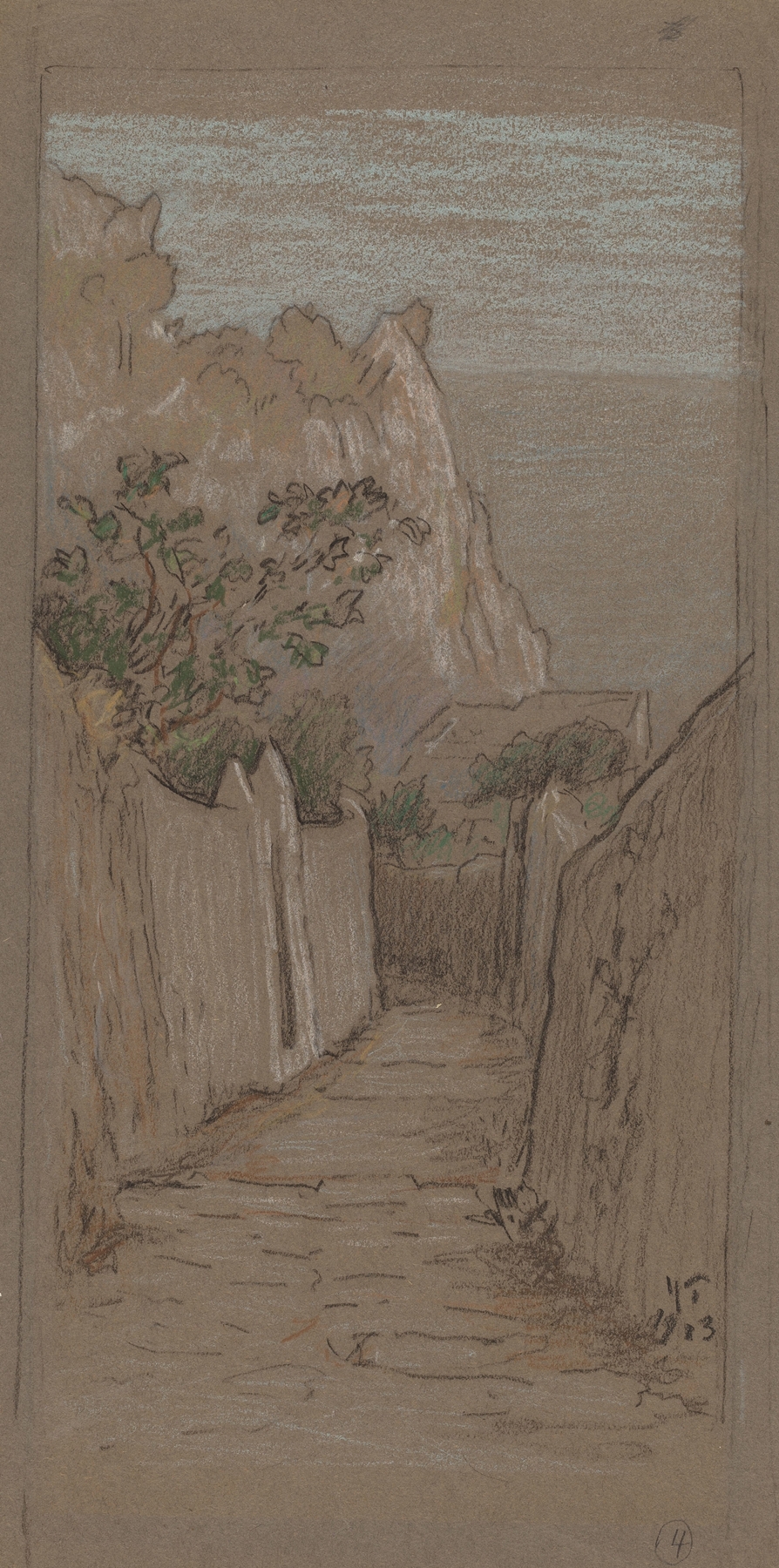
“Sometimes beauty is just pain, disguised in gold.” In the depths of memory, the interplay of joy and sorrow creates a tapestry rich with nuance. Focus your gaze on the luminous orbs of color that dance across the canvas, where brilliant hues of azure and sun-washed yellows merge seamlessly. Notice how the brushstrokes evoke a sense of fluidity, as if the very essence of Capri's landscape were captured mid-breath. The juxtaposition of the tranquil sea against the rugged cliffs draws you in, inviting contemplation of both serenity and solitude.
Delve deeper into the subtleties of the work, where the delicate balance between light and shadow reflects the duality of memory. Each element—from the whisper of the waves to the distant horizon—speaks of longing and nostalgia, encapsulating moments that feel both fleeting and eternal. The gold accents glimmer like shimmering fragments of a bygone time, hinting at the bittersweet nature of recollection.
Elihu Vedder painted this piece in 1913 during his time in Italy, a period marked by personal exploration and artistic evolution. At the time, Vedder was already an established artist whose work bridged romanticism and symbolism, deeply influenced by the mythos of the Mediterranean. The world was shifting, and as modernism began to take root, he remained captivated by the timeless beauty of locations steeped in memory—forever searching for the profound within the picturesque.