Umbrian Landscape, Italy — History & Analysis
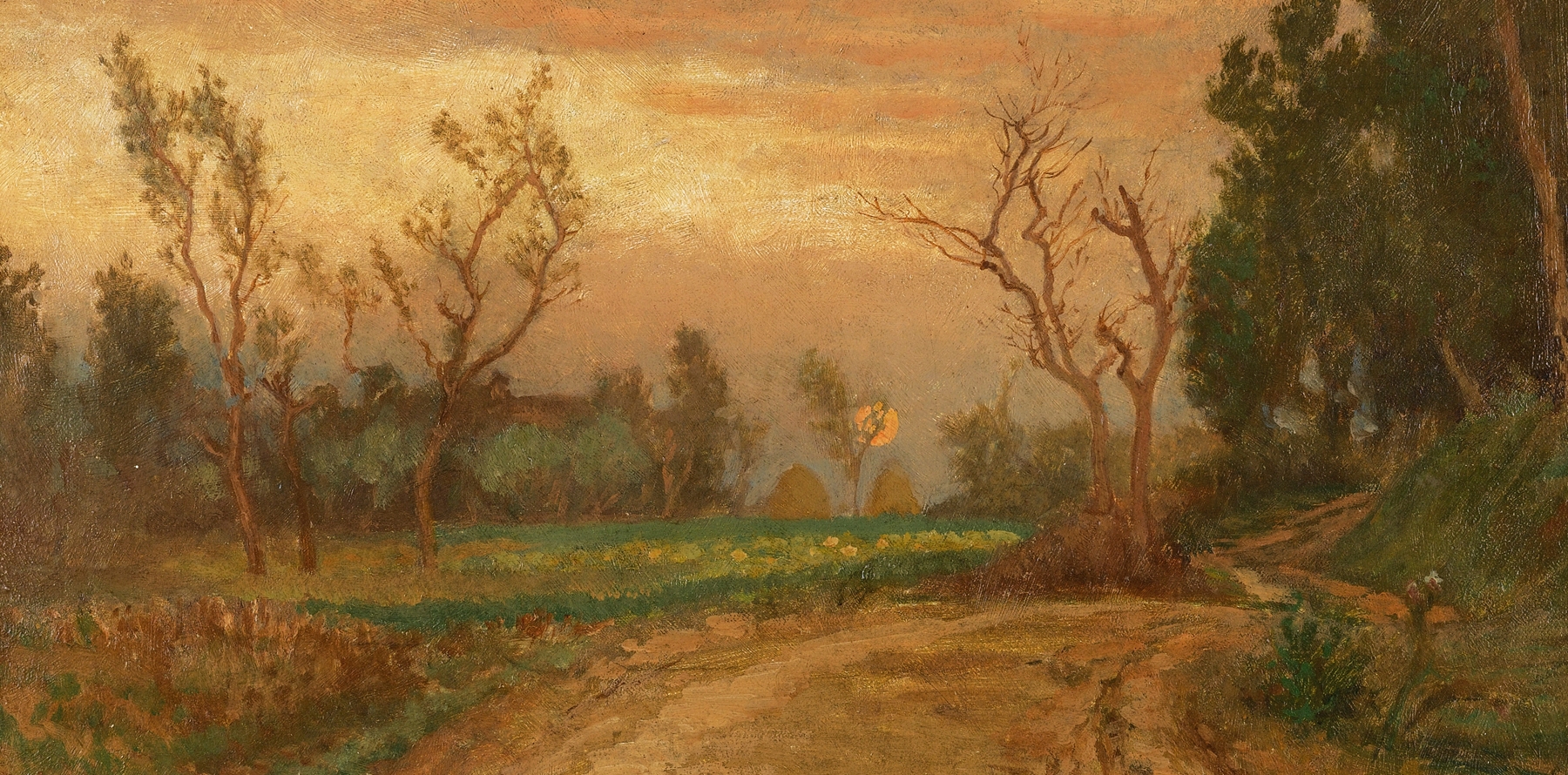
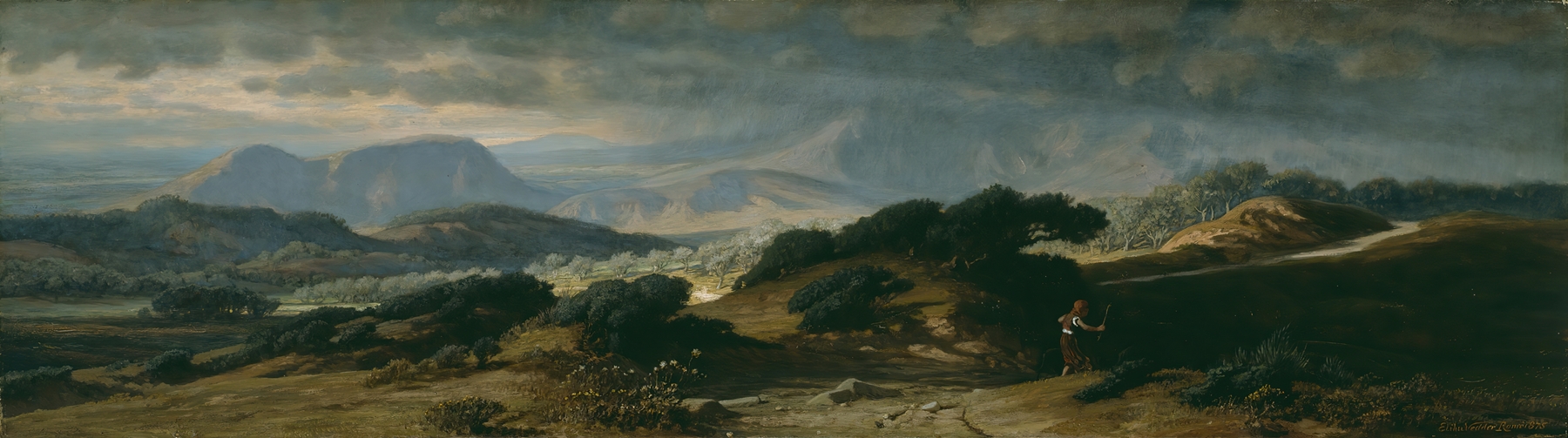
What if beauty was never meant to be finished? In the ethereal embrace of twilight, a landscape unfolds — a dream suspended in time, echoing the whispers of nature’s unseen forces. Look to the horizon, where soft, rolling hills blend seamlessly with the sky’s vibrant hues. There, the gentle strokes reveal a palette of greens and earth tones, kissed by the gold of a fading sun.
Notice how the artist masters light, allowing it to dance across the scene, illuminating wildflowers dotting the foreground and casting shadows that deepen the valleys. Each brushstroke breathes life into the canvas, creating an atmosphere that is both serene and teeming with possibility. The juxtaposition of light and shadow speaks to a deeper conversation between transient beauty and the passage of time. Hidden within the cascading hills are subtle hints of life — a winding path perhaps suggesting a journey yet to unfold, or the delicate outline of trees that stand as silent witnesses.
The overall composition encourages contemplation, inviting one to ponder the fleeting moments that create the tapestry of existence. Elihu Vedder created this evocative piece during a period marked by a growing interest in naturalism and the Symbolist movement. While the exact date remains unknown, Vedder's time in Italy, surrounded by the rich landscapes he admired, fueled his artistic expression. The work reflects his exploration of dreams and the spiritual connection to nature, aligning with the broader artistic currents of the late 19th century.