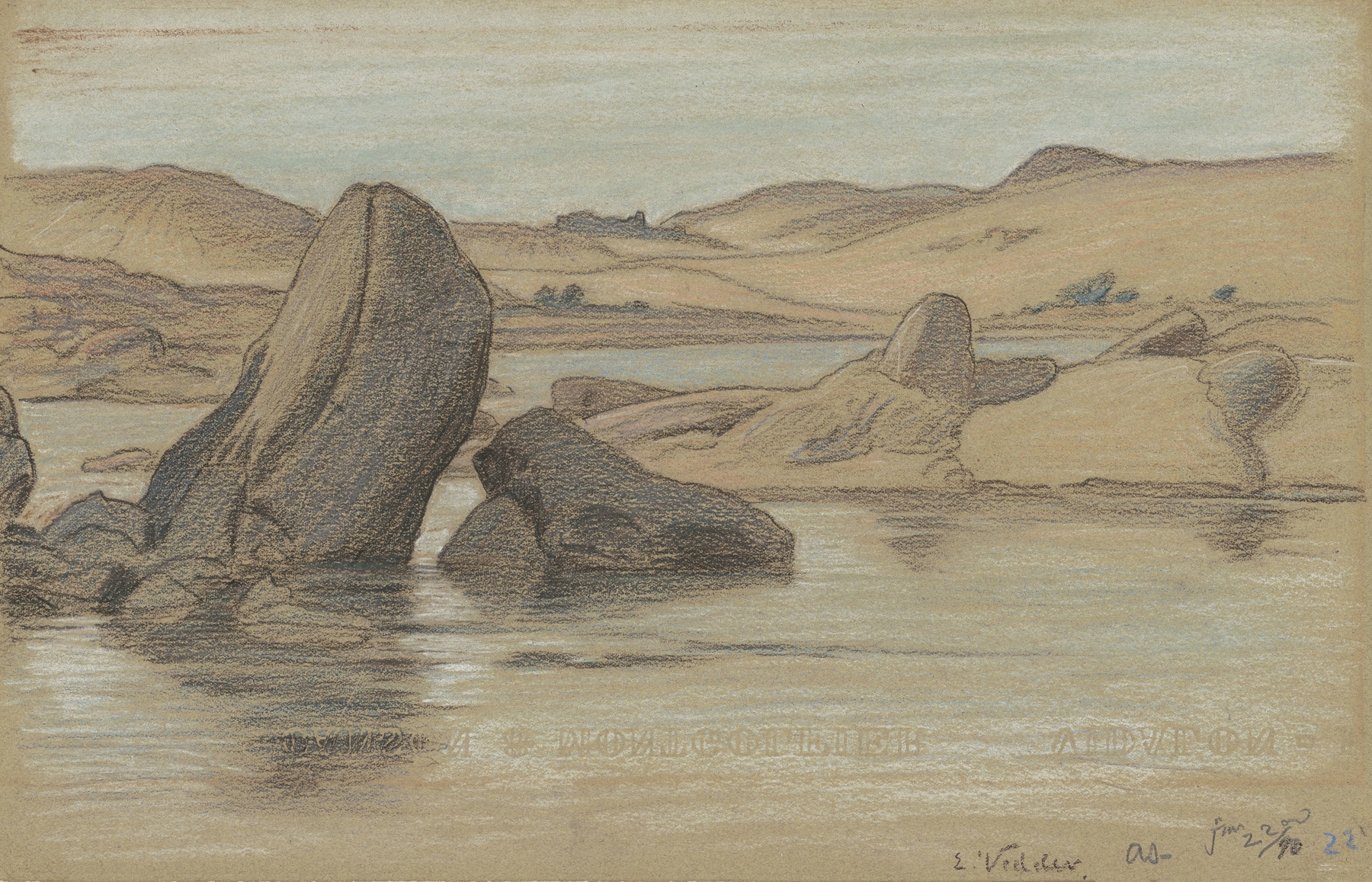
The Shipwreck — History & Analysis
Can beauty exist without sorrow? In the haunting depths of The Shipwreck, one is drawn into a realm where nostalgia intertwines with the inevitability of loss, evoking profound reflections on the fragility of existence. Look to the center of the canvas, where the crumbling ship lies half-submerged, its once-mighty form now a ghostly silhouette against the tumultuous waves. The muted palette of grays and blues mirrors the somber atmosphere, while ethereal brushstrokes create a sense of movement, suggesting the relentless pull of the ocean.
Notice how the light flickers through the billowing clouds, casting eerie shadows that dance over the wreckage, symbolizing both despair and the fleeting beauty of life caught in a moment of decay. Delve deeper into the details, and you’ll find elements that reveal emotional tensions—the fragility of the ship, battered yet resilient, represents human ambition in the face of nature’s unforgiving power. The distant horizon hints at hope and the unknown, while the swirling waves threaten to engulf the remnants of a journey interrupted.
Each detail whispers the story of nostalgia, of dreams unfulfilled and memories of a past that continue to haunt the present. Created around 1880, this piece emerged during a time when Elihu Vedder was deeply engaged with themes of symbolism and the subconscious, reflecting a broader movement in the art world that sought to explore emotional depth and introspection. Working in his studio in Rome, Vedder was influenced by the changing tides of modern thought, as artists began to shift focus from mere representation to the complexities of the human experience.