The Sphinx — History & Analysis
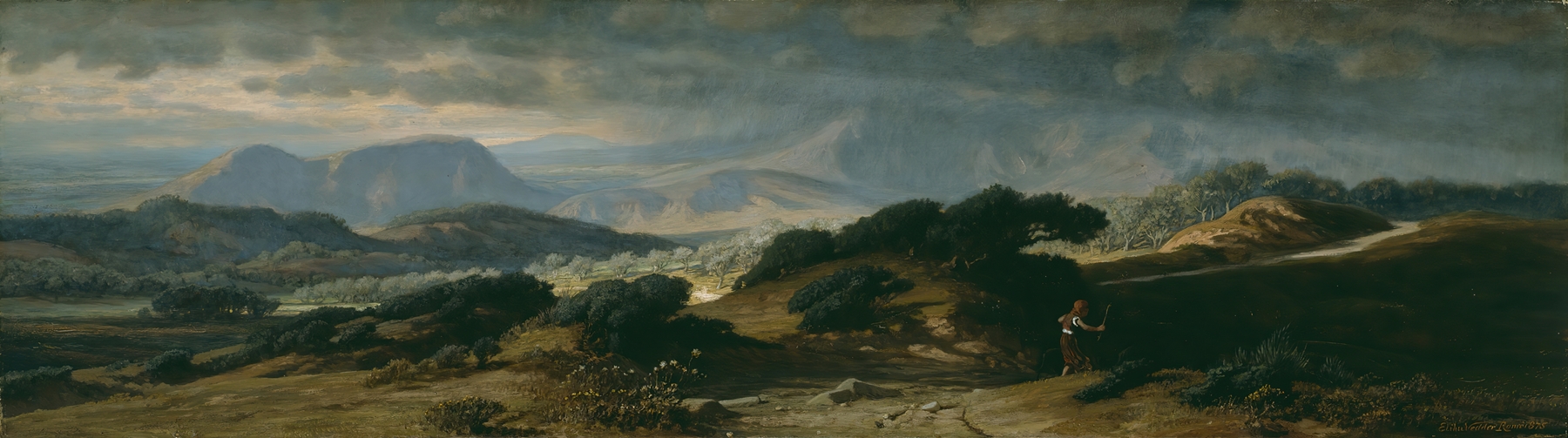
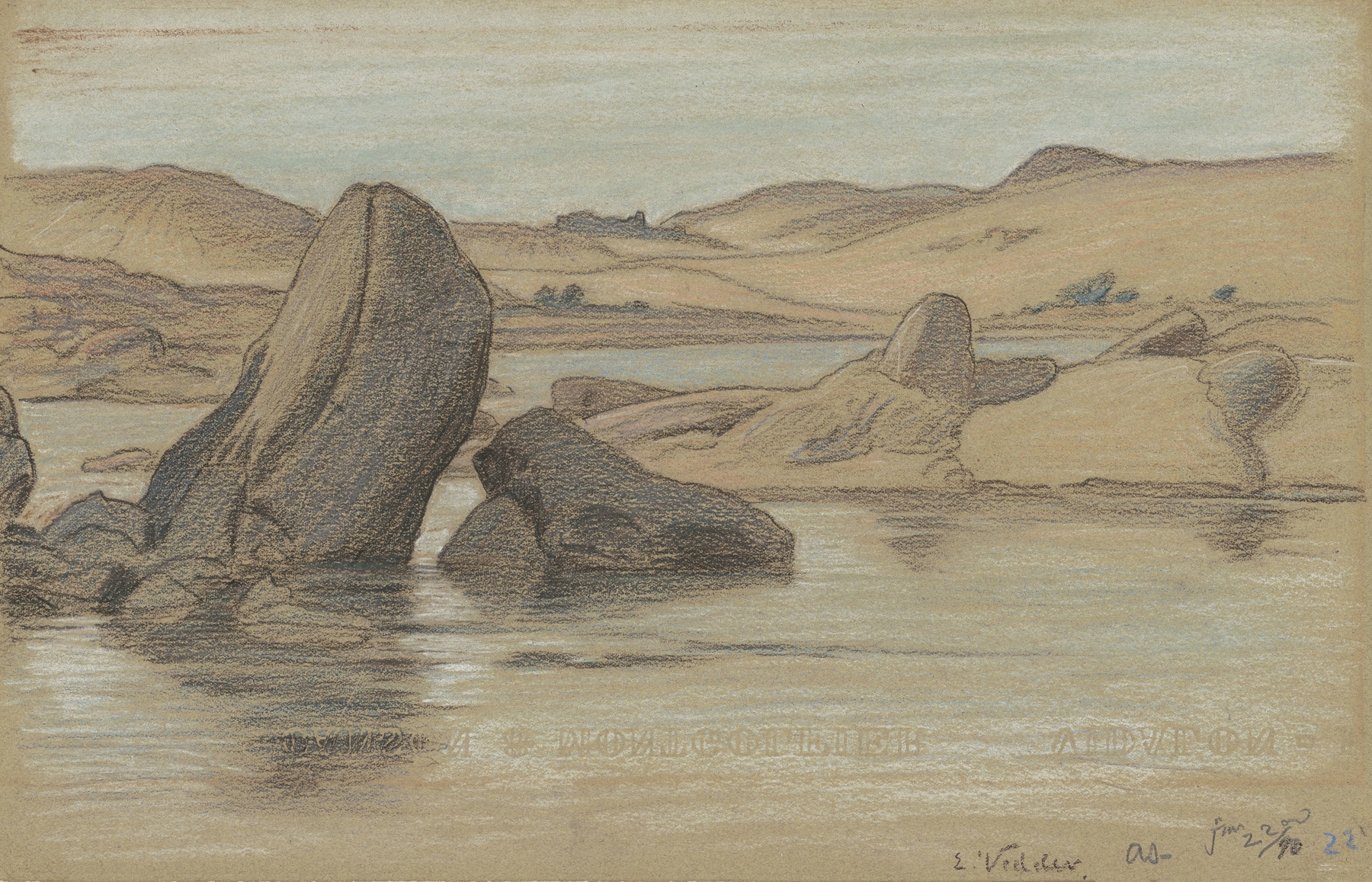
“The canvas doesn’t lie — it simply waits.” In the quiet stillness of creation, obsession takes shape, demanding our attention and reflection. The intricate details of the work resonate with an underlying tension, inviting us to delve deeper into the artist’s psyche and the mysteries embedded within. Look to the center of the painting, where a sphinx reclines with an enigmatic gaze, set against a backdrop of swirling, ethereal colors. Notice how the golden ochres merge seamlessly with deep blues, creating a dreamlike atmosphere that suggests both revelation and concealment. The textures of the brushstrokes echo the ruggedness of ancient stone, while softer outlines suggest the fleeting nature of thought — a paradox of permanence and impermanence.
Details such as the subtle highlights on the sphinx's face captivate, evoking both admiration and unease. The juxtaposition of the sphinx's stillness and the tumultuous background embodies the tension between knowledge and ignorance. Her inscrutable expression reflects humanity’s eternal quest for understanding in the face of the unknown. The choice of colors mirrors a duality of light and darkness, where enlightenment comes at the cost of confronting the shadows of our own obsessions.
Each element invites viewers to ponder the deeper meanings of existence, knowledge, and the price we pay for enlightenment. Created in 1890, this piece emerged during a period of profound exploration in Vedder’s life. Living in Rome, he was captivated by the ancient past and the spiritual dimensions of art. At this time, the artist was deeply engaged with themes of mythology and humanity's connection to ancient wisdom, which resonated strongly in the context of a world grappling with rapid modernization and existential uncertainty.