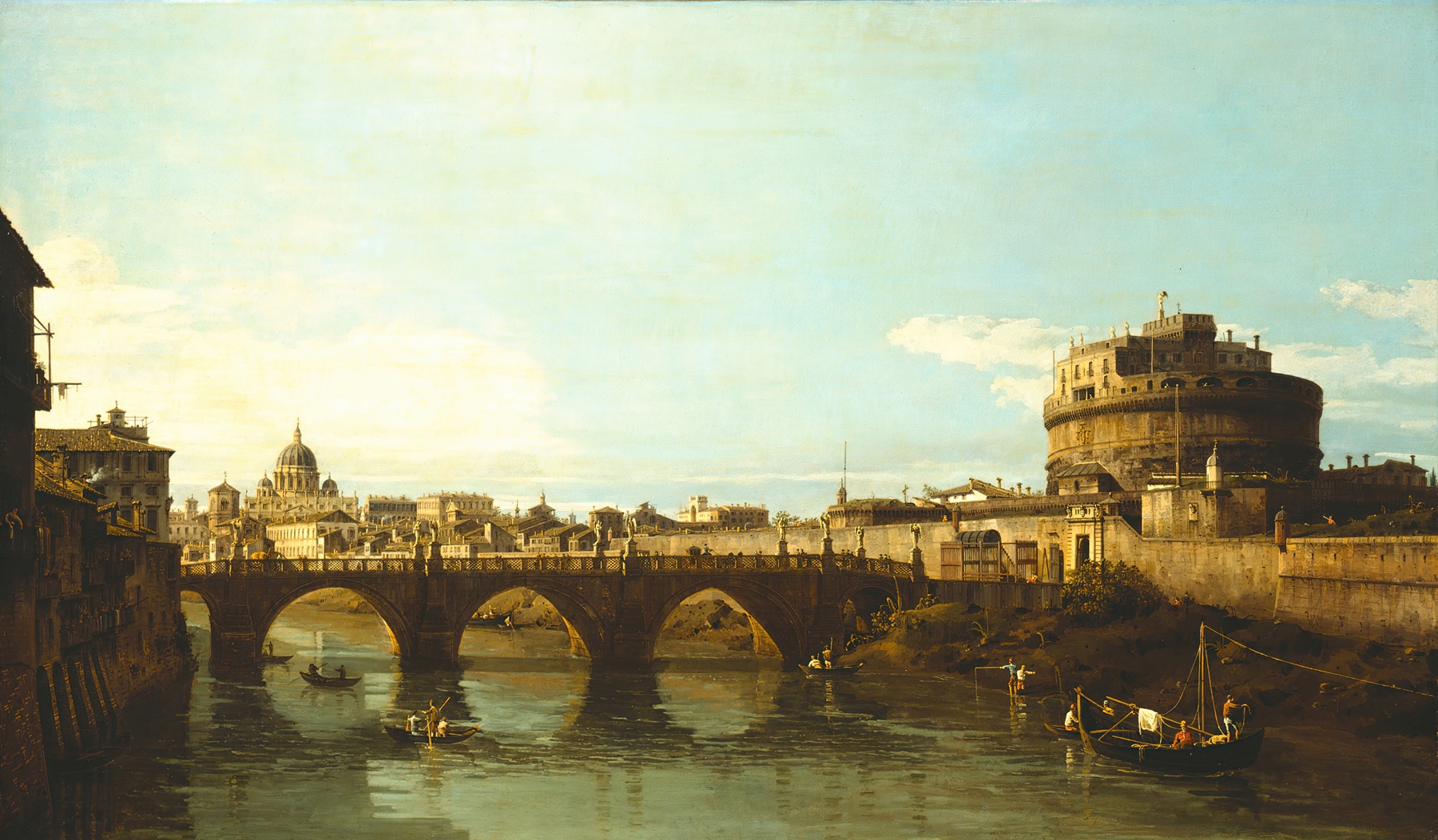
Capriccio with Roman monuments, including the Castel Sant’Angelo and Saint Peter’s — History & Analysis
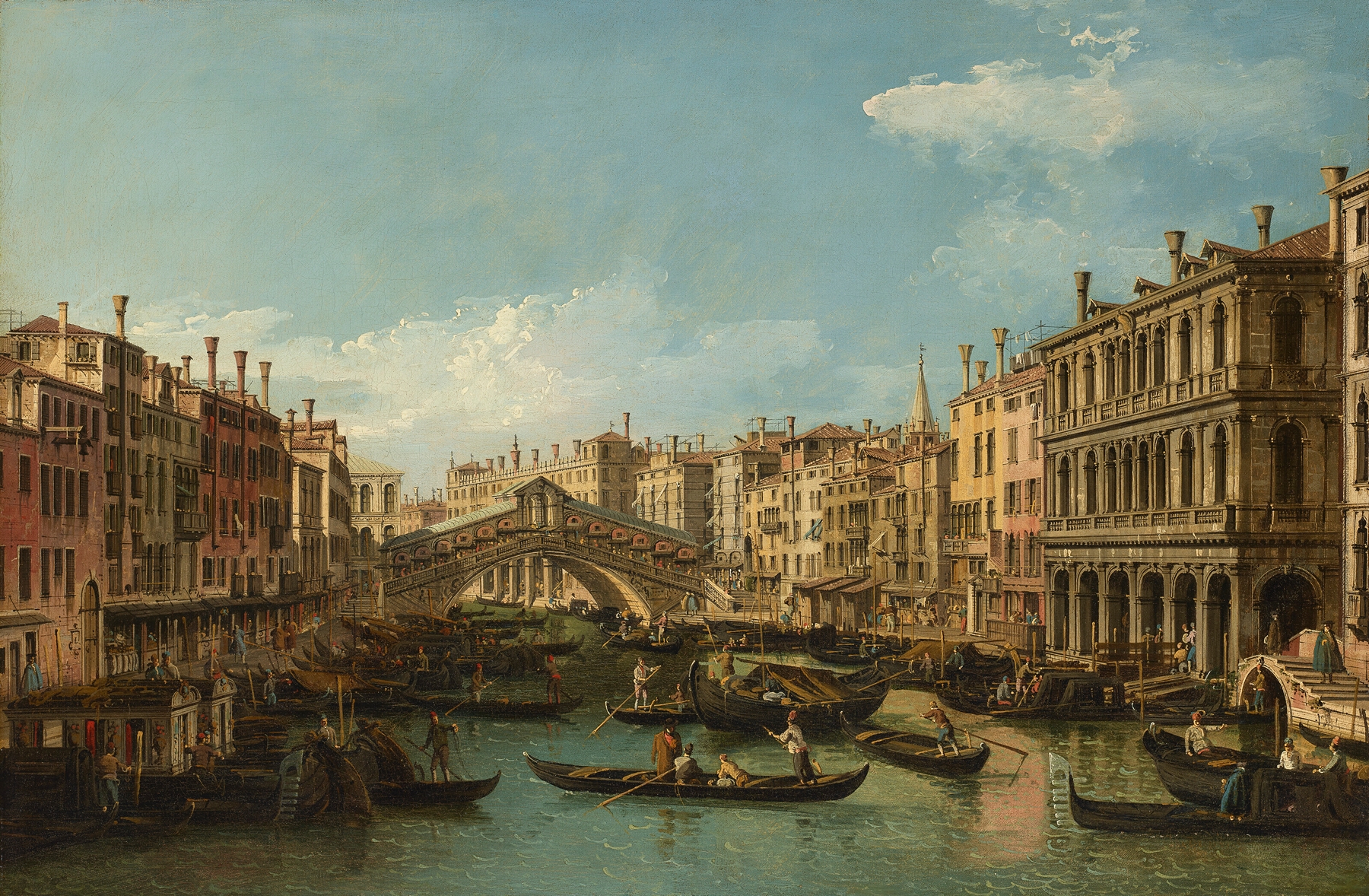
“Sometimes beauty is just pain, disguised in gold.” In the shimmering glow of an ancient city, divinity and ruin intertwine, echoing through time and space. Look to the center of the canvas where the majestic Castel Sant’Angelo stands, its imposing structure rising against the backdrop of a deep azure sky. The warm, golden light bathes the ruins of Roman monuments, casting intricate shadows that dance across the cobblestone paths. Notice the way the artist intricately details each stone, the meticulous brushwork reflecting a celebration of grandeur yet anchored by an air of melancholy, as if these remnants whisper stories of a bygone era.
Delve deeper into the juxtaposition of the vibrant life of the busy figures occupying the foreground against the stillness of the aged architecture behind them. The interplay of light and shadow highlights the transient nature of humanity, capturing a snapshot of existence set against the eternal beauty of these ancient structures. In every arch and dome, one can sense a longing for the past, as the viewer grapples with the dissonance between transcendent beauty and the inevitable decay that time brings.
Bernardo Bellotto painted this work during the mid-18th century, a time marked by the grandeur of the Baroque style and the burgeoning fascination with the classical past. Living in Venice, he was part of a vibrant community of artists and intellectuals exploring the intersections of art, history, and architecture. This piece reflects both his personal artistic journey and the broader cultural currents of an age that revered the divine while quietly mourning the fragility of human achievement.