View of Pirna in Saxony — History & Analysis
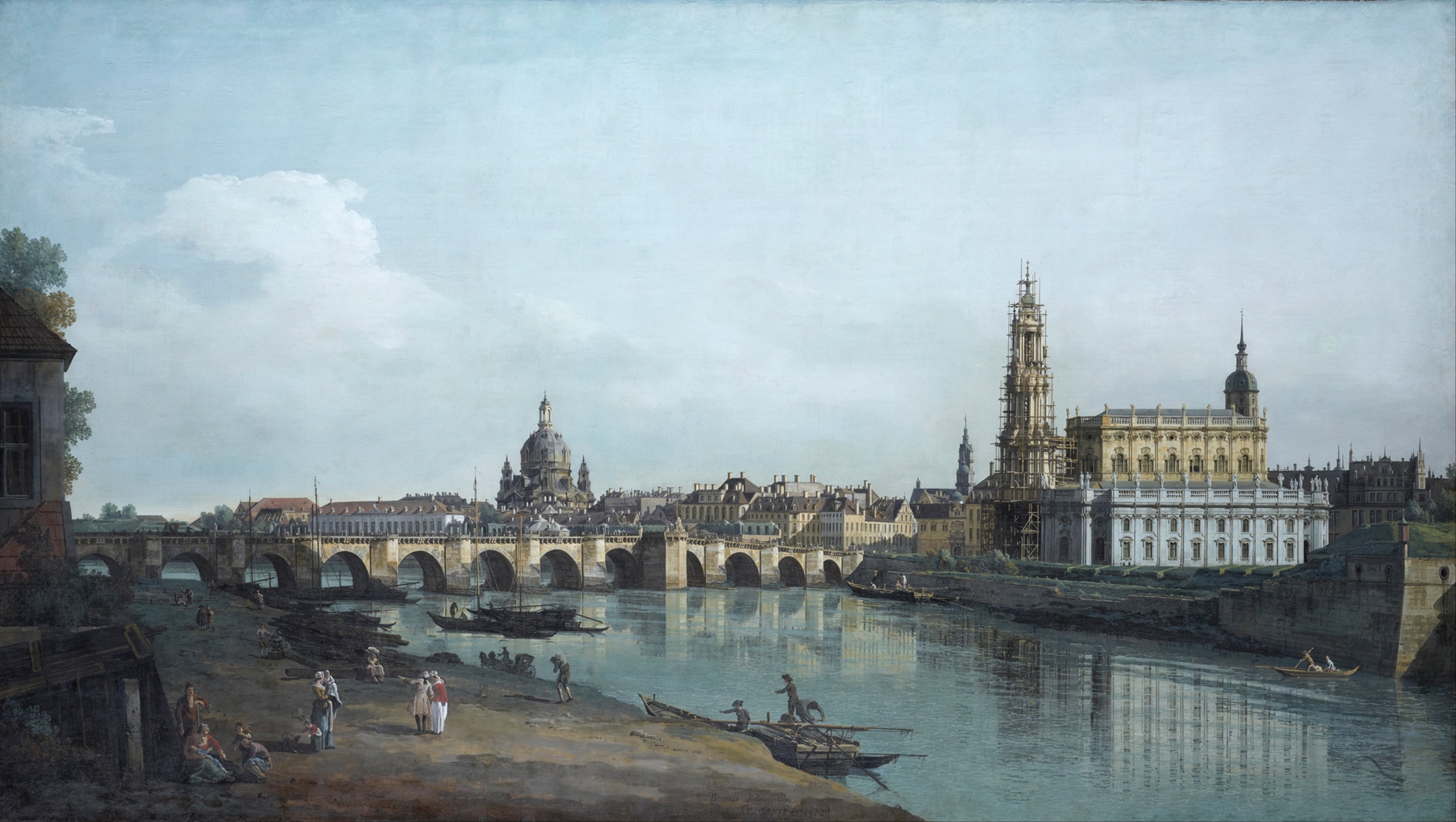
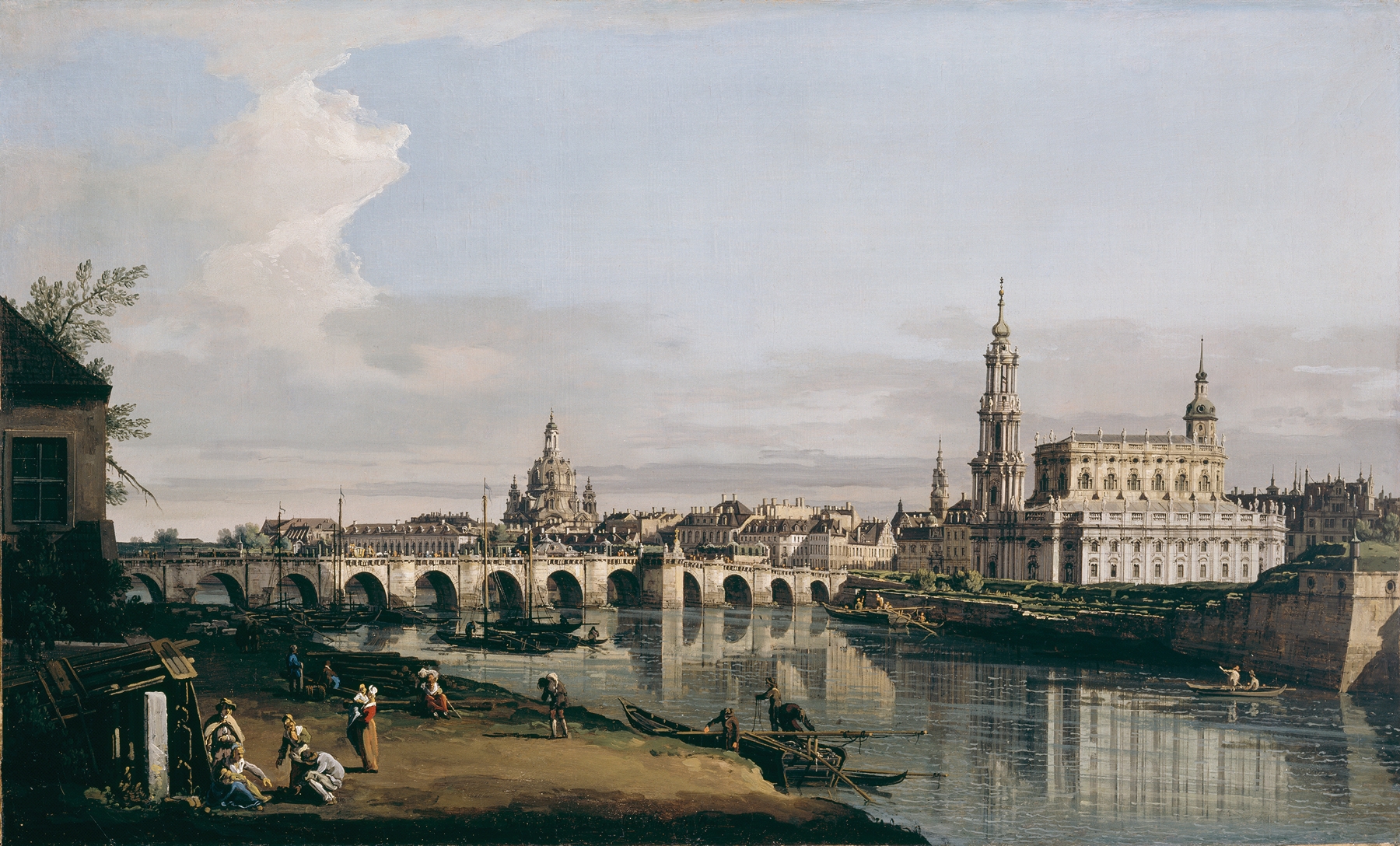
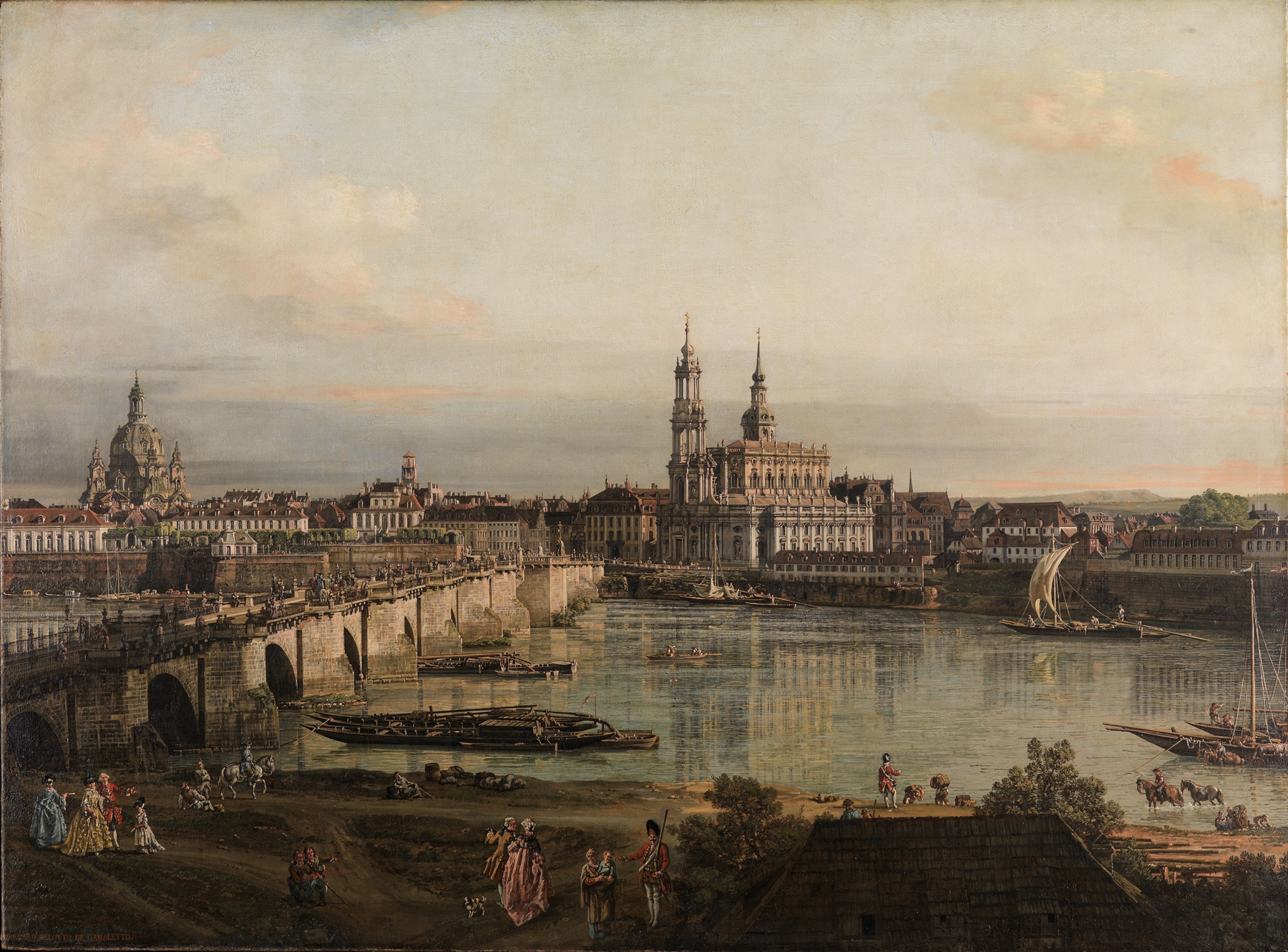
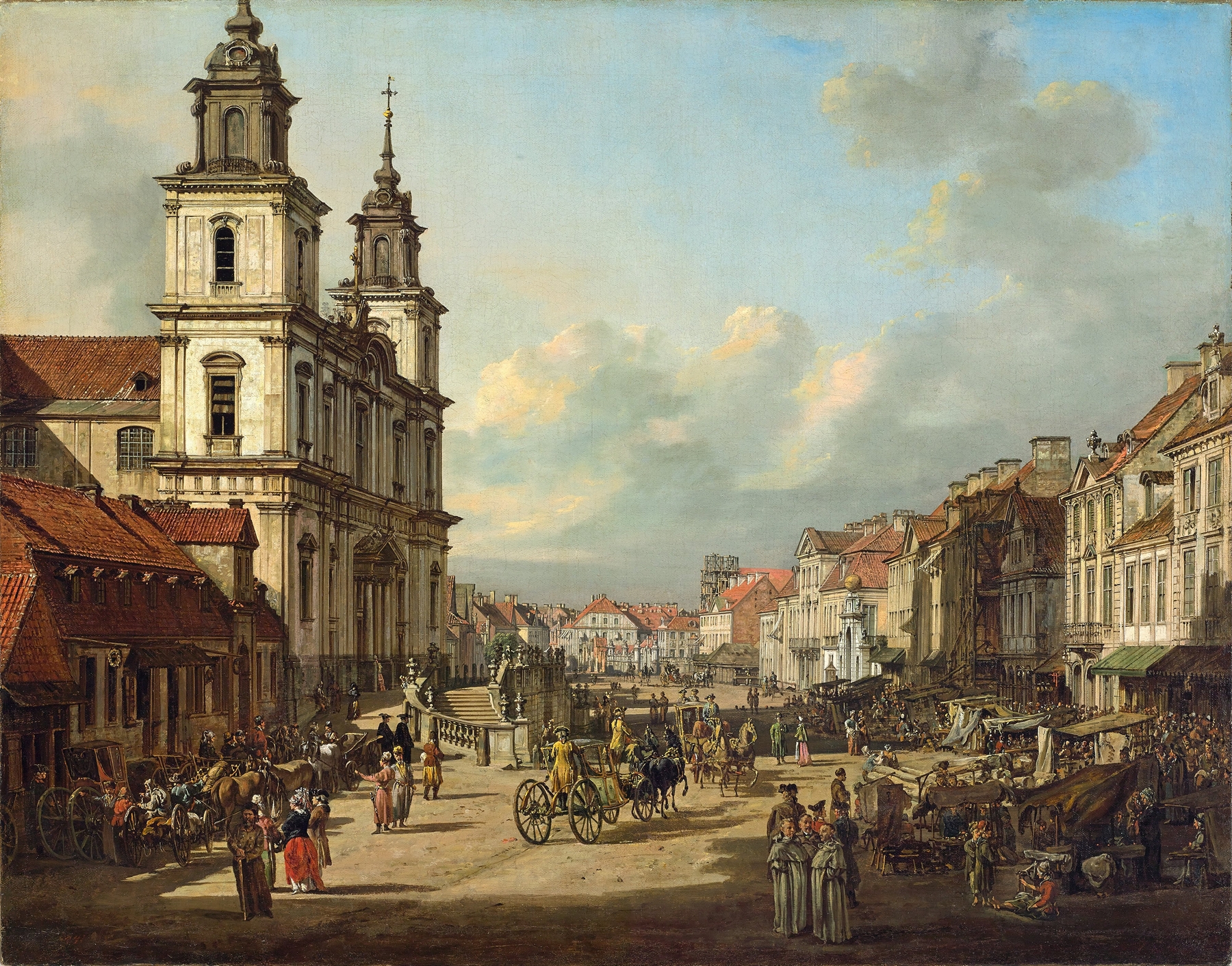
“The canvas doesn’t lie — it simply waits.” In the stillness of a tranquil moment, reflections can unveil deeper truths, capturing the essence of a place and its story. Look to the left at the elegant architecture framed against the sky, where domed roofs rise in quiet harmony. The cool palette of blues and grays intricately merges with the warm ochres of the sunlit buildings, creating an inviting contrast that draws the eye. Notice how light dances across the water, mirroring the scene and crafting a sense of serenity, while the gentle ripples break the perfect symmetry of the reflection, suggesting an underlying ebb and flow of life.
Beneath the surface beauty lies a dialogue between the natural and the manmade. The calm of the water hints at a stillness that belies the historical turmoil of the region, while the towering mountains in the background loom protectively, embodying both strength and isolation. This juxtaposition of tranquility and latent tension invites viewers to ponder the stories untold, the lives lived beneath these structures and above the rippling surface.
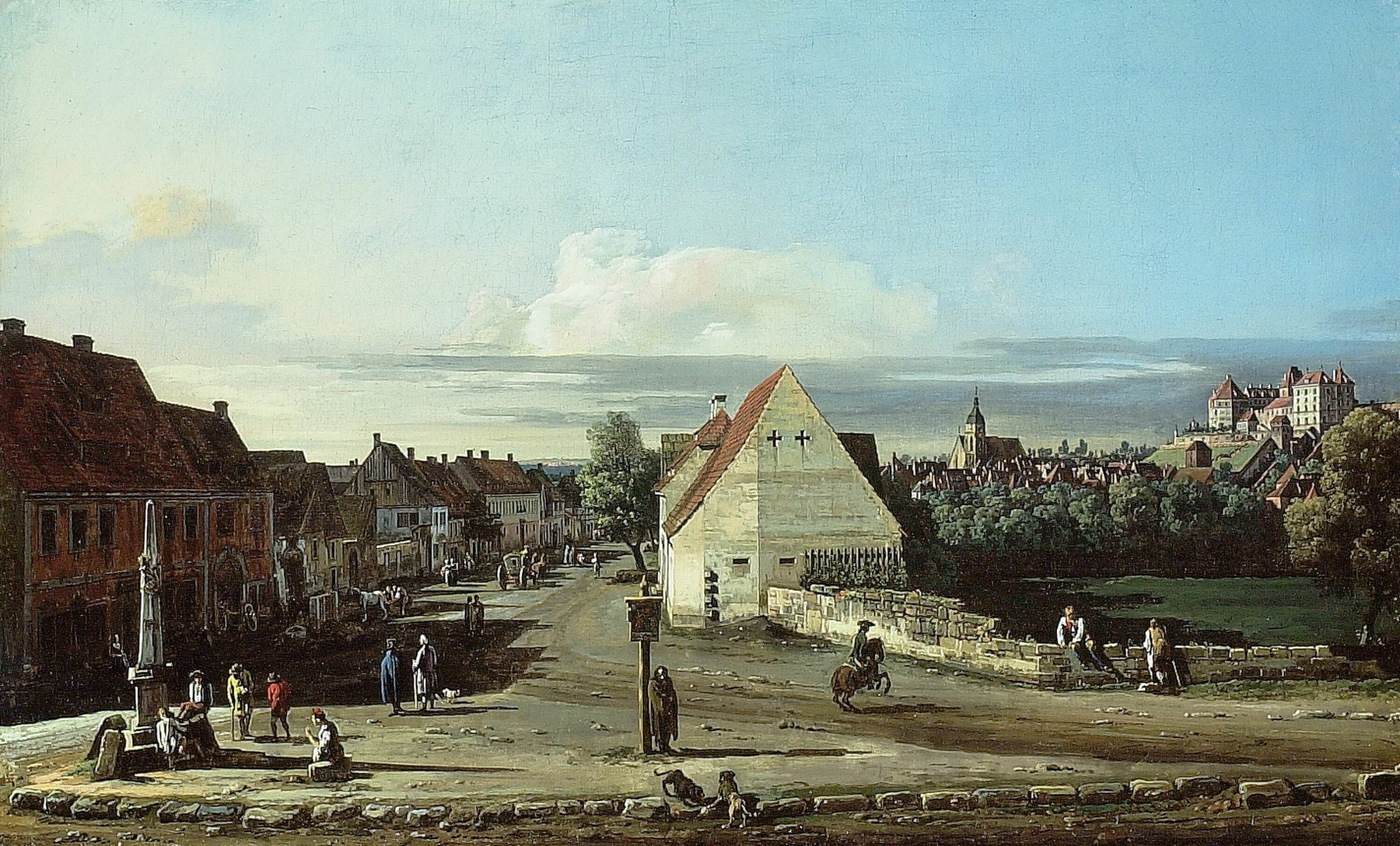
In this period, Bernardo Bellotto was working in the 18th century, deeply influenced by the burgeoning Rococo style and the evolving trends of landscape painting. As a prominent Venetian painter, he painted this work during his time in Saxony, a region marked by the remnants of conflict and the search for peace. His keen observational skills and mastery of perspective reflect not only his artistic acumen but also the dramatic shifts in Europe as it transitioned from baroque grandeur to a more serene, observational realism.