View of Dresden — History & Analysis
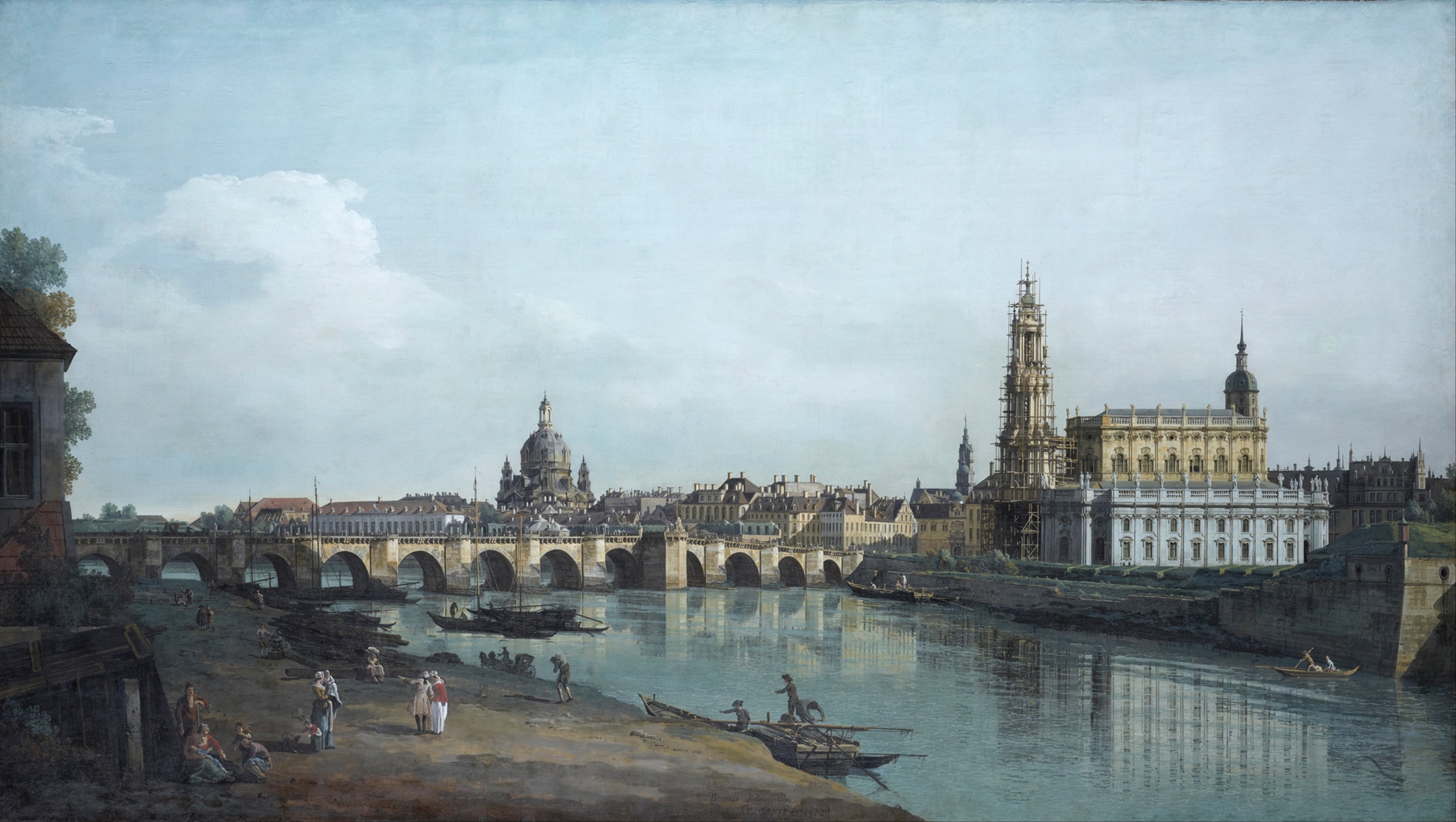
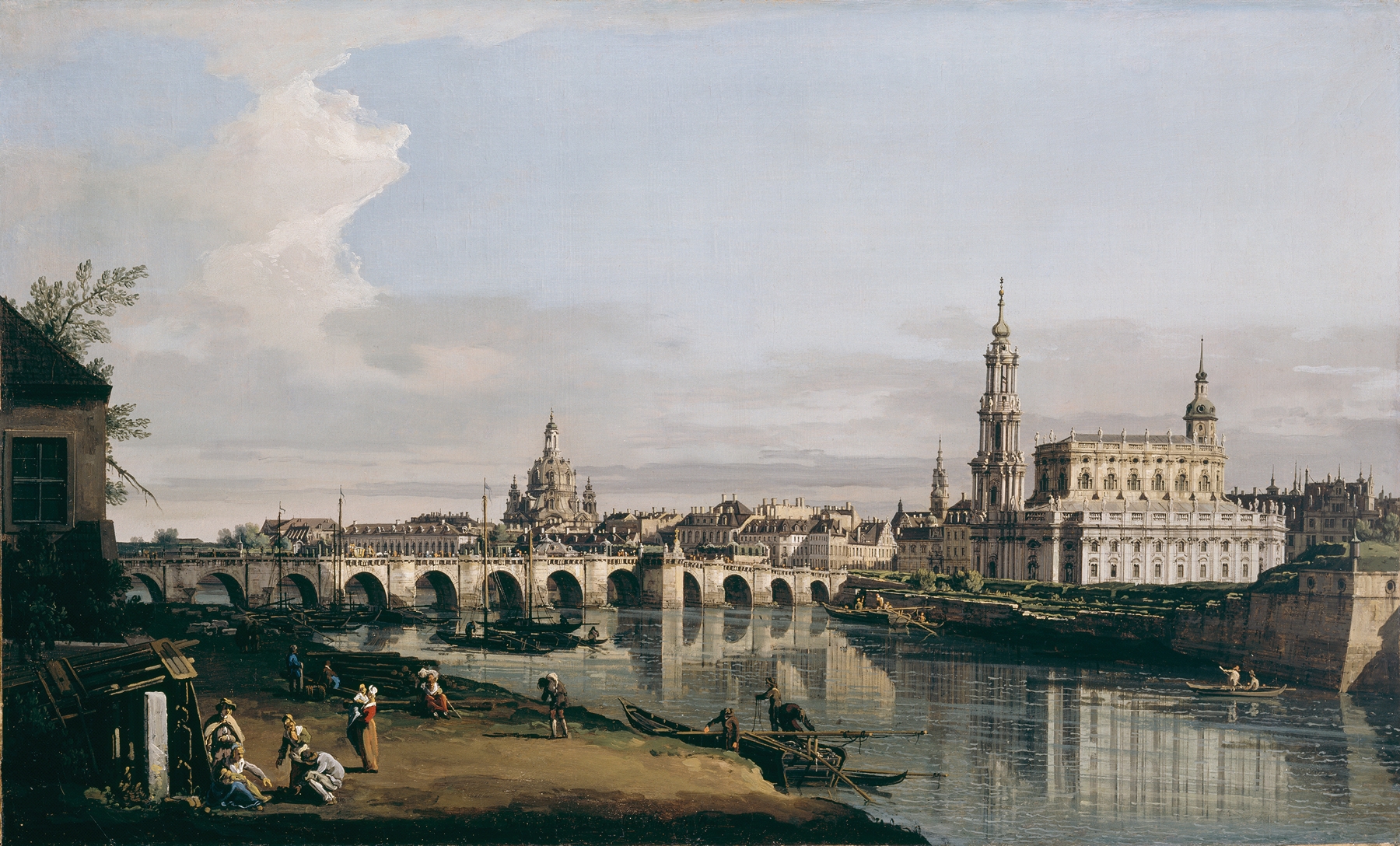
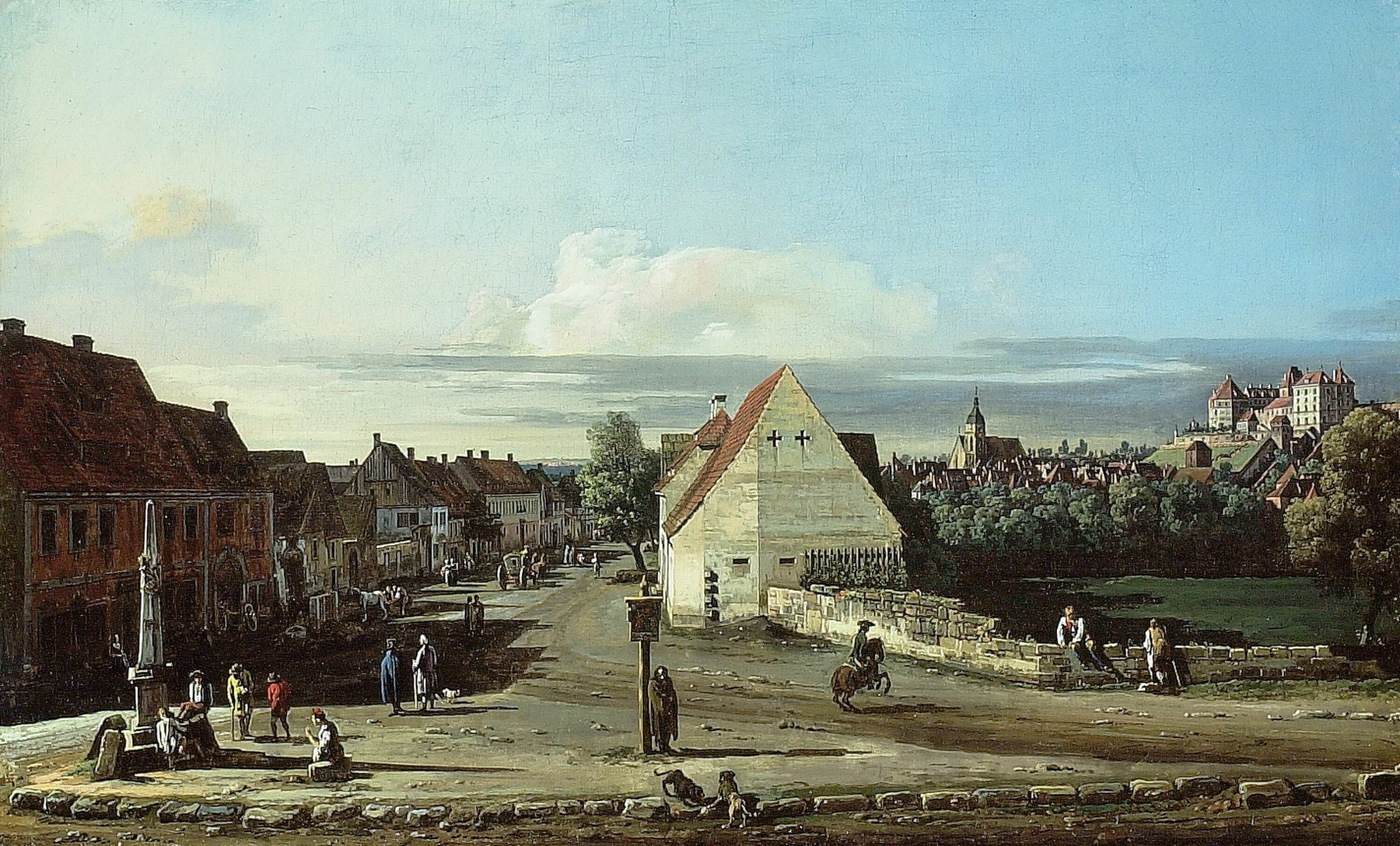
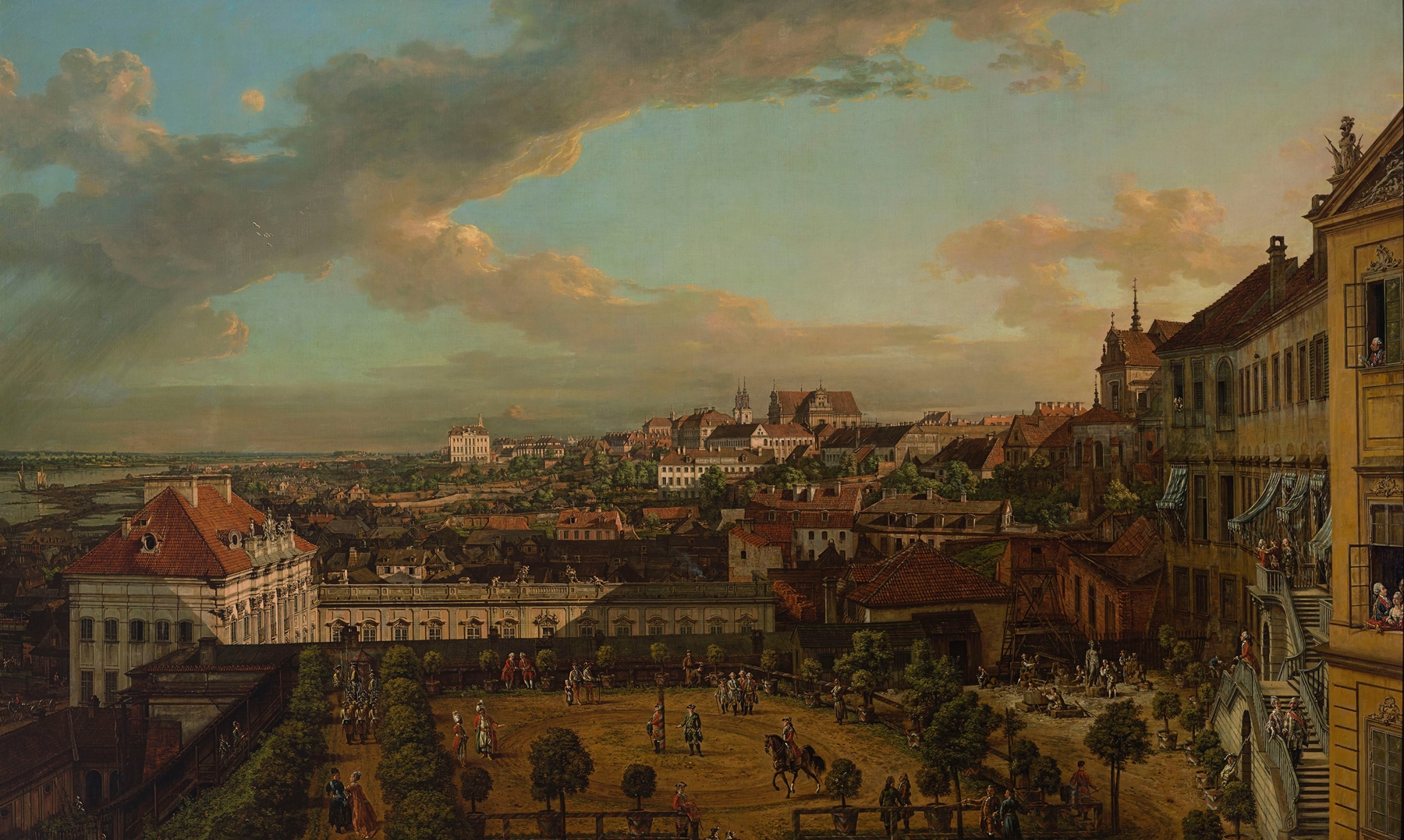
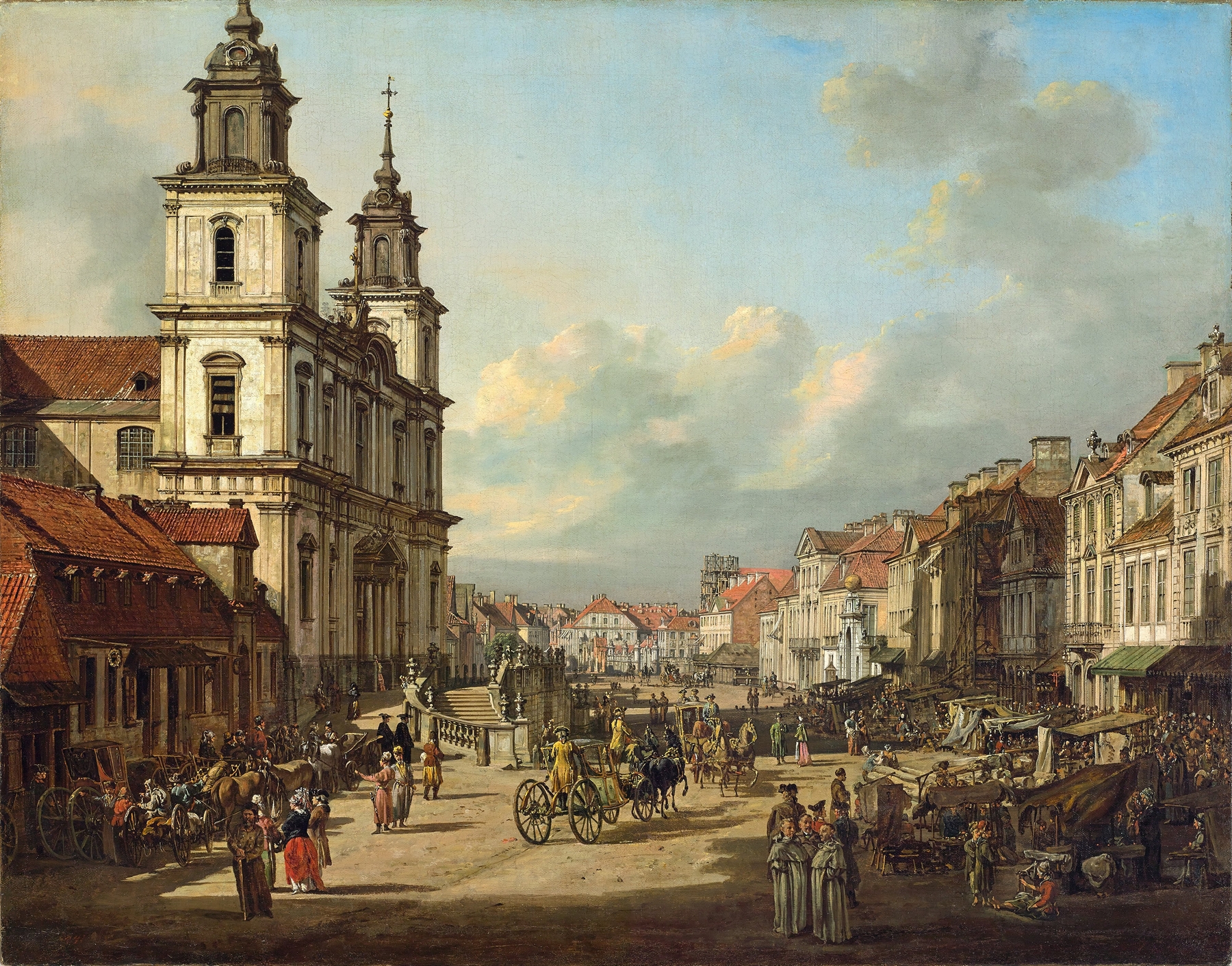
Could a single brushstroke hold eternity? In View of Dresden, a cityscape unfurls before us, encapsulating a moment that whispers of both obsession and beauty. Each detail captured reflects a deep longing for the passage of time and the desire to immortalize a world that might slip away. Look to the left at the imposing silhouette of the Frauenkirche, its dome rising majestically against the expansive sky. The artist employs a soft palette of blues and warm earth tones, seamlessly blending the architectural details with the serene backdrop.
Notice how the delicate play of light dances on the rooftops, casting shadows that breathe life into the stone edifices. The meticulous precision of Bellotto’s brushwork invites you to trace the outlines of each building, as if revealing the very soul of the city he adored. Delve deeper, and you'll uncover a poignant contrast between the vibrancy of the bustling streets and the stillness of the water reflecting the skyline. The figures, though small, embody a tapestry of daily life, each silent story woven into the scene. The calmness of the river juxtaposes the energy of the city, hinting at the fleeting nature of both architecture and human endeavors.
This duality resonates with Bellotto's obsession; he captures not just the city but the essence of existence itself. In 1765, while residing in Dresden, the artist created this masterpiece during a time marked by the flourishing of the Rococo style. The city was a cultural hub, and Bellotto was deeply influenced by the vibrant artistic community surrounding him. As he painted this view, he was not only documenting the urban landscape but also cementing his legacy as a master of perspective and detail, forever intertwining his name with the beauty of Dresden.