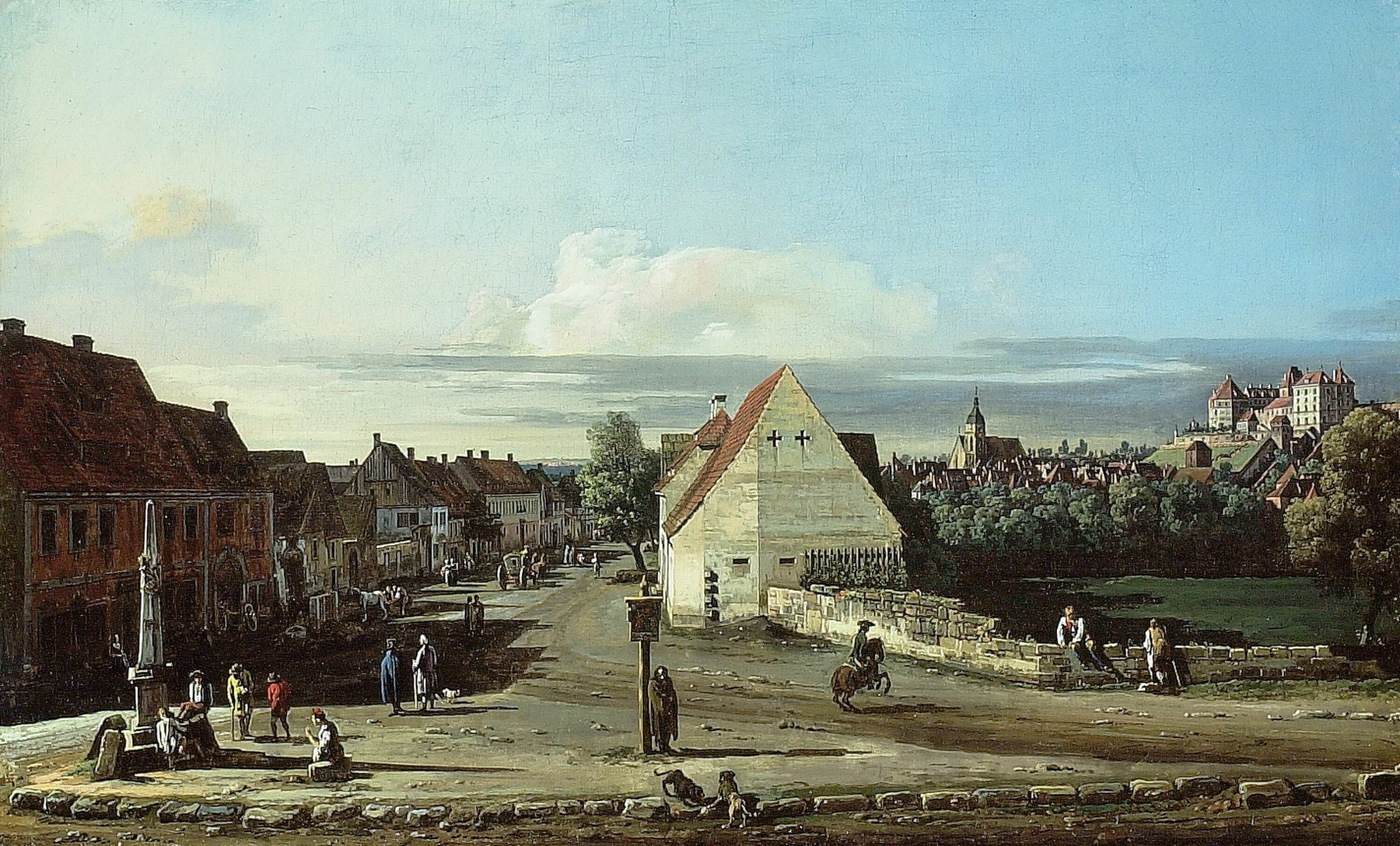
View of Pirna with the Fortress of Sonnenstein — History & Analysis
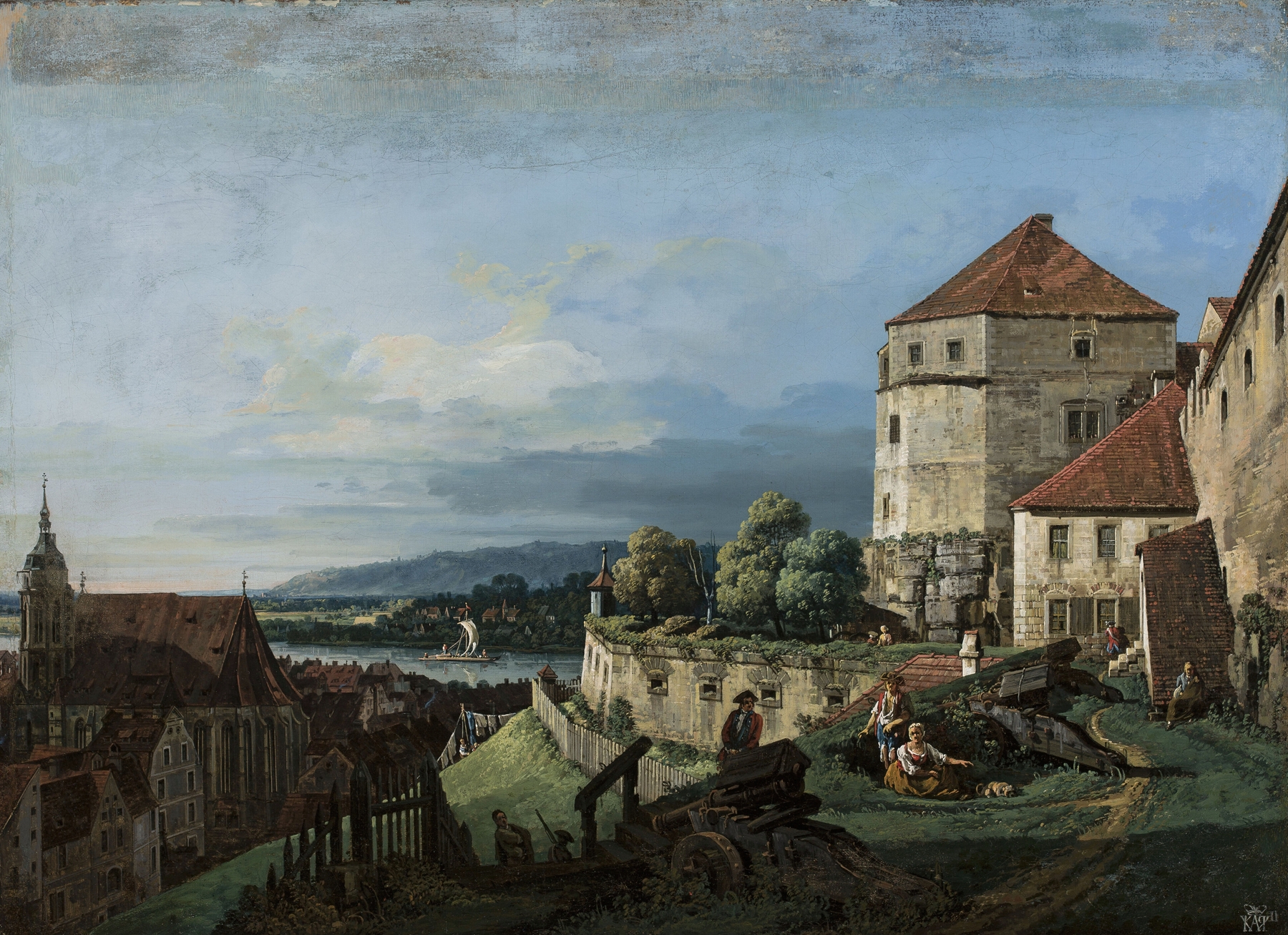
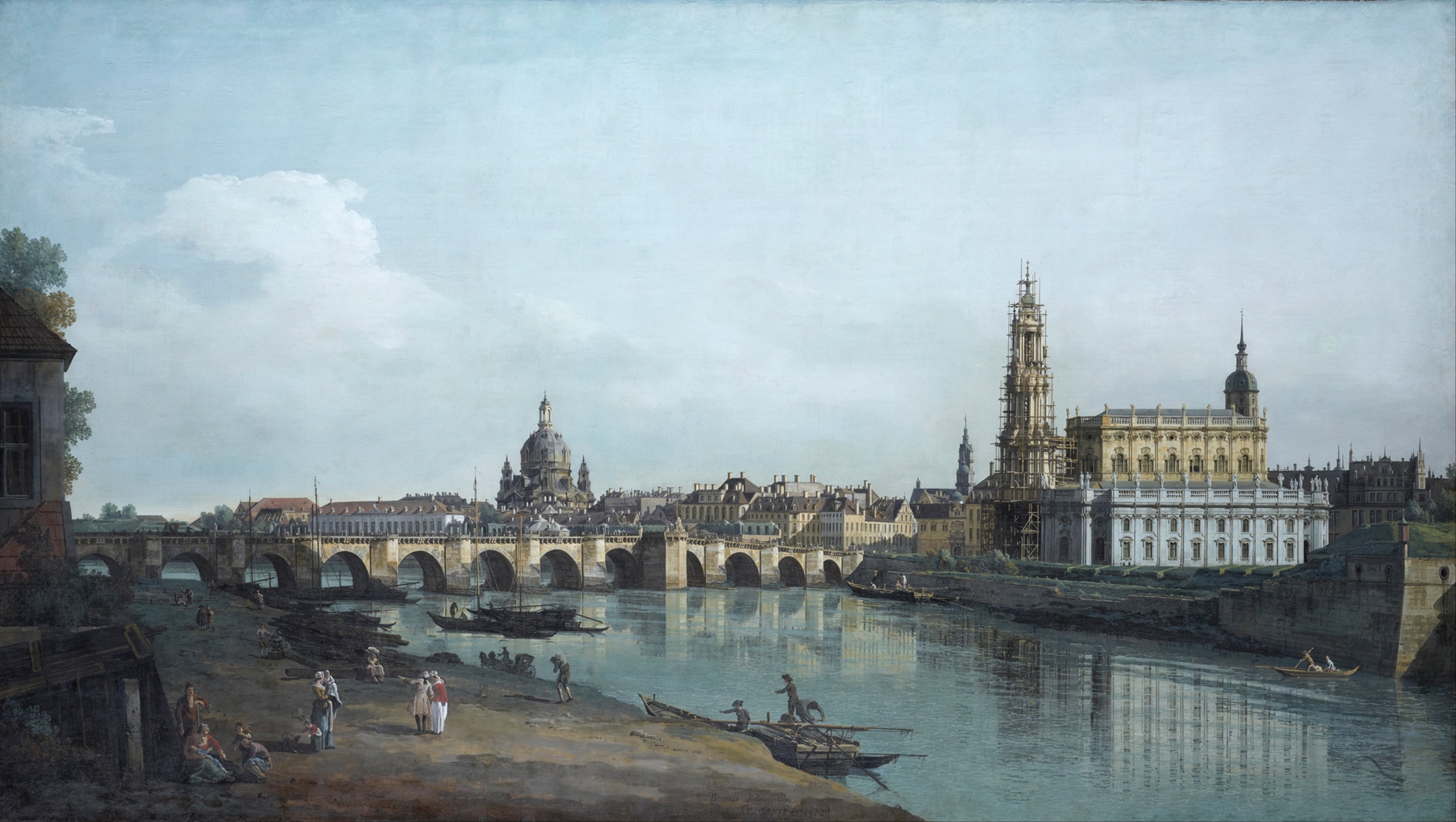
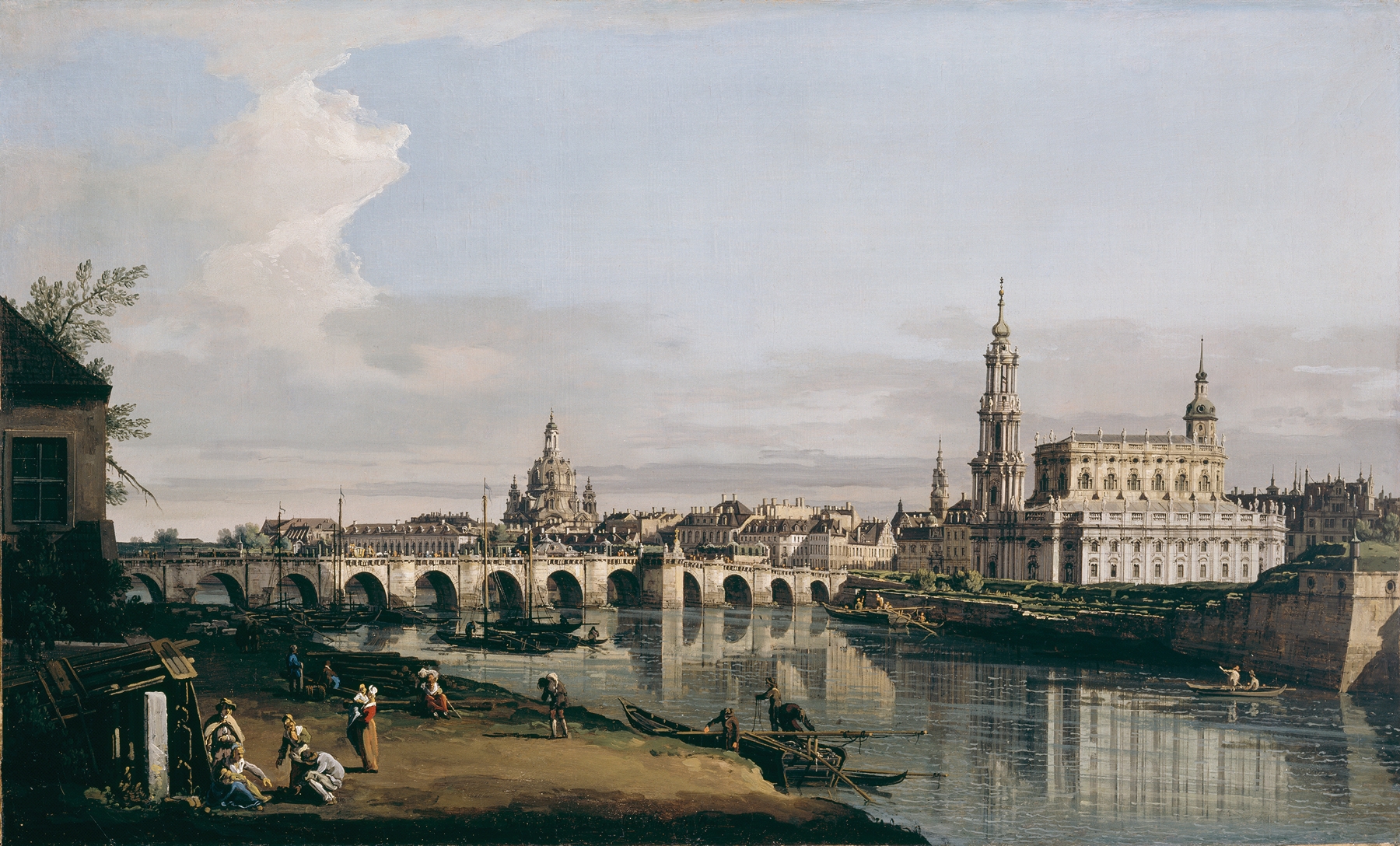
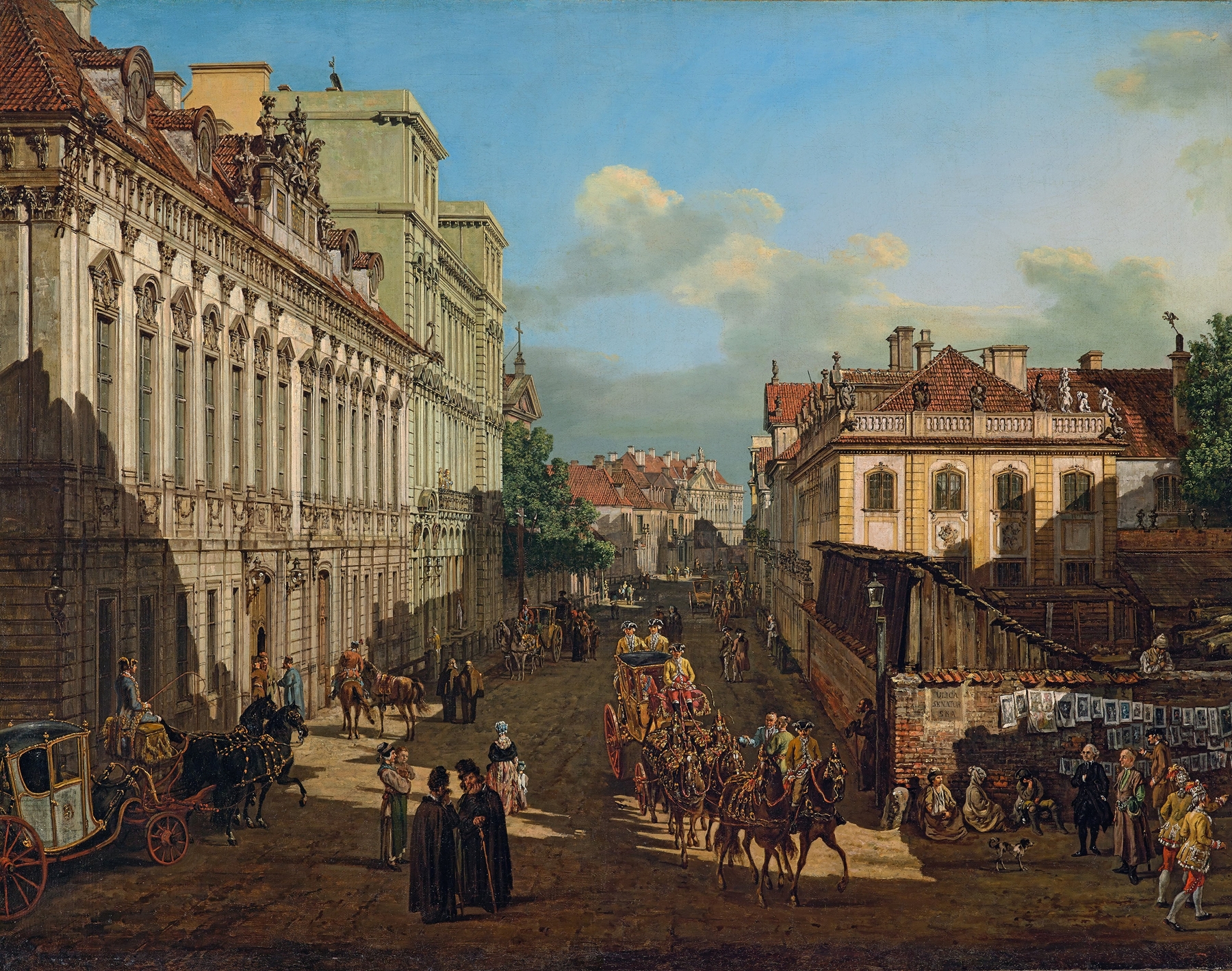
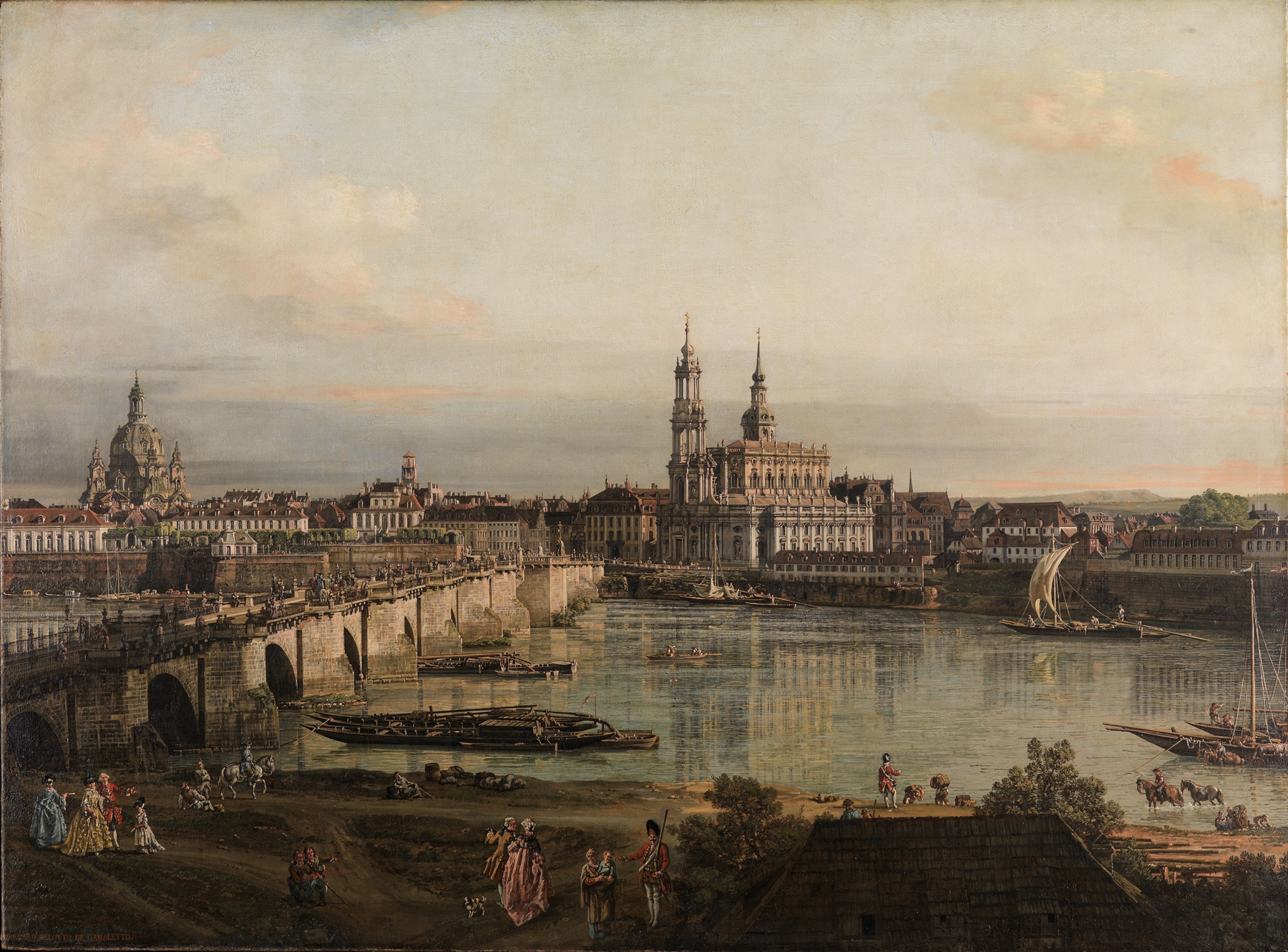
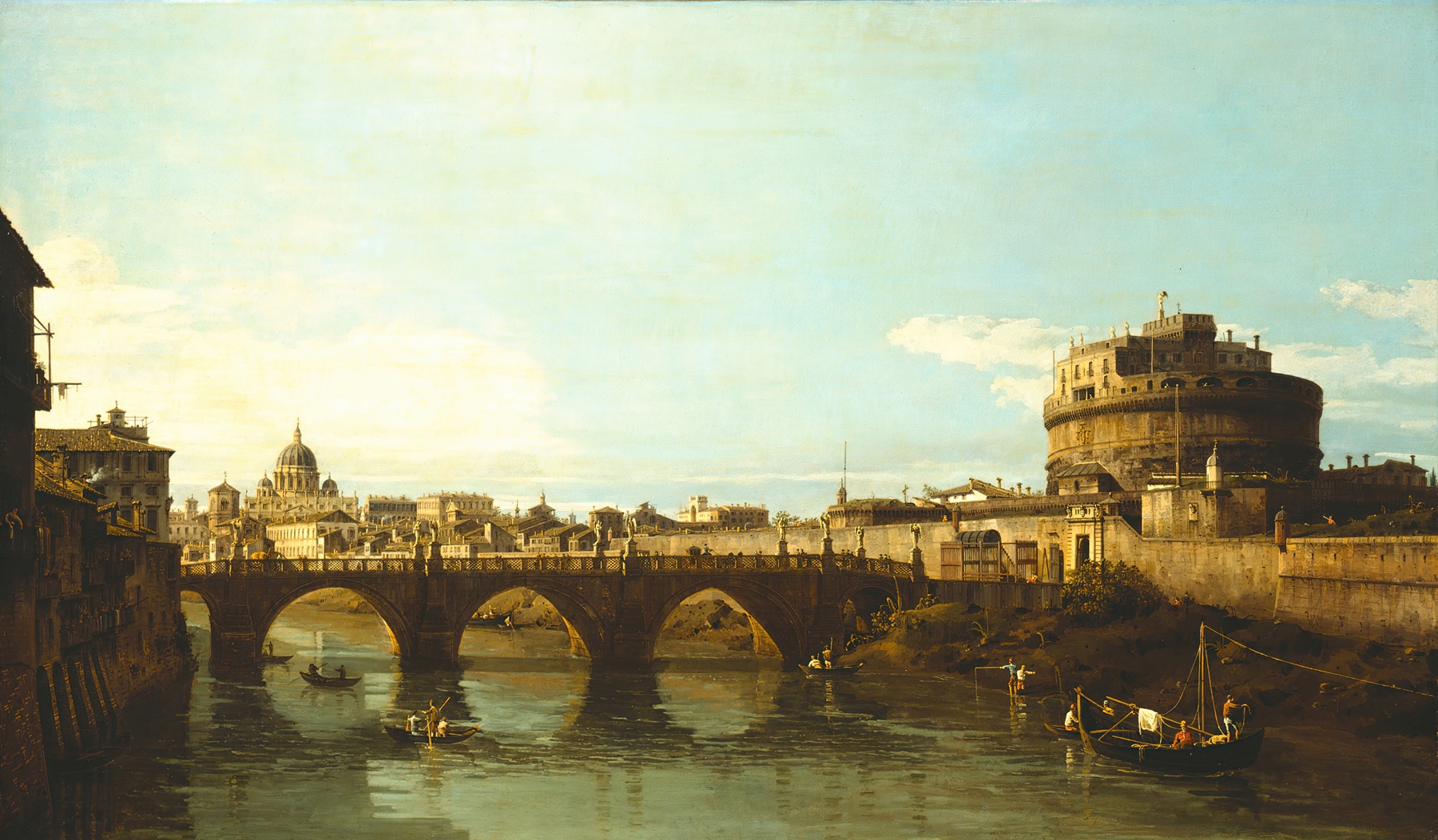
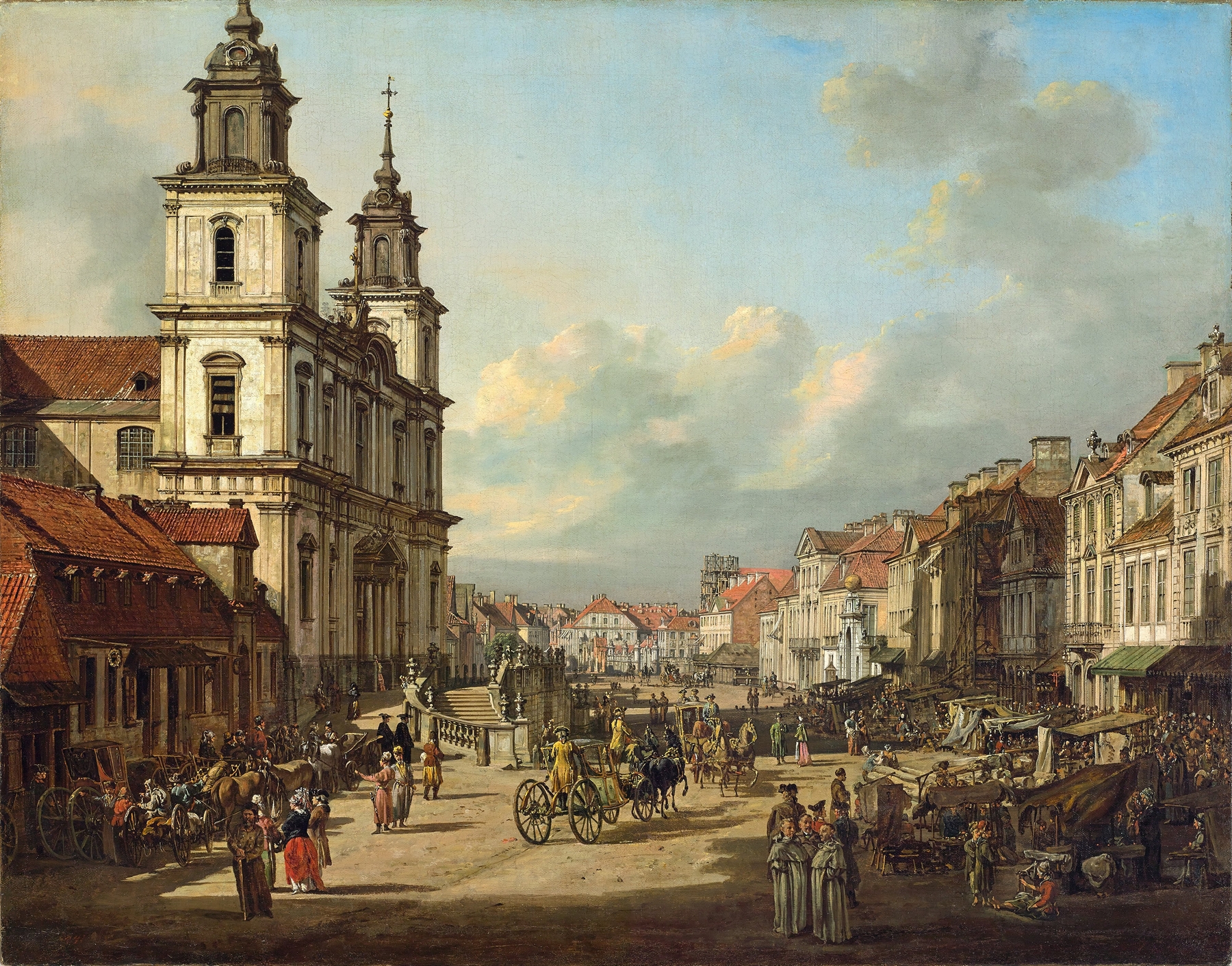
“The canvas doesn’t lie — it simply waits.” In View of Pirna with the Fortress of Sonnenstein, the landscape's stillness speaks volumes, yet conceals deeper truths beneath its serene surface. The placid river reflects not only the architecture above but also the underlying tensions of a world poised on the brink of change. Look to the left side of the canvas, where the fortress looms over the town, its imposing walls stark against the gentle curves of the riverbank. Notice how the warm sunlight bathes the buildings in a golden hue, creating a tranquil ambiance that contrasts sharply with the fortress's rigid geometry.
The artist's meticulous brushwork captures the intricate details of both nature and man-made structures, inviting the viewer to explore the rich interplay of color and light that defines this harmonious yet complex scene. Delving deeper, one finds a juxtaposition between the idyllic charm of Pirna and the oppressive presence of the fortress. The fortress symbolizes both protection and confinement, suggesting a betrayal of the town's innocence. The calm waters, while beautiful, conceal the potential for turmoil, reflecting the tension between safety and the looming threat of conflict.
This subtle interplay evokes a sense of foreboding, as if the viewer is privy to an impending reckoning hidden beneath the surface. Bernardo Bellotto created this work between 1755 and 1765 during a period when he was deeply engaged in the art of landscape painting, following in the footsteps of his uncle, Canaletto. Working in Dresden at the time, he was influenced by the burgeoning interest in the picturesque, yet he also aimed to capture the profound narratives embedded within his scenes. This particular piece reflects not only the beauty of the landscape but also the complexities of historical contexts and human emotions tied to it.