Miodowa Street in Warsaw — History & Analysis
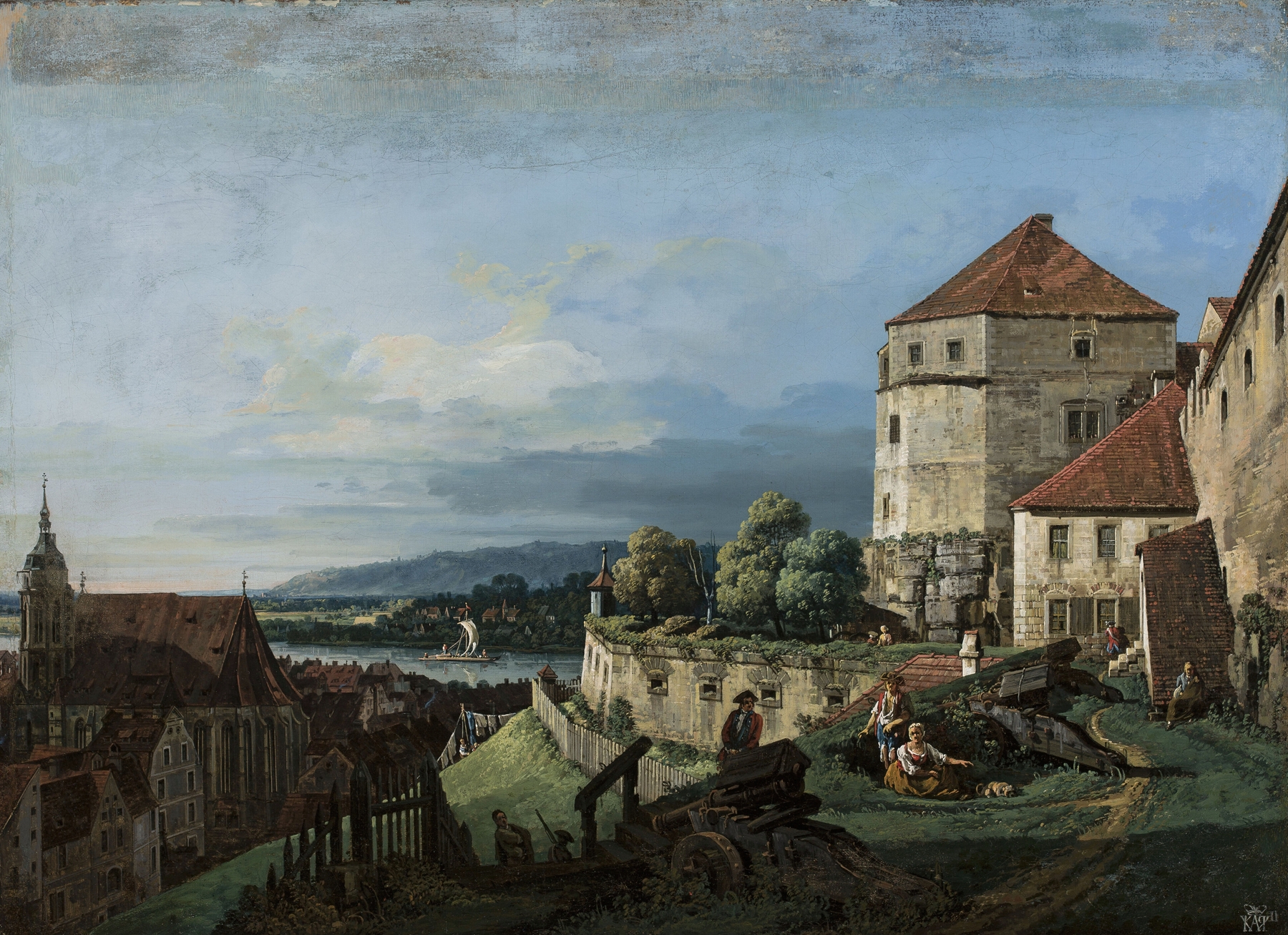
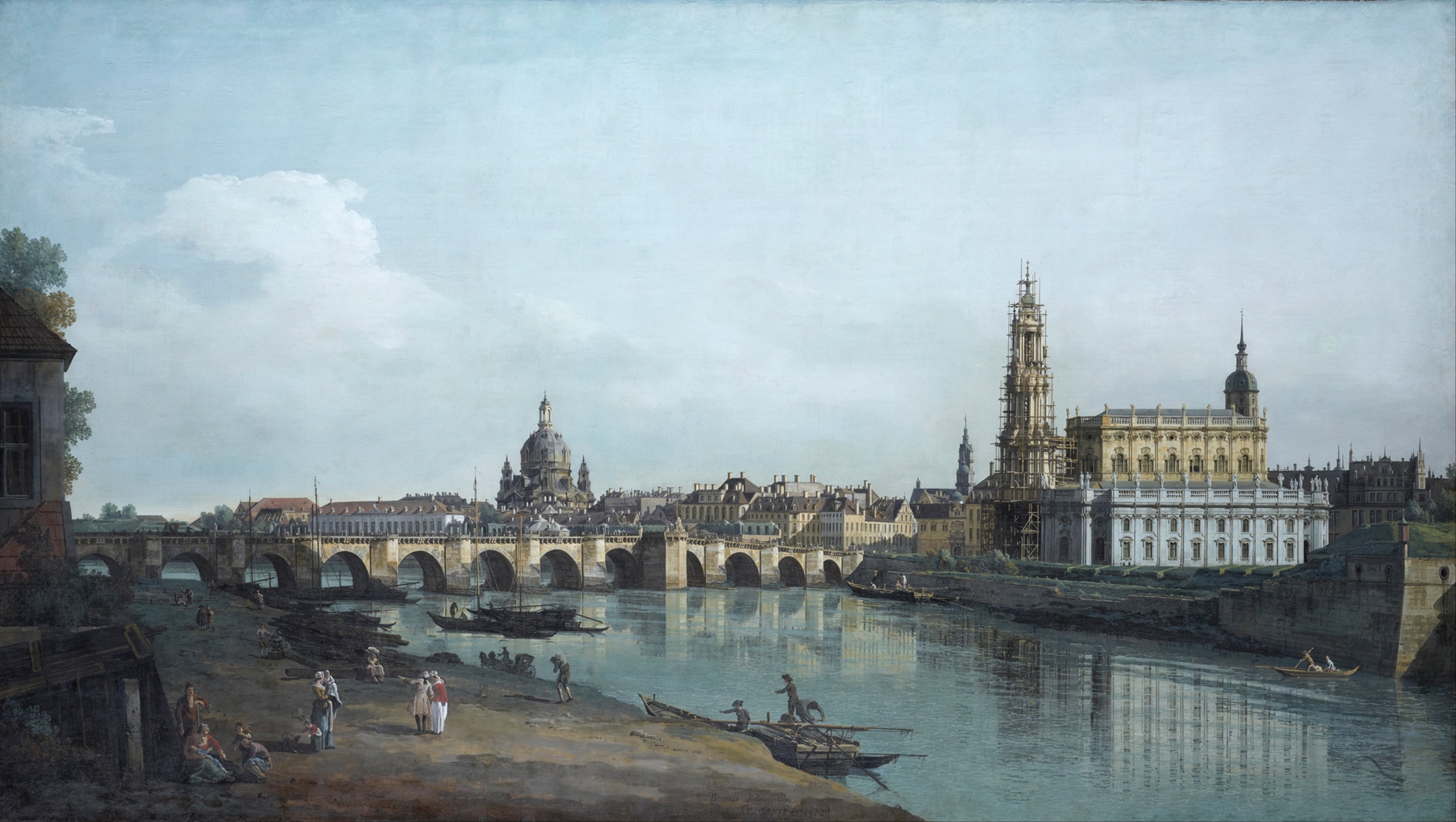
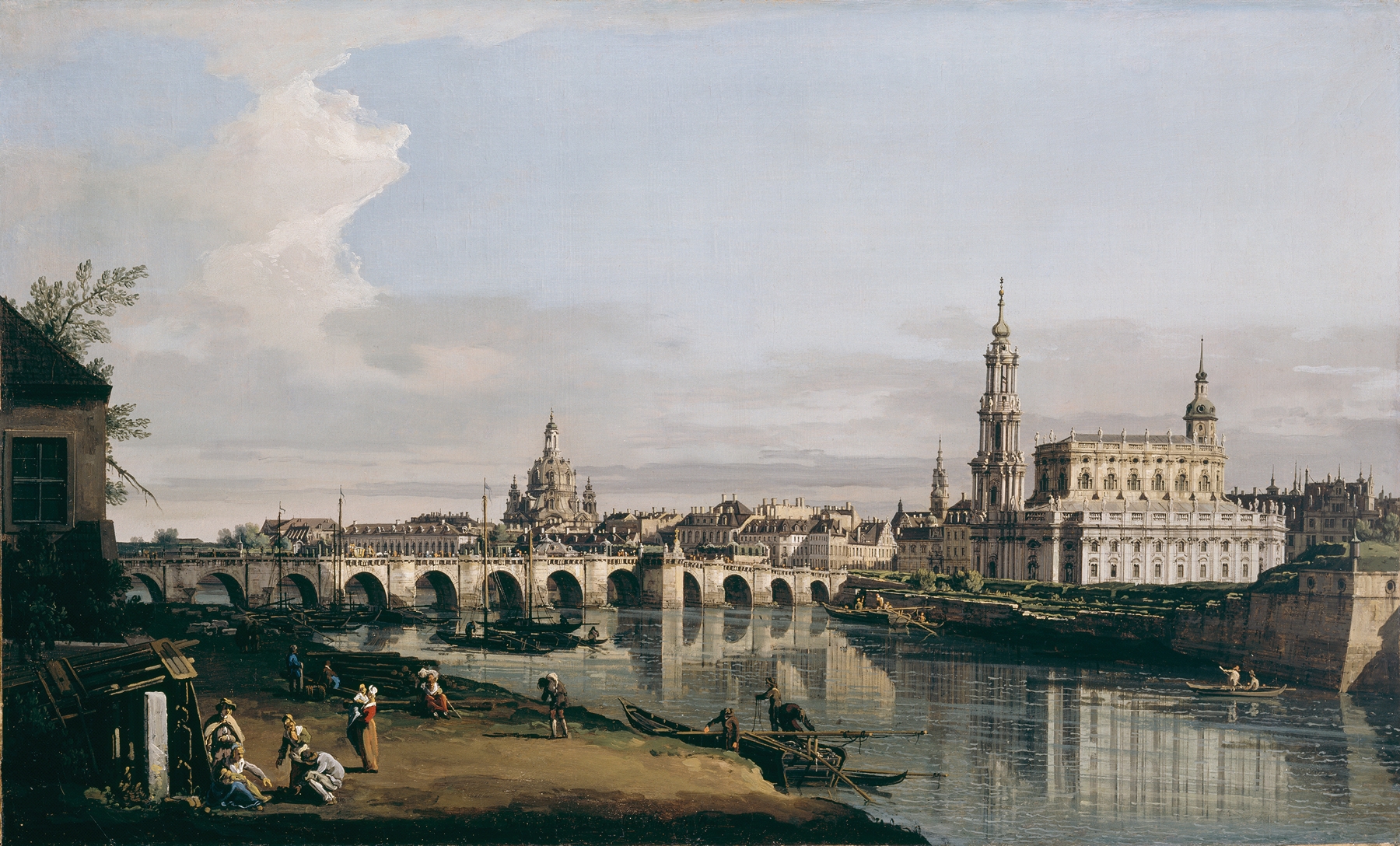
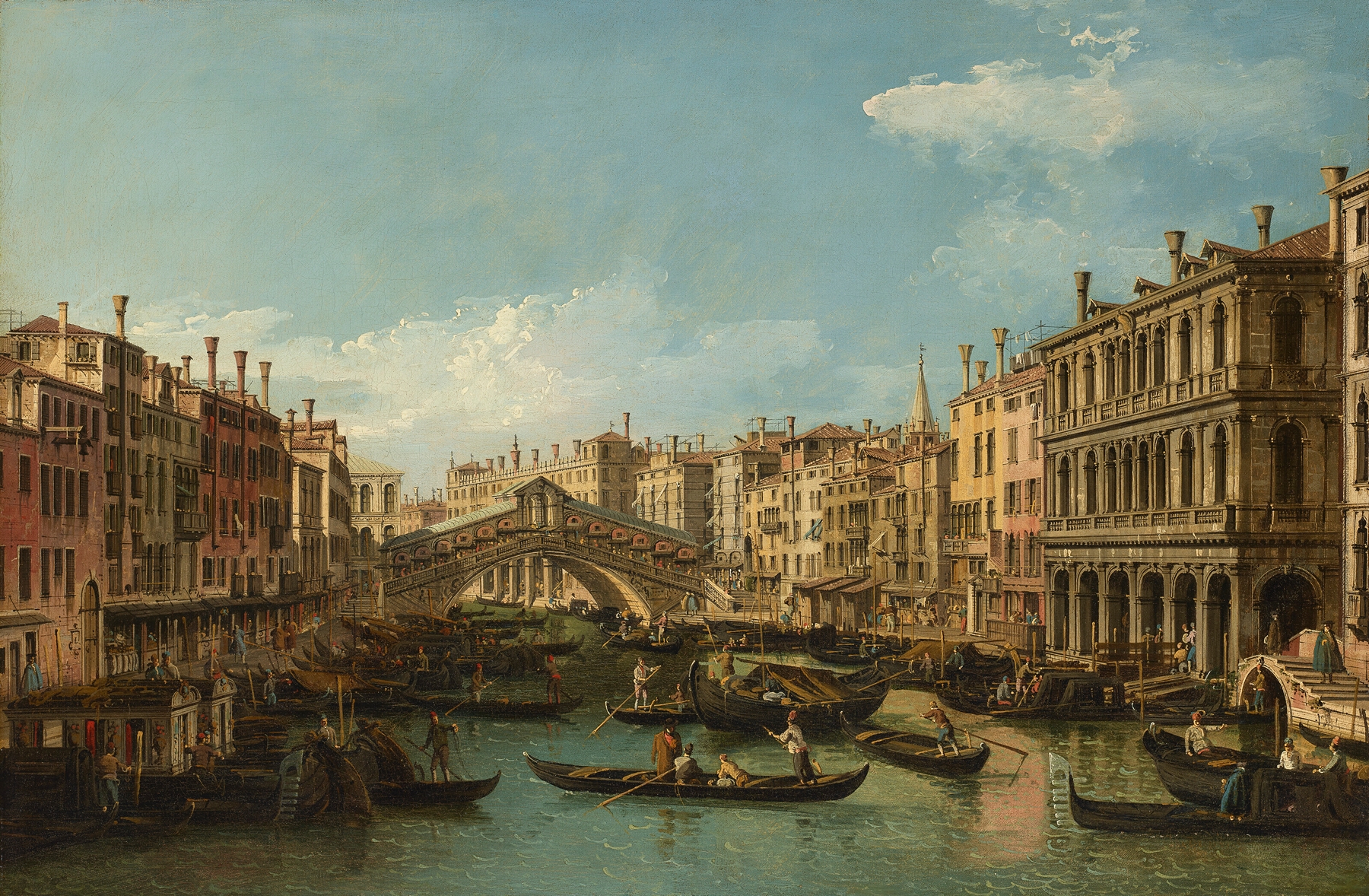
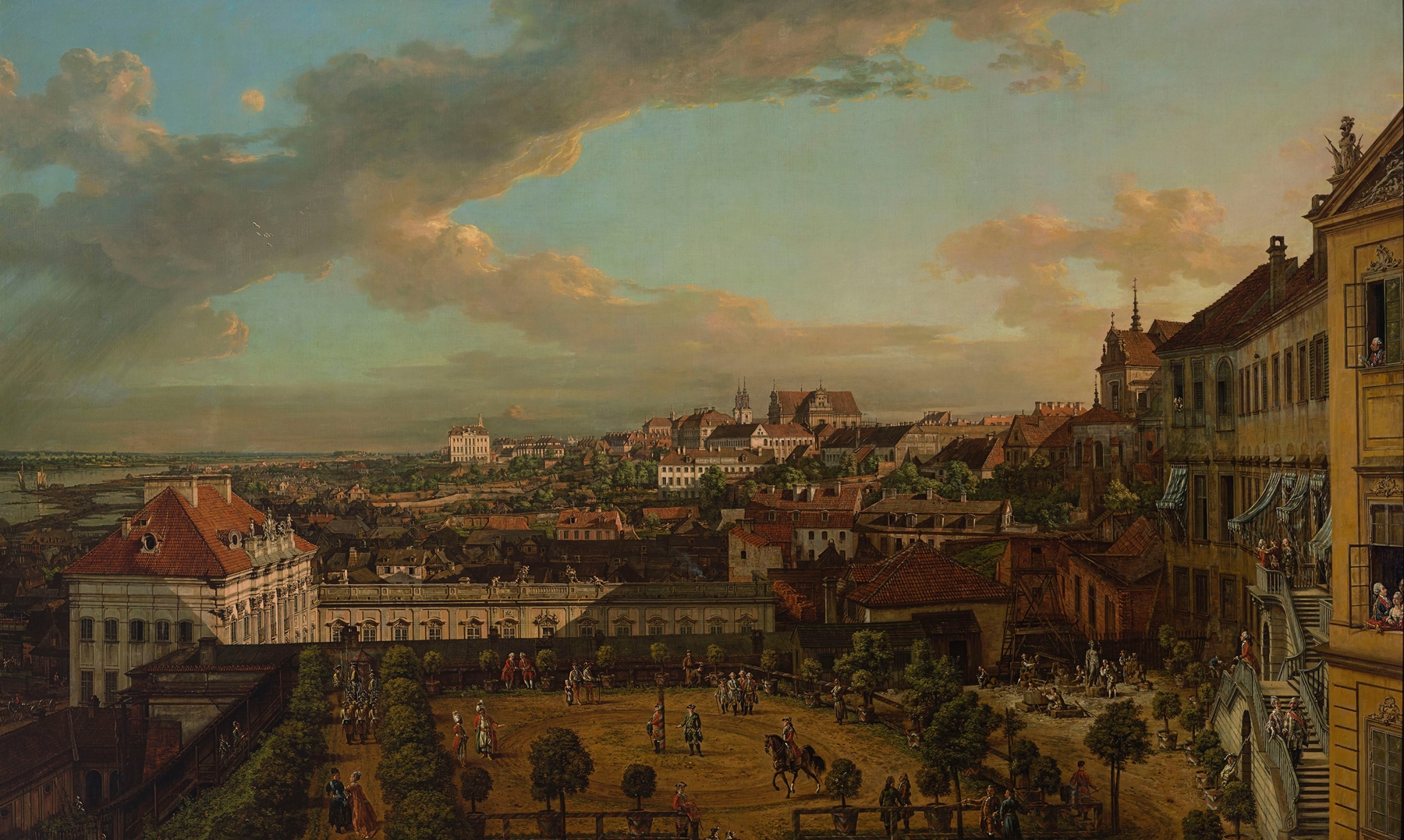
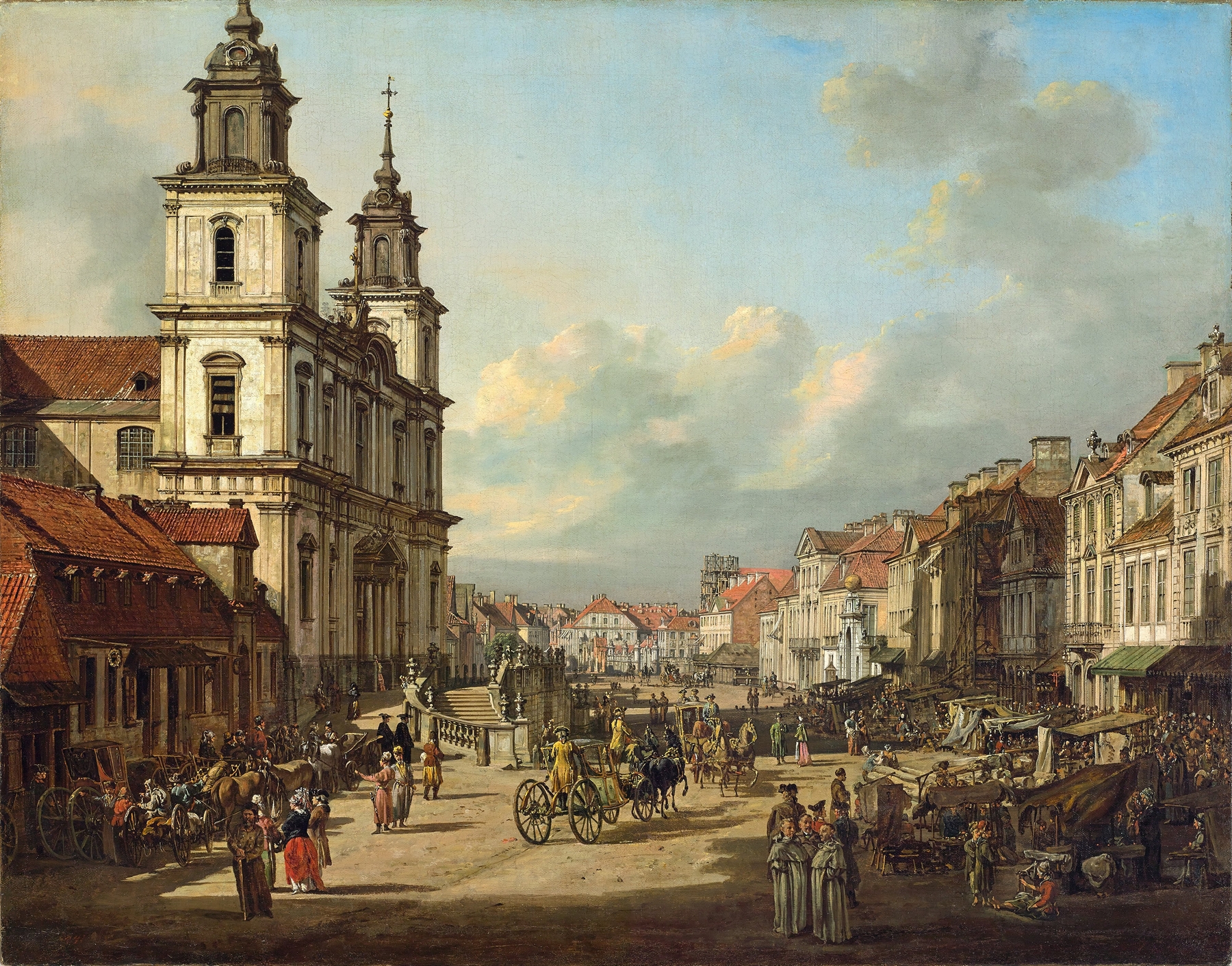
Can beauty exist without sorrow? In Miodowa Street in Warsaw, Bernardo Bellotto captures the delicate balance between urban charm and the shadows of history lurking beneath its surface. Look to the center, where the bustling street thrums with life — merchants display their wares, townsfolk engage in animated conversation, each figure infused with a palpable sense of purpose. Notice how the warm light spills across the cobblestones, creating a spectrum of hues that invites the viewer to linger.
The meticulous detailing of architecture reveals the city’s pride, while the perspective draws one’s eye towards the distant horizon, suggesting a world beyond the painted frame. Yet, beneath the lively facade lies a deeper narrative. The scattered figures may evoke a sense of community, but their individual gestures also hint at personal struggles — a whispered secret, a fleeting glance. The contrast between the vibrancy of the marketplace and the somber, shadowed corners speaks to a tension; joy exists alongside unspoken sorrow.
In every brushstroke, Bellotto weaves an illusion of harmony while hinting at the fragility of moments captured in time. Painted in 1777, this work reflects Bellotto's mature style during his years in Warsaw, where he served as the court painter. The city, still recovering from the ravages of past conflicts, was evolving and modernizing, and this painting encapsulates that transformative spirit. It was a period when artists sought to navigate the complexities of their environments, striving for realism while acknowledging the underlying narratives of their subjects.