View of Pirna with the Fortress of Sonnenstein — History & Analysis
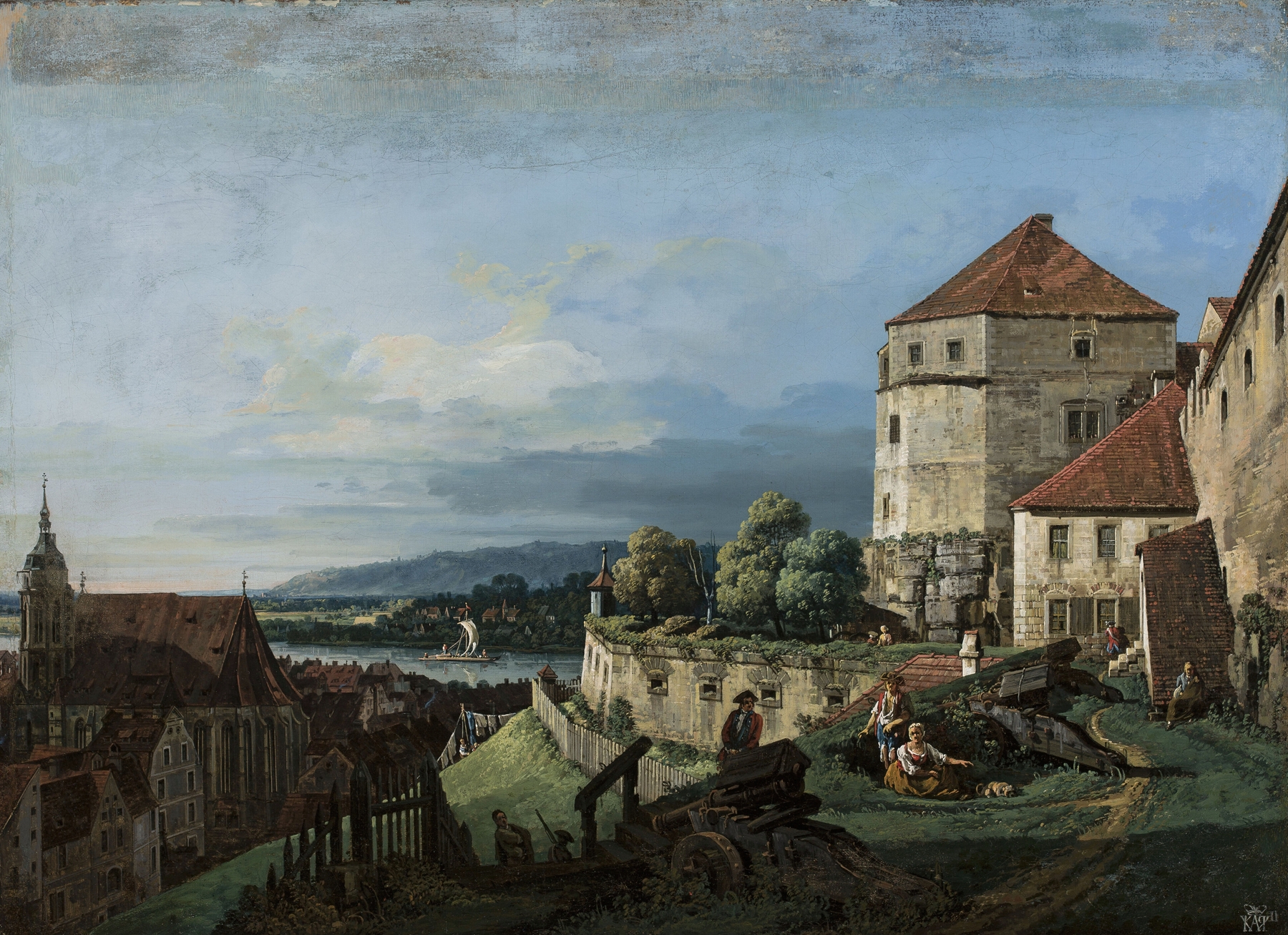
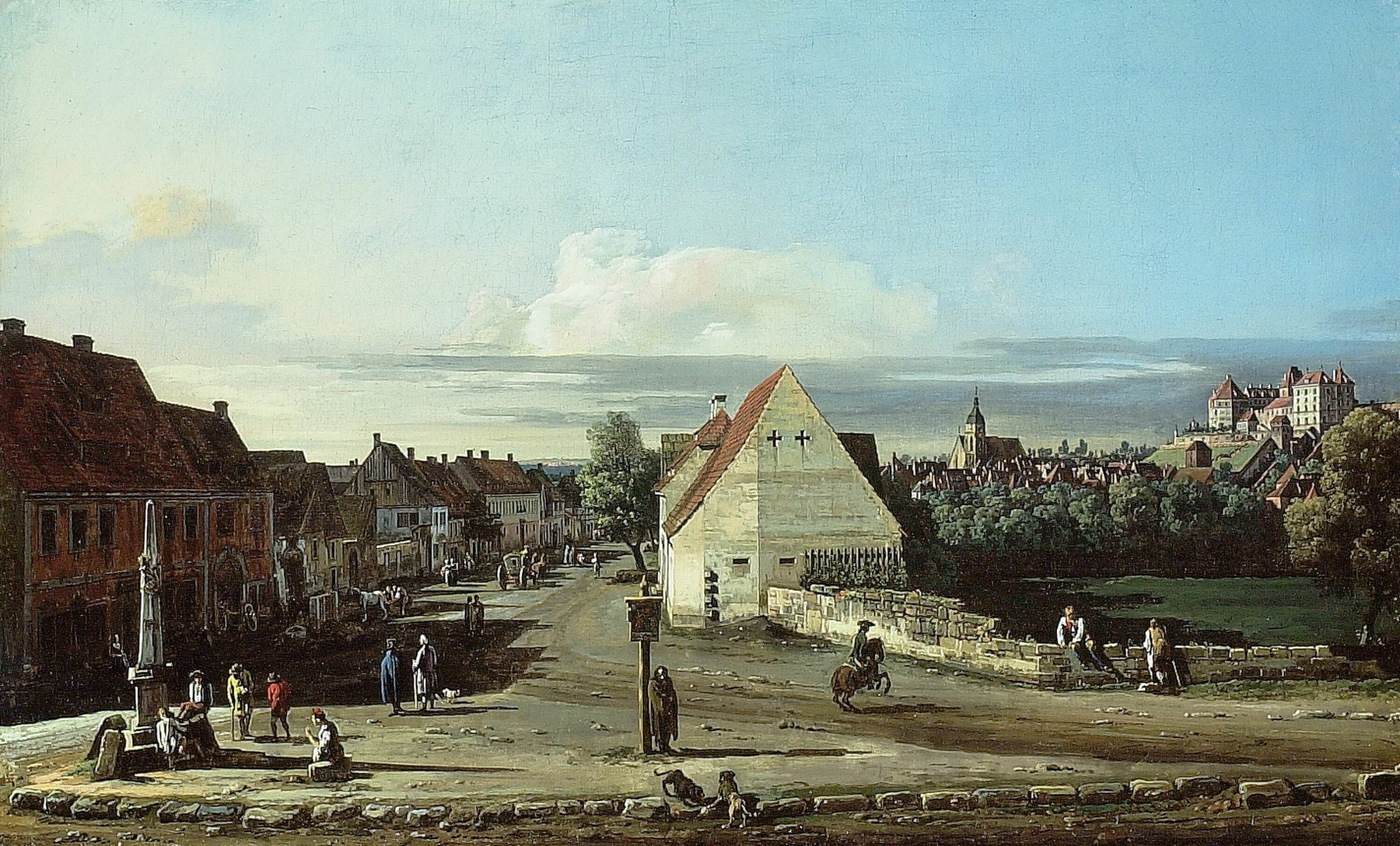
Can beauty exist without sorrow? In View of Pirna with the Fortress of Sonnenstein, Bernardo Bellotto invites us to explore the delicate interplay between joy and melancholy that landscape can invoke. Look to the foreground, where soft, rolling hills cradle the quaint town of Pirna, bathed in ethereal sunlight. The shimmering Elbe River cuts through the scene, a silver ribbon guiding the eye toward the fortress perched majestically atop the rocky outcrop. Notice how the vibrant greens and blues are punctuated by the warm hues of the buildings, contrasting the serenity of nature with the human touch.
The composition balances meticulous detail with expansive vistas, creating a sense of harmony that resonates with the viewer. Beneath this serene facade lies a deeper emotional tension. The fortress, a symbol of protection, hints at the tumultuous history of the region, while the gentle flow of the river suggests transformation – both natural and societal. This duality reflects the artist’s keen awareness of the passage of time, invoking feelings of nostalgia that resonate with the transient beauty of life itself.
The juxtaposition of the fortified structure and the open landscape embodies the constant push and pull between security and freedom. Created around 1760 while living in Dresden, the artist found himself at a pivotal moment in the evolution of landscape painting, as artists began to embrace more naturalistic approaches. The rich tradition of the Italianate landscape influenced his work, but his vivid scenes also reflect the burgeoning Enlightenment spirit, with a growing interest in the sublime beauty of the natural world. Bellotto's careful observations capture a fleeting moment in time, revealing both the aesthetic wonders of his surroundings and the lingering shadows of history.