Dresden from the Right Bank of the Elbe, below the Augustus Bridge — History & Analysis
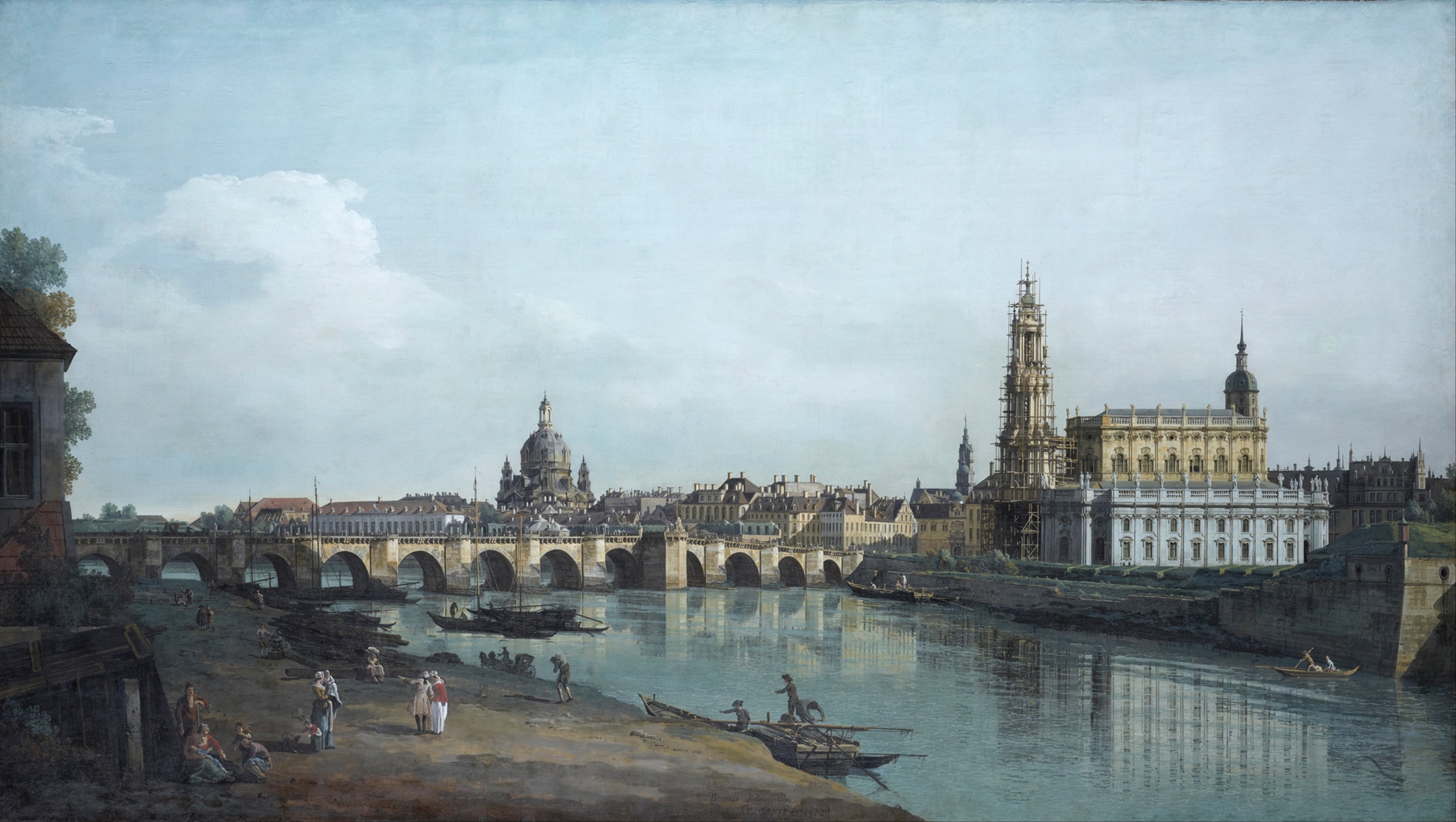
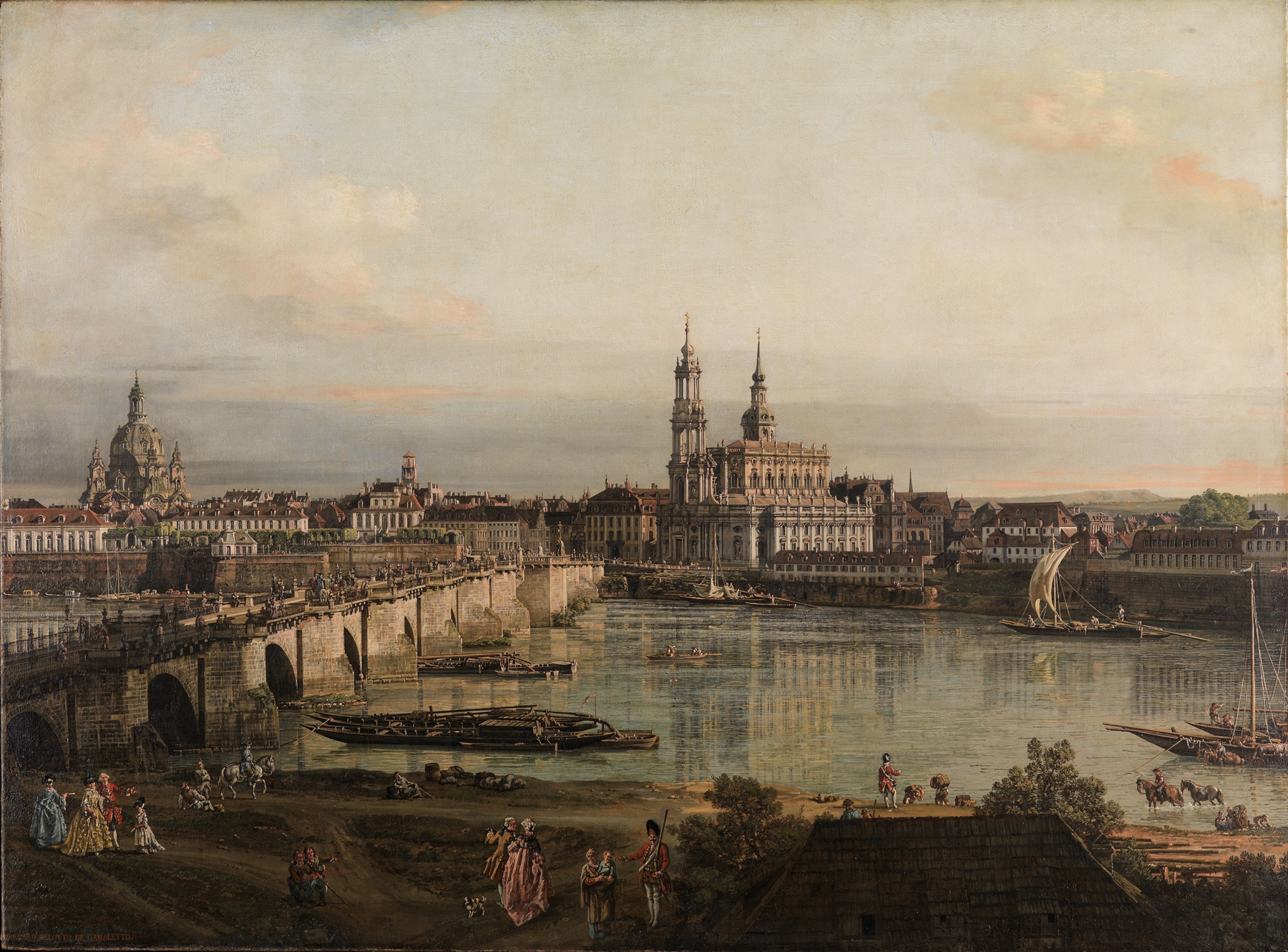
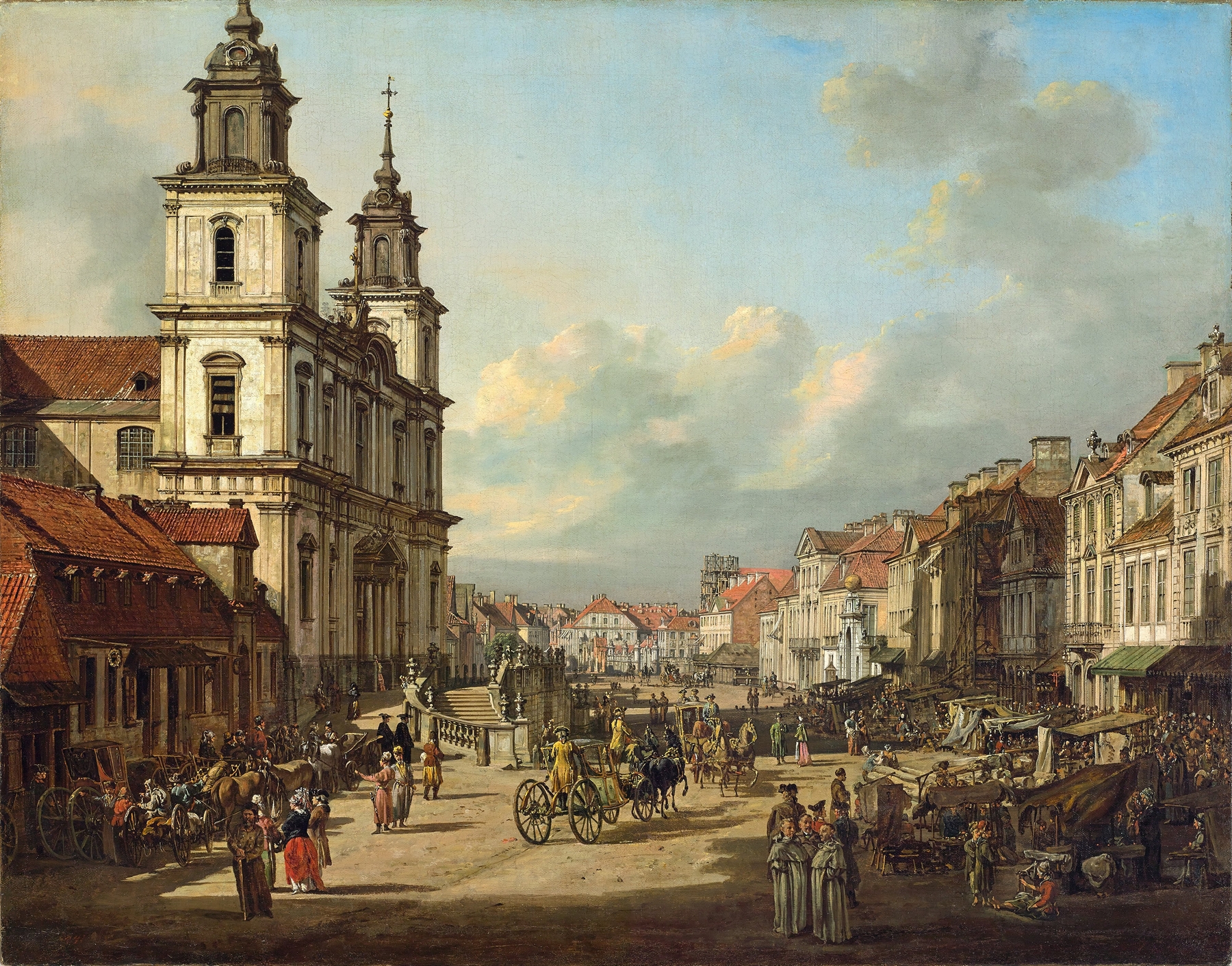
Could beauty survive in a century of chaos? This question resonates through the delicate brushstrokes and vivid hues of the landscape before us, a snapshot of tranquility amidst the inevitable tide of change. Look to the left at the serene flow of the Elbe River, where gentle waves mirror the soft pastels of the sky. The Augustus Bridge stands gracefully, its stone arches framing the scene with timeless elegance. Notice how the light dances across the water’s surface, casting shimmering reflections that invite you to linger.
The warm glow of the setting sun bathes the city in a golden hue, highlighting the intricate details of the baroque architecture that rises majestically in the background. Amidst the picturesque beauty, one cannot overlook the emotional undercurrents at play. The juxtaposition of the calm river and the bustling city reminds us of the duality of existence — peace amidst potential turmoil. Figures dot the riverbank, perhaps lost in their own contemplations, embodying a sense of nostalgia for an era soon to be transformed.
The painting encapsulates a fleeting moment in time, urging viewers to reflect on the fragility of beauty and the weight of history. In the mid-18th century, while residing in Dresden, the artist created this work, capturing both the physical beauty of the city and the spirit of its people. This period saw the rise of Rococo and Neoclassicism, movements that valued harmony and grandeur. The artist's own experiences of displacement and war would later echo in his landscapes, imbuing them with a sense of longing for stability in a world that often felt ephemeral.