Casimir le Conte, after Boulanger — History & Analysis
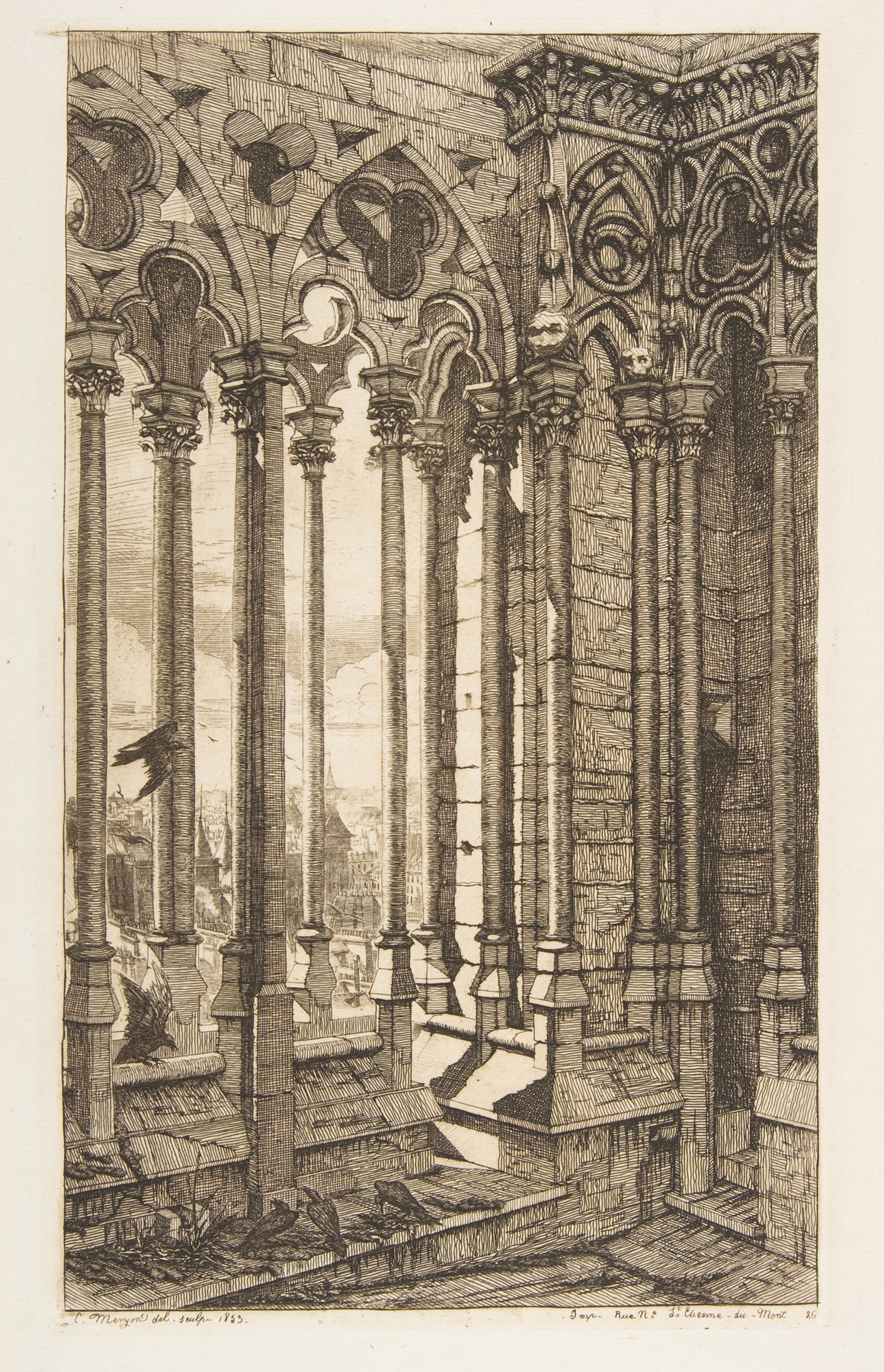
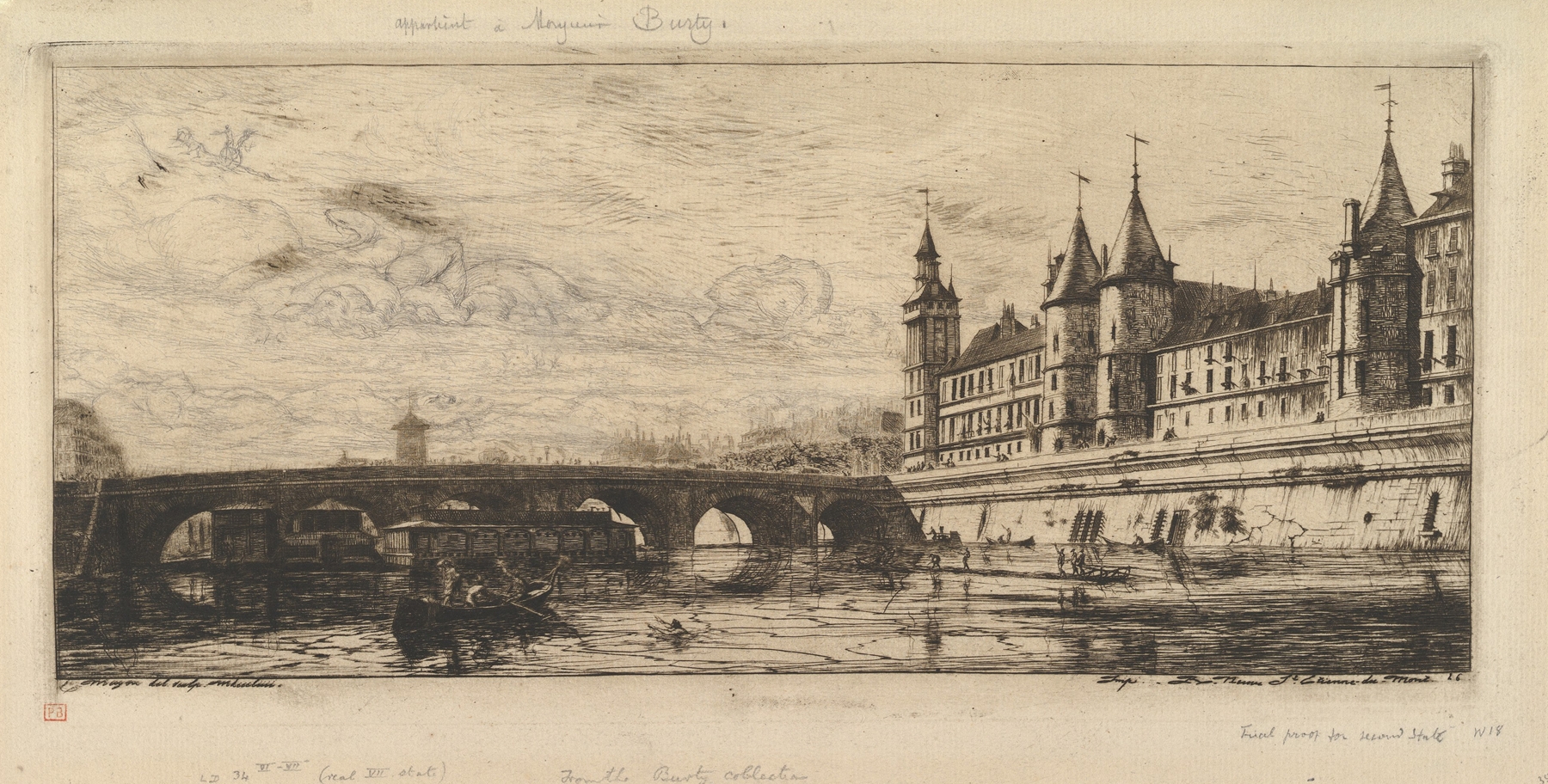
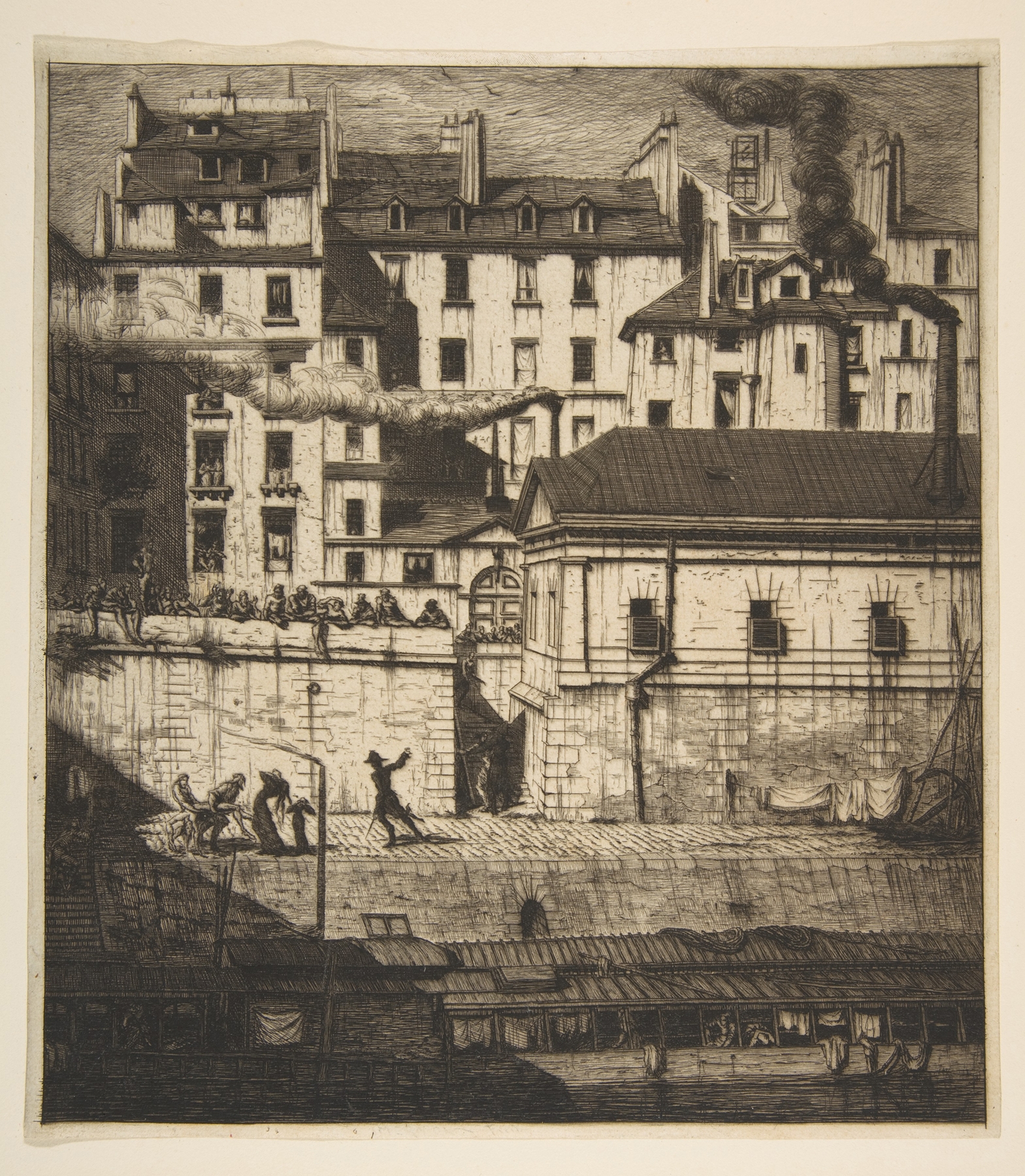
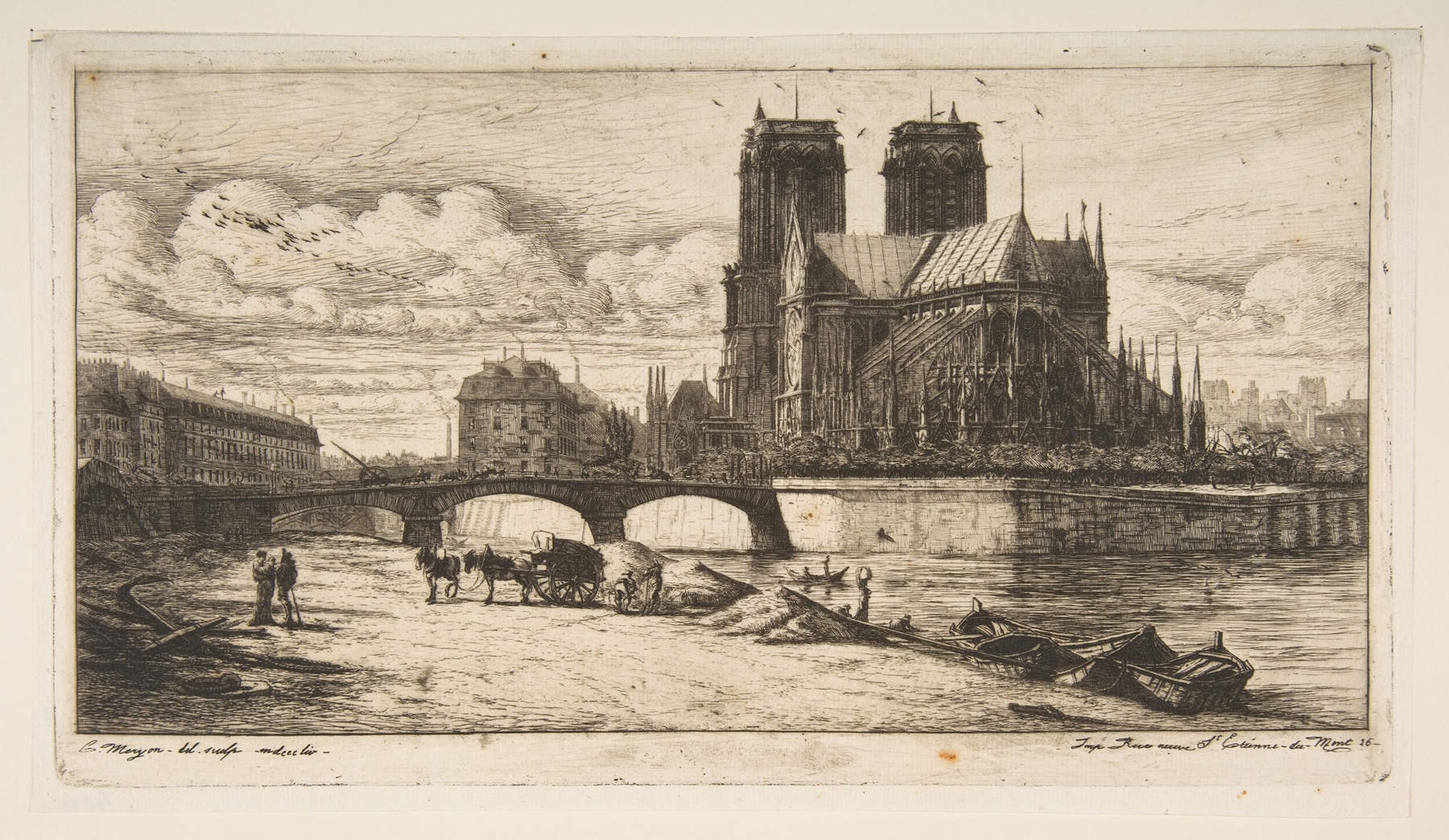
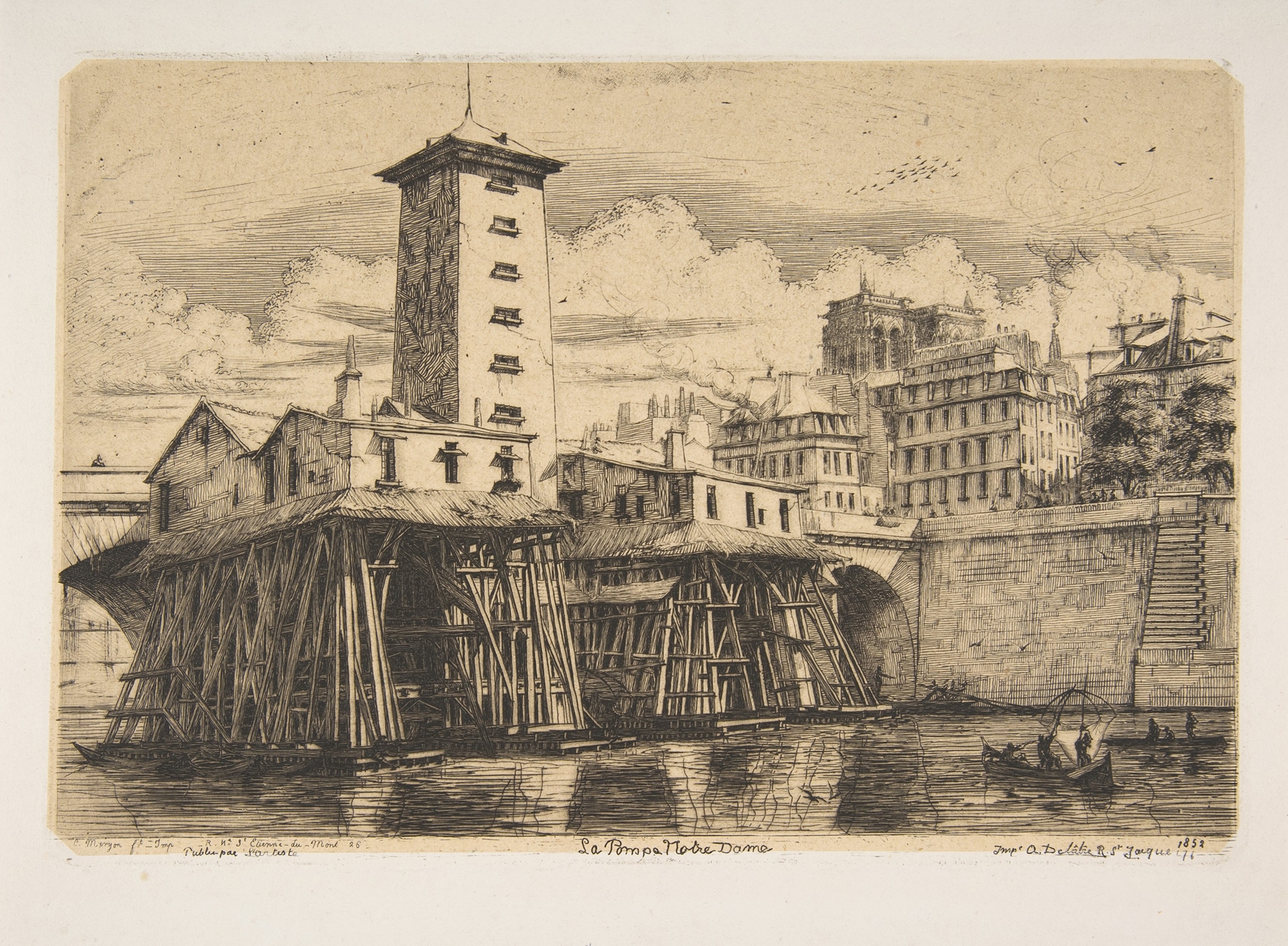
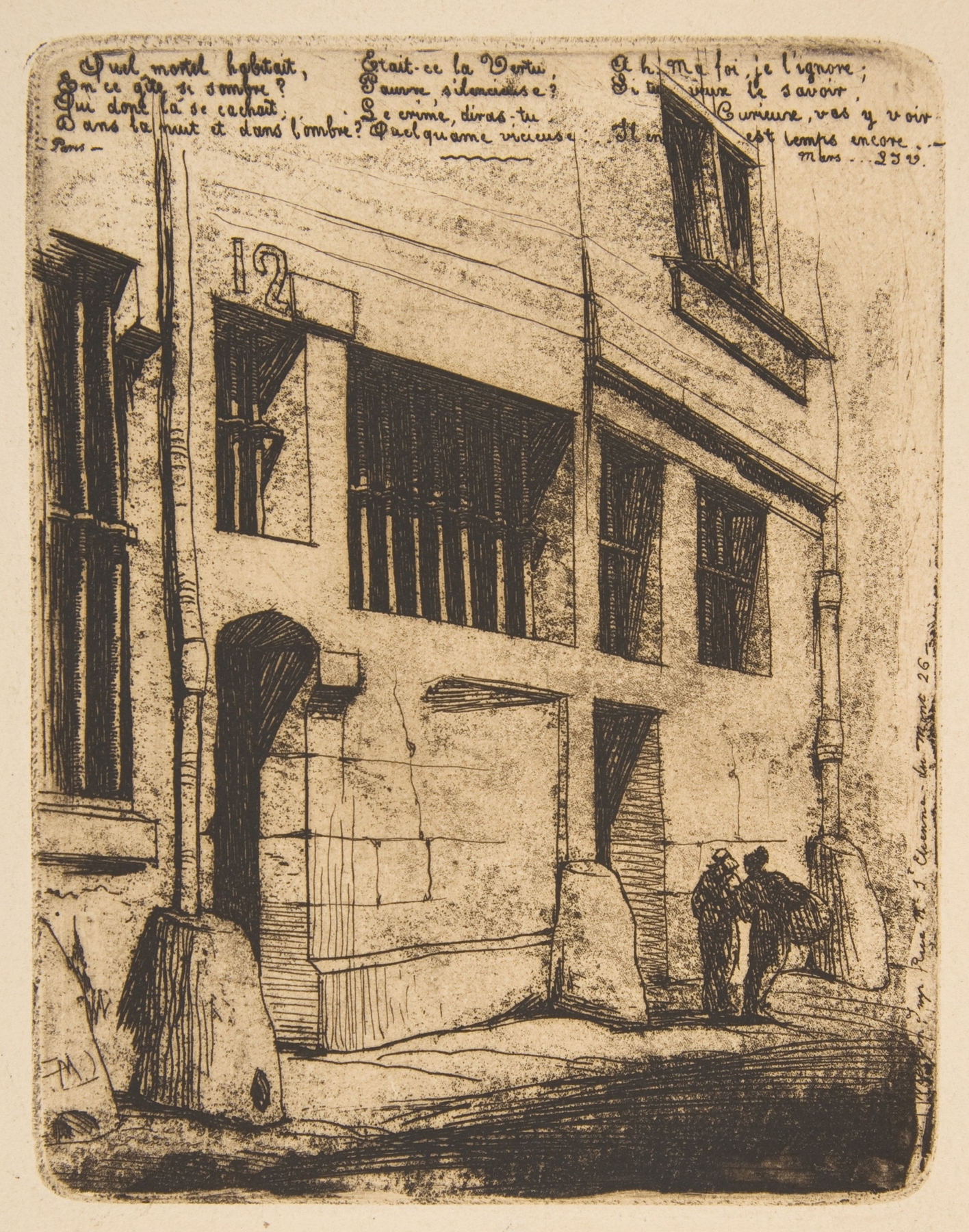
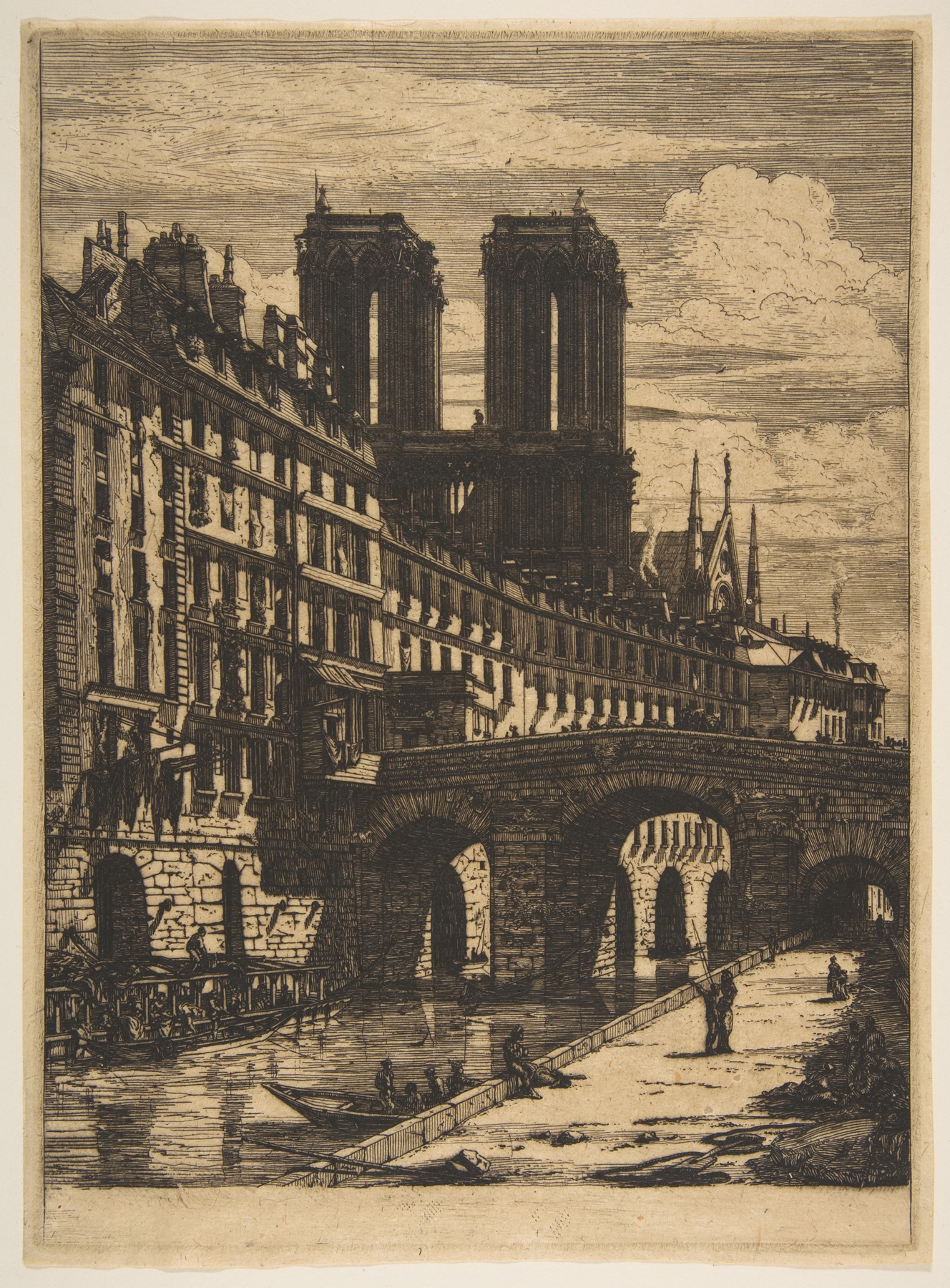
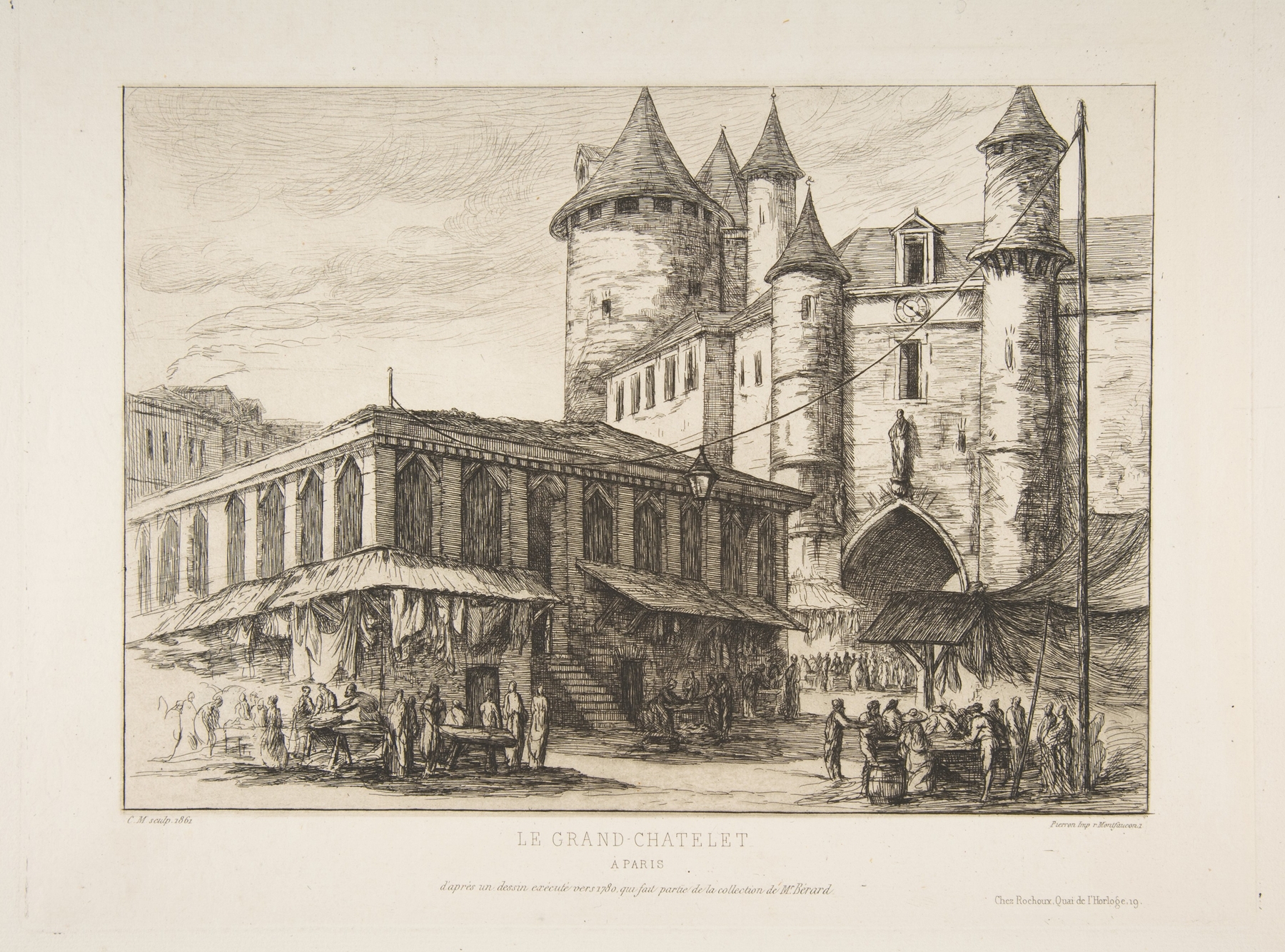
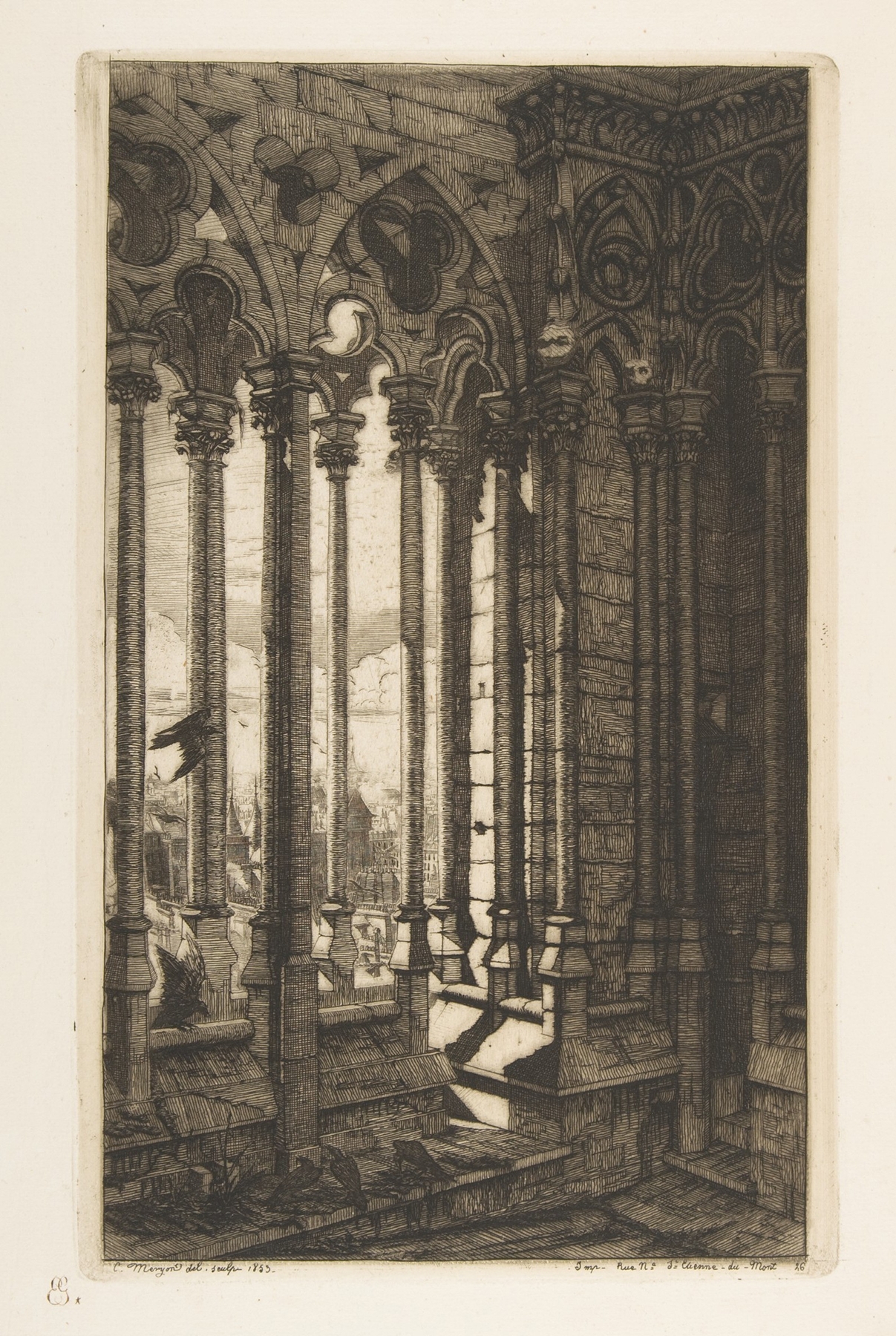
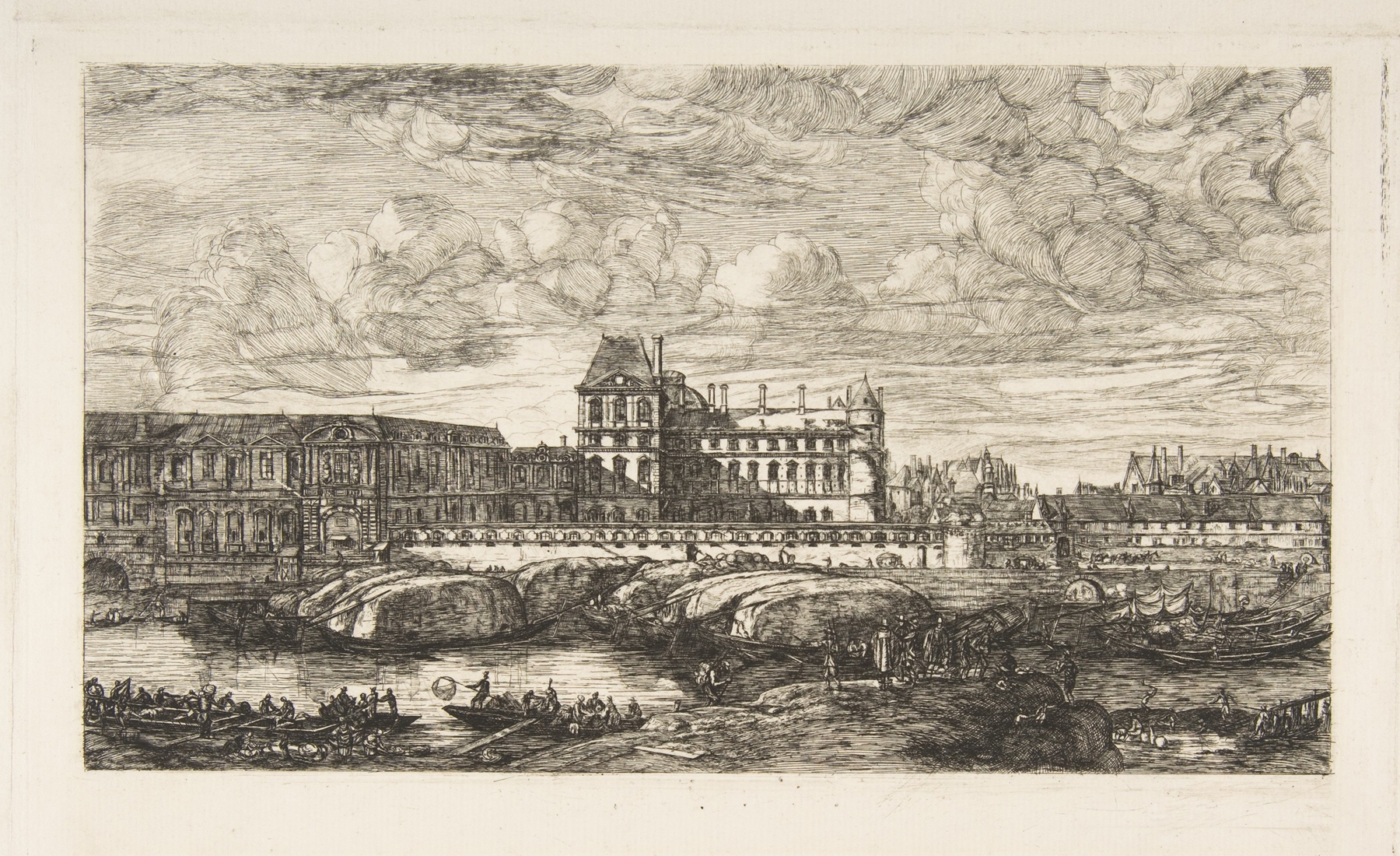
Did the painter know this moment would outlive them? A fleeting glimpse of a world suspended in time, where light and shadow converge to evoke yearning and reminiscence. Look to the center of the composition, where a lone figure stands poised, gazing into the distance; the contours of the landscape cradle him like an embrace. The delicate interplay of ink and paper brings to life the intricate architecture of the city that surrounds him, framing the human experience within solid structures.
Notice how the ethereal haze envelops the scene, softening harsh lines and creating a sense of nostalgia, drawing the eye through winding streets and elevated viewpoints. The artist captures not just a moment in time but an emotional landscape rich with contrasts. The tension between solitude and connection resonates through the figure’s posture, as if he longs for a conversation with the vastness beyond. The interplay of light serves to amplify this yearning, illuminating the foreground while casting deeper shadows in the background, suggesting hidden narratives that lie just out of reach.
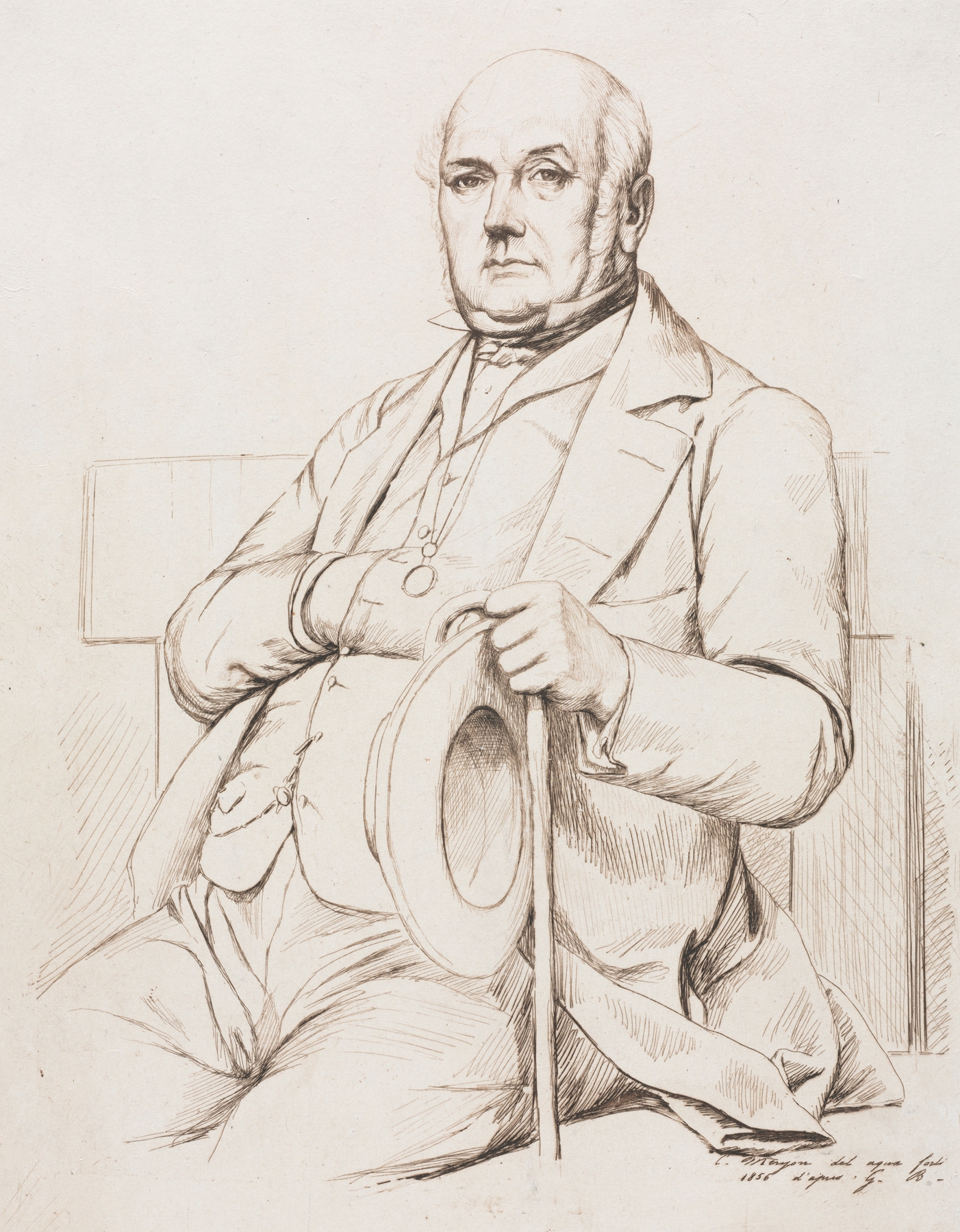
Each nuance of this work invites contemplation of the relationship between humanity and the built environment, as the viewer is urged to ponder their place within the world. Created in 1856, this piece emerged from the mind of a then-struggling Charles Meryon, who faced both personal and professional challenges. Living in Paris, his artistic journey was marked by a deep fascination with the urban landscape, as well as a growing sense of isolation. The mid-19th century was a time of great transformation in France, with art moving towards modernity, and Meryon’s work reflects both his yearning for recognition and his intricate understanding of the city’s character.