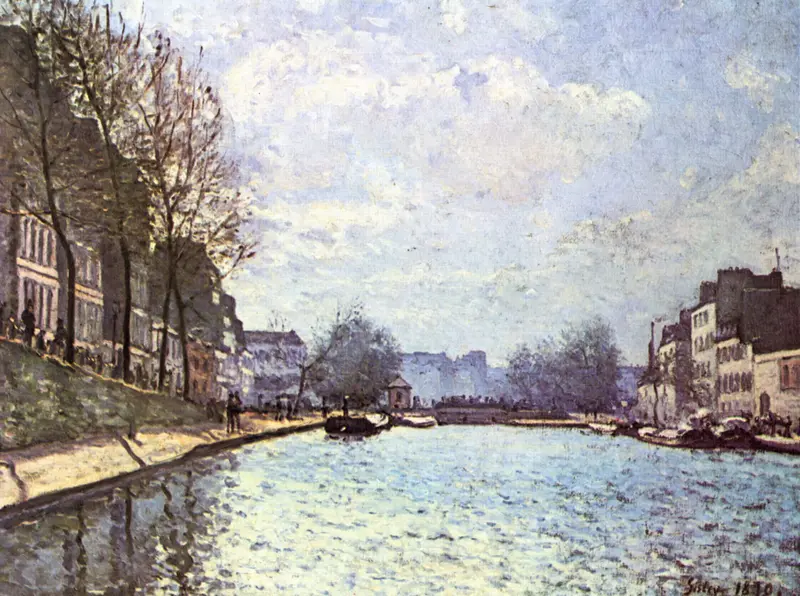
The Nôtre-Dame Pump, Paris — History & Facts
What if beauty was never meant to be finished? The act of creation may be a journey of faith, where the artist is both seeker and keeper of the ephemeral. Look to the foreground of The Nôtre-Dame Pump, where the intricate details of the stonework draw the viewer in. The delicate lines of the architectural elements intertwine with the play of shadows, expertly rendered in soft grays and deep blacks that Meryon is renowned for. Notice how the light caresses the surface, amplifying textures, while the well-defined figures stand resolute, embodying a moment suspended in time. Beneath the surface, several contrasts emerge — the solidity of the ancient stone juxtaposed with the fluidity of the water, a symbol of life and renewal.
The figures, laden with purpose, reflect a quiet reverence, suggesting a deeper faith in both the physical and the spiritual realms. Meryon’s decision to highlight the mechanics of the pump amidst the sacred architecture hints at the interplay between human endeavor and divine inspiration, inviting contemplation of our place within this harmonious balance. Created in 1852, this artwork reflects a period in Charles Meryon's life marked by artistic exploration and personal turmoil. Living in Paris, he was captivated by the city's architecture and its capacity to evoke emotional landscapes.
At this time, the world of art was shifting, leaving behind the romantic ideals of the past and embracing new forms, but Meryon remained devoted to the beauty of his city's essence, believing in the enduring power of faith as it manifests through art.
More Artworks by Charles Meryon

Gallery, Nôtre-Dame Cathedral, Paris
Charles Meryon
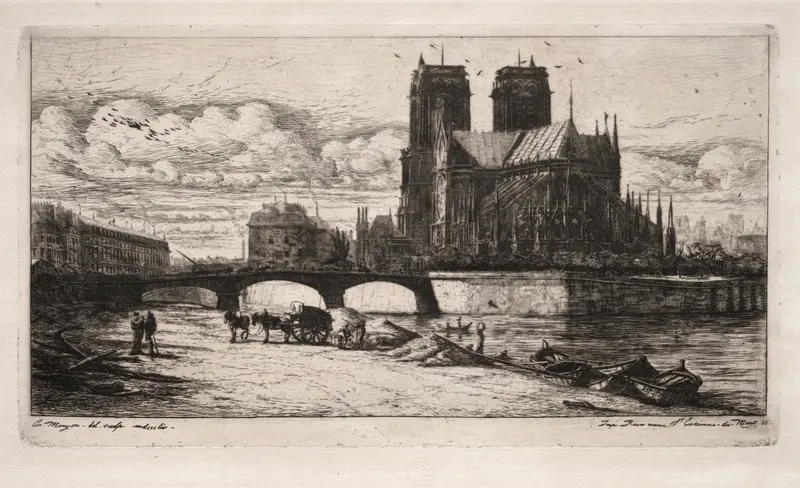
The Apse of Nôtre-Dame, Paris
Charles Meryon
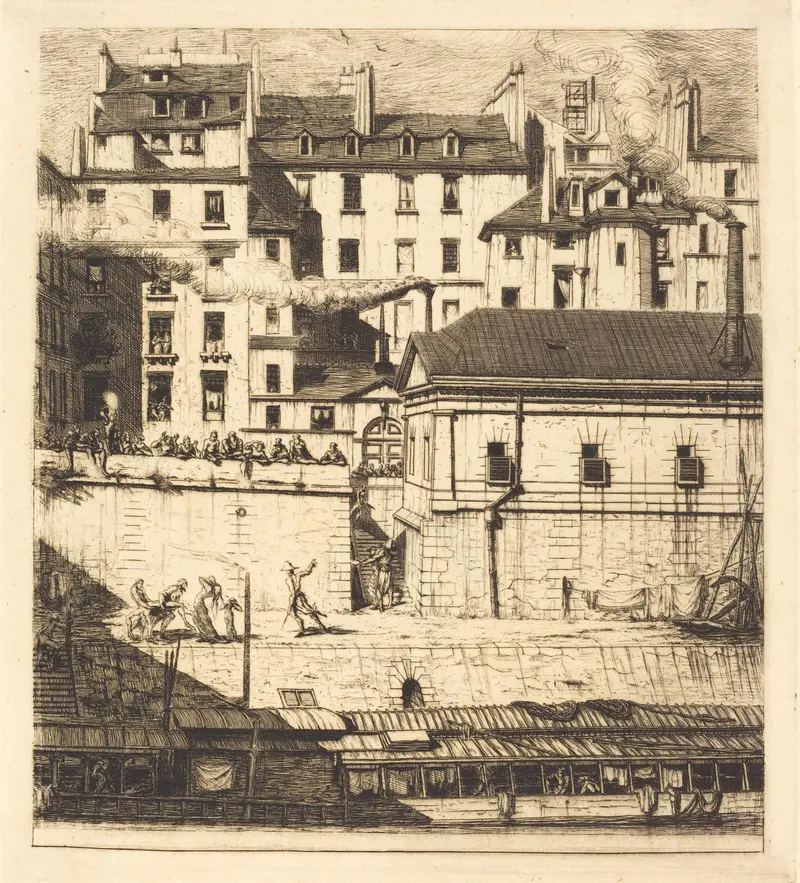
The Mortuary, Paris (La Morgue)
Charles Meryon
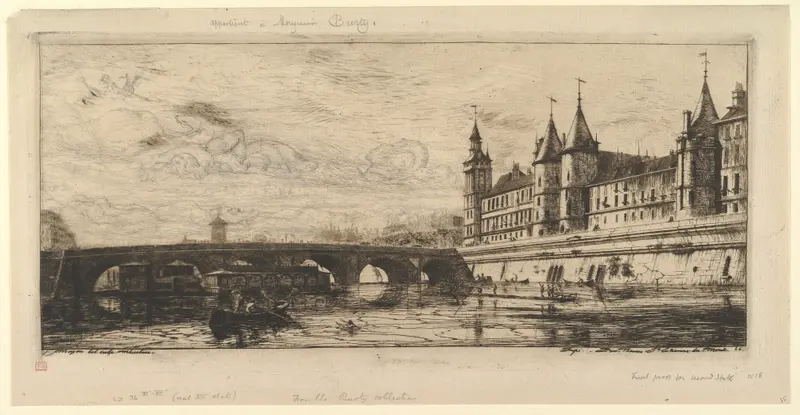
Le Pont au Change
Charles Meryon
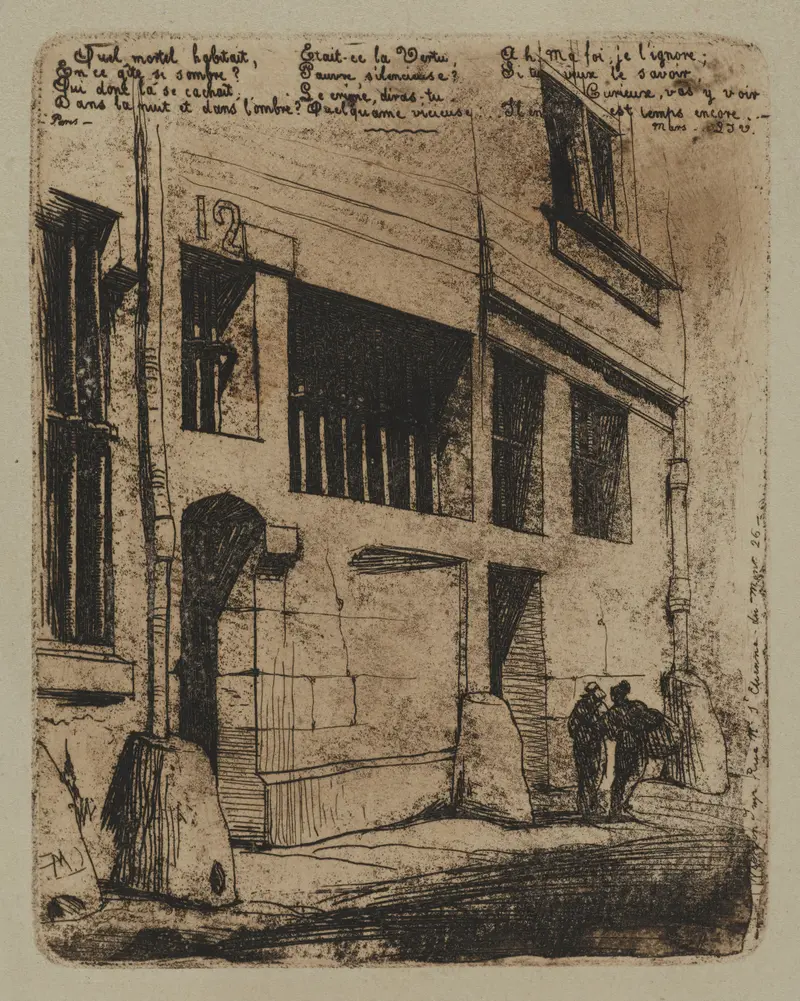
Rue des Mauvais Garçons, Paris
Charles Meryon
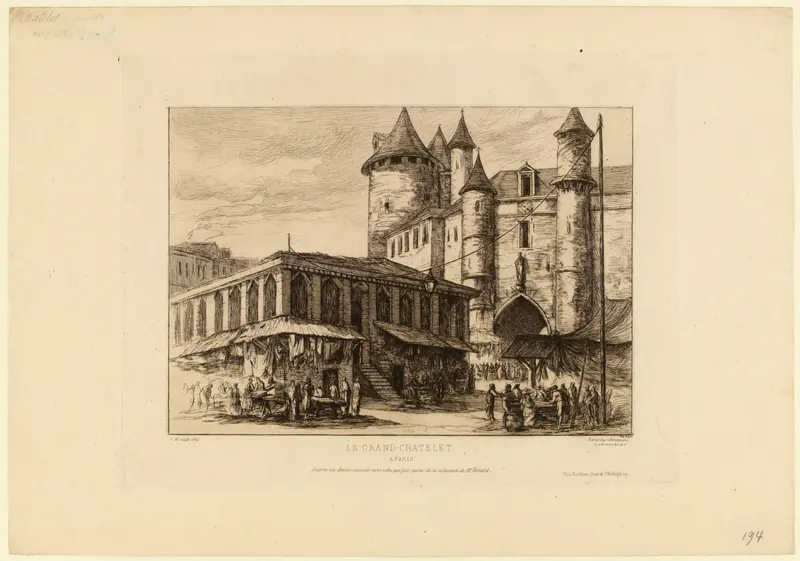
Le Grand Châtelet
Charles Meryon
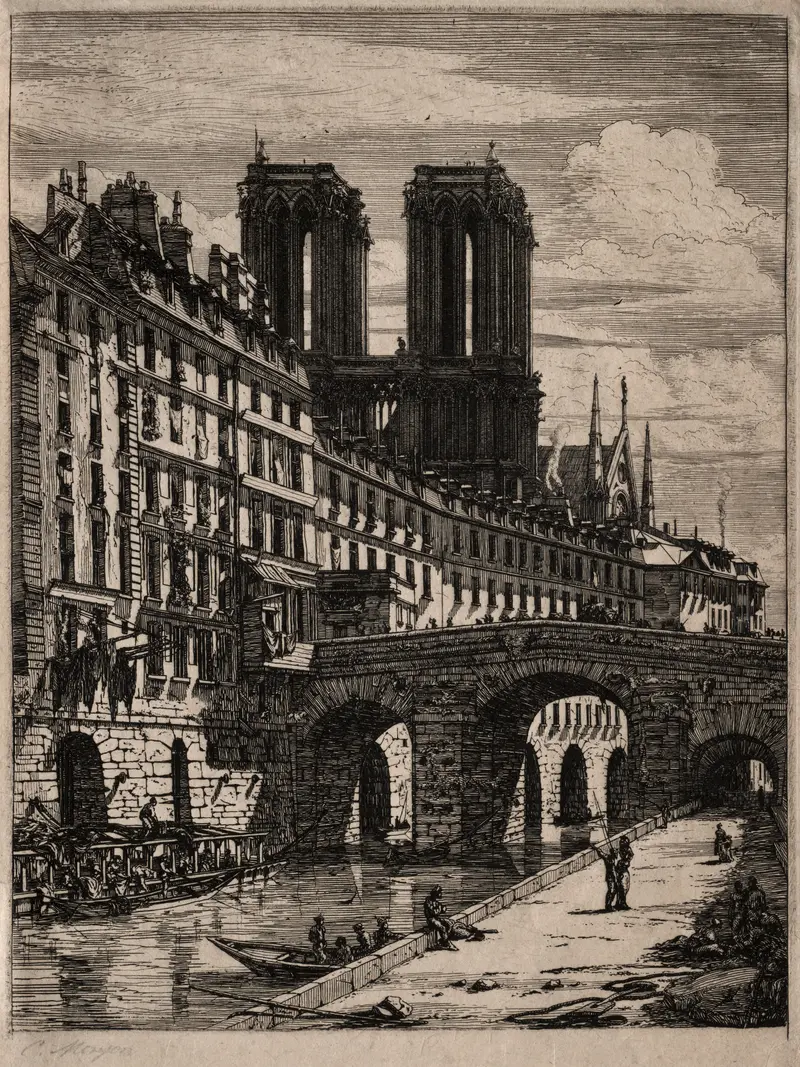
The Petit Pont, Paris
Charles Meryon
The Gallery, Nôtre-Dame Cathedral, Paris
Charles Meryon

L’Ancien Louvre (The Old Louvre, Paris, after Zeeman)
Charles Meryon
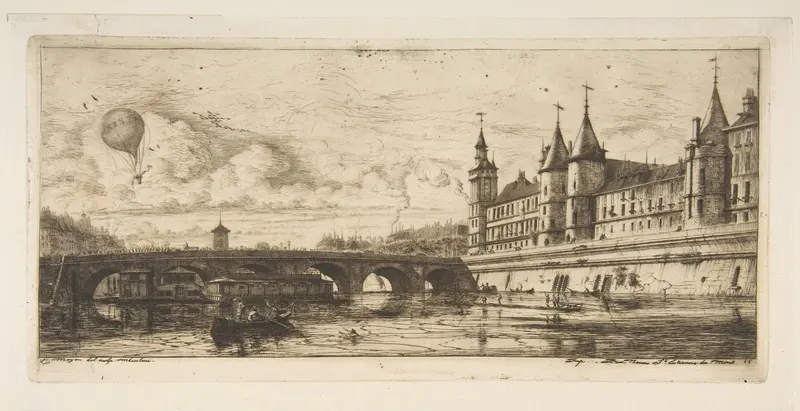
Pont-au-change, Paris
Charles Meryon