L’Ancien Louvre (The Old Louvre, Paris, after Zeeman) — History & Analysis
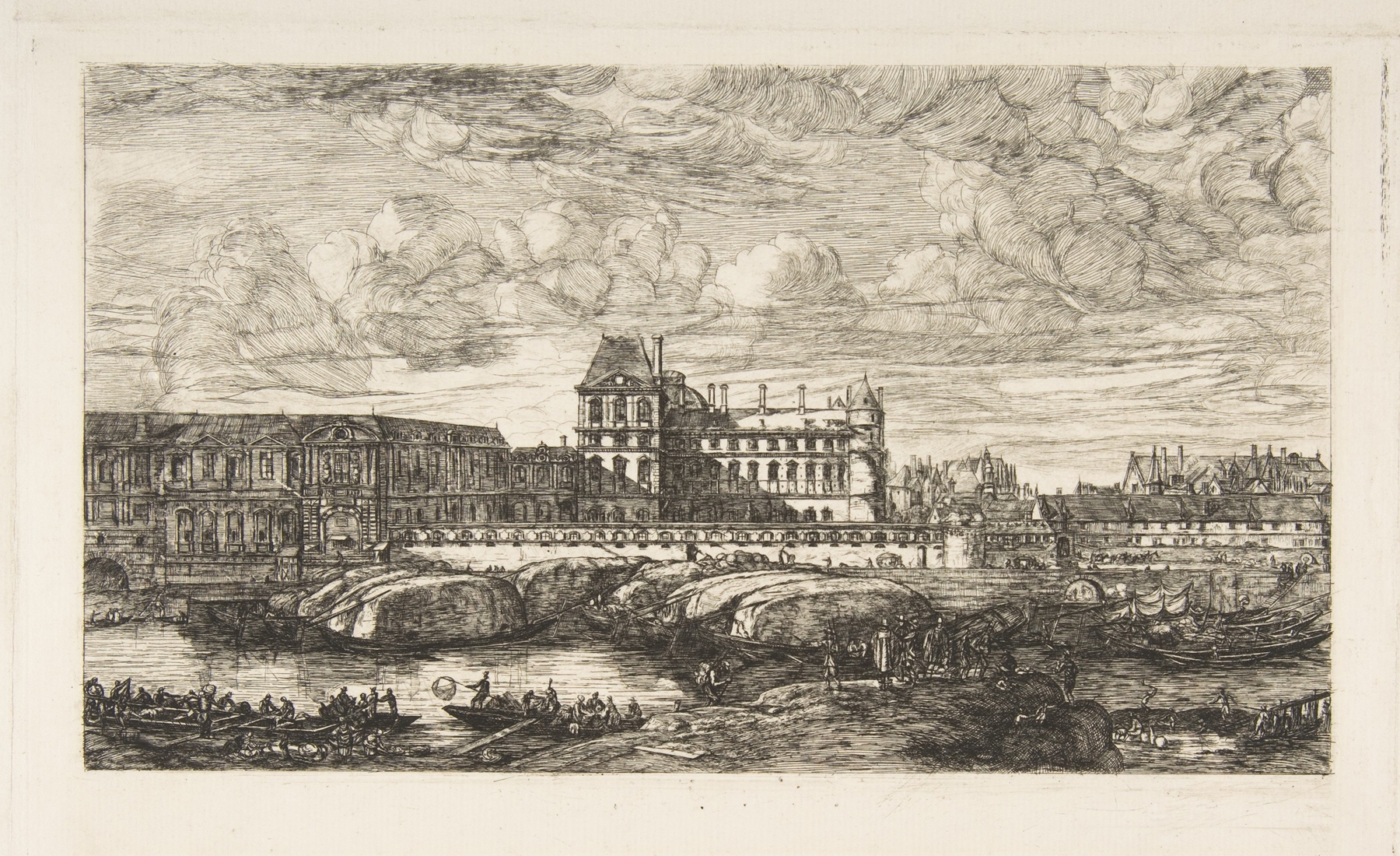
What if beauty was never meant to be finished? In the stillness of L’Ancien Louvre, the air hangs heavy with silent reverence, inviting us to linger in its haunting elegance. Look closely at the intricate details of the architecture, particularly the delicate outlines of the iconic structures that dominate the canvas. Notice how Meryon masterfully employs light and shadow, allowing the play of darkness to accentuate the ornate facades.
You can almost feel the chill of the stone as the cool hues establish a palpable atmosphere, drawing your gaze across the scene’s quiet grandeur. The meticulous crosshatching creates a textural depth that invites closer inspection, revealing subtle nuances in the shading that breathe life into the venerable monument. Within this stark yet exquisite portrayal lies a meditation on the passage of time. The subdued palette suggests a sense of nostalgia, while the absence of human figures amplifies the solitude of the historic site, evoking reflections on loss and memory.
Each stroke holds a whisper of the past, hinting at stories untold, and the very stillness underscores the contrast between the eternal nature of architecture and the fleeting human experience. Charles Meryon created L’Ancien Louvre in 1865-66 during a period of personal turmoil and artistic transformation. Living in Paris, he was both influenced by and responding to the shifting tides of Romanticism and the burgeoning Realism movement. Meryon’s dedication to capturing the essence of the city’s historic architecture spoke to his desire to preserve the fleeting beauty of a world undergoing rapid change, making this work a poignant reflection of both his life and the era.