Le Pont au Change — History & Analysis
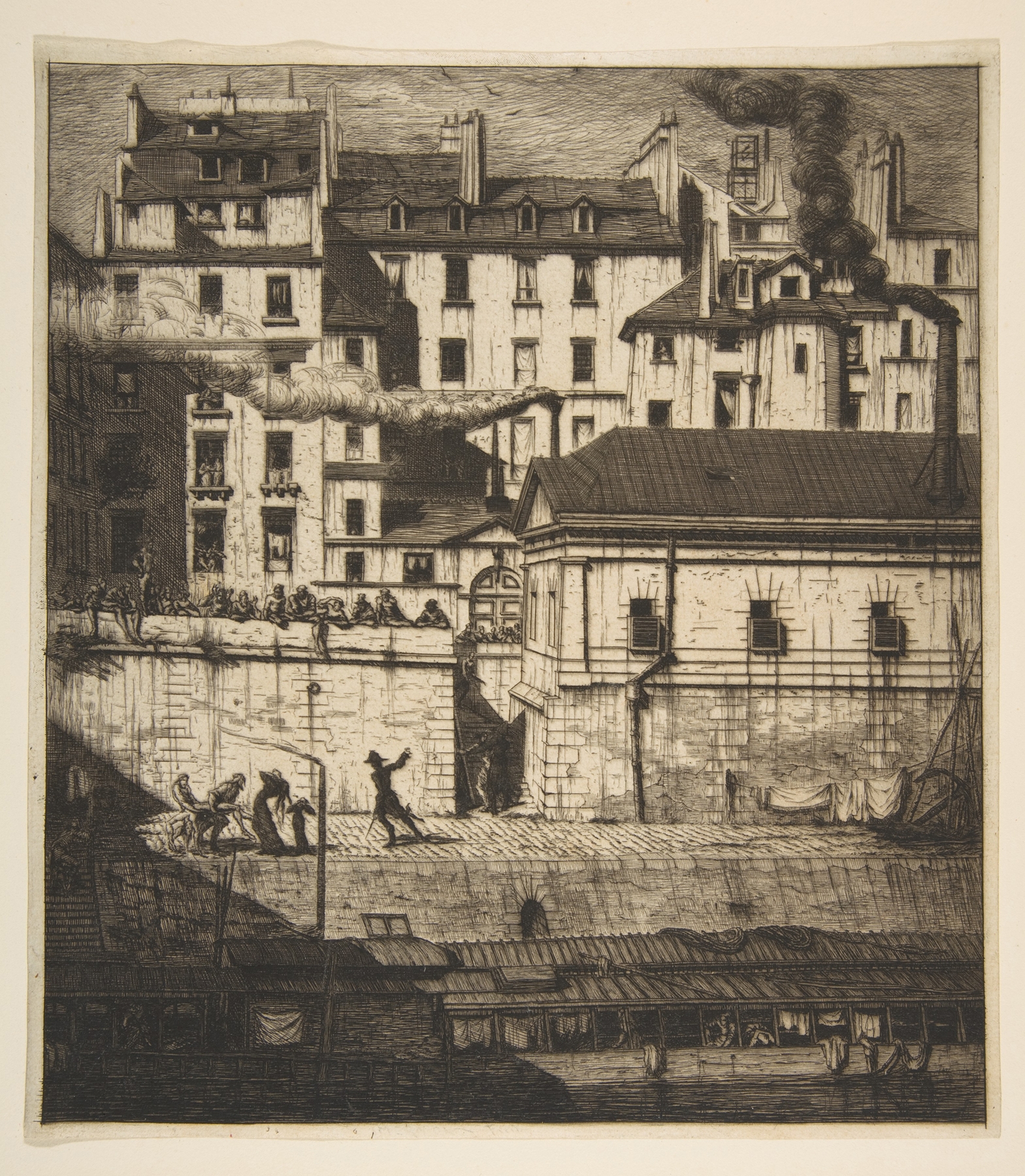
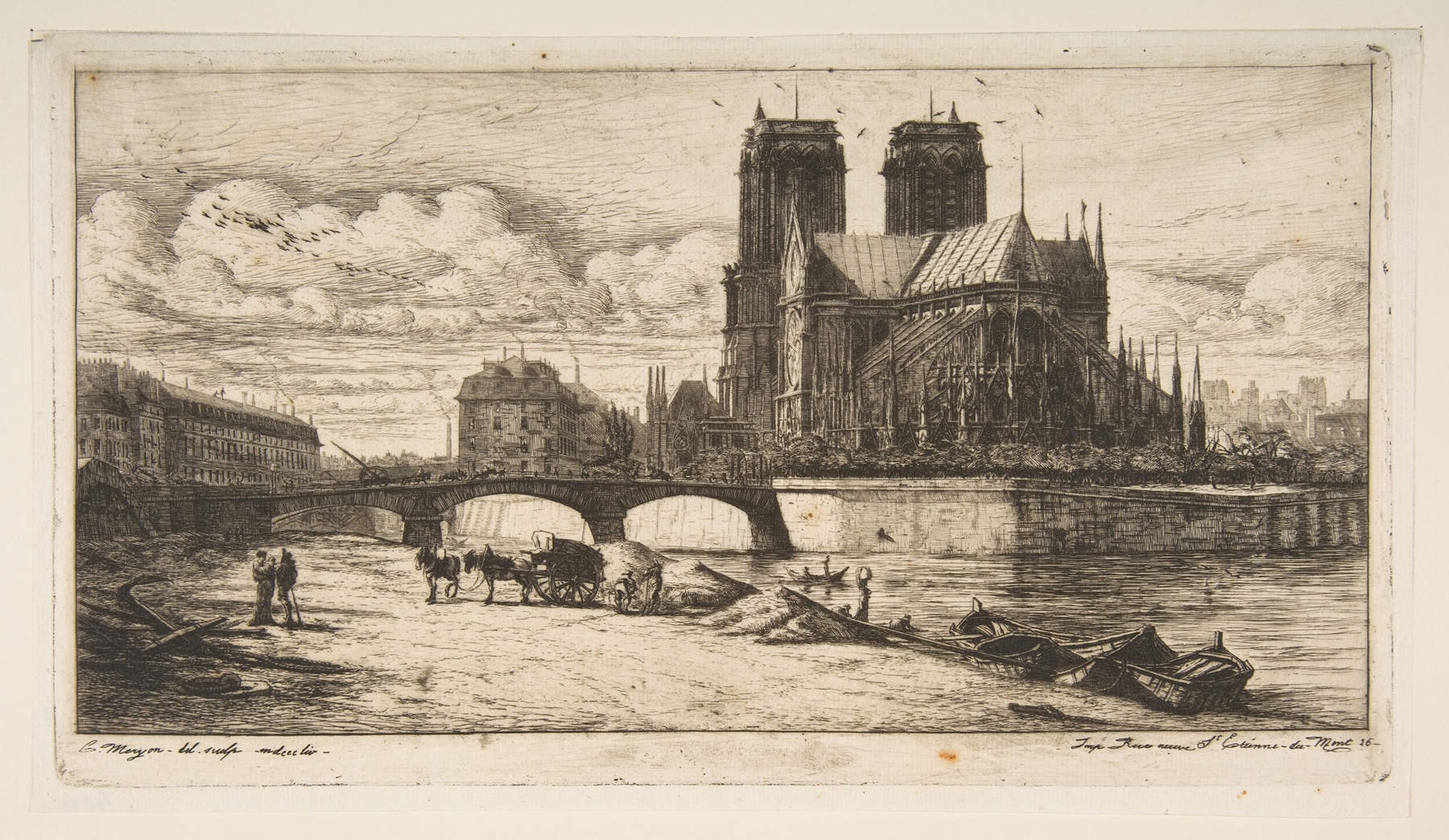
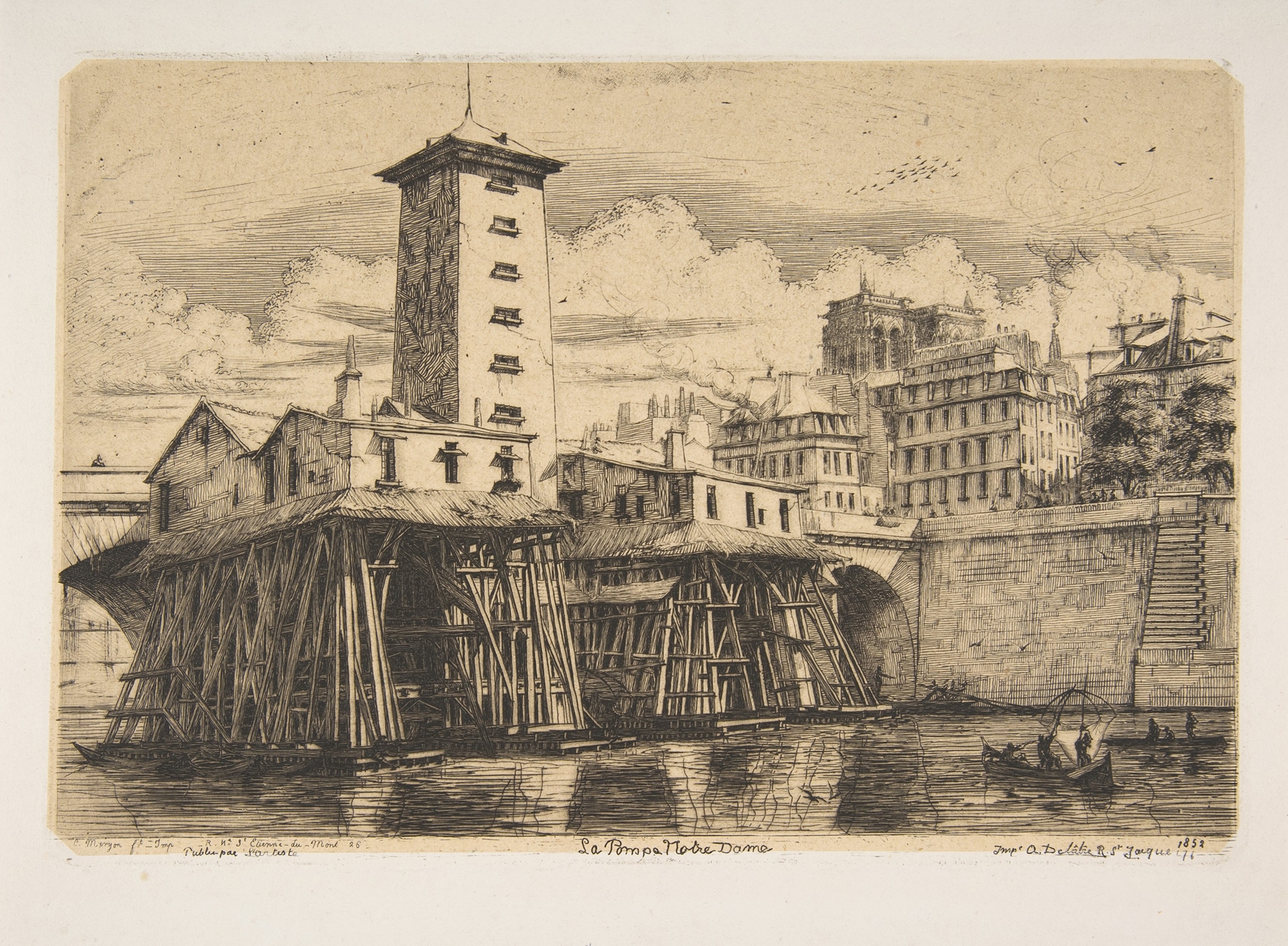
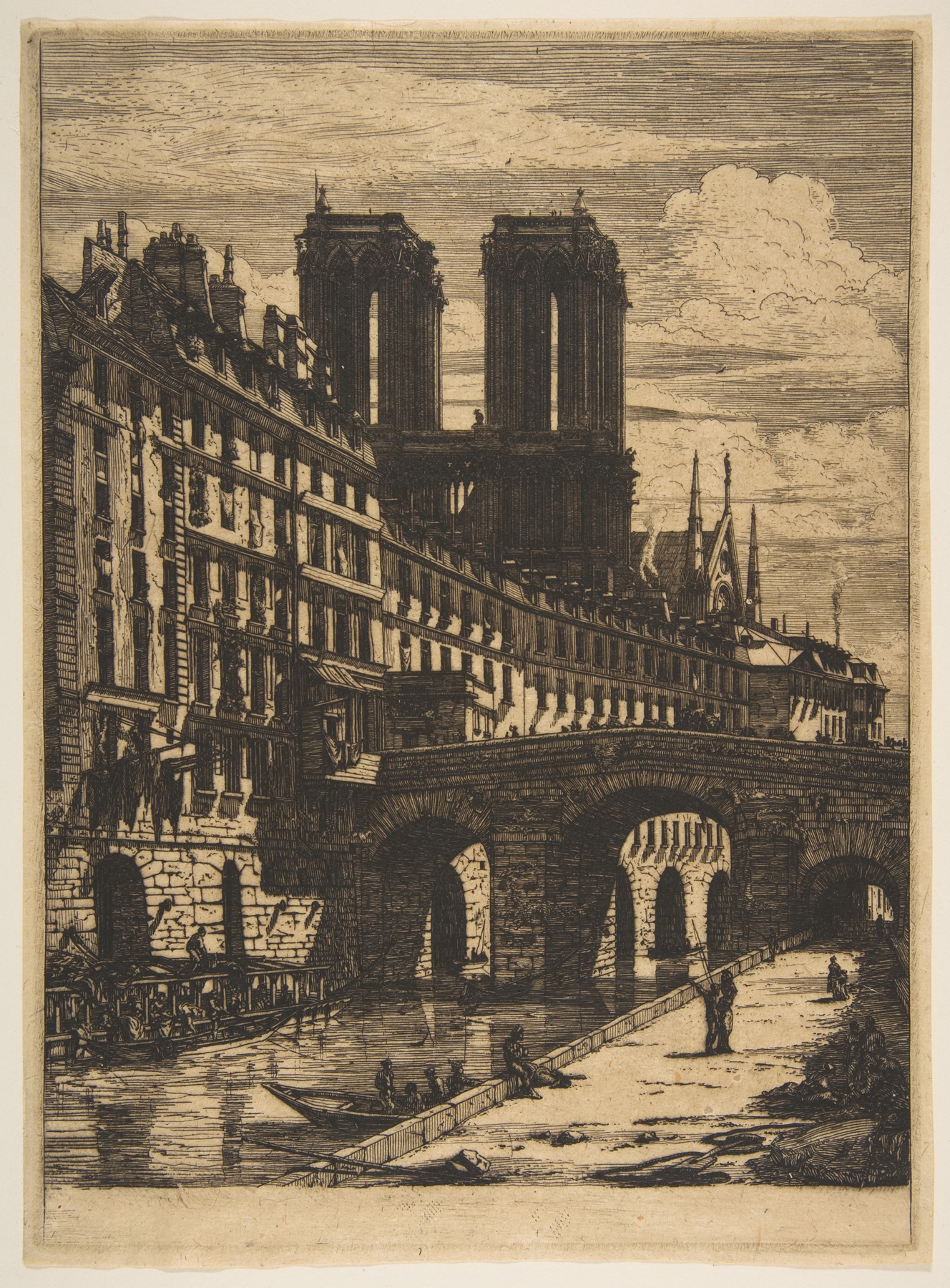
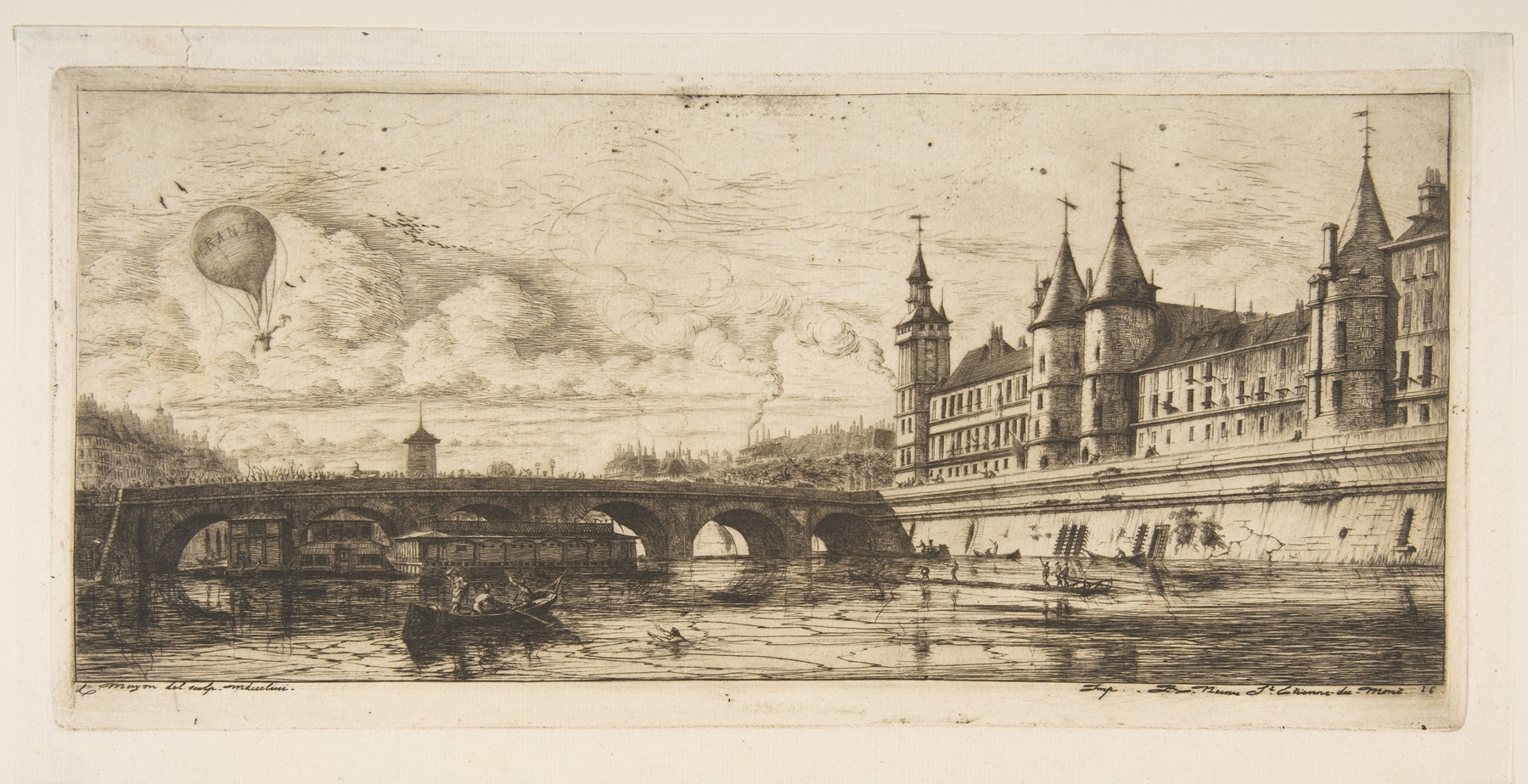
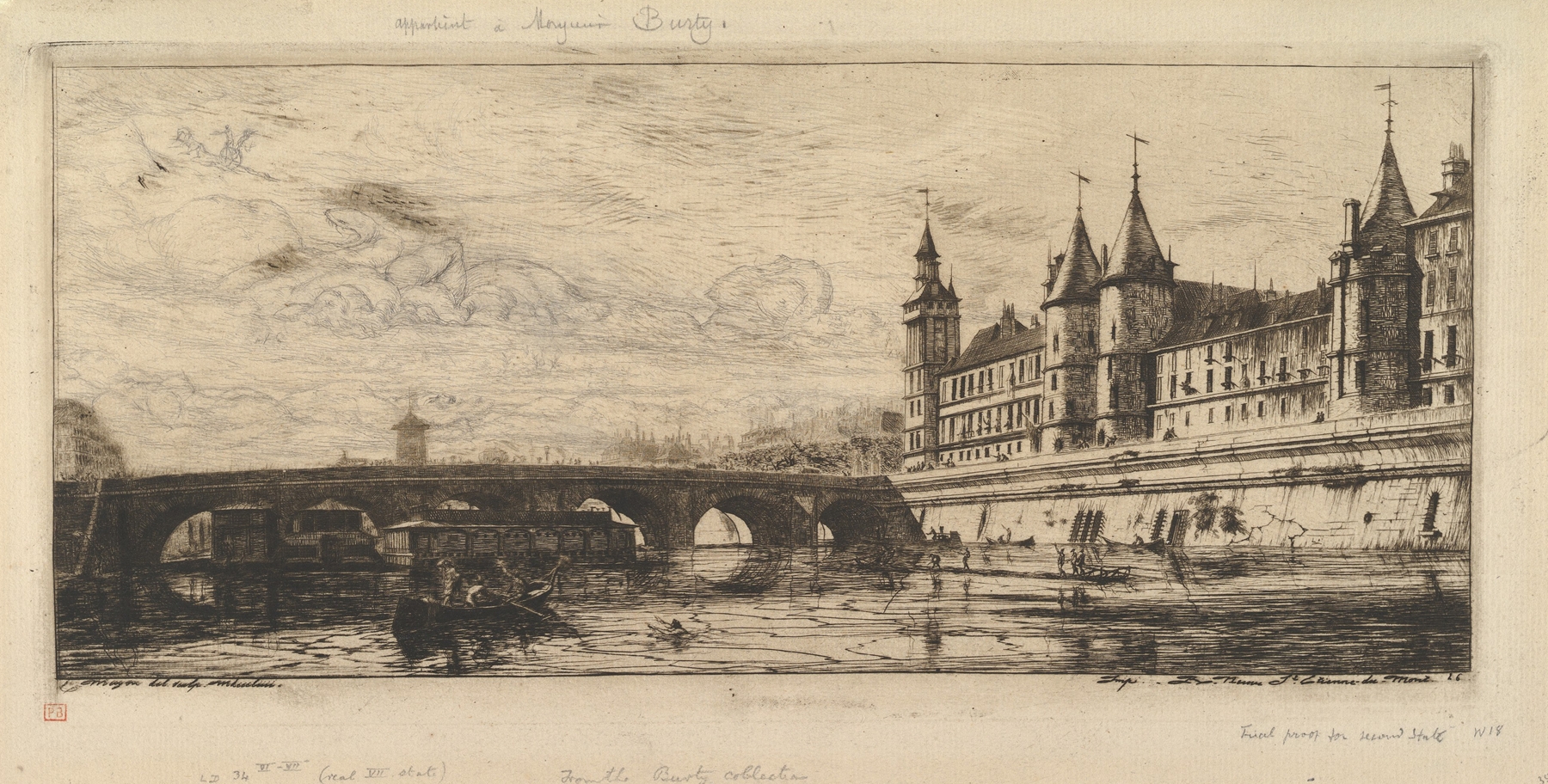
Who listens when art speaks of silence? In the fading light of dusk, as the world retreats into quietude, serenity takes shape in the ethereal strokes of a masterful hand. Focus on the delicate arches of the bridge, an elegant frame that draws your gaze across the water’s soft reflections. Notice how the intricate details of the architecture breathe life into the scene; the delicate lines contrast with the gentle, muted tones of gray and blue, creating a harmonious interplay between solidity and fluidity.
The interplay of light and shadow creates an almost meditative quality, inviting contemplation as the viewer's eye wanders through the tranquil ambiance. Beneath the surface, the painting reveals a profound stillness, evoking memories of fleeting moments and whispered secrets. The bridge, once bustling with life, now serves as a silent witness to time's passage, suggesting both connection and isolation. This duality resonates deeply, as the calm water mirrors the profound depths of human experience—moments of peace colliding with the echoes of lives once lived.
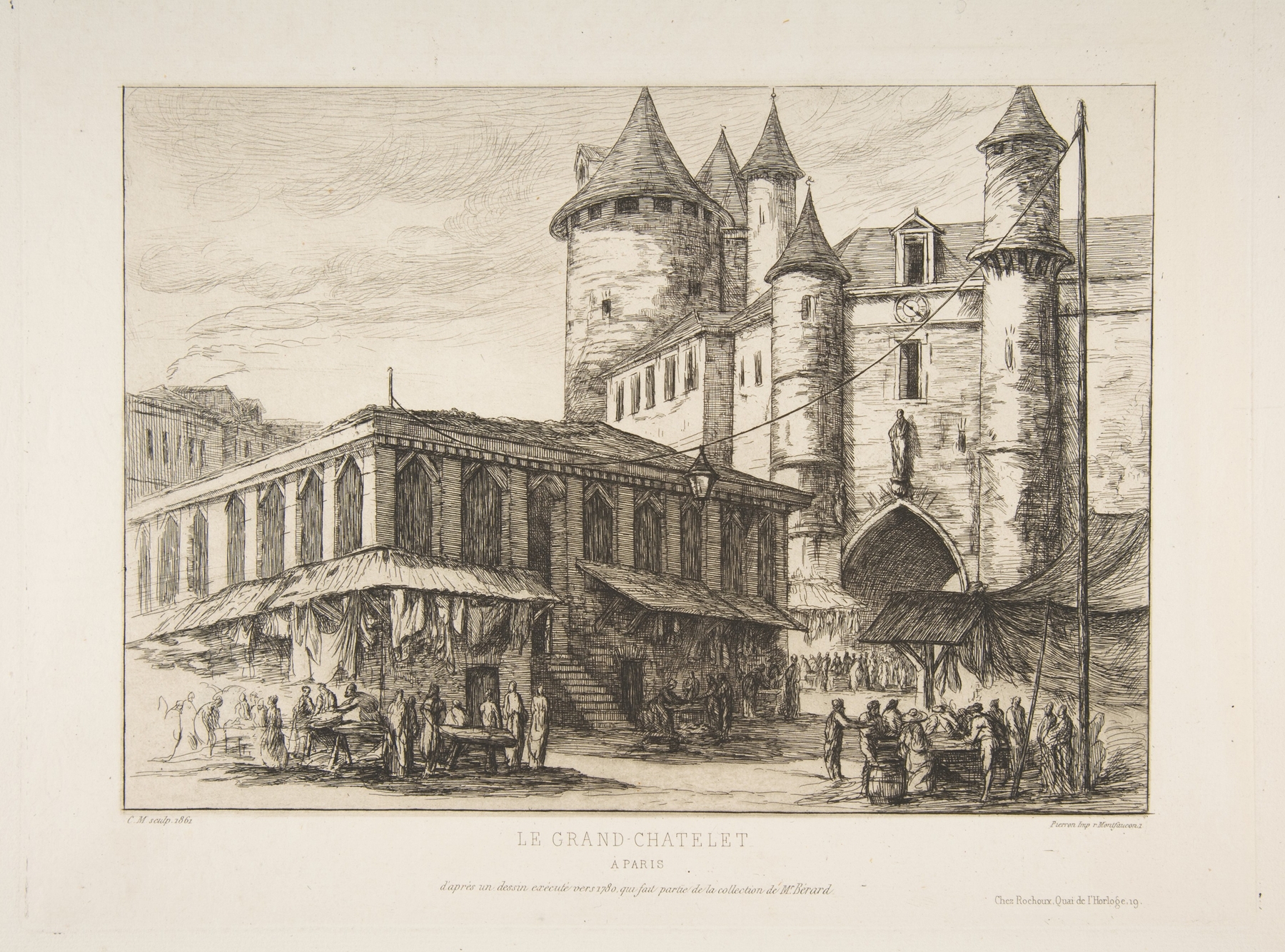
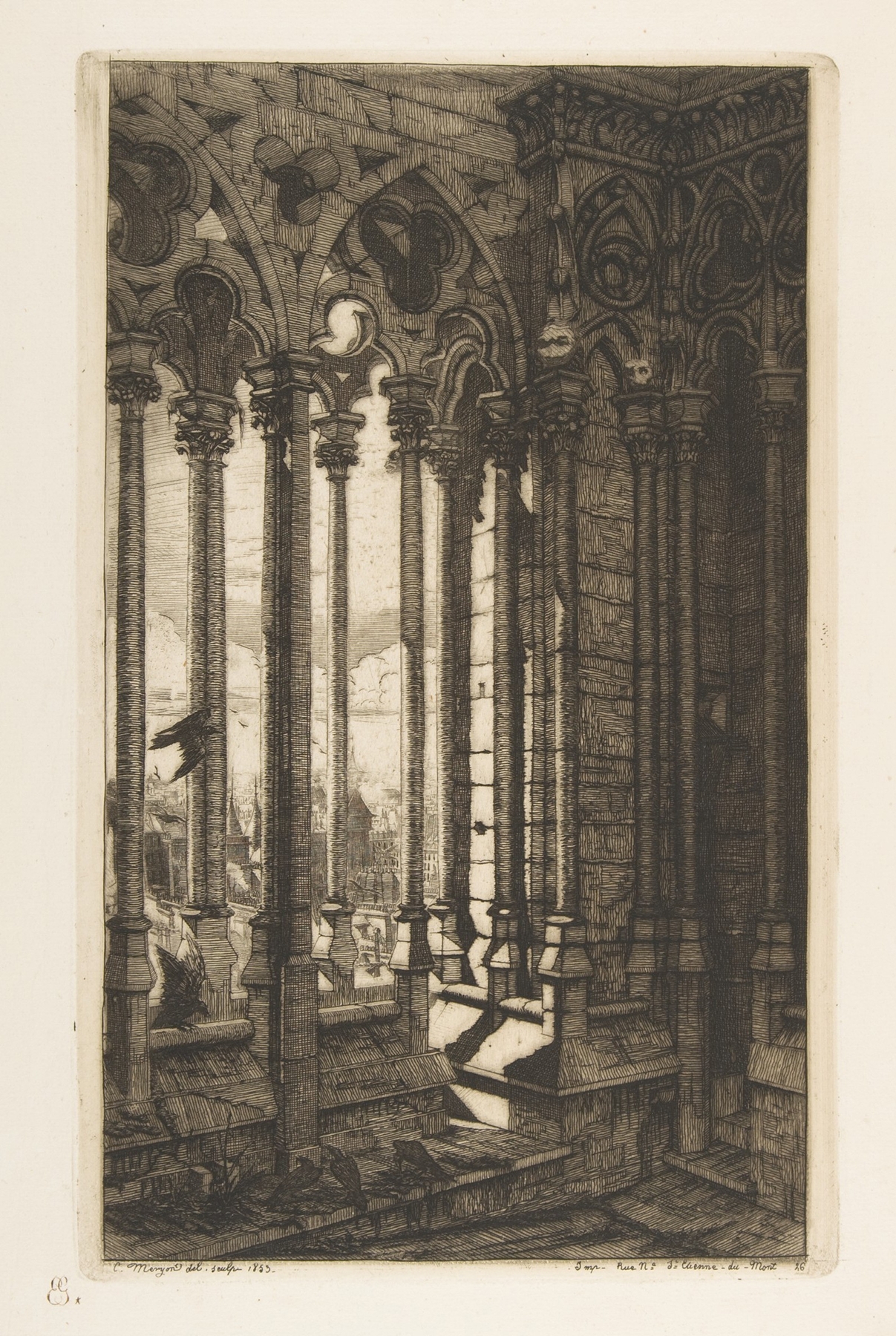
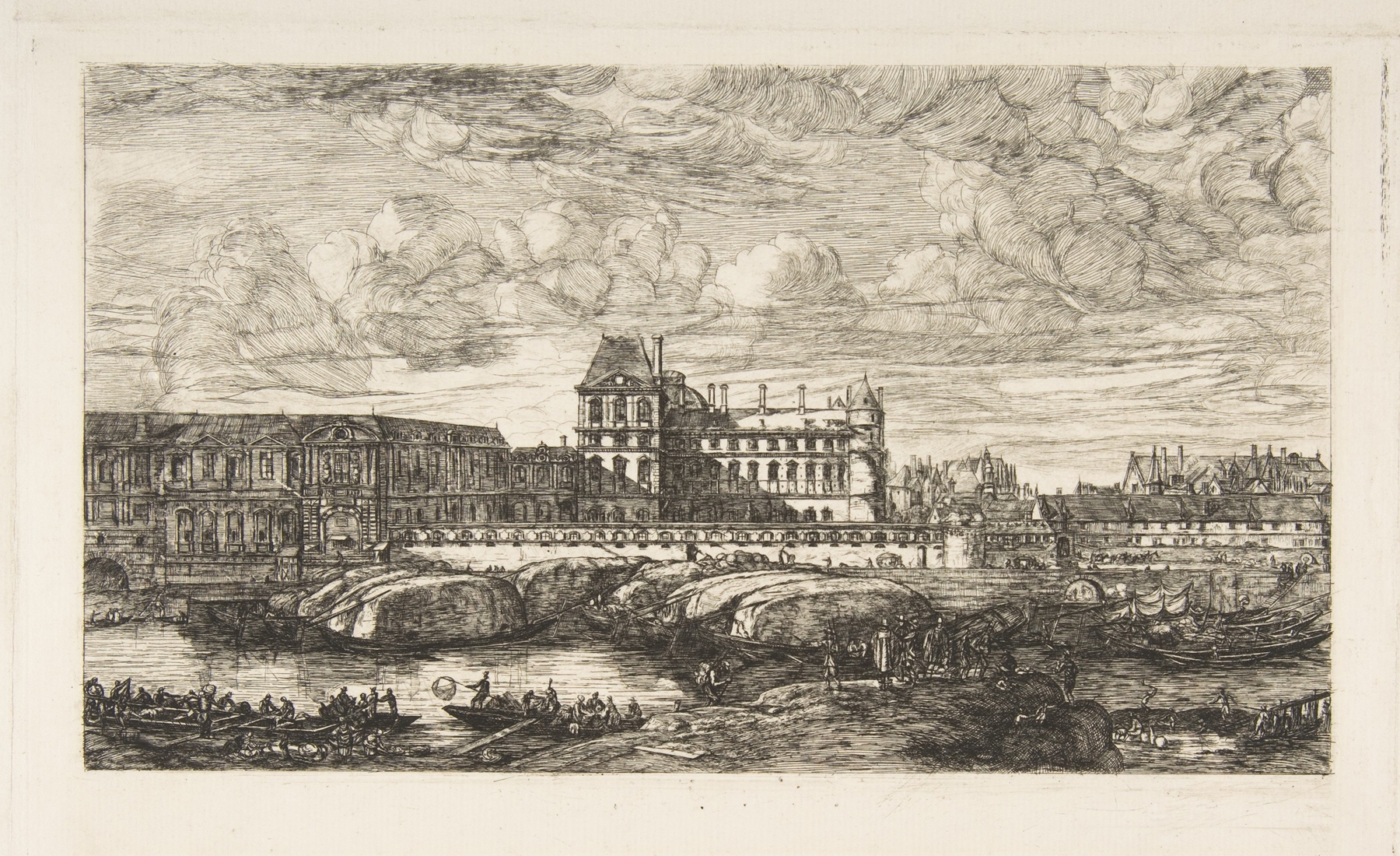
Created during a period of personal introspection, this work emerged from the artist's desire to capture the essence of Paris in the mid-19th century, a city evolving rapidly amidst the changes of modernity. Meryon’s focus on architectural forms coincided with his struggle against the constraints of his own artistic vision, as he sought a distinct voice in a world rich with artistic innovation. This painting stands as a testament to his quest for beauty amid the chaos, cementing his legacy within the pantheon of urban landscapes.