The Gallery, Nôtre-Dame Cathedral, Paris — History & Analysis
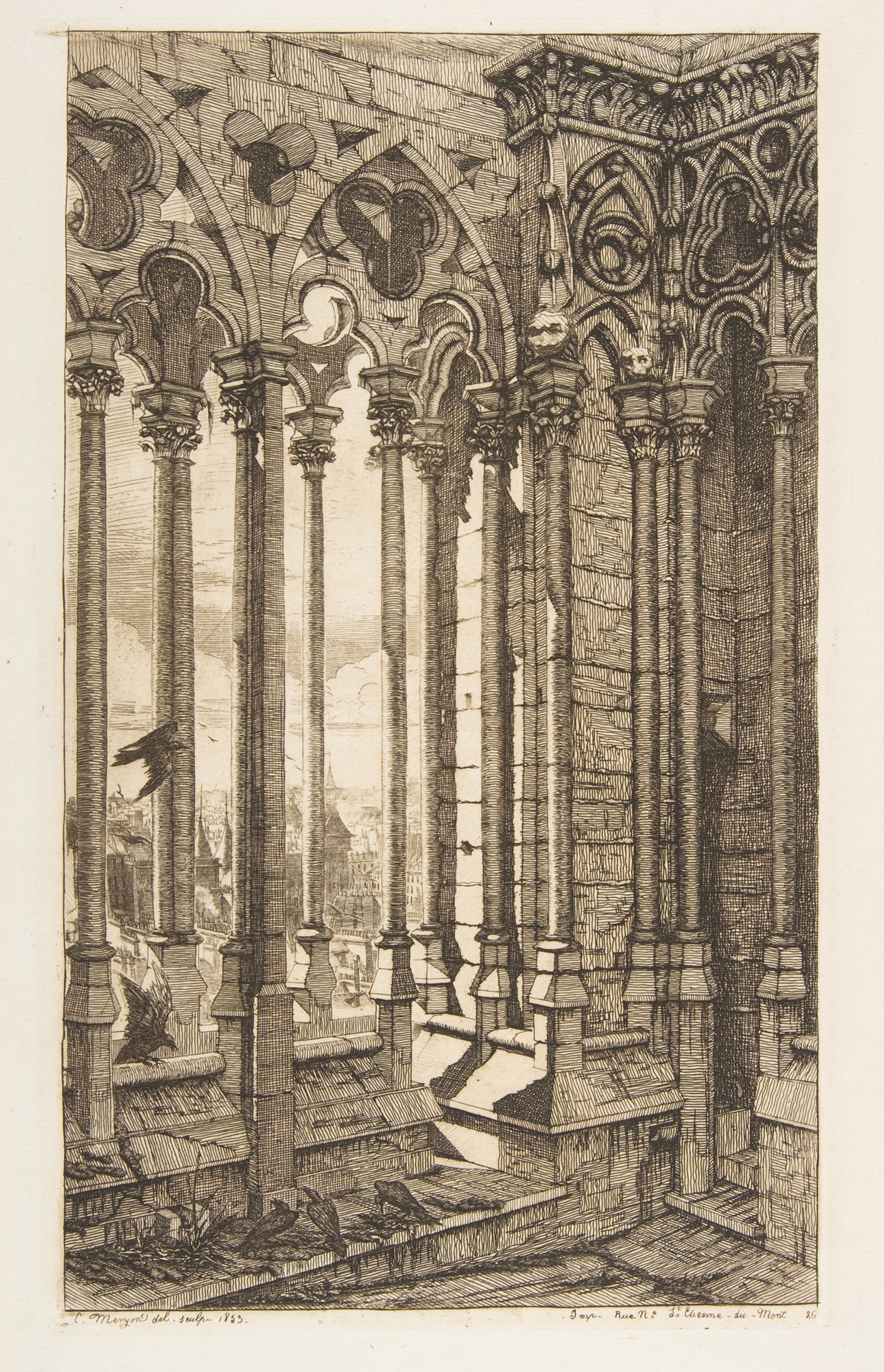
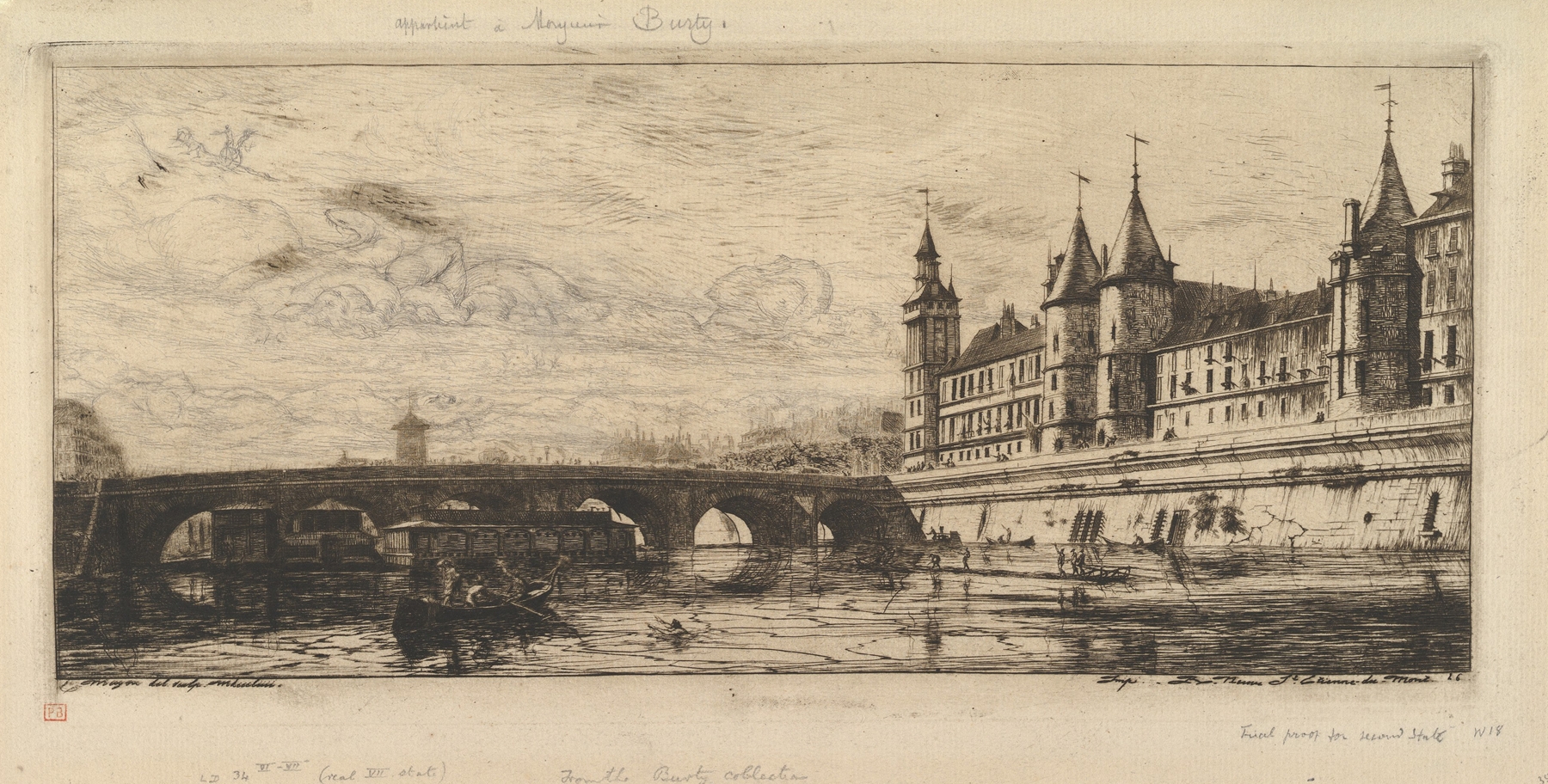
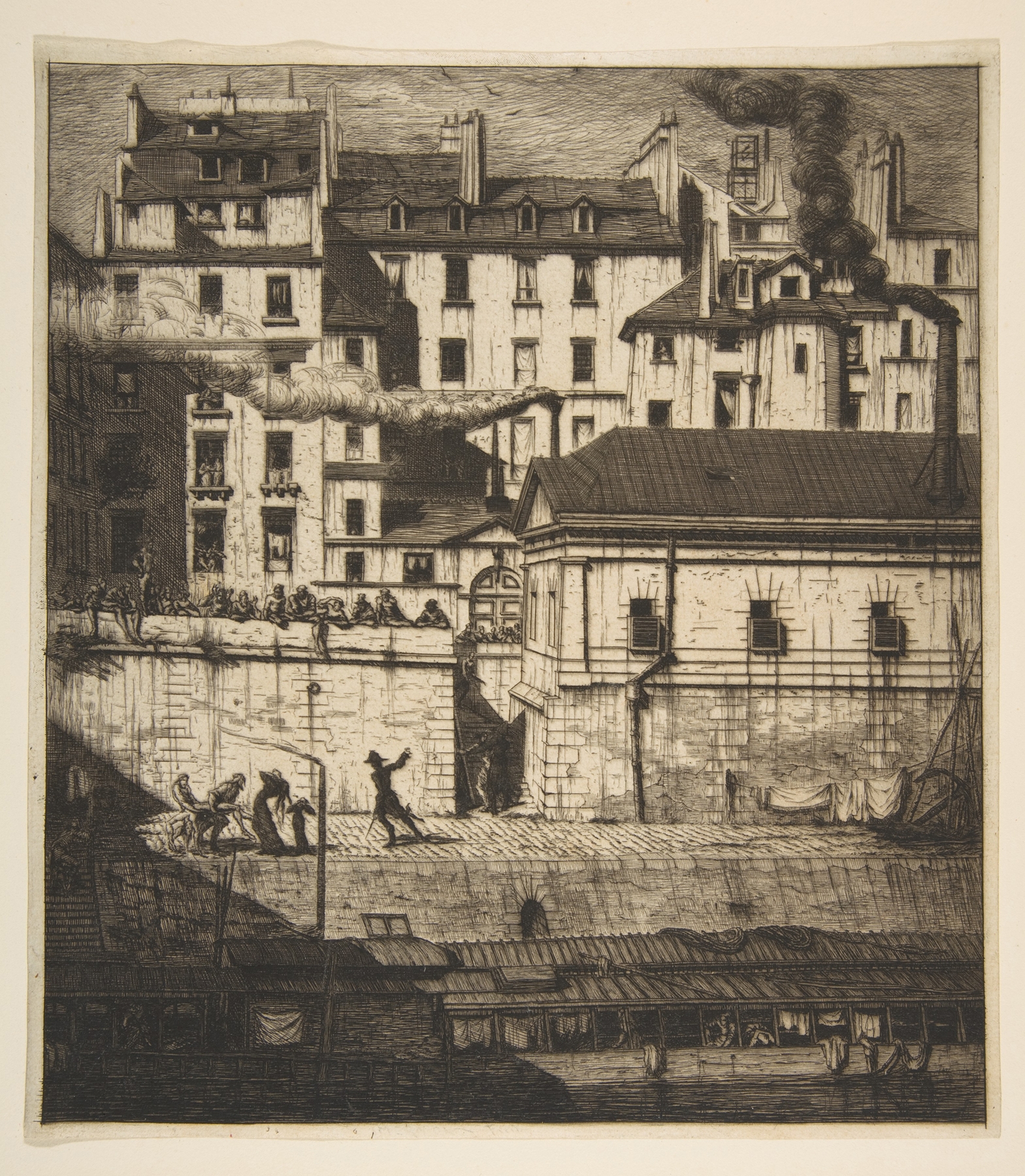
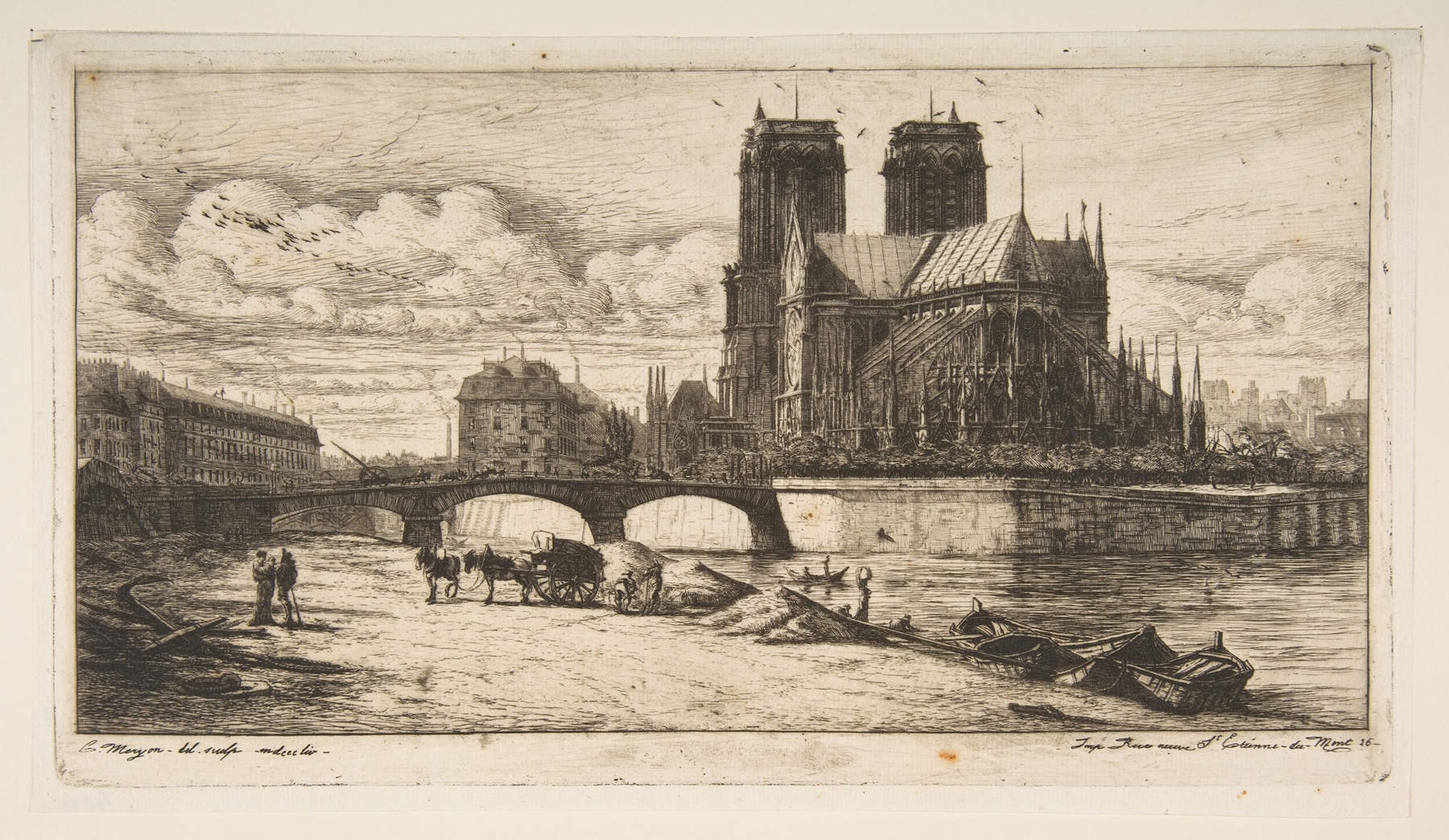
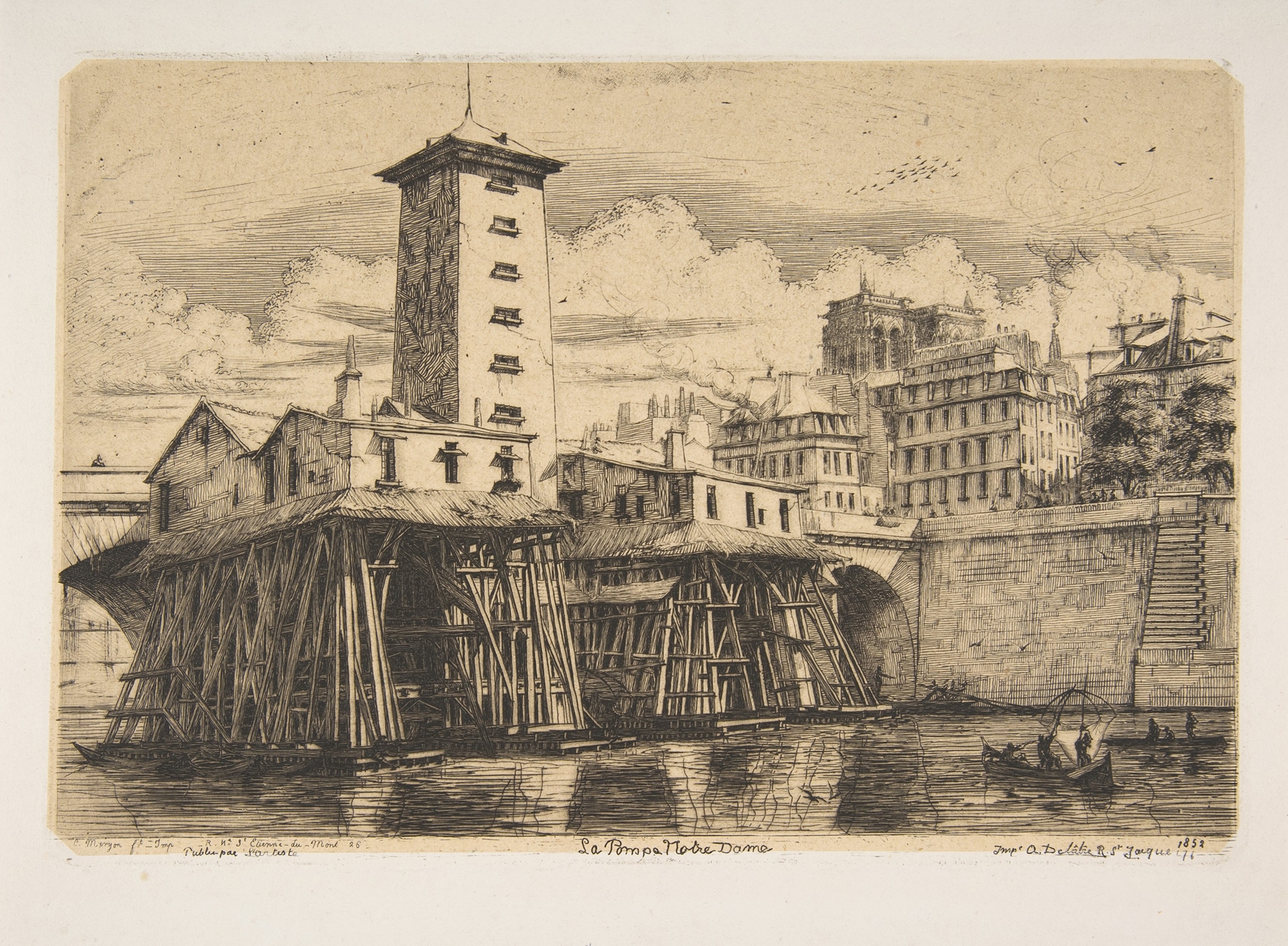
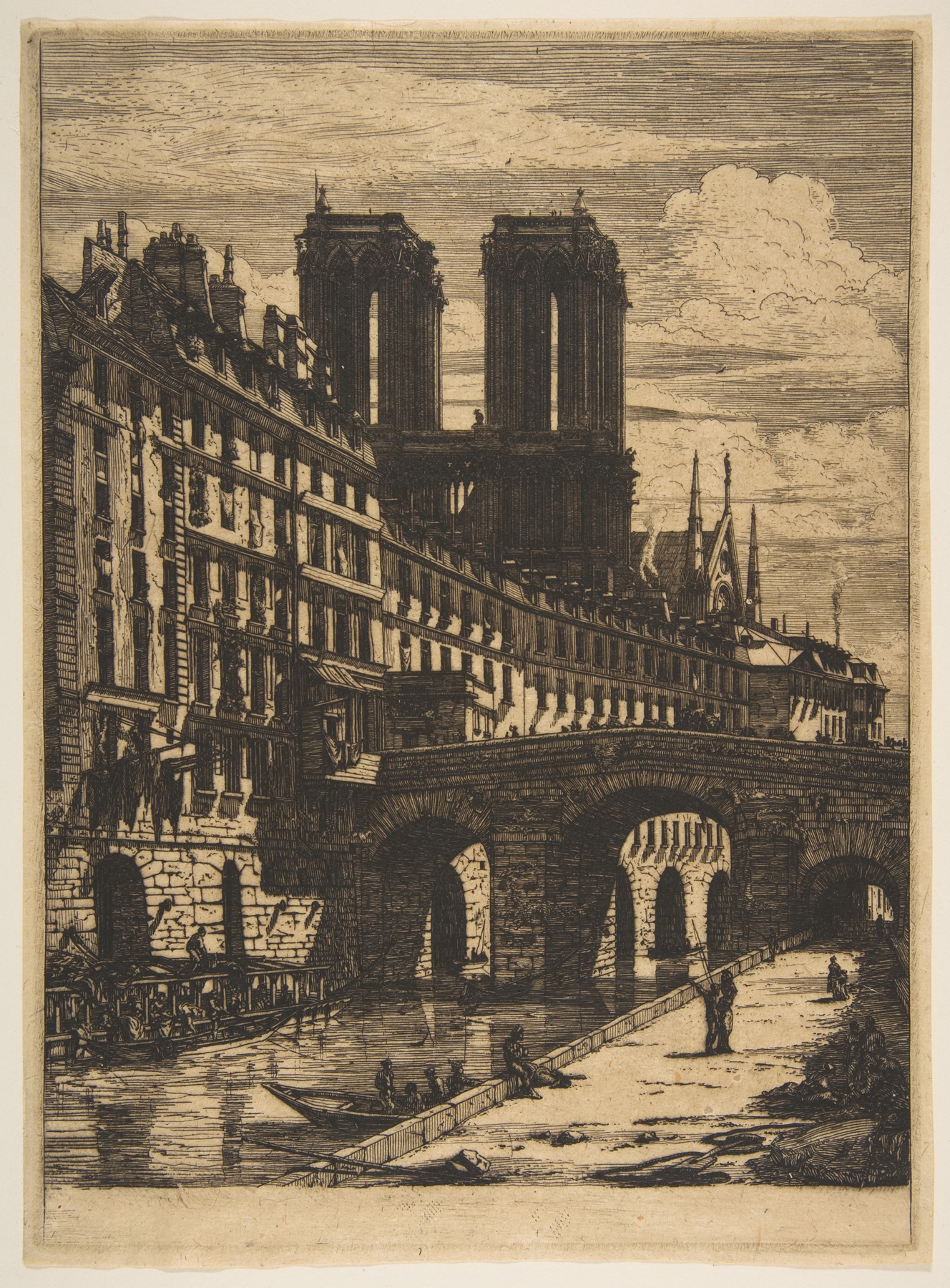
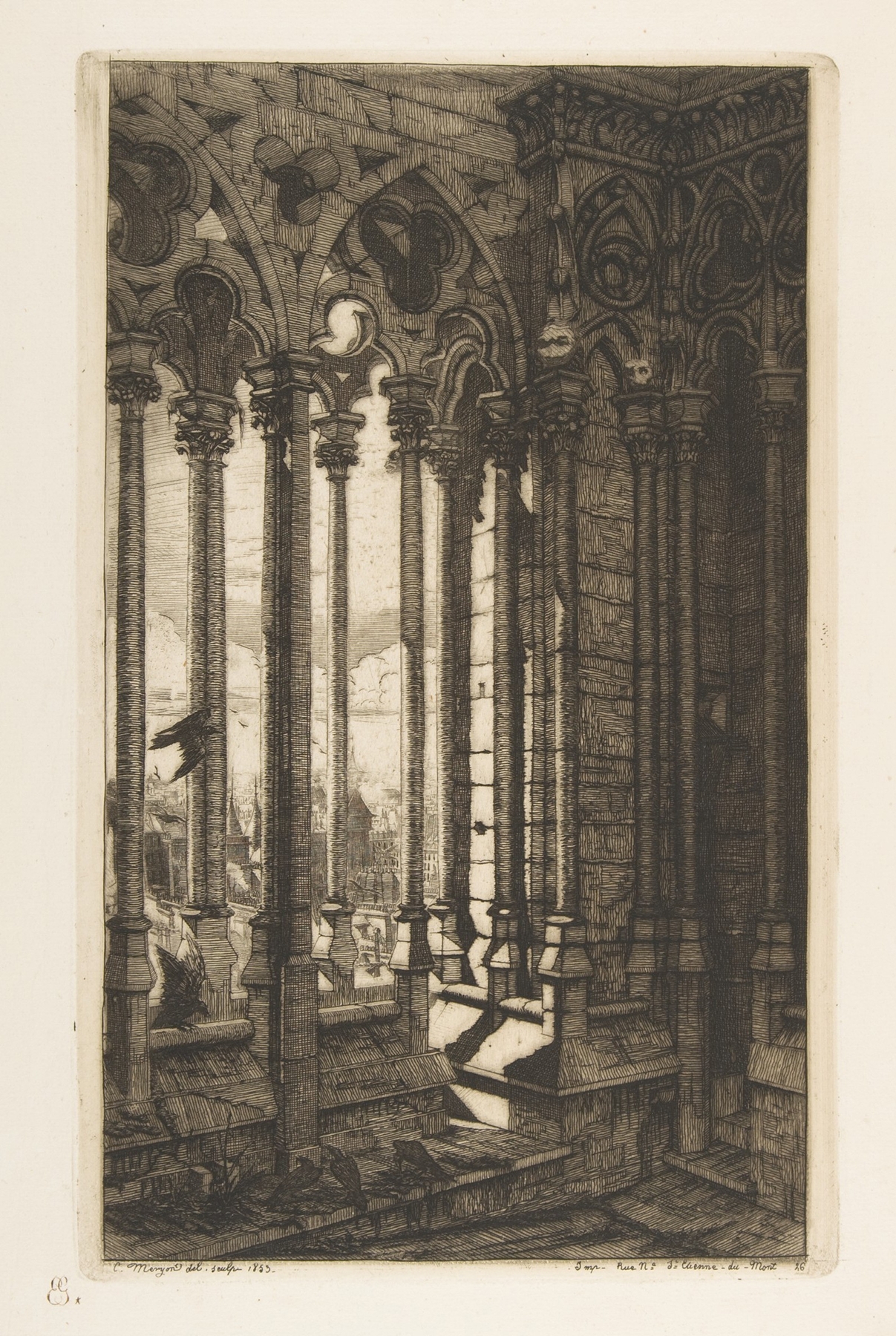
Can beauty exist without sorrow? In the intricate lines and shadows of Nôtre-Dame Cathedral, the answer unfolds, echoing through the silent void of the gallery. Look to the intricate detailing of the arches, where Meryon’s delicate etchings capture the cathedral’s grandeur and its solemnity. The interplay of light and darkness casts a haunting atmosphere, inviting the viewer's eye to trace the elegant lines that spiral upwards.
Notice how the shading creates a sense of depth, making the stone appear both solid and ethereal, as if it were alive with whispered secrets. Delve deeper into the contrast between the intricate beauty of the architecture and the ghostly stillness surrounding it. Each figure, whether present or absent, adds layers of emotion, suggesting the weight of history and the passage of time.
The absence of vibrant color serves as a poignant reminder of the void that beauty can evoke, illuminating the bittersweet nature of existence. Charles Meryon created this work during a period of personal turmoil in the mid-19th century, grappling with mental health challenges while seeking to immortalize the iconic architecture he so loved. In a time when the art world oscillated between romanticism and realism, Meryon’s unique perspective offered a glimpse into the interplay of light, shadow, and emotion that defined his vision of Paris.