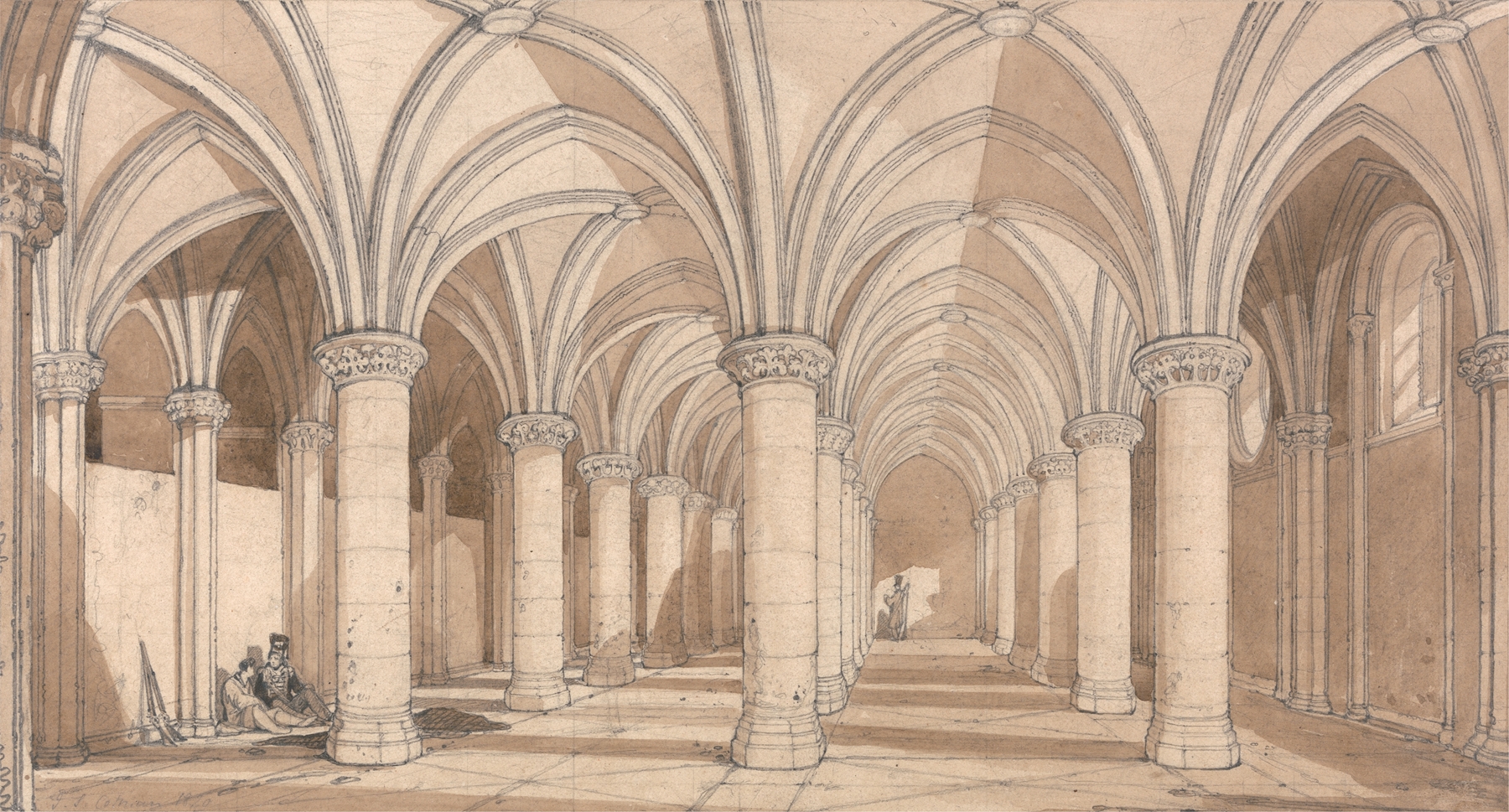
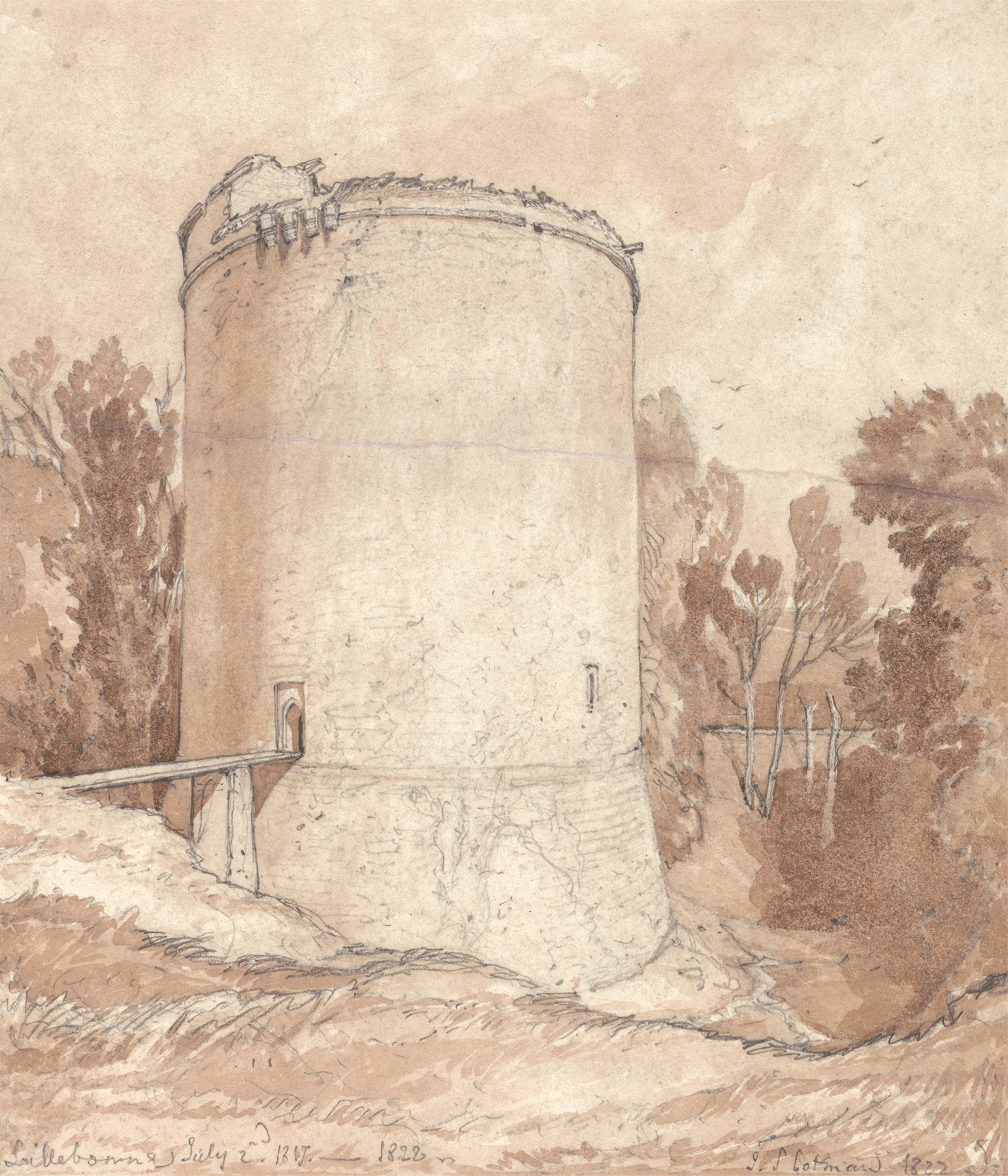
Castle Acre Priory, Norfolk — History & Analysis
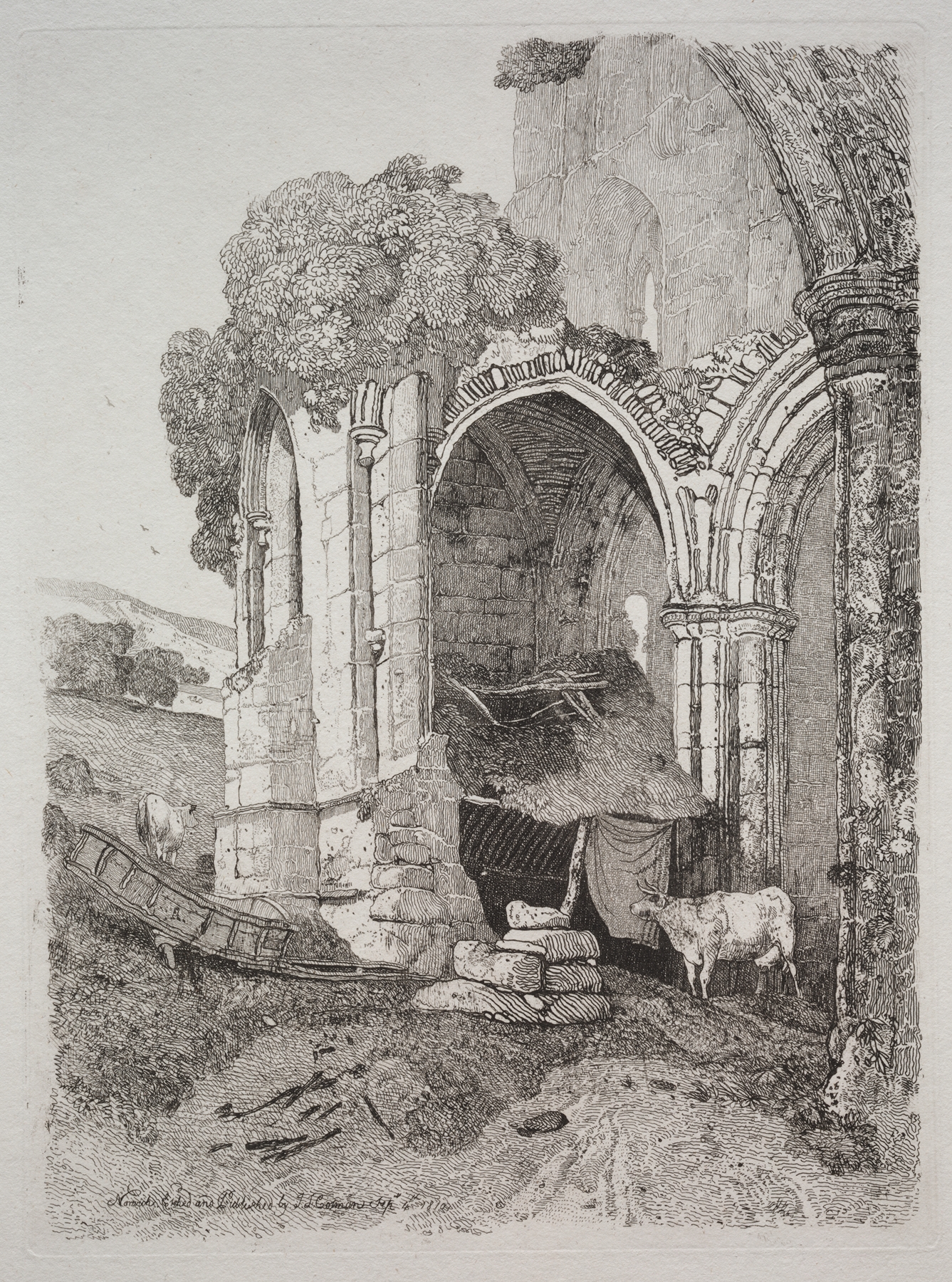
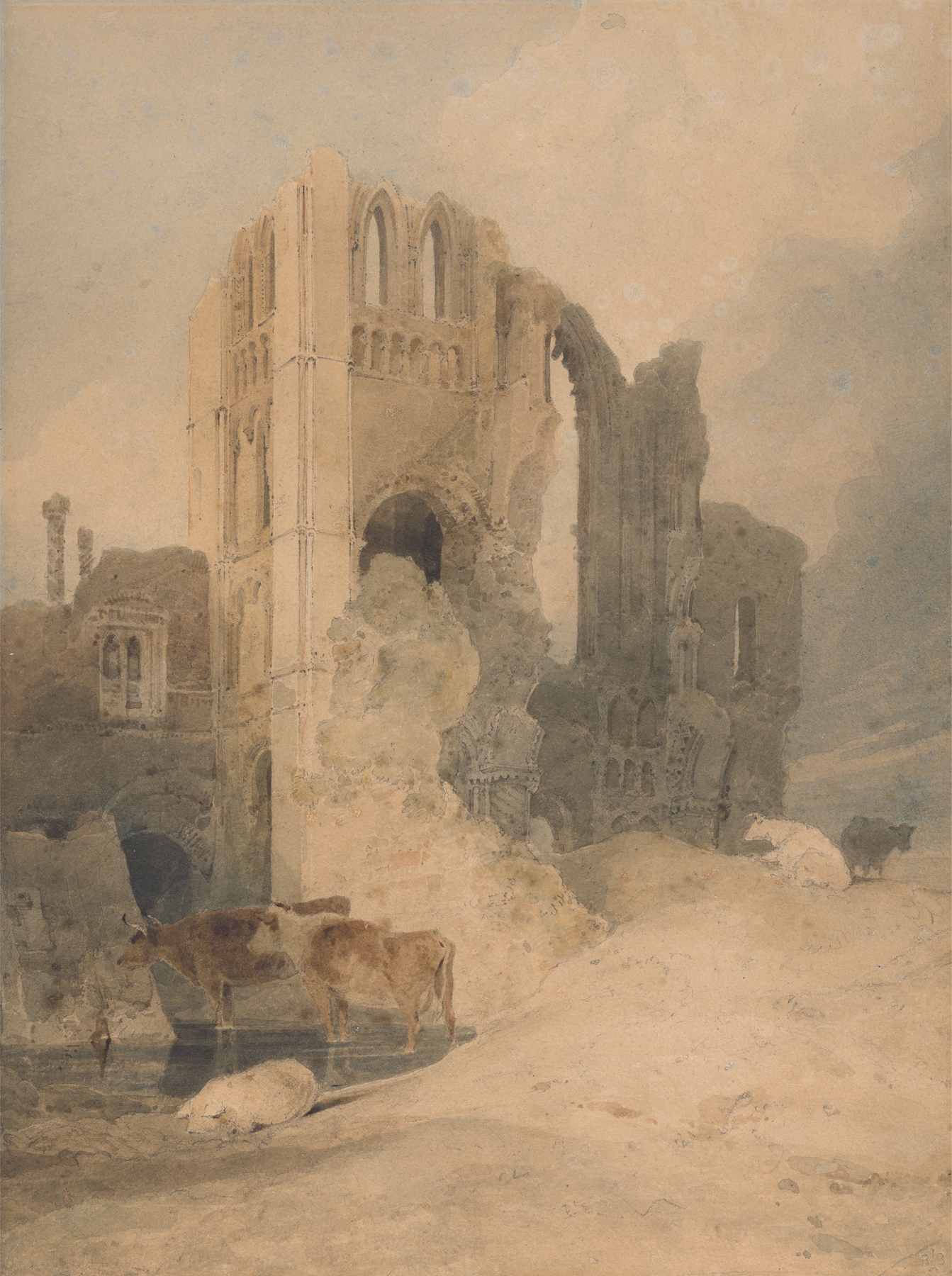
“To paint is to remember what time wants us to forget.” Within the crumbling walls of Castle Acre Priory, echoes of a once-magnificent structure whisper tales of transformation and decay. Here, the artist captures not merely the physical remnants but the essence of what was lost, urging viewers to reflect on the passage of time. Look closely at the foreground, where the rich greens of the foliage cradle the ancient stones, a vibrant contrast to the muted grays that speak of the priory's decline. Notice how the light dances through the trees, casting spectral shadows that stretch across the weathered ruins.
The delicate brushwork reveals Cotman's mastery, evoking both nostalgia and a sense of serene acceptance as nature reclaims its territory. This juxtaposition of life and ruin is a potent reminder of impermanence. The entwined vegetation hints at nature’s relentless pursuit of growth, even amid decline. Meanwhile, the remnants of architecture stand as a testament to human ambition, now softened by time’s gentle erosion.
Each element—be it the vibrant flora or the stoic stones—reflects an emotional tension between what was once grand and the serenity of its present state. In 1818, John Sell Cotman painted this scene amidst a burgeoning interest in the Romantic landscape and antiquarianism. As he traversed Norfolk, the artist was inspired by the rich tapestry of history woven into the land, marking a period when artists sought to capture the sublime beauty of both nature and the remnants of human endeavor. This work exemplifies that search for connection with the past, embodying the transformative power of art.