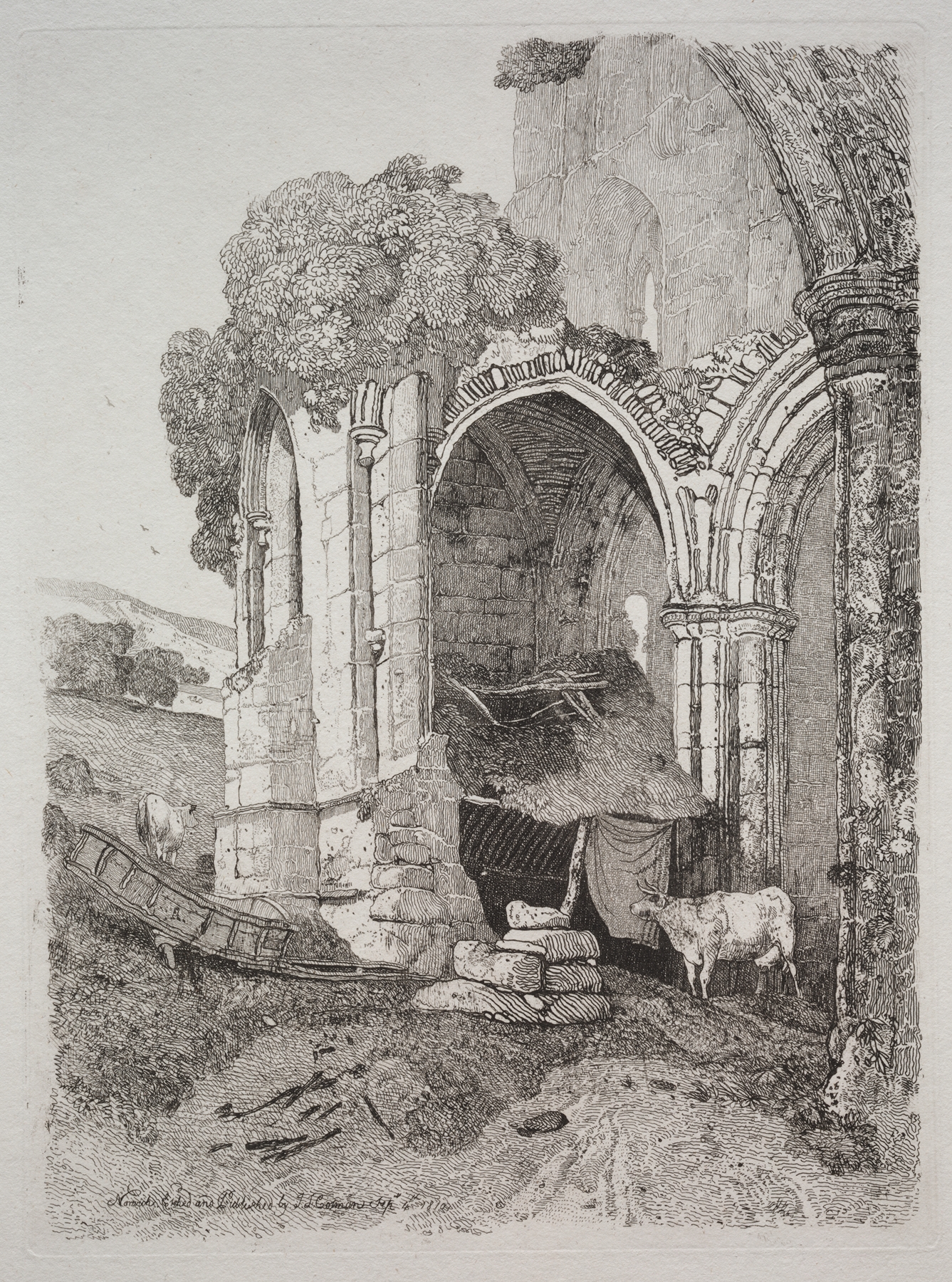
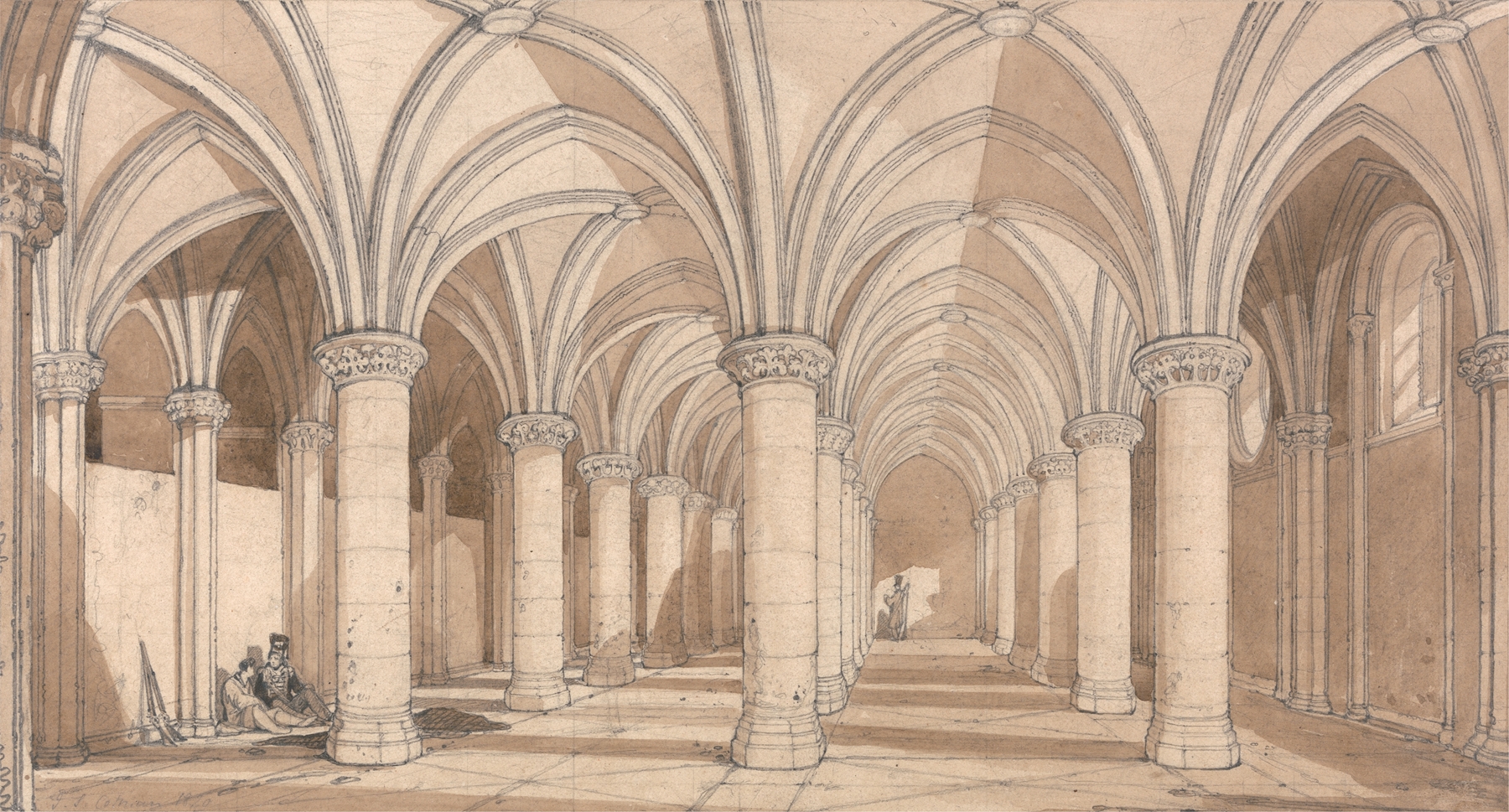
Norwich Cathedral; Entrance to Jesus Chapel — History & Analysis
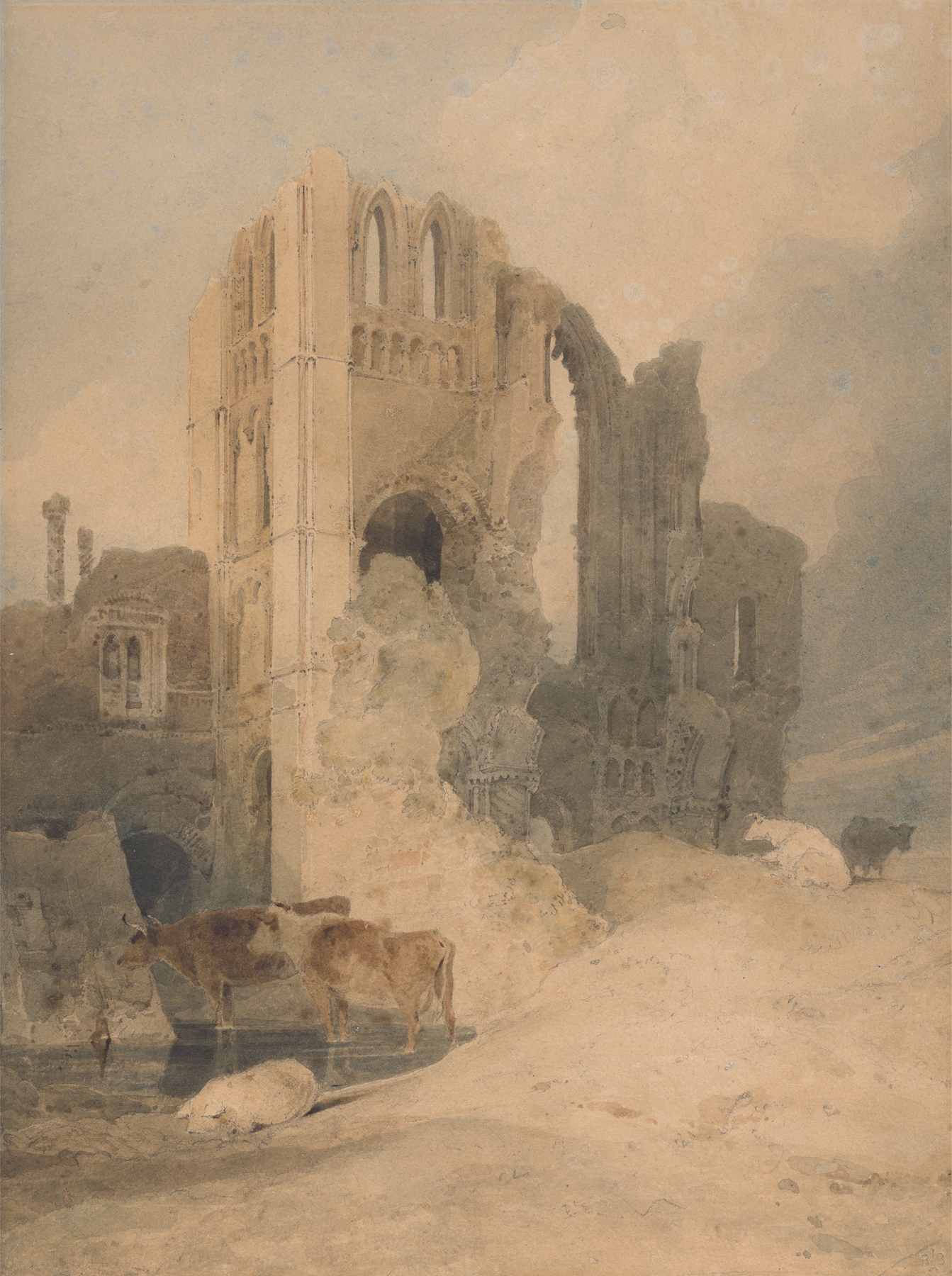
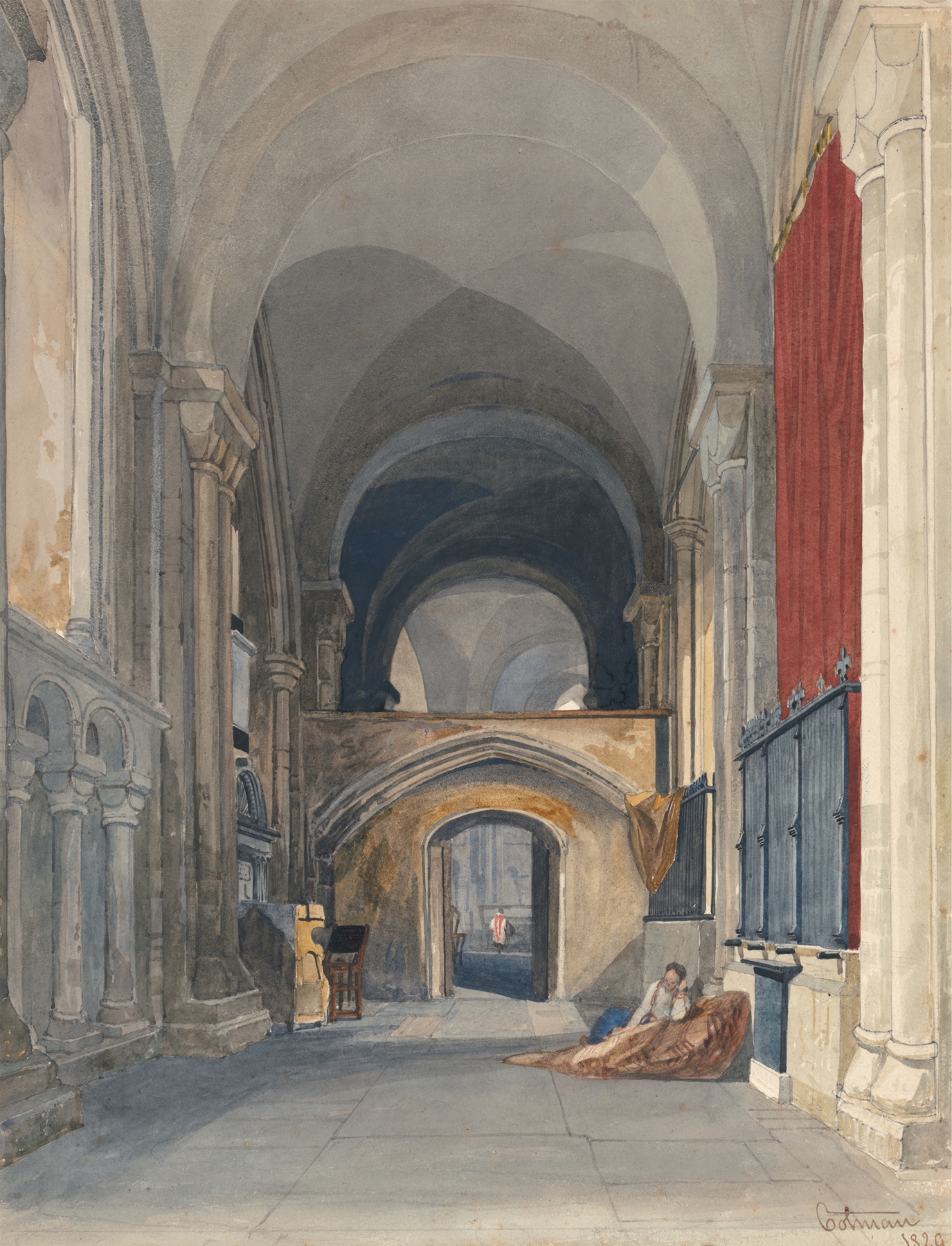
Can beauty exist without sorrow? In the stillness of a cathedral's entrance, the interplay of light and shadow invites contemplation of divinity and the human experience. Look closely at the intricate stonework framing the doorway, where the delicate curves of the arches whisper tales of devotion. The soft, muted palette of grays and creams contrasts with the dark shadows that cling to the edges, a reminder of the passage of time and the weight of history.
Notice how the light streams in, illuminating the threshold and casting ethereal patterns that draw the viewer's eye towards the serene interior, inviting exploration of both space and spirit. In this work, the artist masterfully captures the tension between the earthly and the divine. The meticulous detailing of the stone suggests endurance, while the subtle interplay of light evokes a sense of transience. The entrance can be seen as a metaphor for the journey between the tangible world and the ethereal, where beauty is imbued with a touch of melancholy, reflecting the complex relationship between faith and the human condition.
John Sell Cotman created this piece in 1807, during a period when he was deeply engaged in portraying the architecture of his native Norfolk. As part of the Romantic movement, he sought to celebrate the beauty of nature and heritage, positioning himself alongside contemporaries who emphasized emotion and personal experience in their work. The era was marked by a growing appreciation for the sublime, situating Cotman at the intersection of tradition and emerging Romantic ideals.