Whitby — History & Analysis
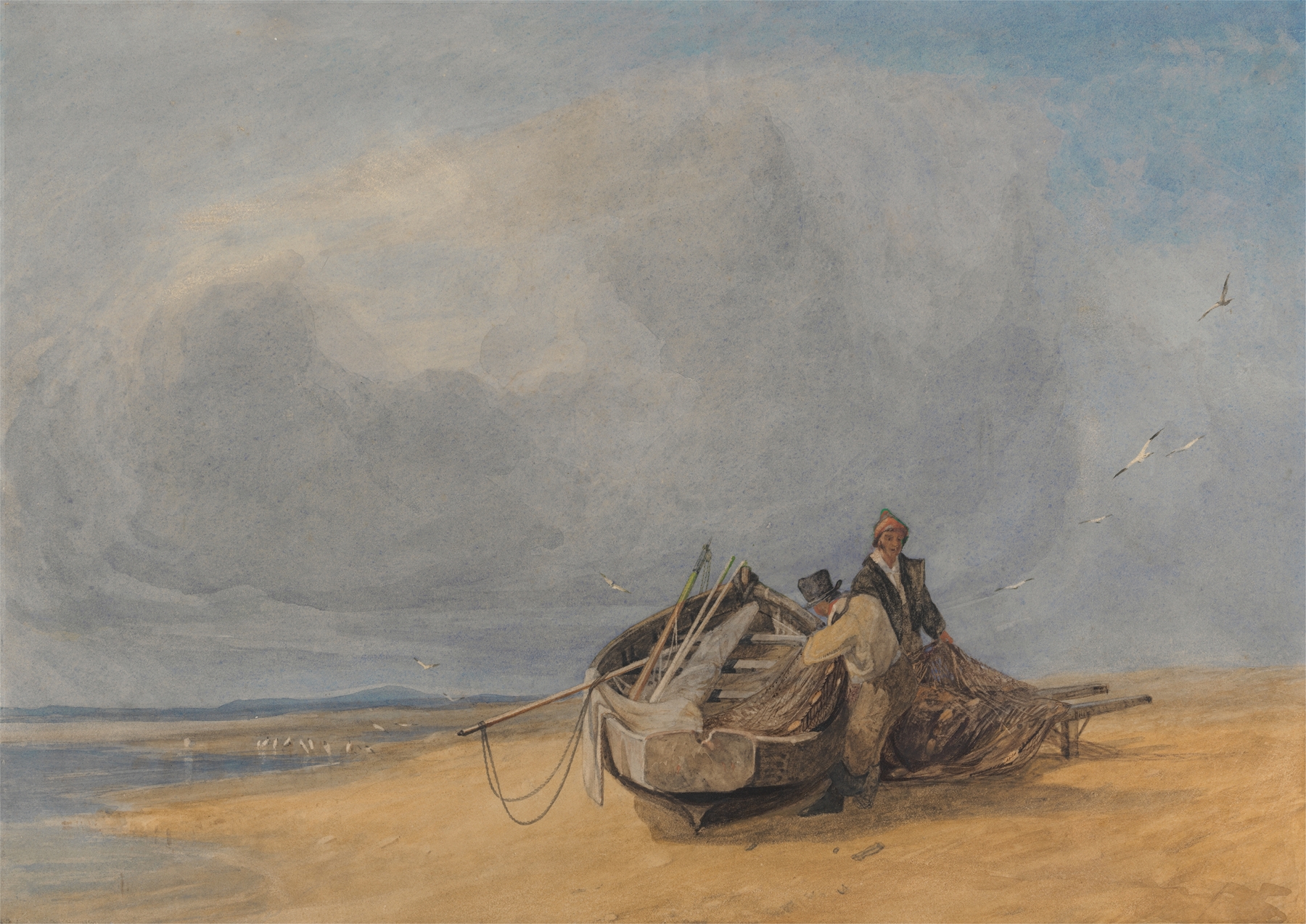
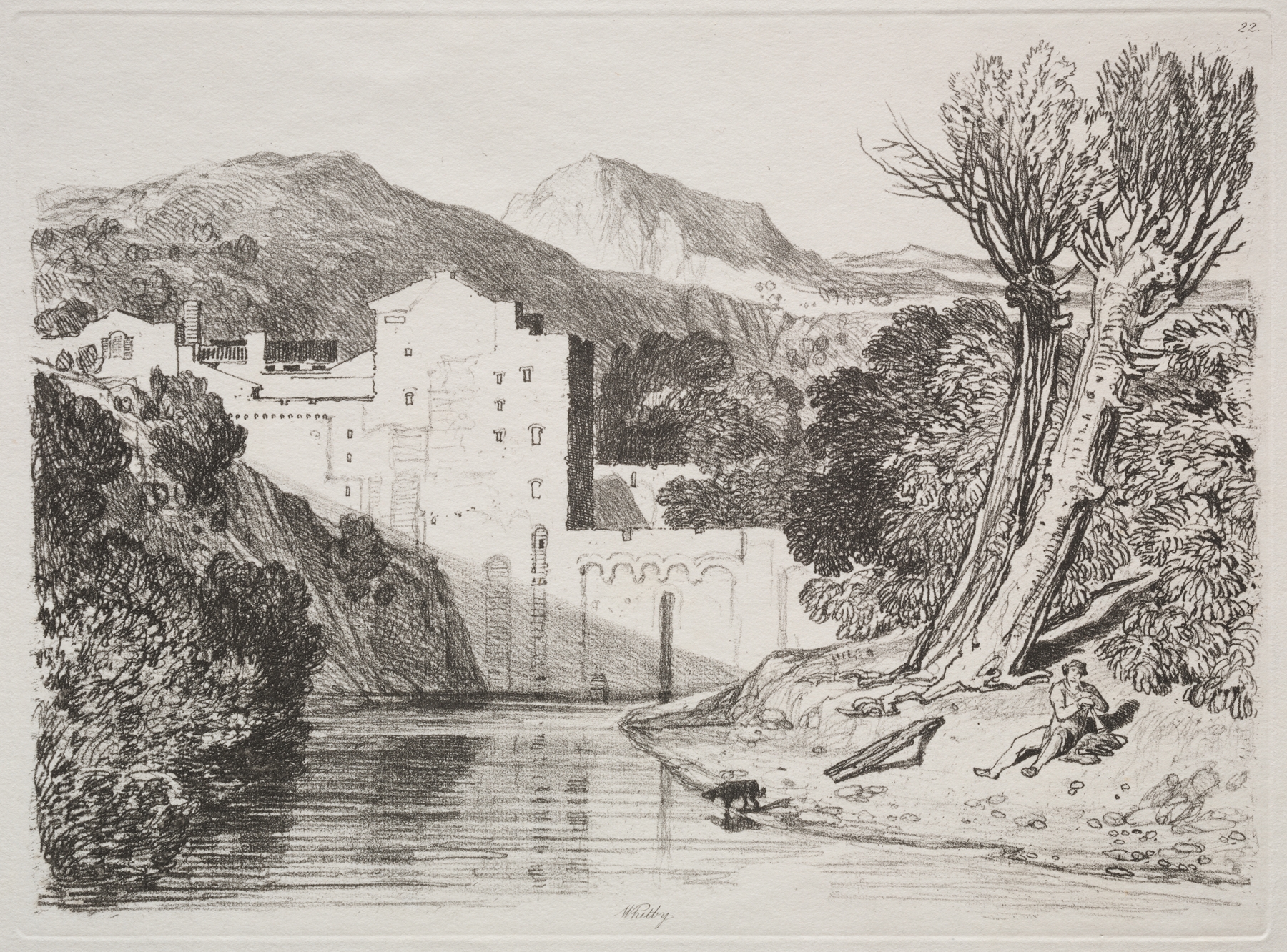
Could a single brushstroke hold eternity? In Whitby, the essence of movement and the fleeting passage of time are captured with extraordinary precision, inviting viewers to lose themselves in the rhythm of the landscape. Look to the horizon where the soft waves gently kiss the shore, their undulating forms echoing the brushwork that defines the entire piece. The sky is a symphony of blues and whites, punctuated by the distant silhouette of the town, rendered with delicate strokes that convey both the solidity of the buildings and the fragility of the moment.
Notice how the light dances upon the water, reflecting the sun’s warmth and casting an ethereal glow that brings the scene to life, drawing the eye into the depths of the canvas. Beneath the surface of the serene seascape lies a tension between permanence and impermanence. The bustling harbor hints at daily life interwoven with the inevitability of change, the boats bobbing restlessly as they await the tide. There’s an intimate dialogue between nature and human presence, a reminder that beauty is often found in the transient, in the movement of water and clouds that shape our experiences.
John Sell Cotman painted Whitby around 1824 during a period of personal reflection and exploration of the British landscape. He was deeply influenced by the Romantic movement, which emphasized emotion and nature's grandeur. At this time, Cotman was in Norwich, grappling with his artistic identity, while the world around him was transitioning into modernity, making his work a poignant bridge between the old and the new.