The Barons’ Hall, Mont Saint Michel — History & Analysis
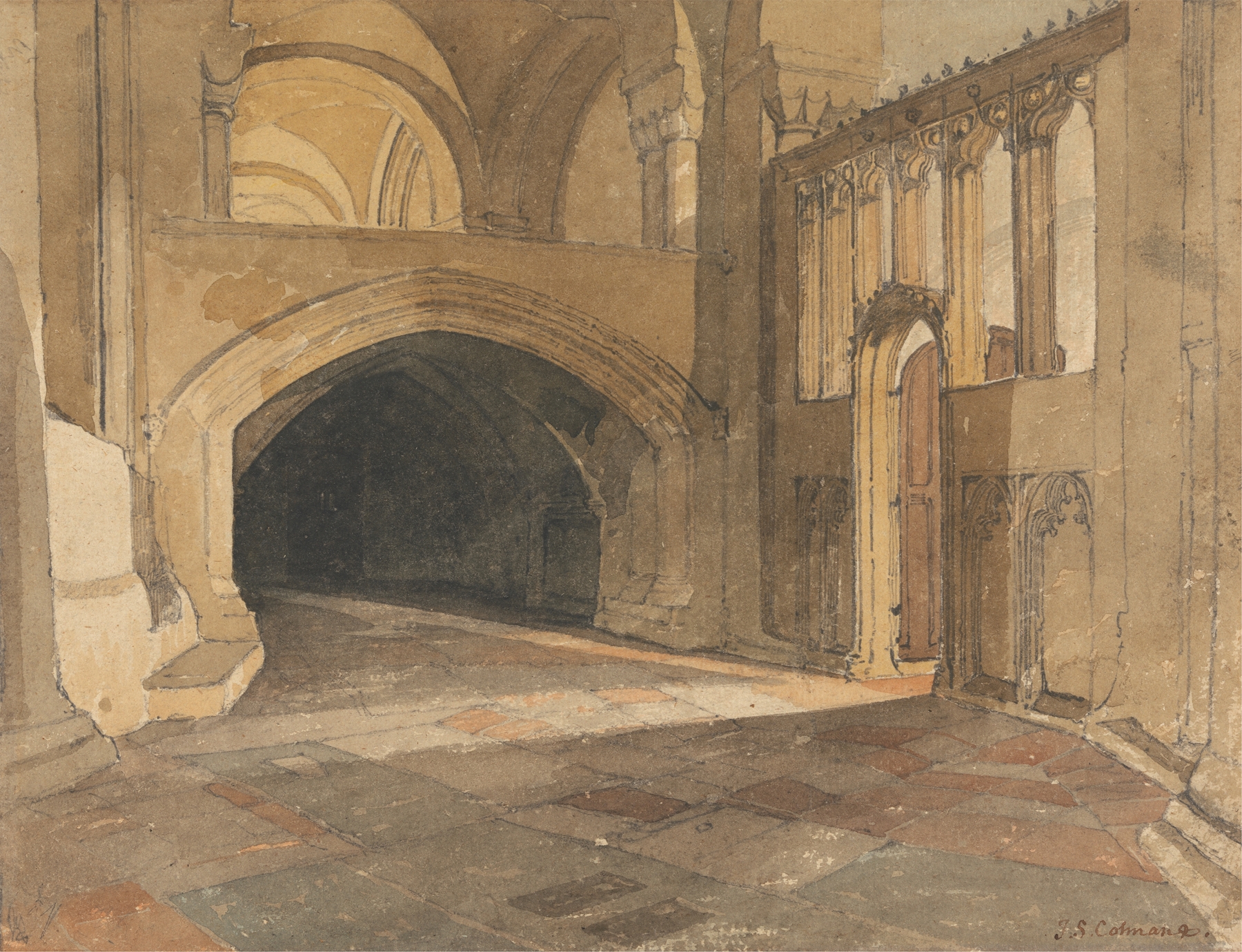
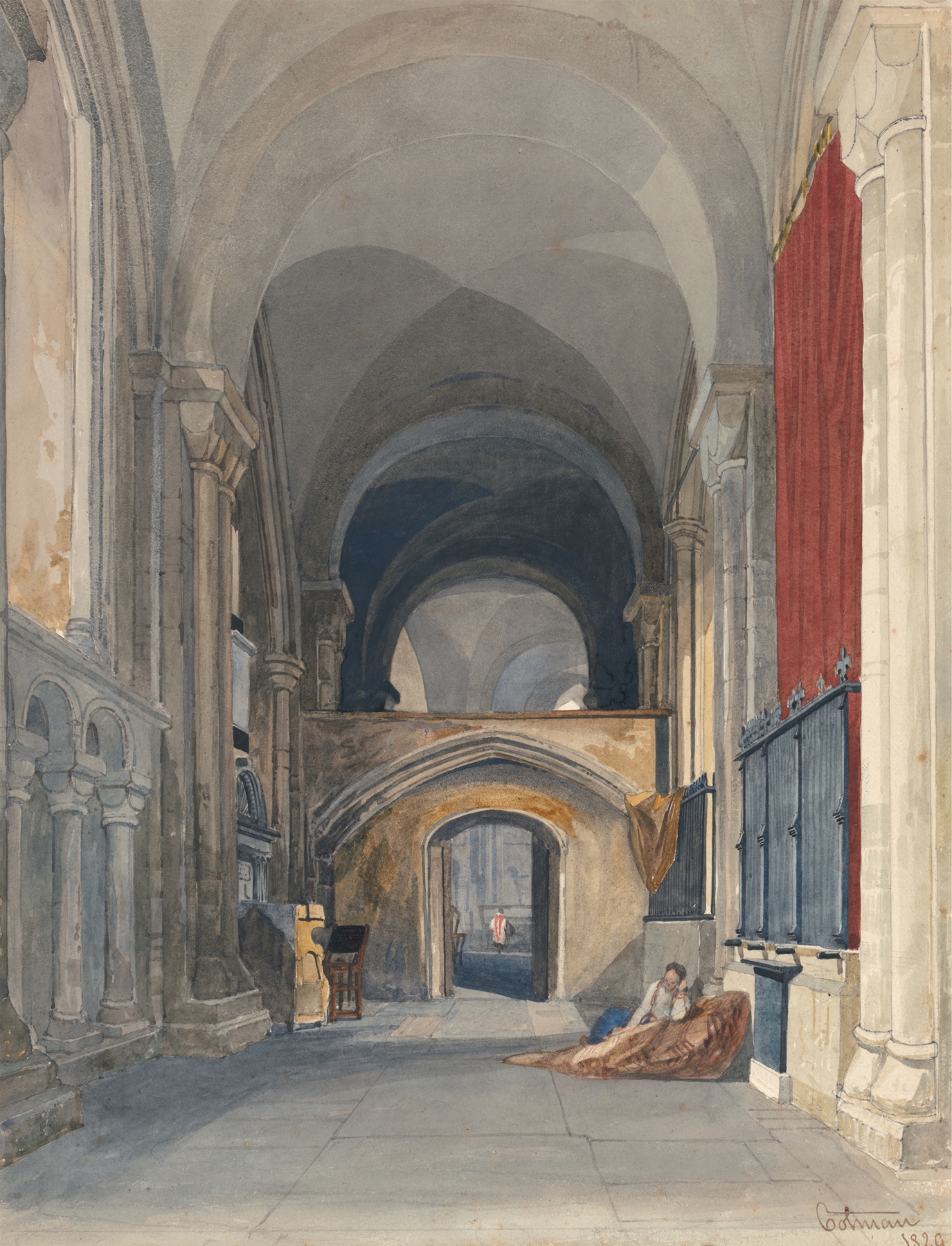
“Sometimes beauty is just pain, disguised in gold.” This sentiment resonates deeply, especially when gazing upon the shimmering light that fills the canvas, illuminating both the grandeur and vulnerability of life within The Barons’ Hall. Look closely at the interplay of light and shadow that dances across the stone walls. Notice how the soft glow spills from unseen windows, casting delicate highlights on the rich textures of the architectural details. The muted palette, punctuated by warm ochres and cool blues, draws the viewer’s eye toward the intricate interplay of form and atmosphere.
This careful modulation of color and light conveys a narrative that is both inviting and haunting. Within those walls lies a dichotomy: the weight of history against the fleeting nature of time. Each beam of light seems to whisper tales of grandeur and decay, revealing the passage of eras. The subtle wear of the stone hints at the enduring passage of time, while the glow mirrors moments of reverie, suggesting that beauty is often tinged with melancholy.
This tension between the luminous and the decayed invites contemplation on the cycles of existence, a poignant reminder of the fragility hidden within allure. John Sell Cotman painted The Barons’ Hall in 1820 while living in England, during a period marked by a burgeoning interest in Romanticism and the sublime beauty of nature and architecture. This was a time of significant transition in the art world, as artists sought to evoke emotional depth and personal expression, moving away from the strictures of Neoclassicism. Cotman, embracing these ideals, captured a moment in architectural history, blending his fascination with light and texture, and inviting viewers into a contemplative experience.