Round Tower, Castle of Lillebonne, Normandy — History & Analysis
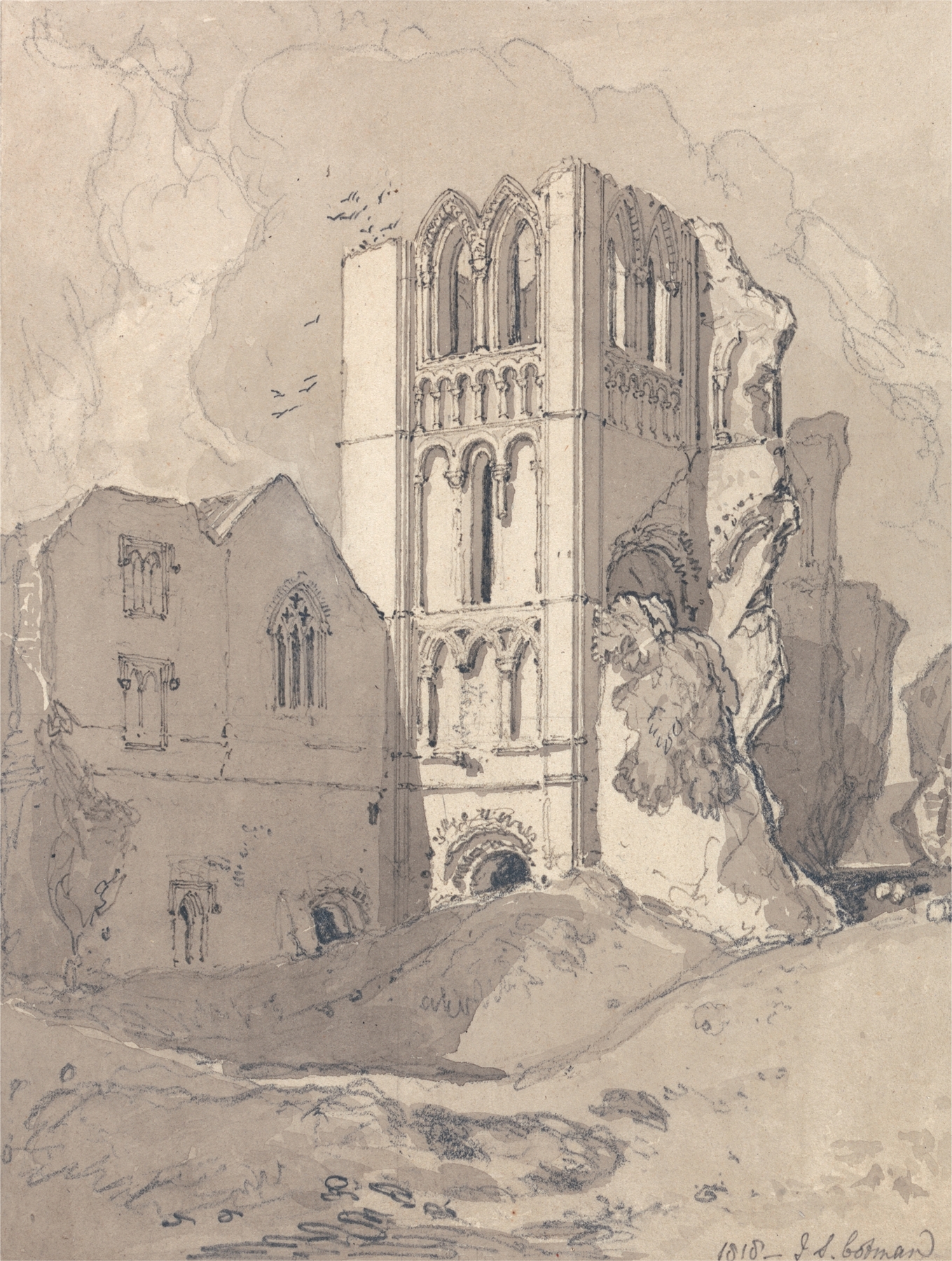
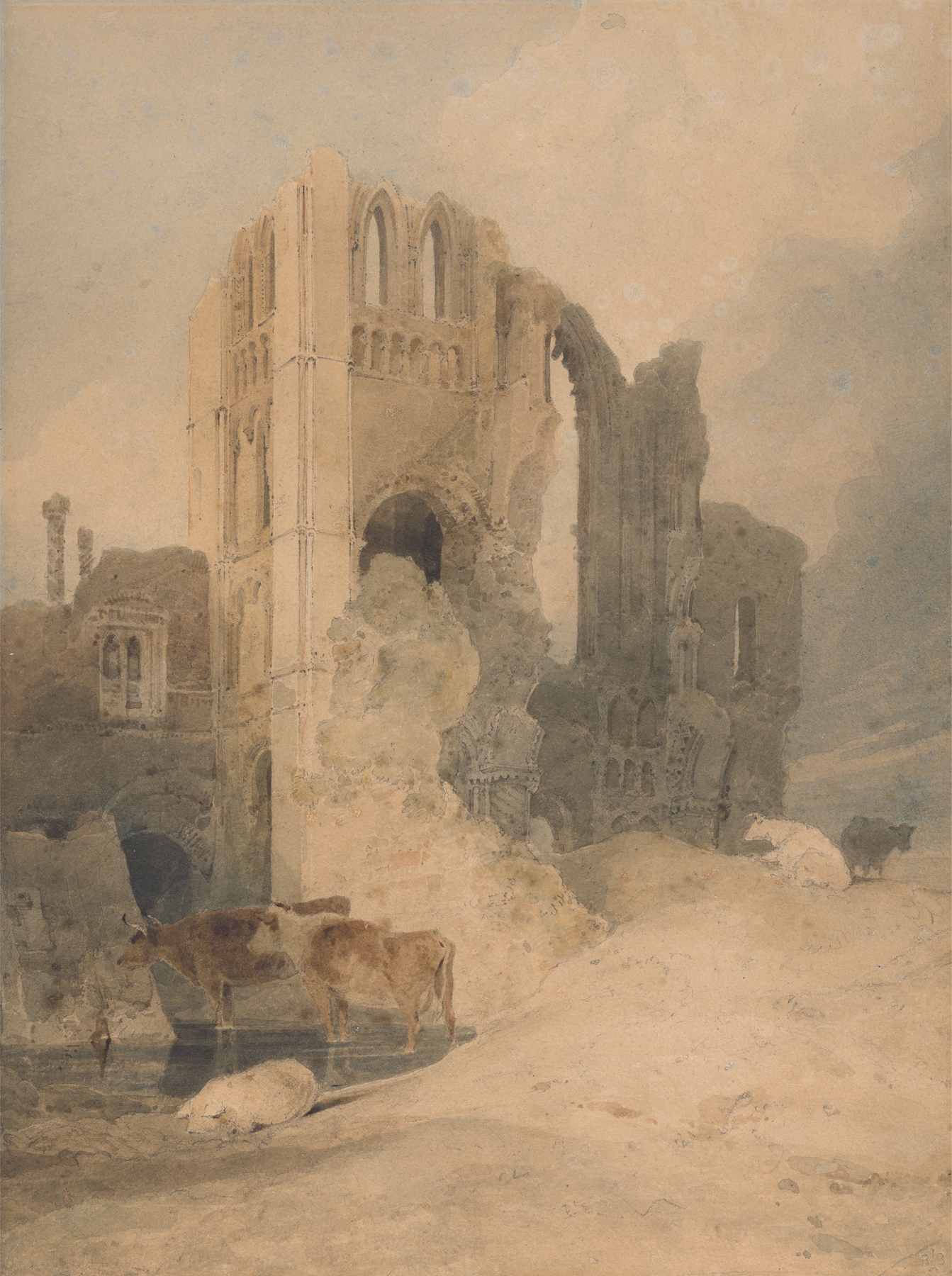
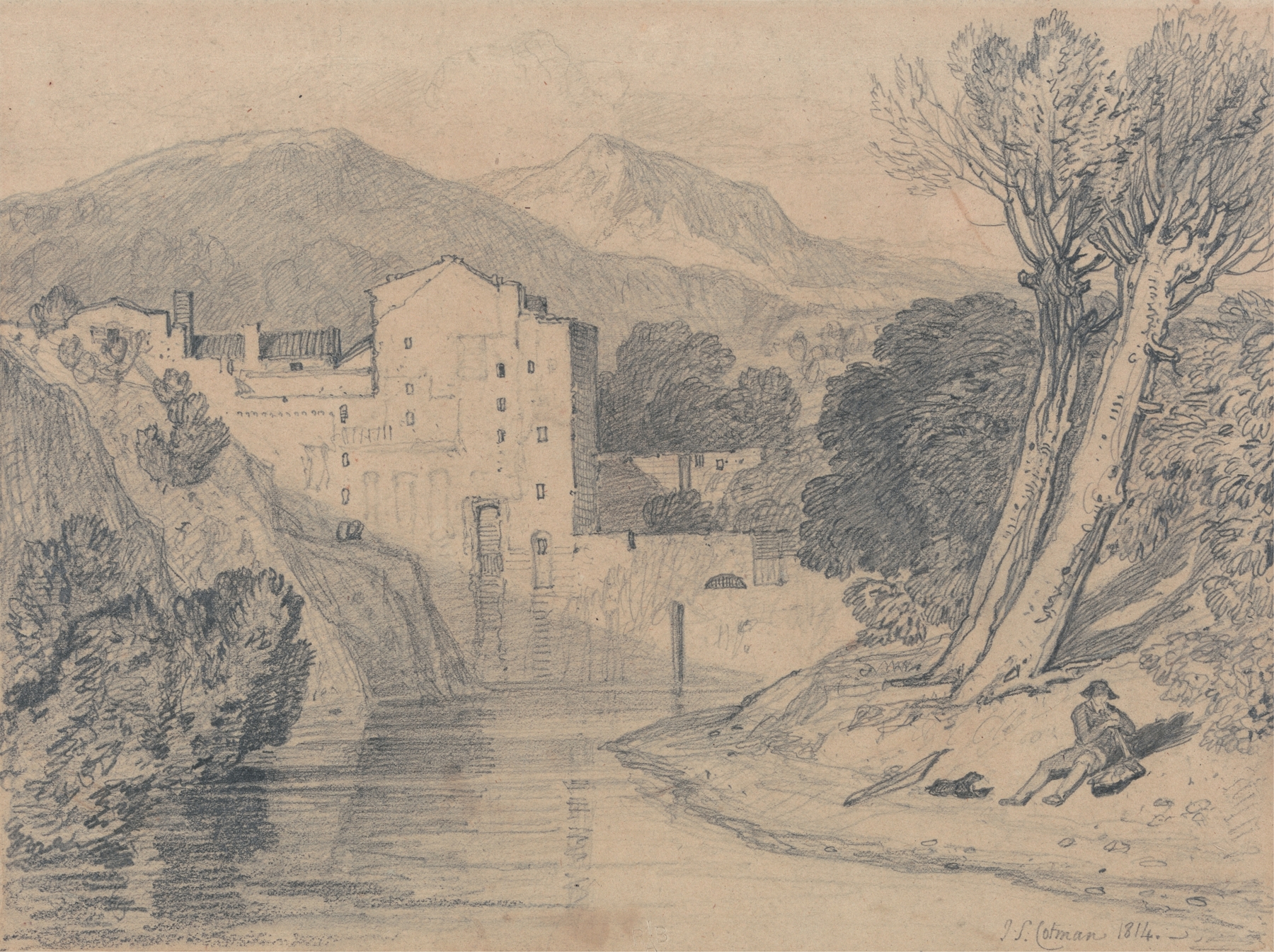
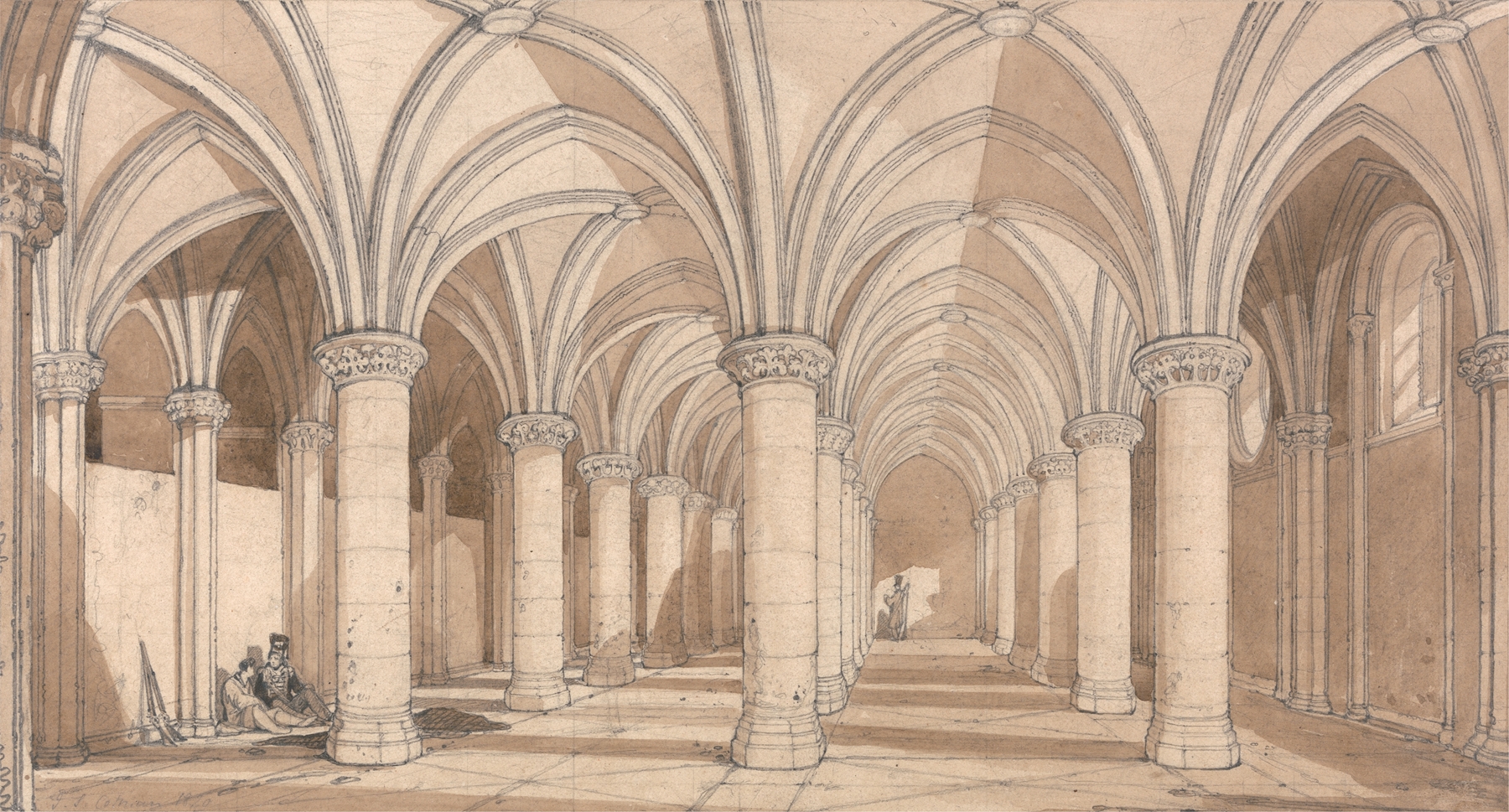
Where does light end, and longing begin? In the folds of shadows and sun-drenched stone, we find the heart of fear and nostalgia intertwined. Look to the left at the towering silhouette of the Round Tower, its weathered stones rising defiantly against the soft, hazy sky. The artist employs a muted palette, blending ochres and grays that resonate with the melancholic essence of the scene.
Notice how the sunlight gently caresses the surfaces, casting delicate shadows that evoke a sense of history and timelessness, while the misty landscape softens the lines of the tower, creating a dreamlike quality that invites introspection. As you absorb the details, consider the juxtaposition of strength and fragility. The imposing structure, a relic of a bygone era, stands proudly yet appears vulnerable against the encroaching mist. This contrast elicits a sense of foreboding, as if the tower holds secrets of the past—stories of triumph and despair etched within its walls.
The ethereal quality of the light further amplifies this emotional tension, suggesting a longing for connection with history, and perhaps a fear of the passage of time that erases all. In 1822, while creating this piece in Normandy, Cotman was at a turning point in his career. The Romantic movement was flourishing, and he was deeply influenced by the beauty of the English landscape and its historical remnants. At this time, Cotman was exploring the nuances of watercolor, seeking to capture the essence of both location and emotion, contributing to a burgeoning appreciation for the sublime in art.