Cavern, near Naples — History & Analysis
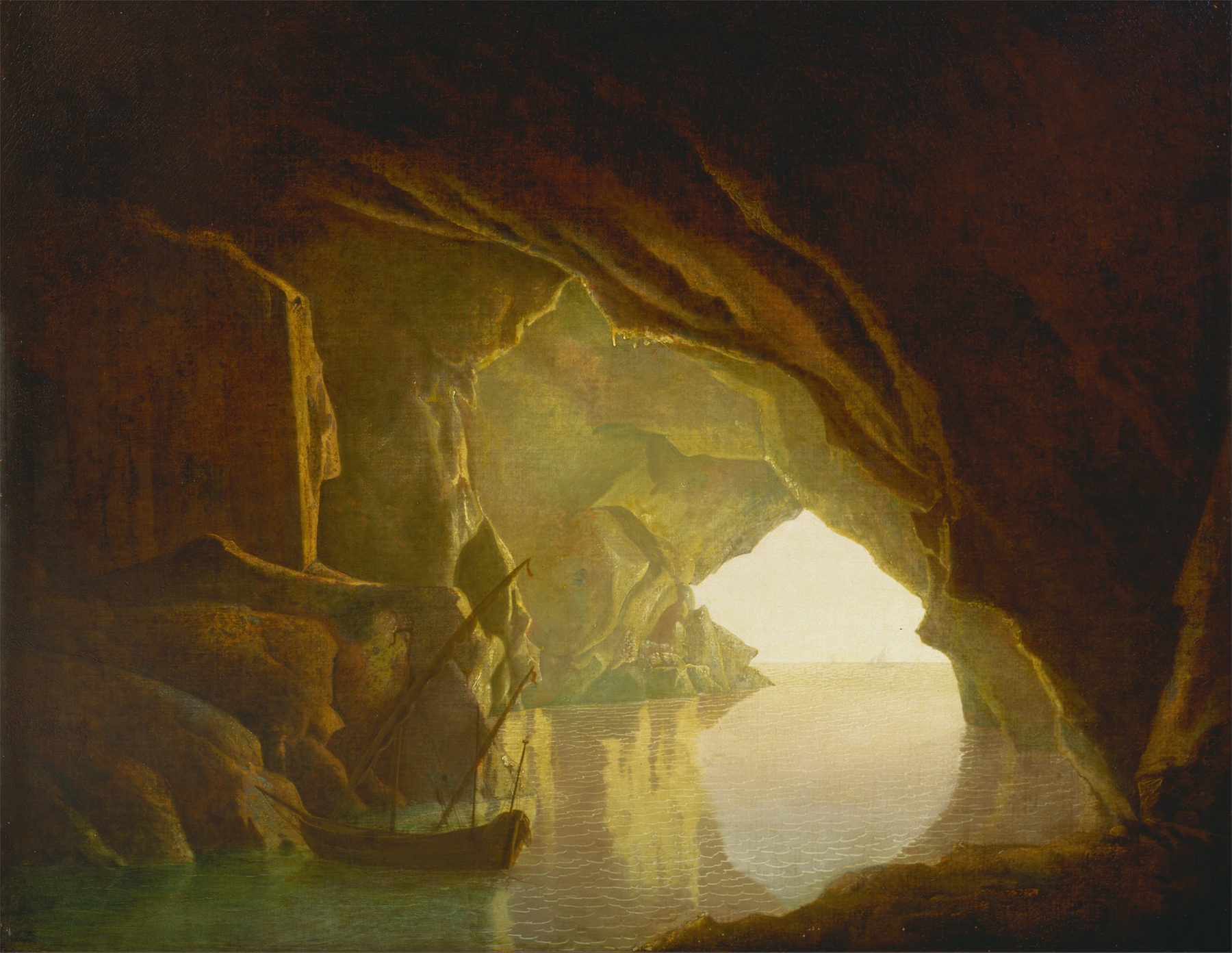
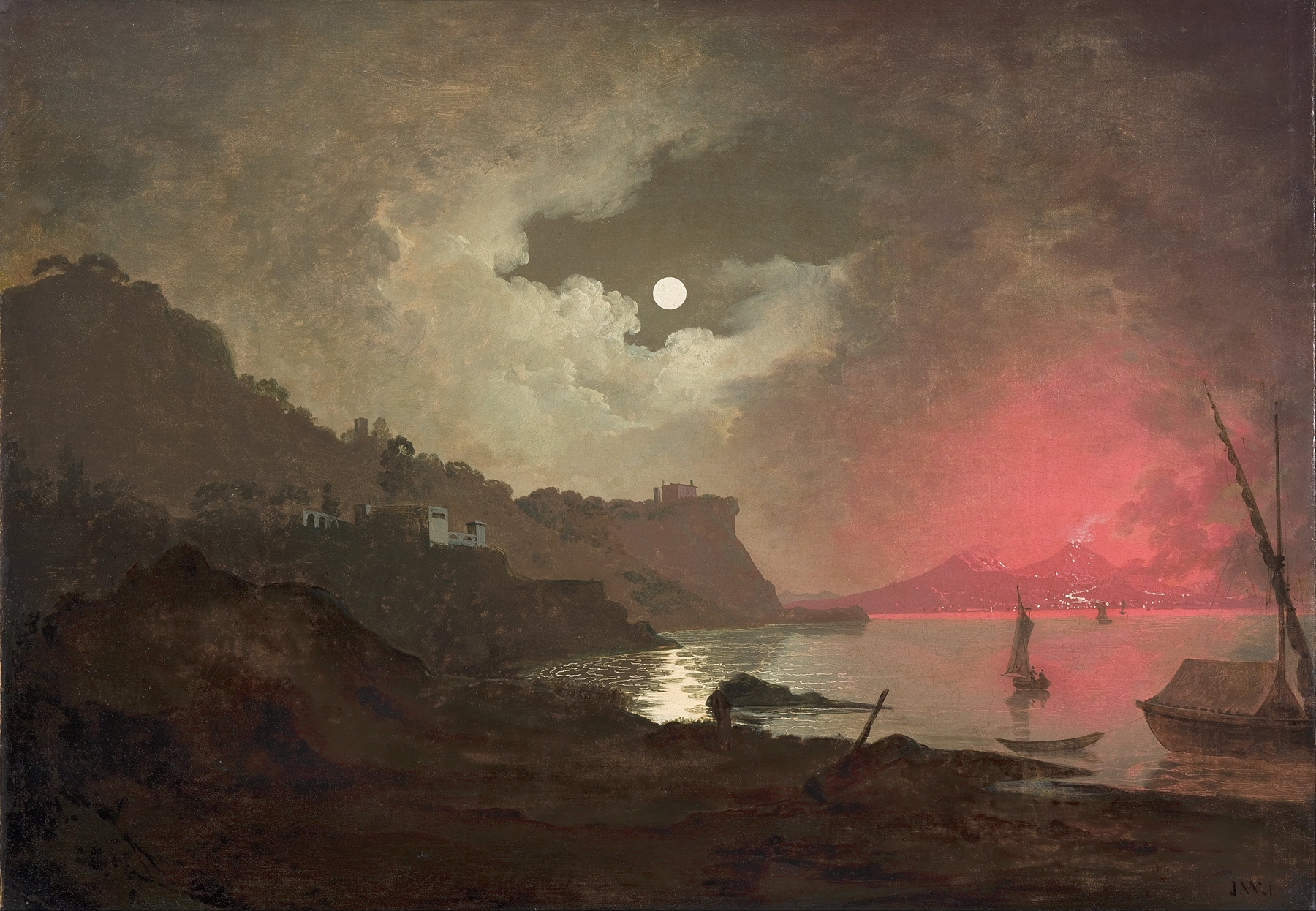
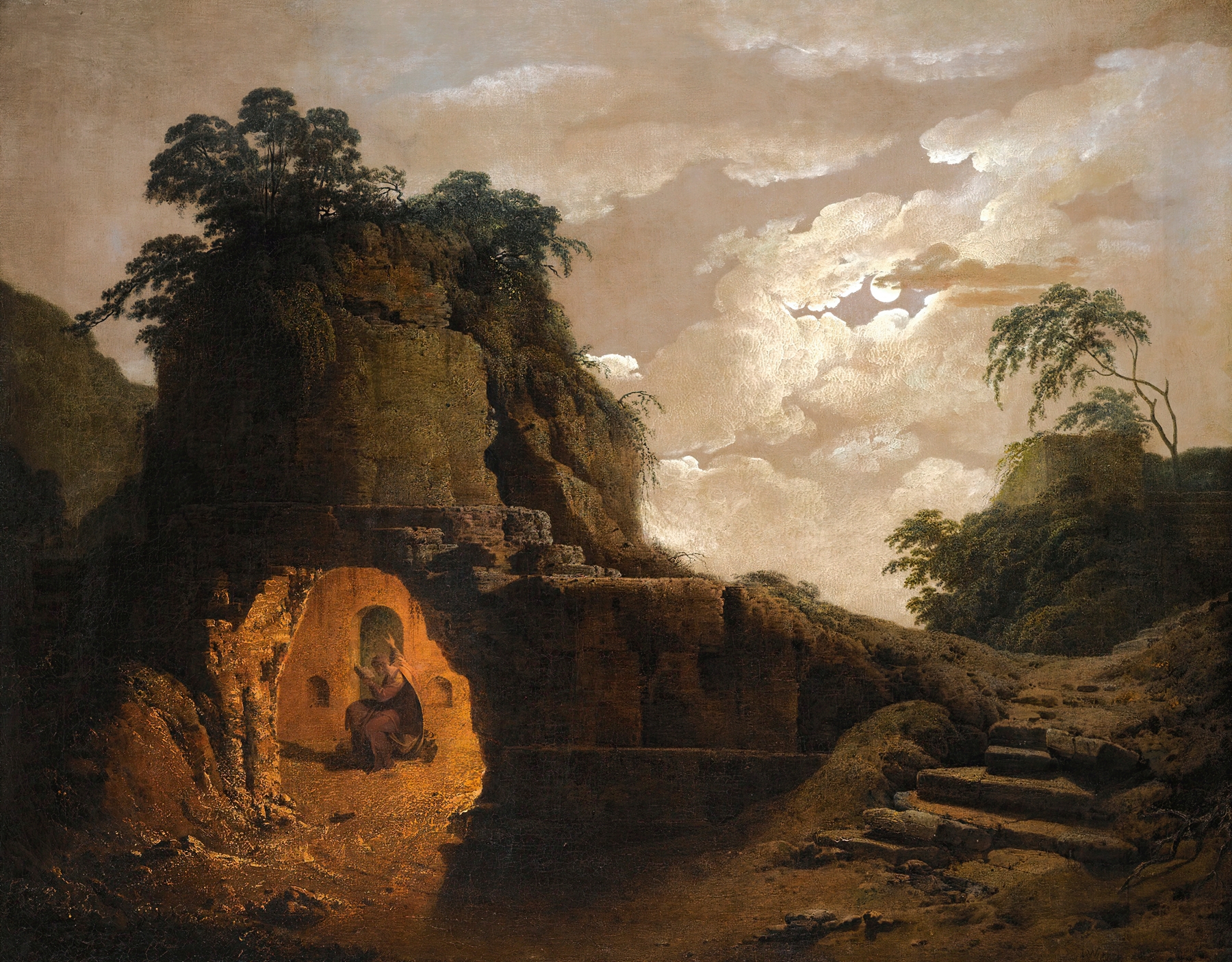
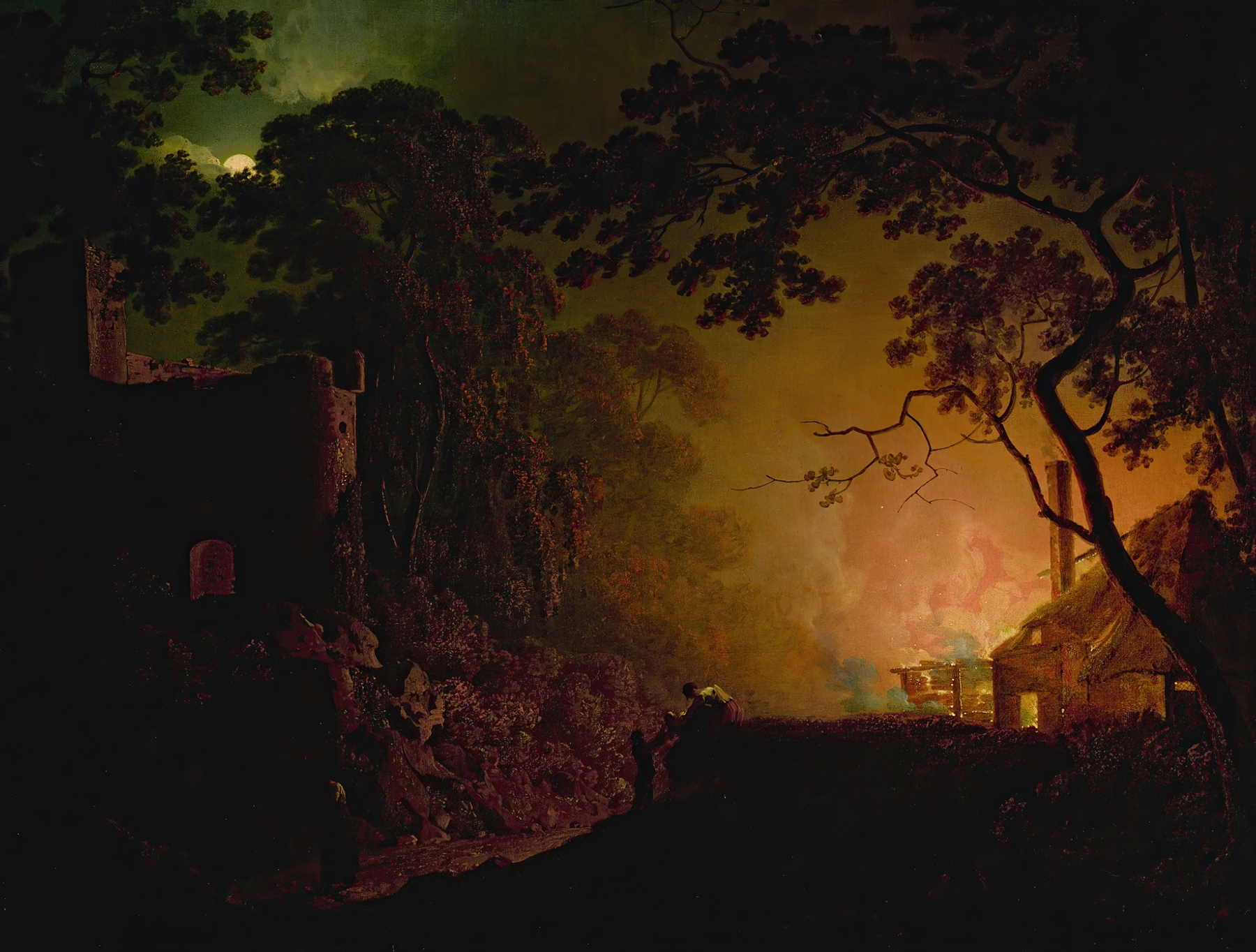
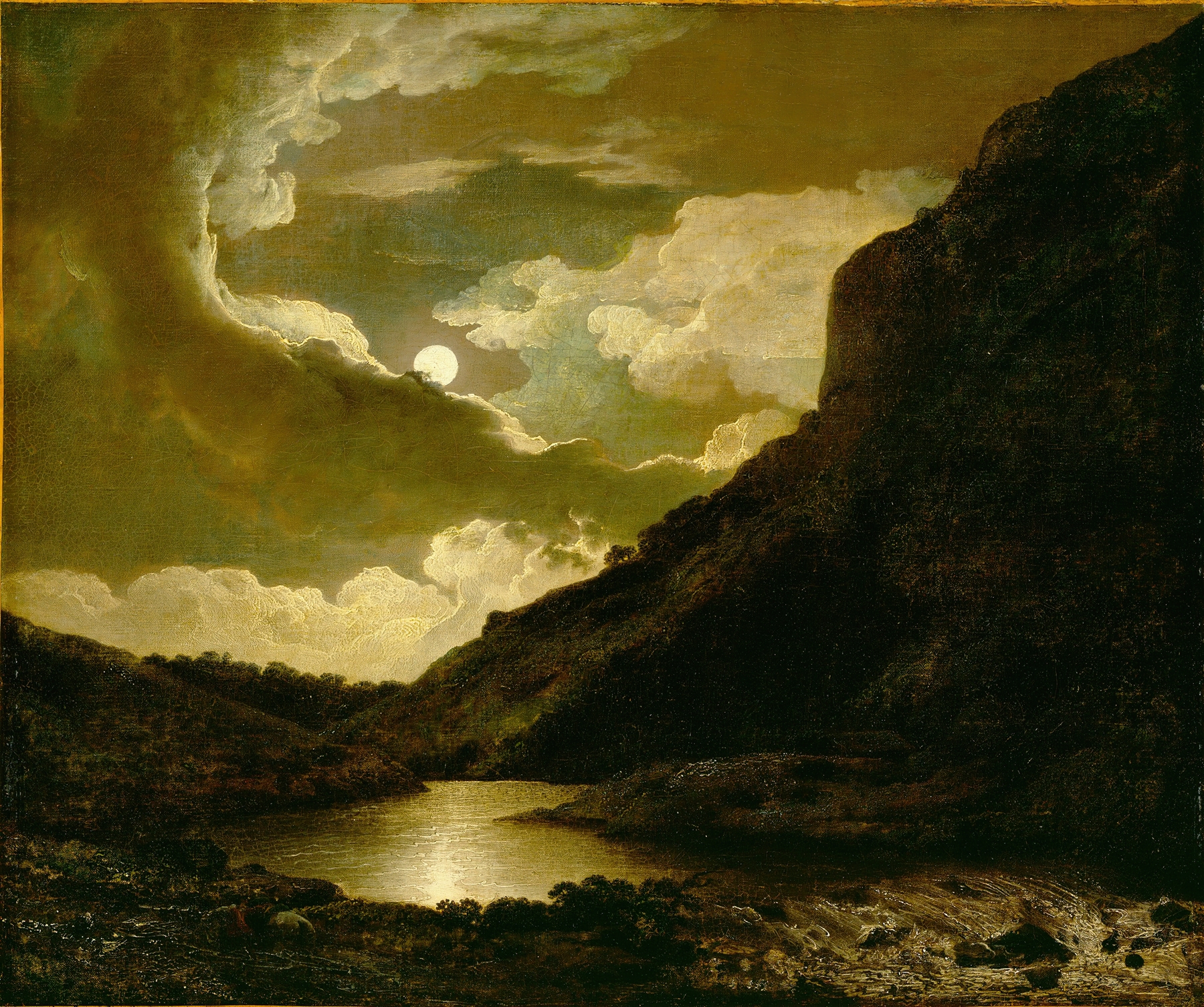
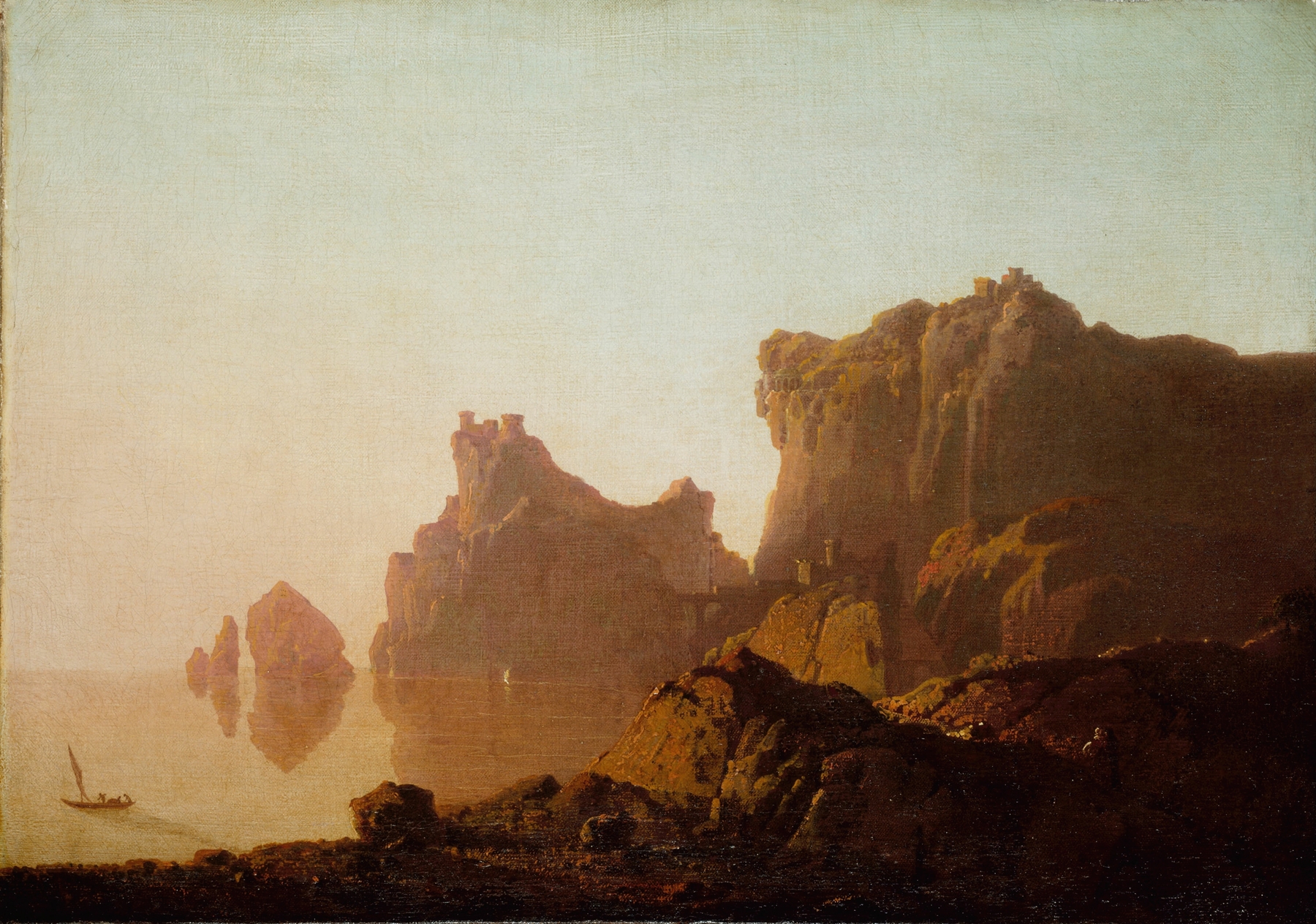
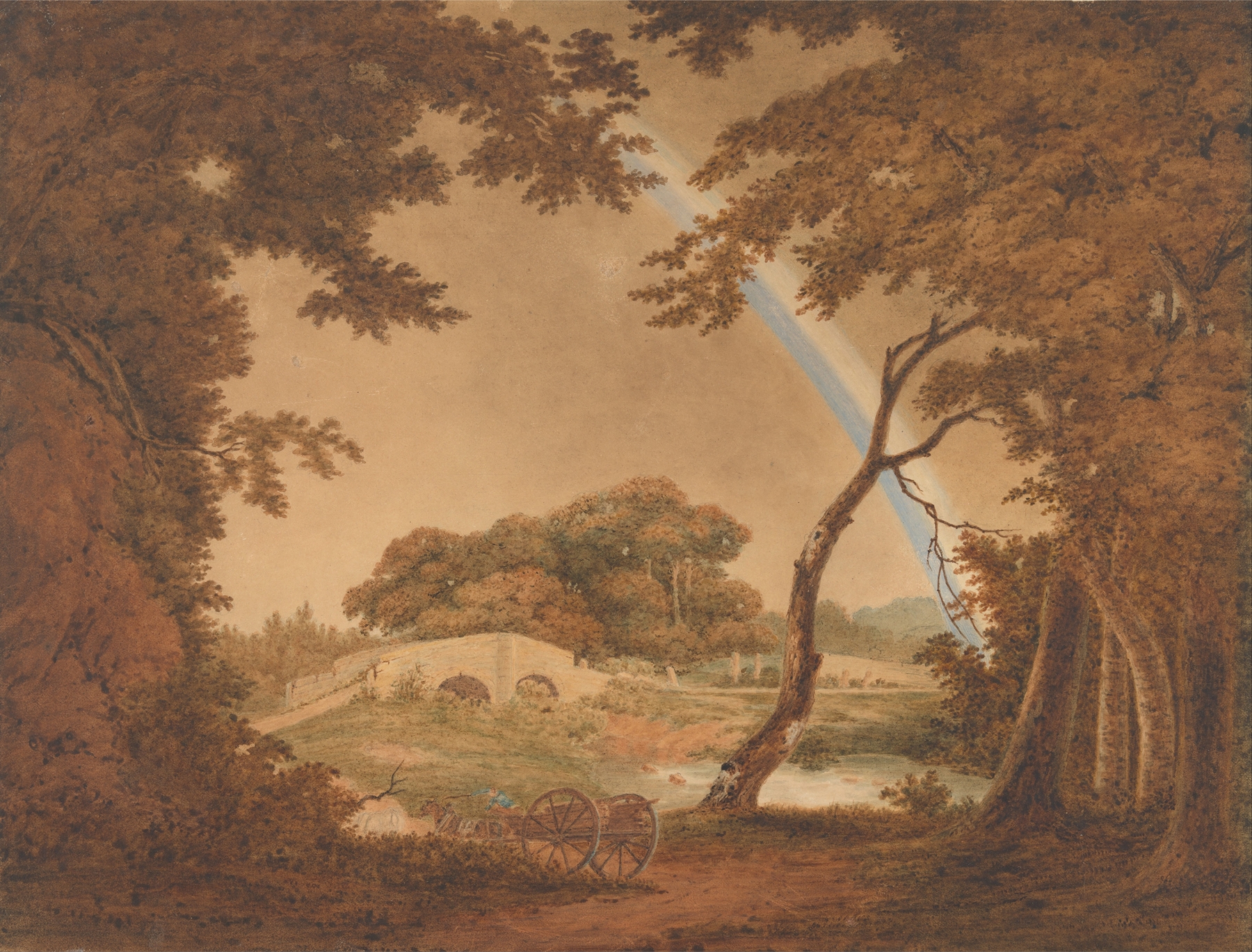
Where does light end, and longing begin? In the interplay of shadow and illumination, beauty emerges from the heart of darkness, inviting us to explore hidden depths within ourselves. Look to the foreground, where a gentle cascade of light spills from an unseen source, illuminating the rugged rocks and damp earth of the cavern. The juxtaposition of soft, warm tones against the cold, stony backdrop creates a palpable tension, drawing our gaze deeper into the hidden world.
Notice how the subtle play of light on the surfaces reveals intricate textures, breathing life into the stone as if it were pulsing with its own history. As you delve further into the composition, consider the emotional resonance of the cavern itself—a symbol of both refuge and confinement. The shadows loom, hinting at untold stories and secrets concealed within the darkness. This contrast between light and dark speaks to the duality of human experience, where moments of clarity often coexist with uncertainty and fear, echoing the profound longing for connection and understanding.
Joseph Wright of Derby painted this piece during a period in which he was exploring the natural world and its sublime beauty. Likely crafted in the late 18th century, he was deeply influenced by the Enlightenment's fascination with science and nature. This artwork reflects his innovative spirit, as he sought to capture not just the physical form of the landscape, but also the profound emotional journeys it could inspire in viewers, a testament to the transformative power of art.