Charing Cross Bridge at night — History & Analysis
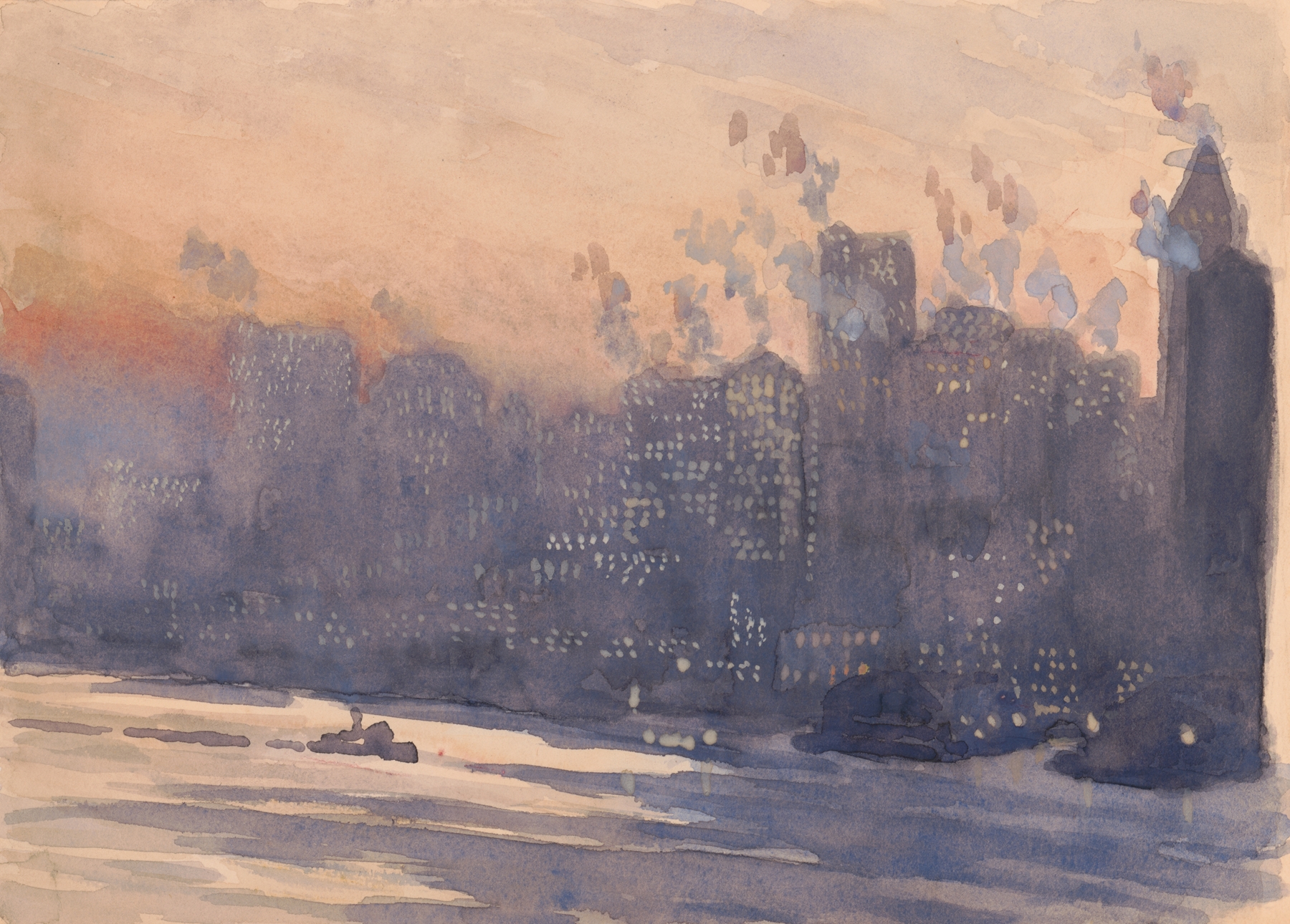
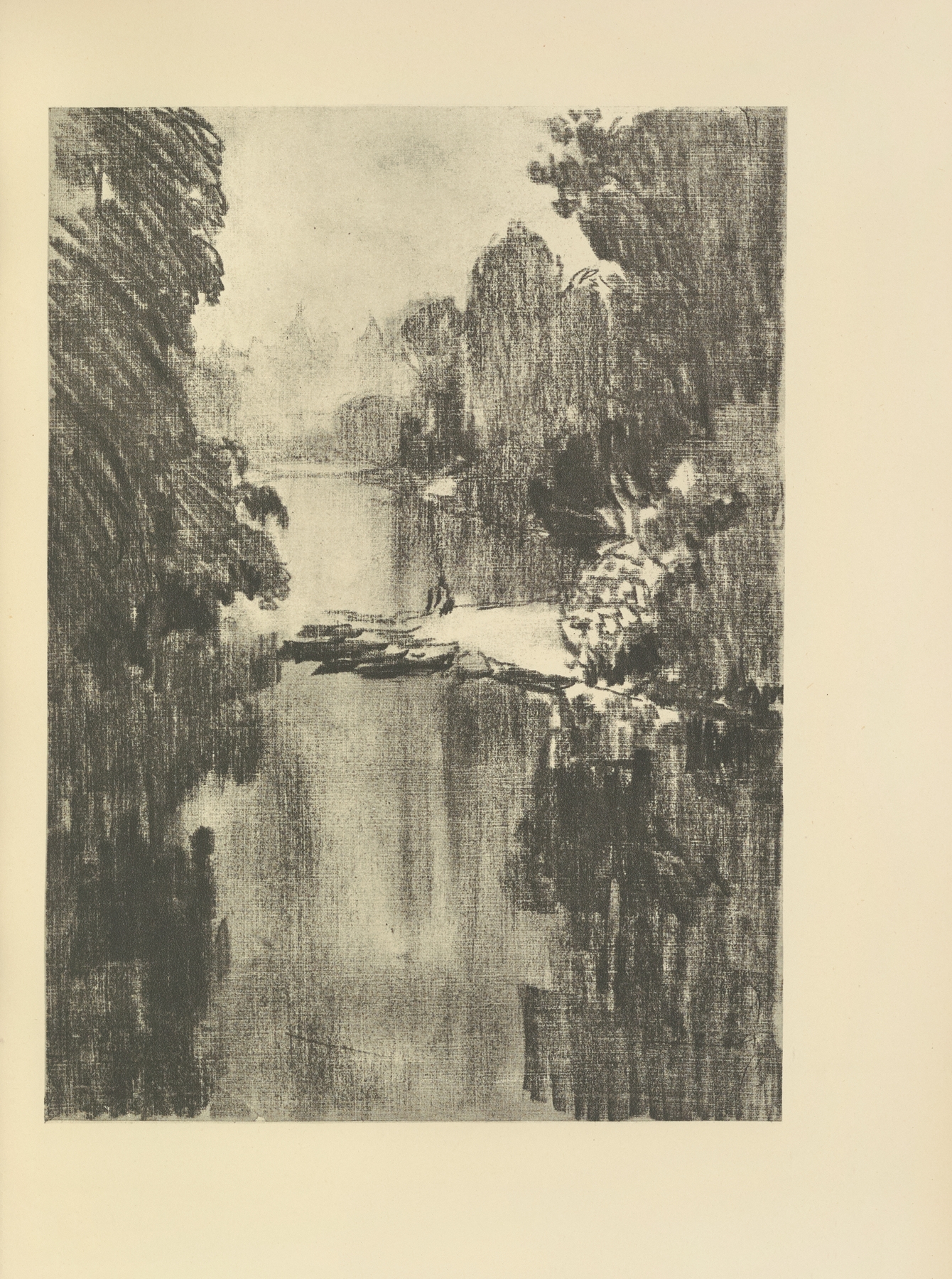
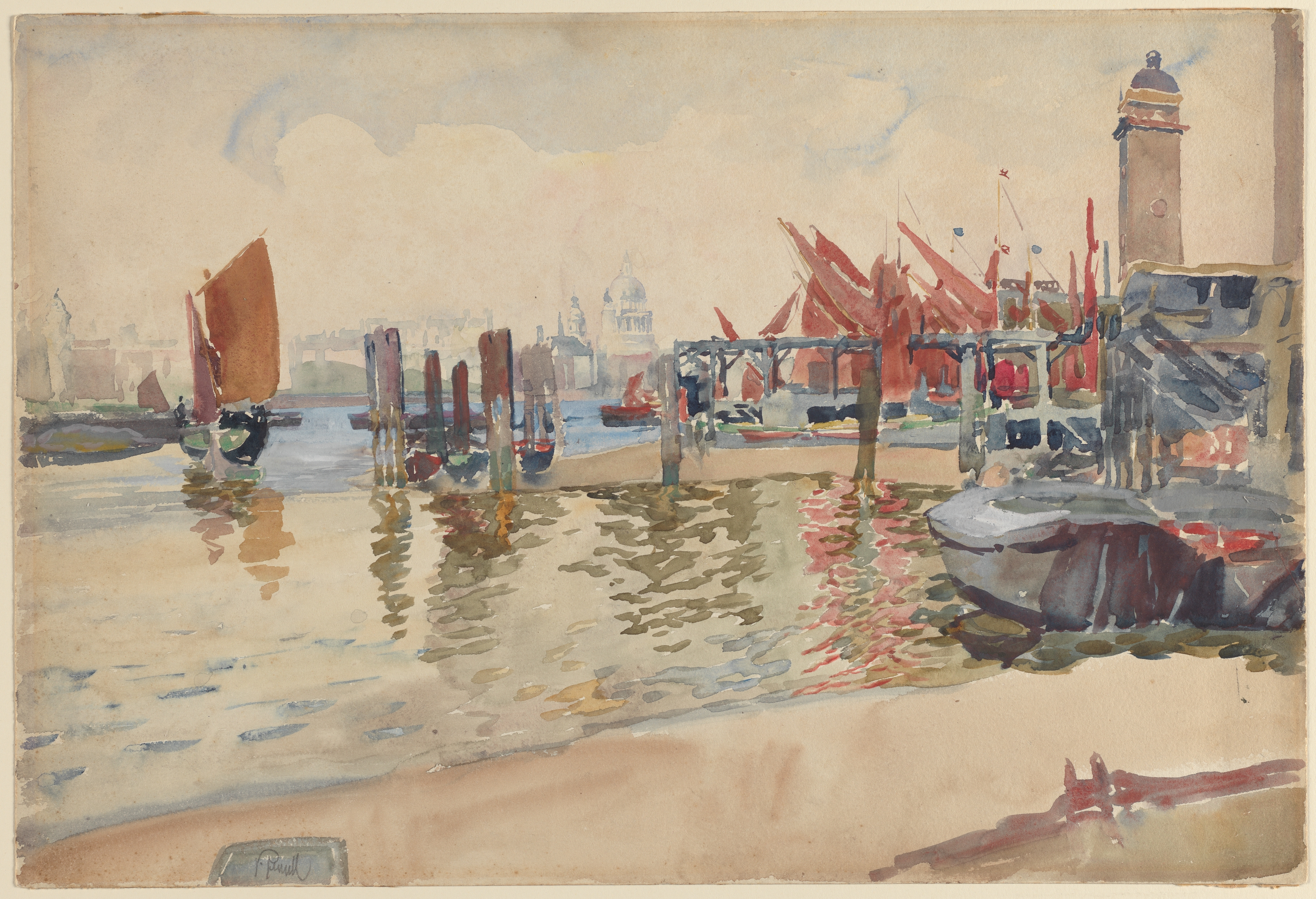
What secret hides in the quiet of the canvas? The stillness of night envelops Charing Cross Bridge at Night, offering a moment of reflection amidst the urban pulse of early 20th-century London. Focus first on the bridge itself, a majestic silhouette carved against the ink-black sky. The soft glow of gaslights glimmers off the water, where shadows ripple like whispers. Notice how the artist employs bold strokes of color, contrasting the deep blues and blacks with warm yellows and oranges, creating a harmony that simulates both tranquility and tension.
The lanterns, almost sentient, draw the eye along the span of the bridge, guiding us through this nocturnal landscape. Beneath its serene surface, the painting reveals an emotional dichotomy. The bridge stands as a metaphor for connection—uniting distant shores—yet it also isolates, highlighting the solitude of the figures who traverse it. Each light flickering in the darkness hints at lives unfolding beneath the surface, while the enveloping night holds their stories in silence.
This duality sparks contemplation about urban life: amidst the crowd, how often do we remain alone? In 1909, Joseph Pennell painted this piece during a period marked by rapid industrialization in London, juxtaposing modernity with the remnants of tradition. At this time, he was already an established figure in the art world, known for his striking depictions of urban scenes. His work reflected both admiration and critique of the bustling city, striving to find beauty in the shadows of progress.