Charles IV, King of Spain — History & Analysis
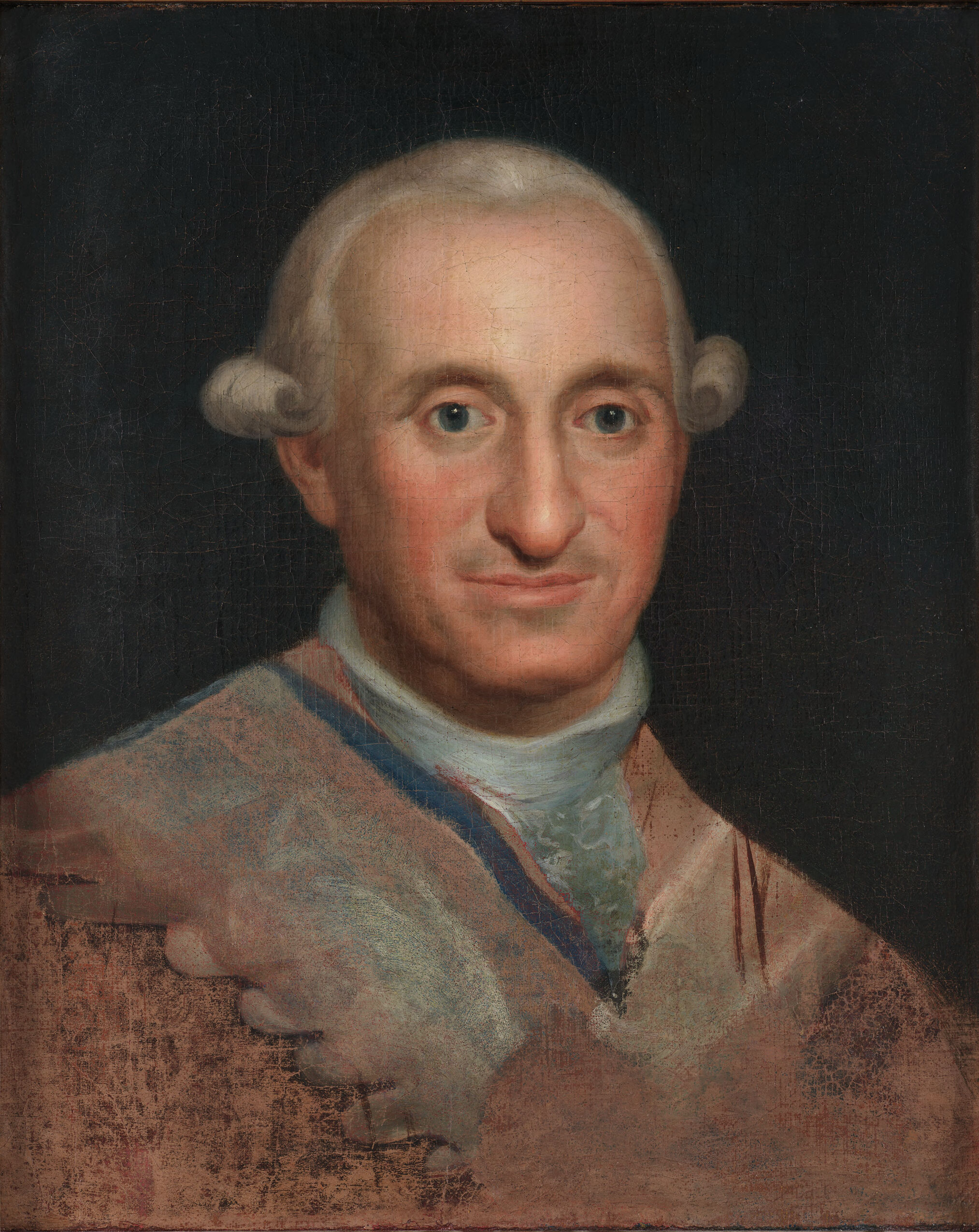
Who listens when art speaks of silence? In Charles IV, King of Spain, the canvas exudes a solemnity that invites introspection, revealing the complexities of power and the divine burden it carries. Focus on the king’s gaze, a blend of authority and vulnerability, anchored by the striking contrast between the dark background and the luminous figures surrounding him. Notice how Goya employs rich, earthy tones to create a sense of grounding, while the meticulous detail in the embroidered royal garments reflects both opulence and the weight of responsibility.
The interplay of light falls dramatically across Charles IV’s face, enhancing the emotional depth and suggesting the inner turmoil of a man caught between divine right and human frailty. The arrangement of figures speaks volumes; his family, seemingly positioned as a tableau of loyalty, hints at the tensions and alliances within the royal court. The subtle interplay of their expressions and gestures reveals an underlying discord—a silent acknowledgment of the sacrifices and entrapments that accompany their status. This complexity encapsulates the essence of monarchy, contrasting the grandeur of their appearance with the isolation that often accompanies such power.
Francisco de Goya painted this portrait between 1789 and 1792, a period marked by political upheaval in Spain and the stirrings of Enlightenment thought throughout Europe. Working in Madrid, Goya found himself at the nexus of a shifting artistic landscape, grappling with the demands of royal patronage while also laying the groundwork for modern artistic expression. This tension between obligation and innovation shaped his portrayal of the king, offering a profound commentary on the nature of authority and divinity.