Portrait of Isidoro Maiquez — History & Analysis
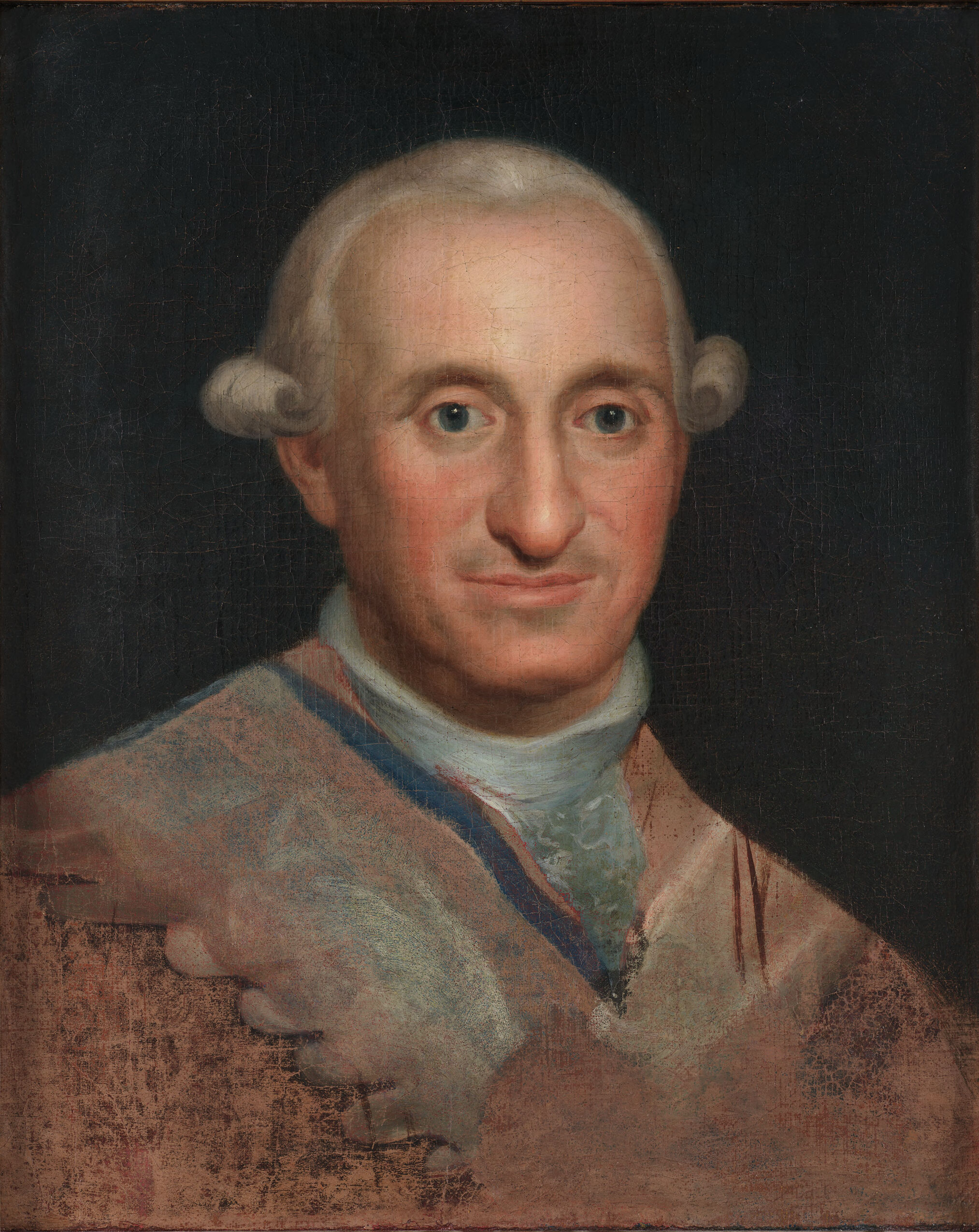
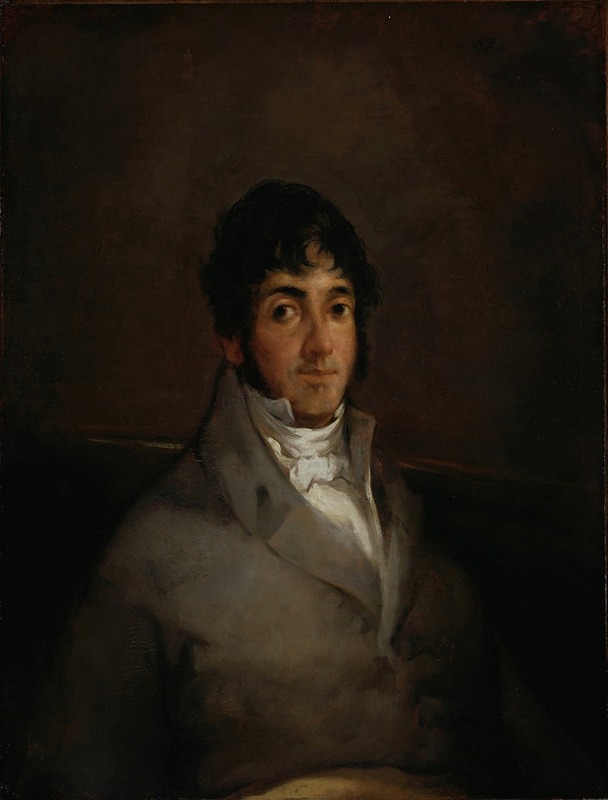
Who listens when art speaks of silence? In Portrait of Isidoro Maiquez, the stillness of the canvas invites profound reflection, embodying the awe of human presence and the weight of unspoken words. Focus first on the figure of Isidoro Maiquez, positioned with an air of quiet dignity. The subtle chiaroscuro enhances the contours of his face, casting gentle shadows that reveal both strength and vulnerability. His dark attire contrasts against the muted background, directing attention to his expression—contemplative, yet enigmatic.
The brushwork is fluid and confident, a hallmark of the artist’s evolving style, allowing the viewer to feel the texture and depth of the moment captured. In this portrait, the gaze of Maiquez seems to pierce through time, conveying a sense of intimacy while simultaneously fostering distance. The softness around his eyes speaks to the complexities of thought and emotion, suggesting stories untold. Additionally, the slight tilt of his head introduces a tension between confidence and uncertainty—a duality that resonates deeply within the viewer, inviting them to ponder his silent narrative.
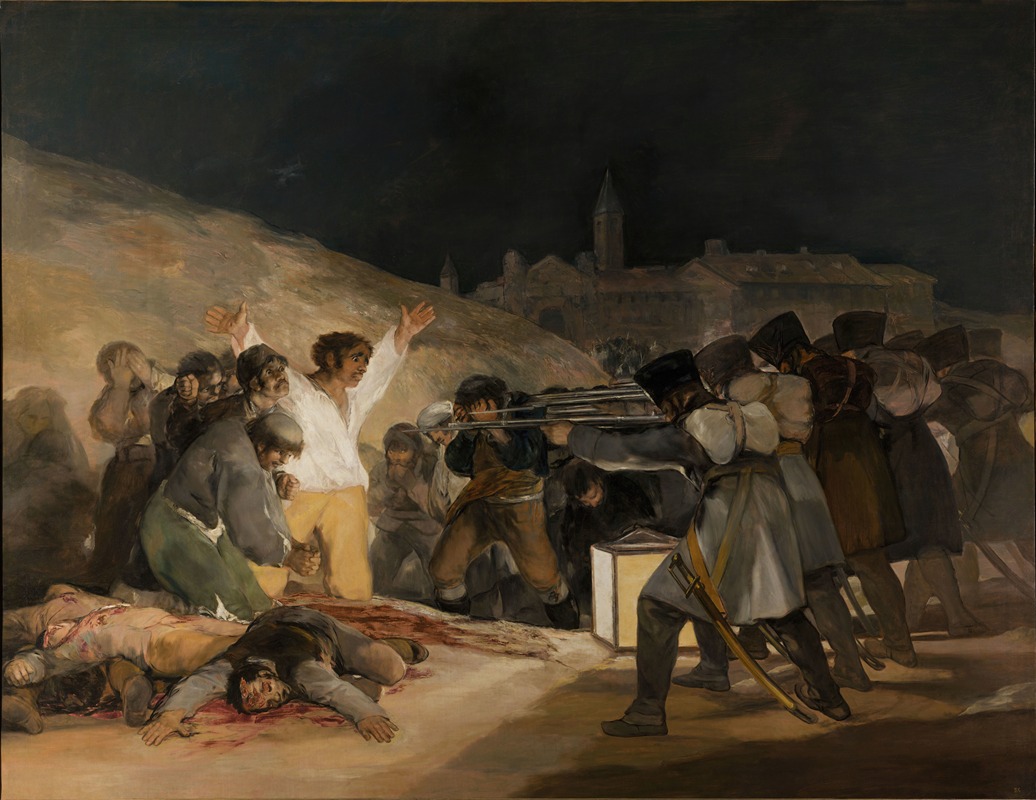
Created around 1807, Goya painted this work during a transformative period in his career. At that time, he was grappling with personal health issues and witnessing the tumultuous political landscape of Spain. The Napoleonic Wars cast shadows over the nation, influencing his artistic direction. This portrait reflects not only the essence of its subject but also the introspective shift that Goya was undertaking as he navigated the intersection of personal and collective turmoil.