The Charge of the Mamelukes (1814) — History & Analysis
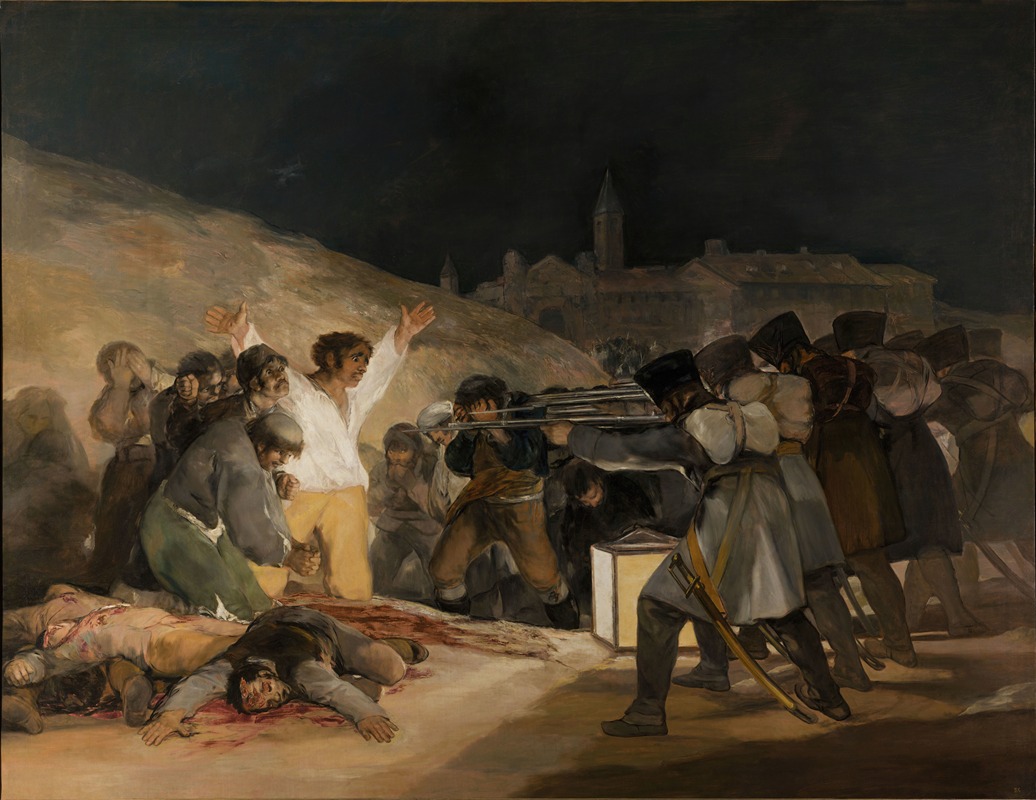
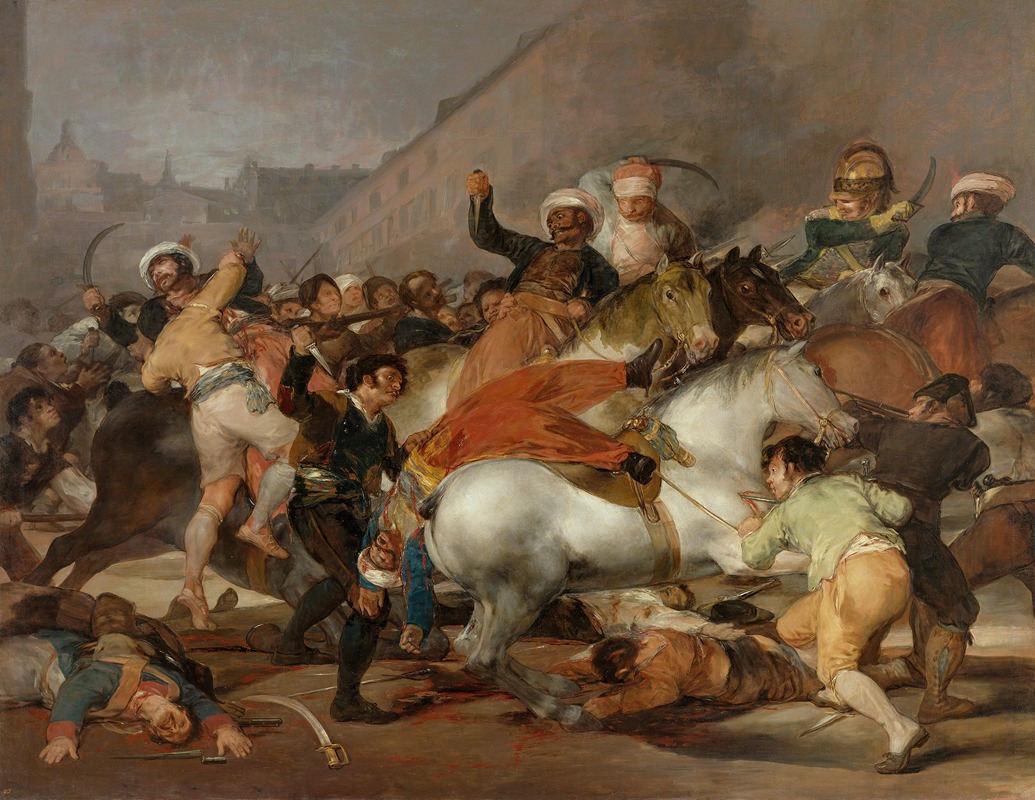
What if beauty was never meant to be finished? In Francisco de Goya's The Charge of the Mamelukes, a moment suspended between triumph and chaos reveals the fragility of glory. Look to the center, where the Mamelukes charge forward, their horses bursting with energy and hooves striking the ground with urgency. The composition is dynamic, capturing a flurry of action that draws the viewer’s gaze into the swirling chaos of the battlefield. Notice how the muted earth tones contrast with splashes of vibrant red and gold, illuminating the figures against the grim backdrop of war.
Goya employs dynamic brushstrokes, lending a sense of immediacy that makes the piece feel alive, as if one could almost hear the thunder of hooves and the clash of steel. Within this chaotic scene lies a deeper commentary on the fleeting nature of power and glory. The striking ferocity of the charging warriors belies the underlying vulnerability of their position, suggesting that victory is often tempered by the specter of defeat. The fragmented bodies and turbulent motion evoke the transience of life, encapsulating the fragility of human ambition amidst the chaos of conflict.
Each figure, poised between action and stillness, reflects an ephemeral beauty that resonates through time. In 1814, Goya was grappling with the tumultuous political landscape of Spain, influenced by the Peninsular War's chaos. Painted during a period marked by upheaval, The Charge of the Mamelukes serves as both a testament to the artist’s mastery and a reflection of the societal tensions surrounding him. The work encapsulates a moment in history where art captured not just the exterior world, but the fragile essence of the human experience within it.