Christus discussieert met de farizeeërs over het betalen van belasting — History & Analysis
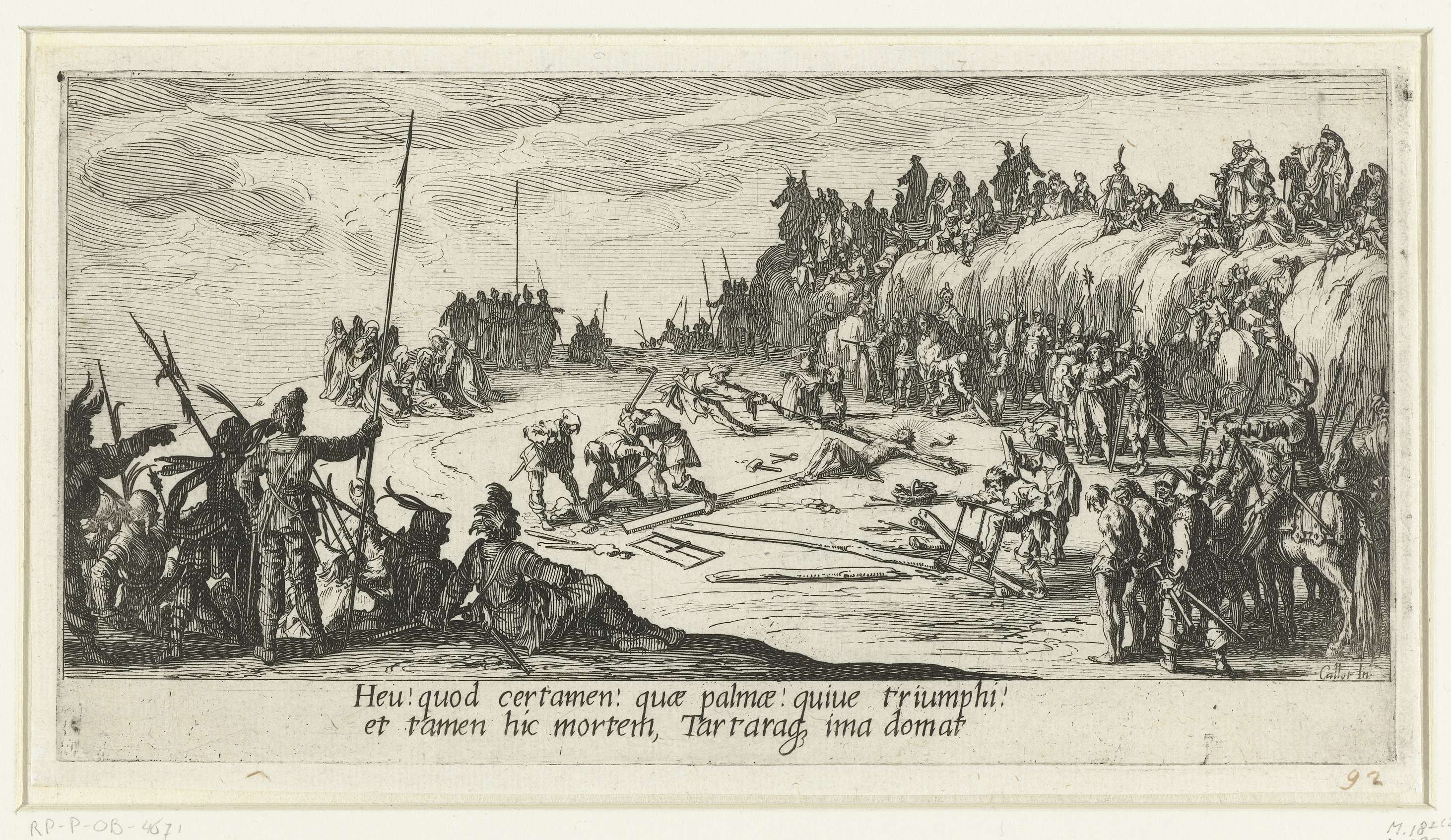
“Every silence here is a confession." In the heart of a vivid discourse between duty and morality, a charged atmosphere envelops the figures, each caught in their own dream of belief and power. The moment is suspended, hanging between the sacred and the secular, where questions weigh heavier than the coins in their pockets. Focus on the central figures, particularly the poised Christ, whose expression speaks volumes as he engages with the Pharisees. Notice how the contrasts of light and shadow shape their faces, the divine glow around Christ illuminating the moral gravity of his words.
The intricate details of their attire—rich fabrics adorned with patterns—speak to status and conflict, while the muted earth tones ground the painting in a stark reality, drawing the viewer deeper into this pivotal debate. Beneath the surface, the tension between faith and obligation pulses with urgency. The subtle gestures, like a raised hand or a furrowed brow, imply a struggle not just for understanding but for redemption. The coins in the foreground represent worldly concerns, and the seemingly impassive expressions of the onlookers suggest an internal battle between belief and societal pressures, echoing the timeless conflict of faith against the demands of the world.
In 1635, Jacques Callot painted this work during a period marked by political and religious turmoil across Europe. Living in Nancy, France, he was deeply influenced by the Catholic Reformation. This painting reflects not only a moment of religious discourse but also Callot's own exploration of moral complexities just as society wrestled with the implications of authority and belief.