Kruisiging — History & Analysis
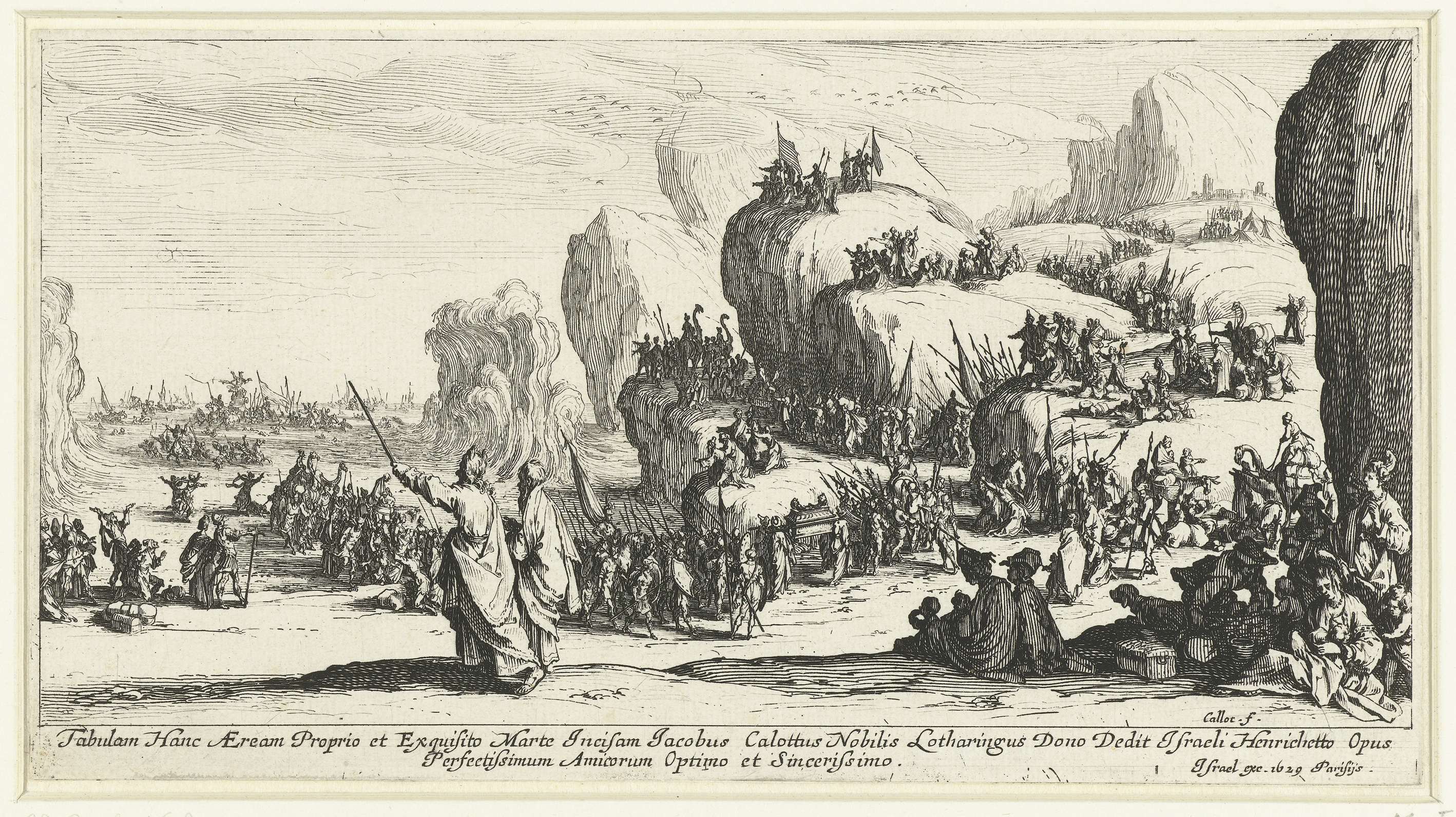
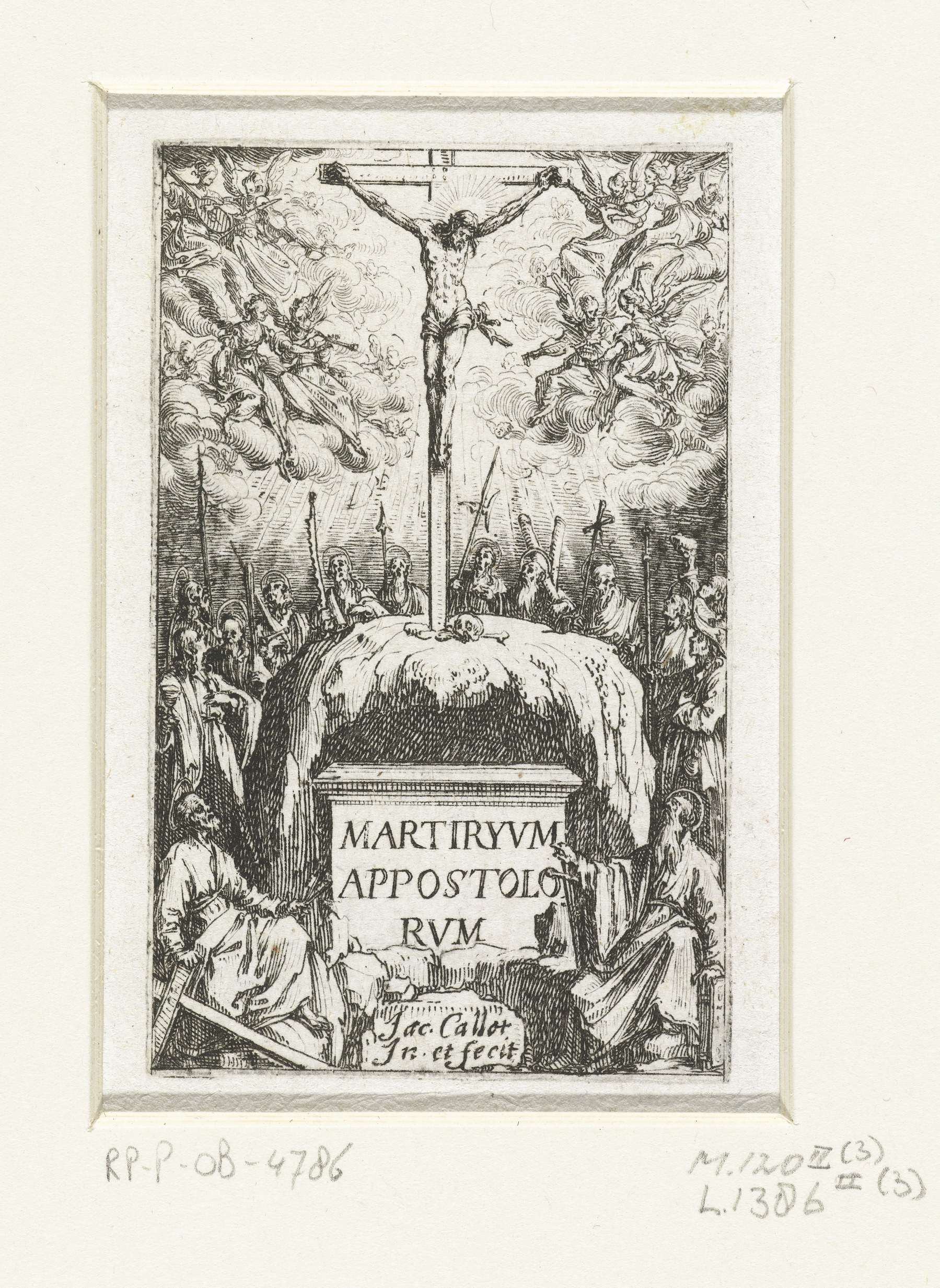
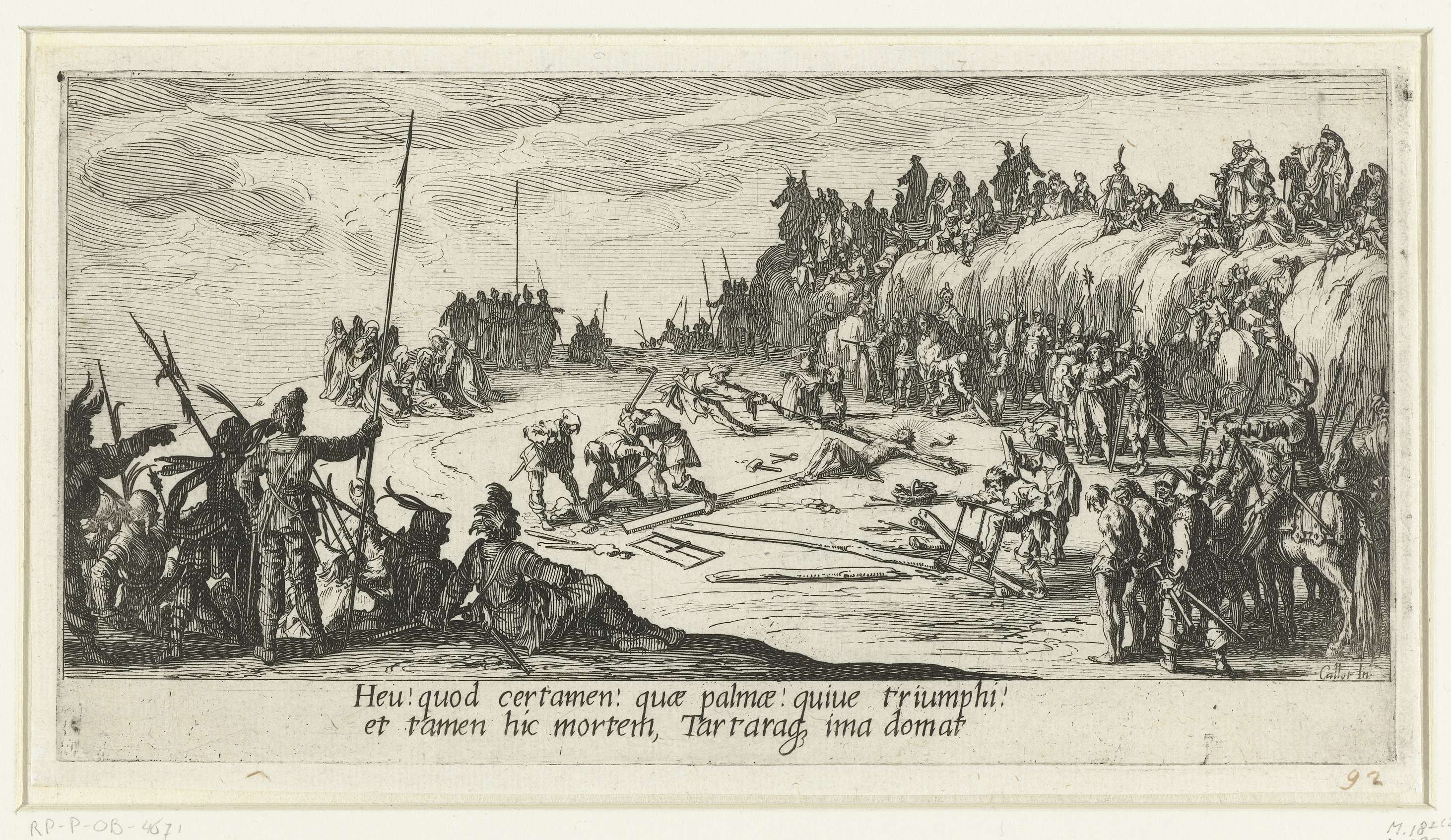
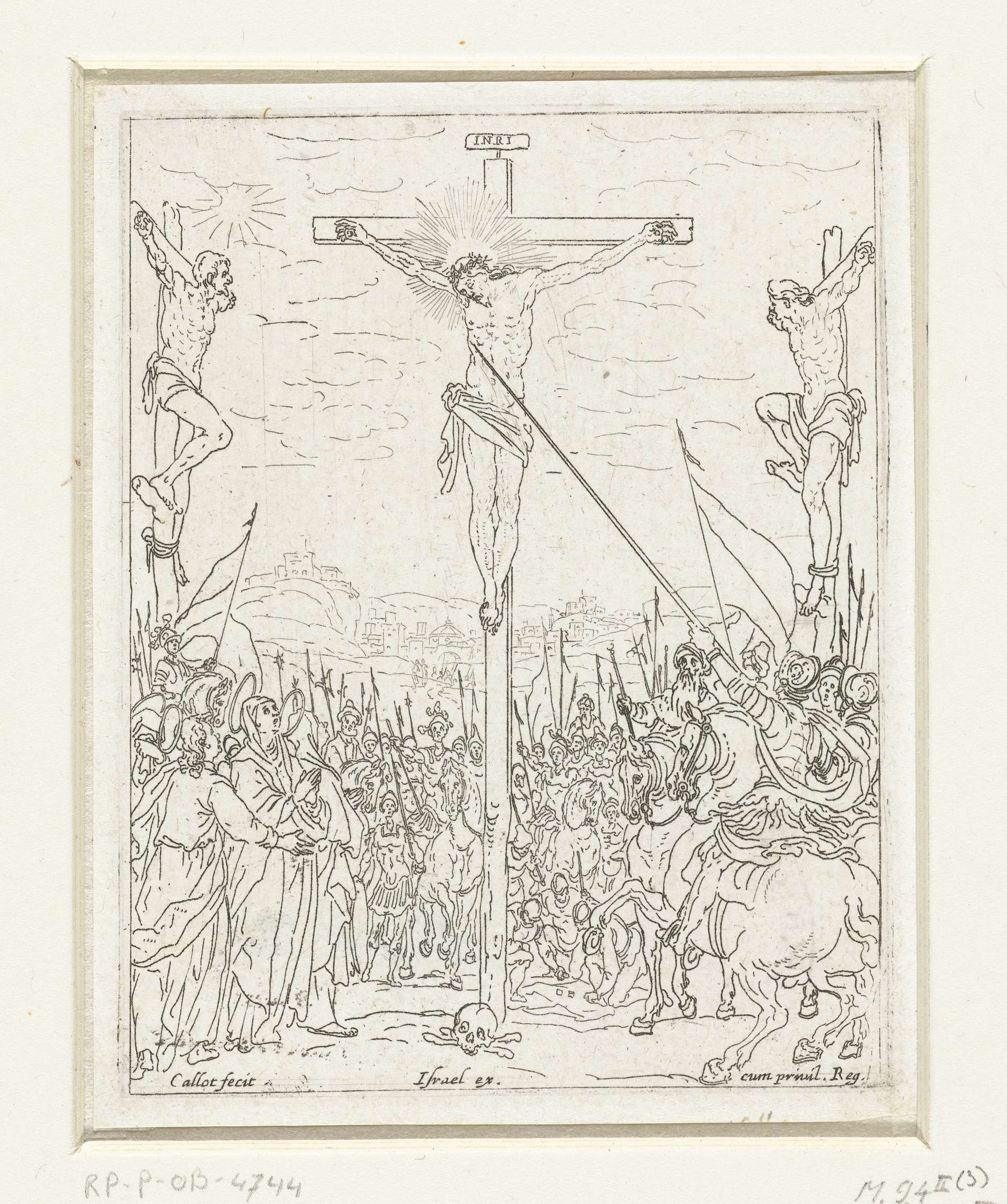
Where does light end, and longing begin? In the delicate interplay of shadow and illumination, one finds a poignant exploration of fragility in human existence. Look closely at the center of the composition, where figures are suspended in the throes of anguish and despair. The solemnity of the scene is heightened by the stark contrast between the darkened background and the ethereal figures bathed in a soft, almost divine light. Notice how Callot employs intricate linework to detail the expressions of grief and sorrow on the faces of the onlookers, drawing the viewer's gaze toward their faltering hope and quiet suffering.
The muted palette reinforces the somber mood, inviting contemplation on the ephemeral nature of life. Yet, it is in the subtleties that deeper insights emerge. The delicate hands reaching out, straining against the inevitability of loss, speak to the fragility of human connection. The positioning of the figures suggests an unspoken tension, a collective mourning that transcends the individual.
Every crease in their garments and every furrow on their brows tells a story of longing—an ache for what was and what might never be again. Jacques Callot created this haunting piece during a tumultuous period between 1621 and 1635, a time marked by conflict and suffering in Europe. He was in Nancy, France, influenced by the emerging Baroque style yet deeply rooted in the Mannerist tradition. This work reflects not only his personal artistic evolution but also the collective trauma of a society grappling with the fragility of faith and existence amidst upheaval.