Titelprent voor de prentreeks 'De kleine apostelen' (Het martelaarschap van de apostelen) — History & Analysis
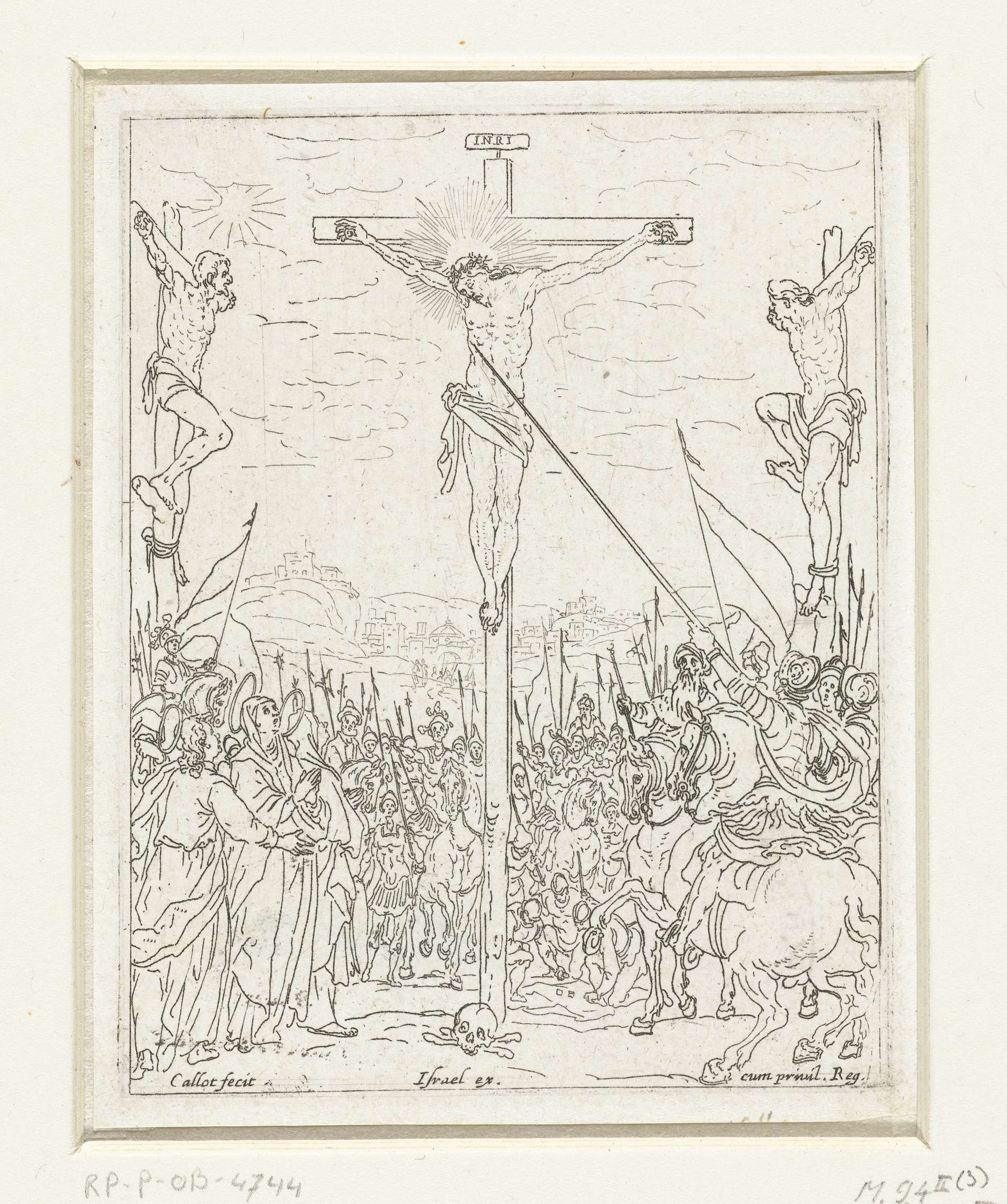
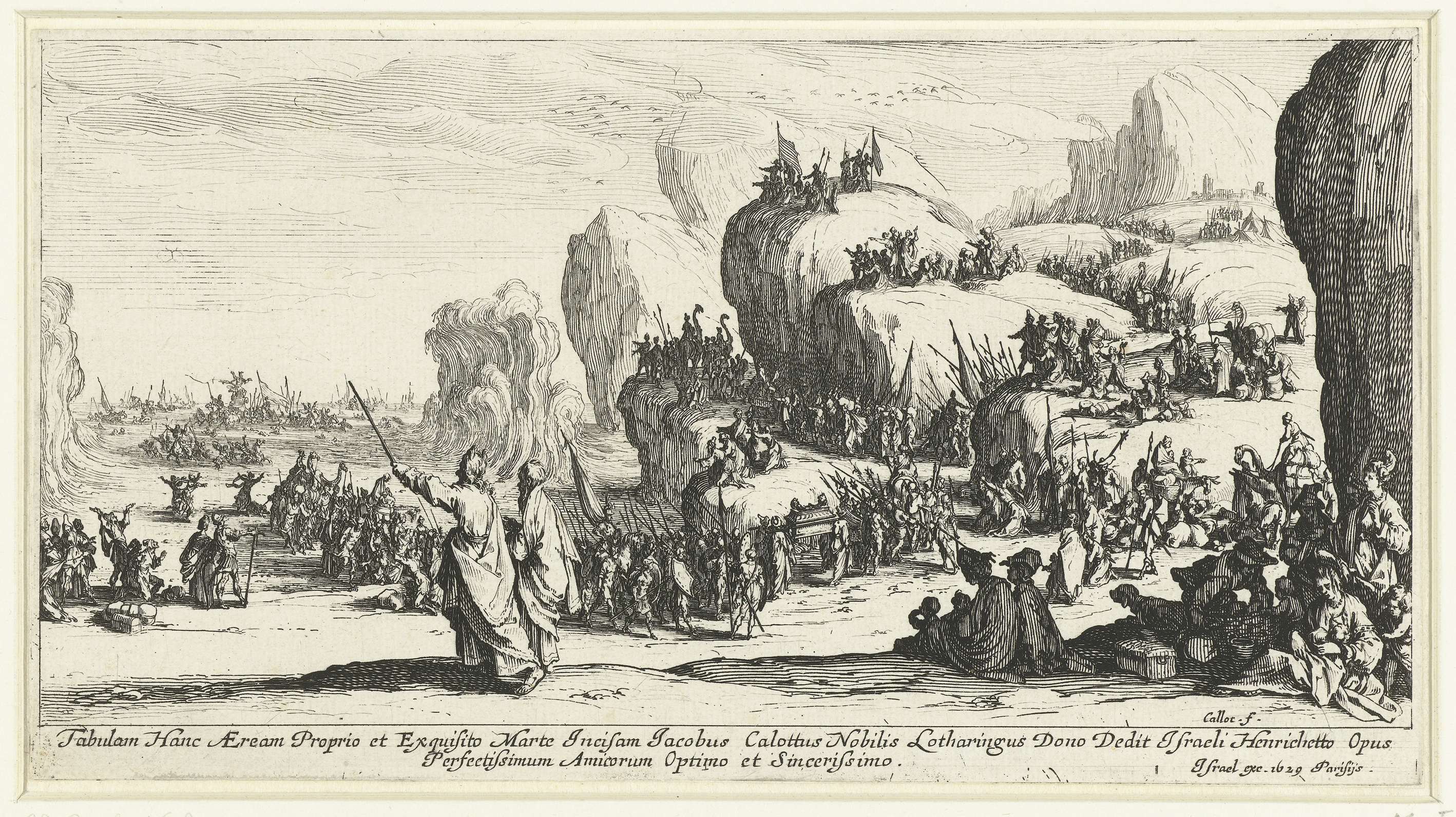
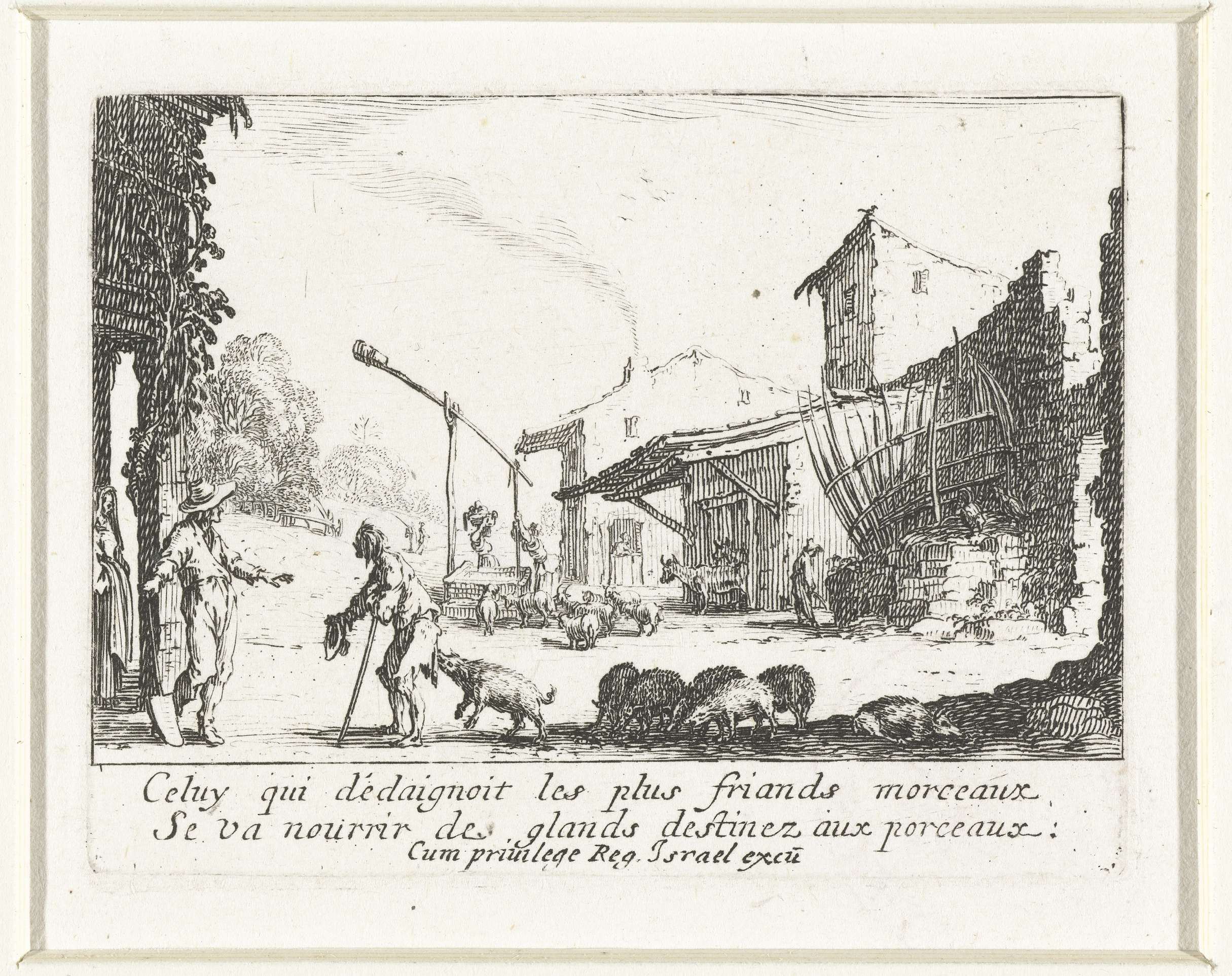
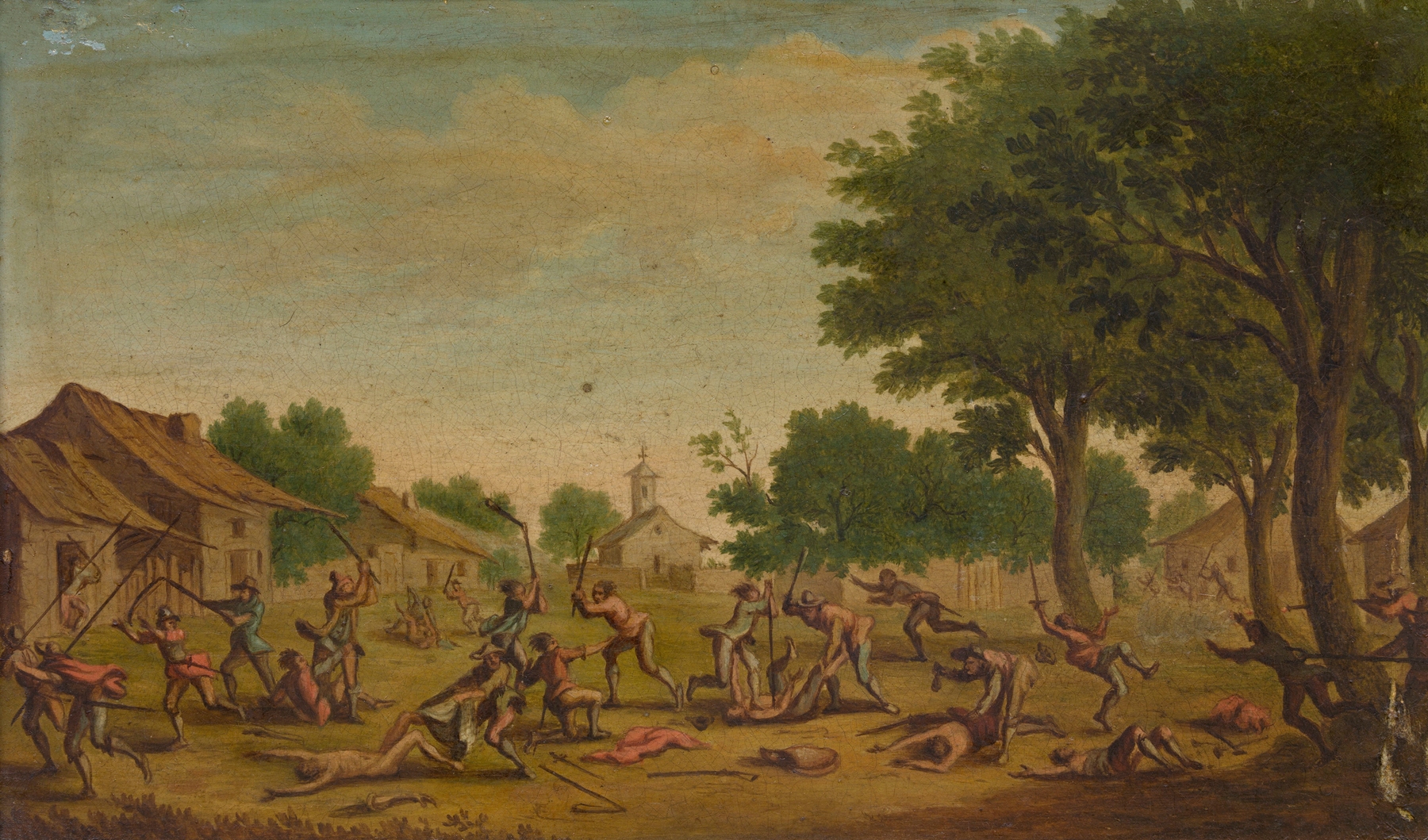
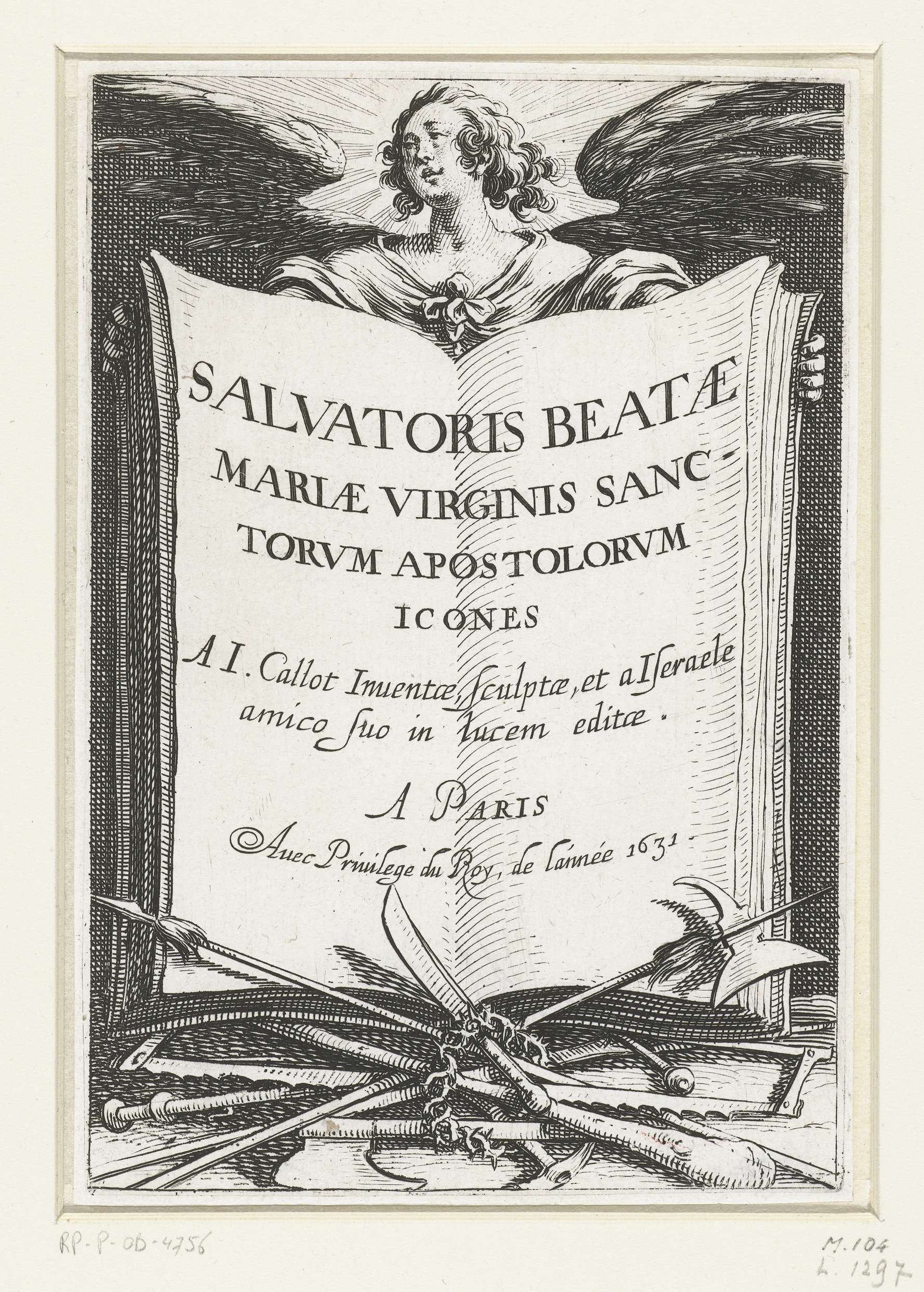
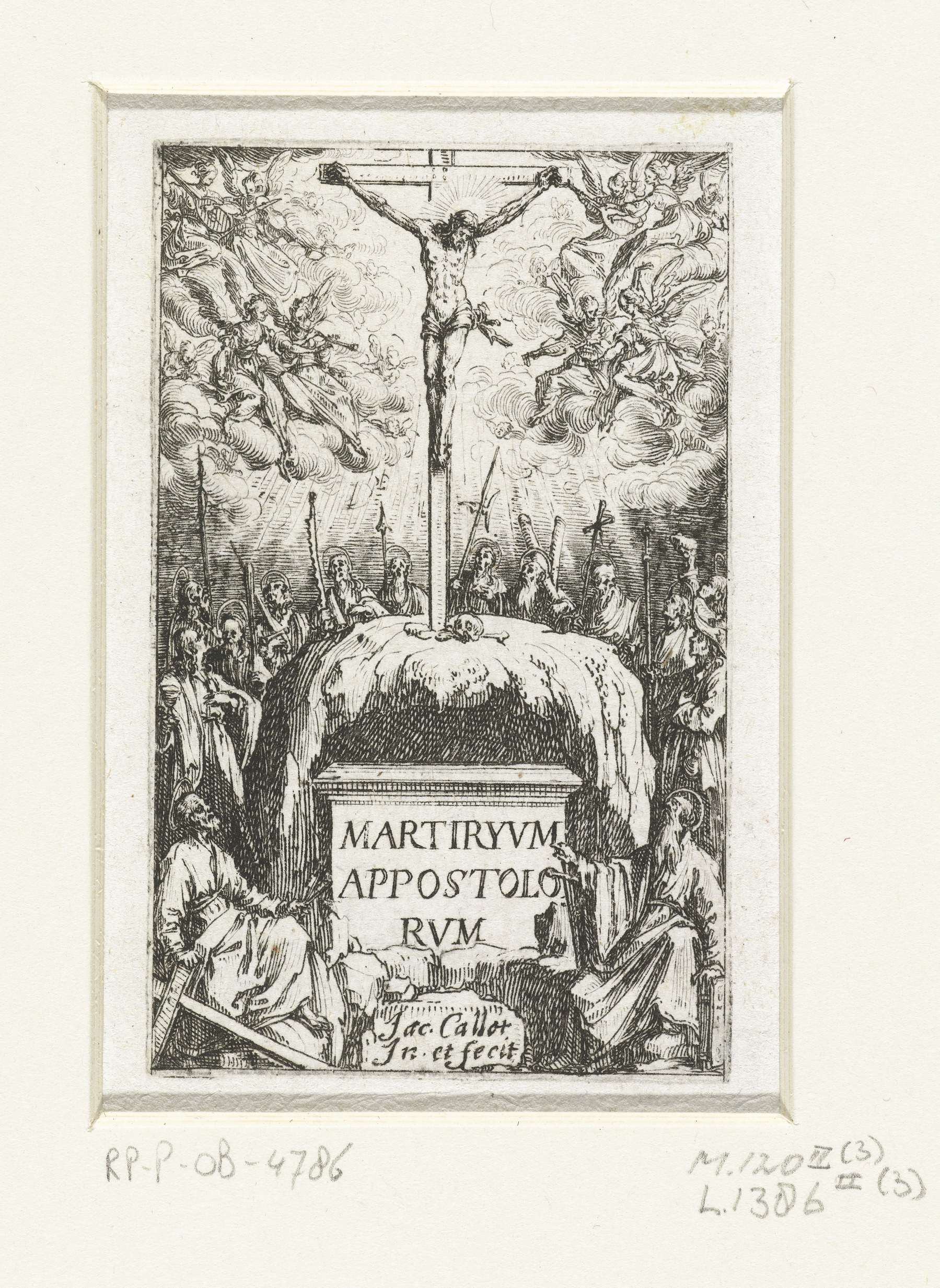
Can beauty exist without sorrow? This question reverberates through the intricate lines and stark contrasts in Titelprent voor de prentreeks 'De kleine apostelen'. Here, movement encapsulates both grace and despair, inviting contemplation on the human experience and the fragility of life. Look closely at the dynamic composition; the swirling forms of the apostles draw your gaze toward the center, where the tension of martyrdom is palpable. Notice how the delicate etching lines create a rhythm, suggesting not only the physicality of the figures but also the emotional weight they bear.
The muted palette enhances this, with earth tones interplaying with the deeper shadows that seem to cradle each figure, as if the very ground mourns their fate. Yet amid the somberness, there is a profound beauty in the expressions and gestures of the apostles. Their postures speak volumes; some reach skyward, yearning for solace, while others seem to brace against an unseen force. This dance between hope and despair, movement and stillness, creates an emotional landscape that resonates with the viewer.
The work encapsulates a tragic elegance, urging one to consider the interplay of life and sacrifice. Jacques Callot created Titelprent voor de prentreeks 'De kleine apostelen' between 1632 and 1634, during a period marked by artistic innovation and the burgeoning Baroque movement. Working in Nancy, France, Callot was influenced by the tumultuous times of the Thirty Years' War, where themes of suffering and resilience were ever-present. His ability to convey complex narratives through intricate detail and movement cemented his legacy in the world of printmaking, inviting generations to reflect on the intersection of beauty and sorrow.