De doortocht door de Rode Zee — History & Analysis
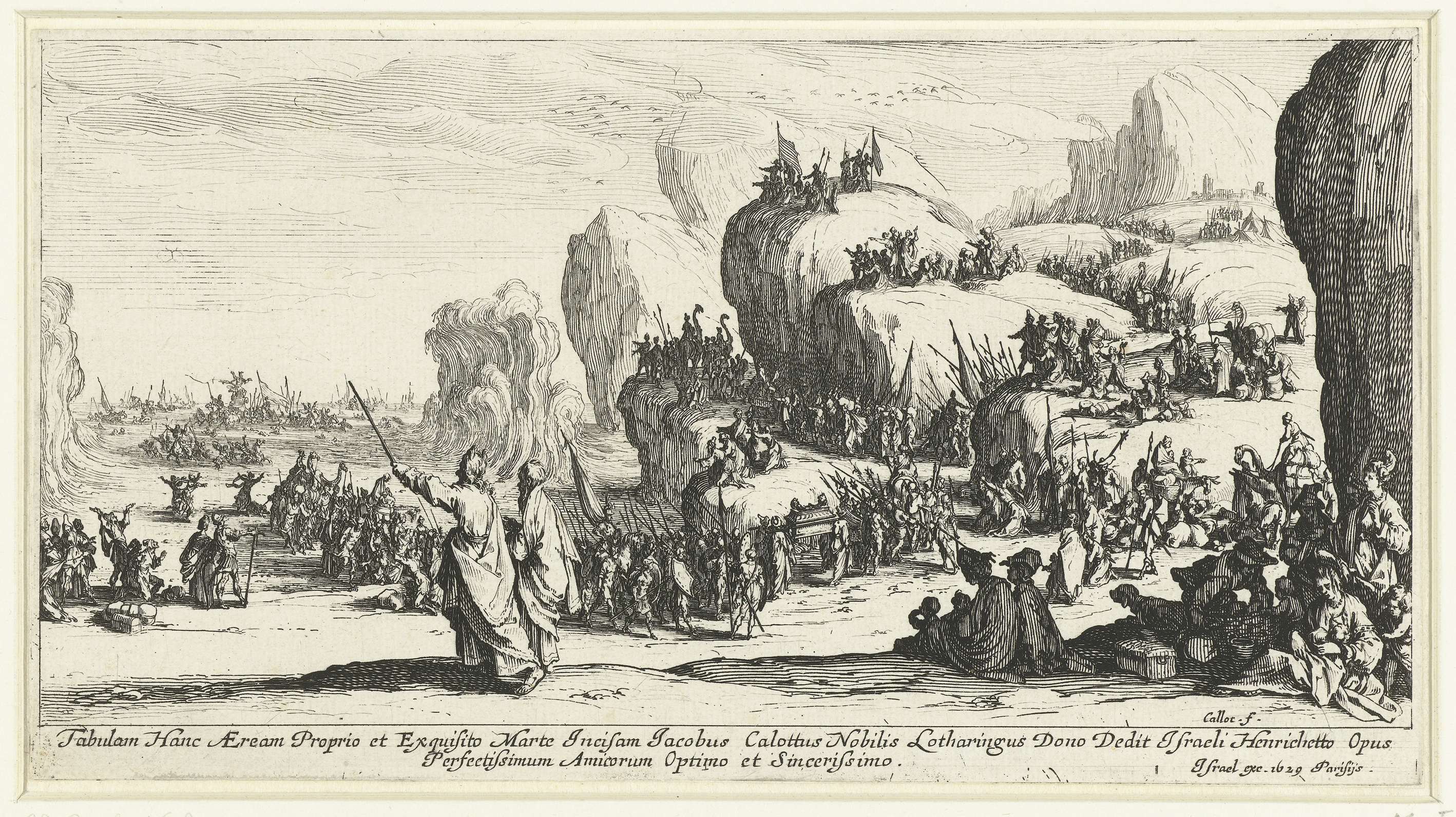
Where does light end, and longing begin? This question reverberates through the heart of De doortocht door de Rode Zee, capturing a pivotal moment where the divine and the mortal intertwine. Focus on the dynamic interplay of light and shadow throughout the artwork. Notice how the radiant glow emanates from the parted waters, illuminating the figures of the fleeing Israelites.
The artist uses a palette of deep blues and shimmering whites that evoke both the vastness of the Red Sea and the hope of salvation. Your gaze is drawn first to the dramatic contrast of the turbulent waves against the serene expressions of the people, highlighting a profound tension between fear and faith. Delve deeper, and you’ll uncover layers of meaning in the details: the trembling hands of a mother clutching her child, the expressions of awe and desperation etched across each face, and the haunting calmness of the seabed beneath their feet. The reflections in the water serve as a metaphor for the past being washed away, suggesting both the weight of memories and the promise of freedom ahead.
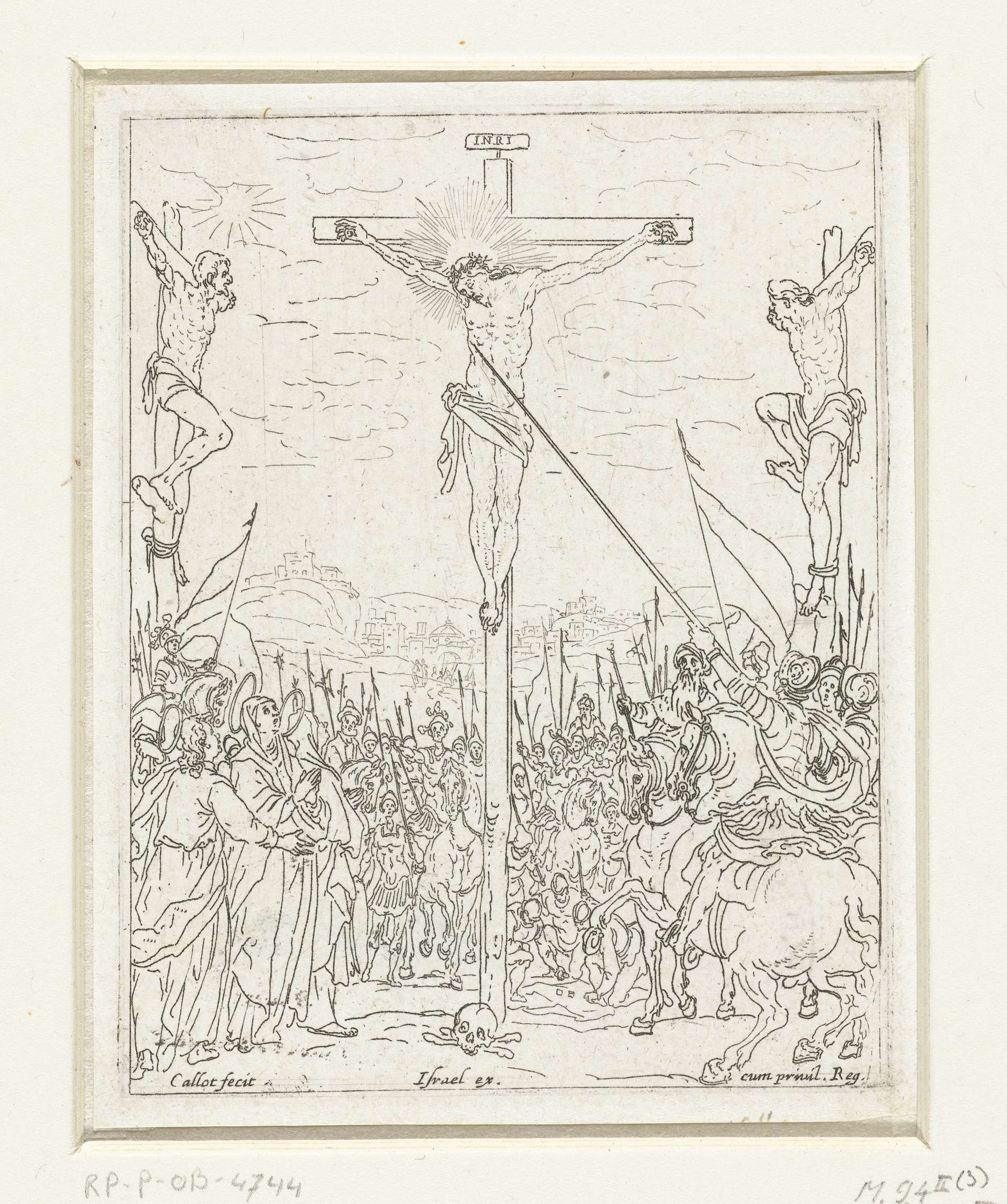
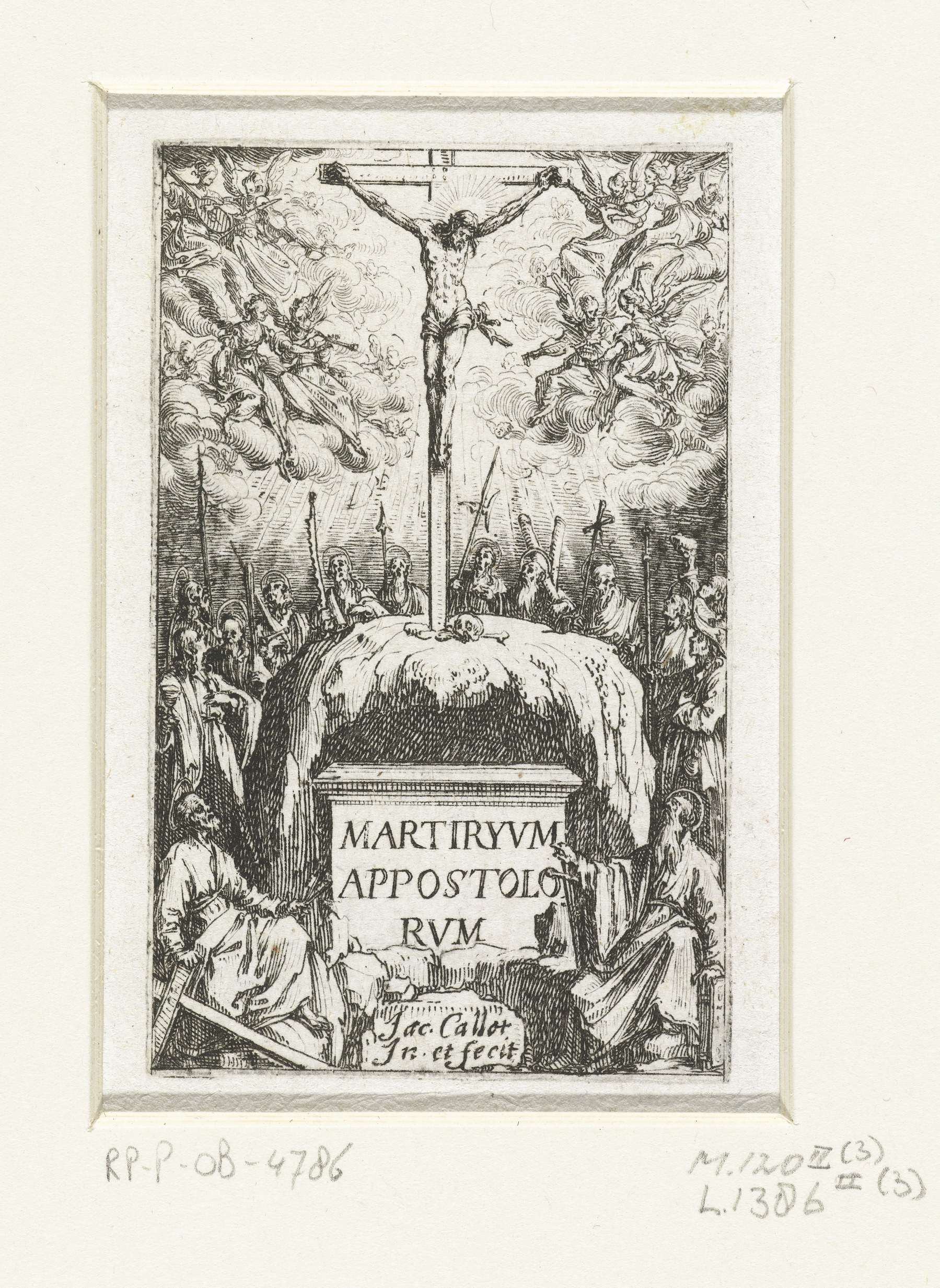
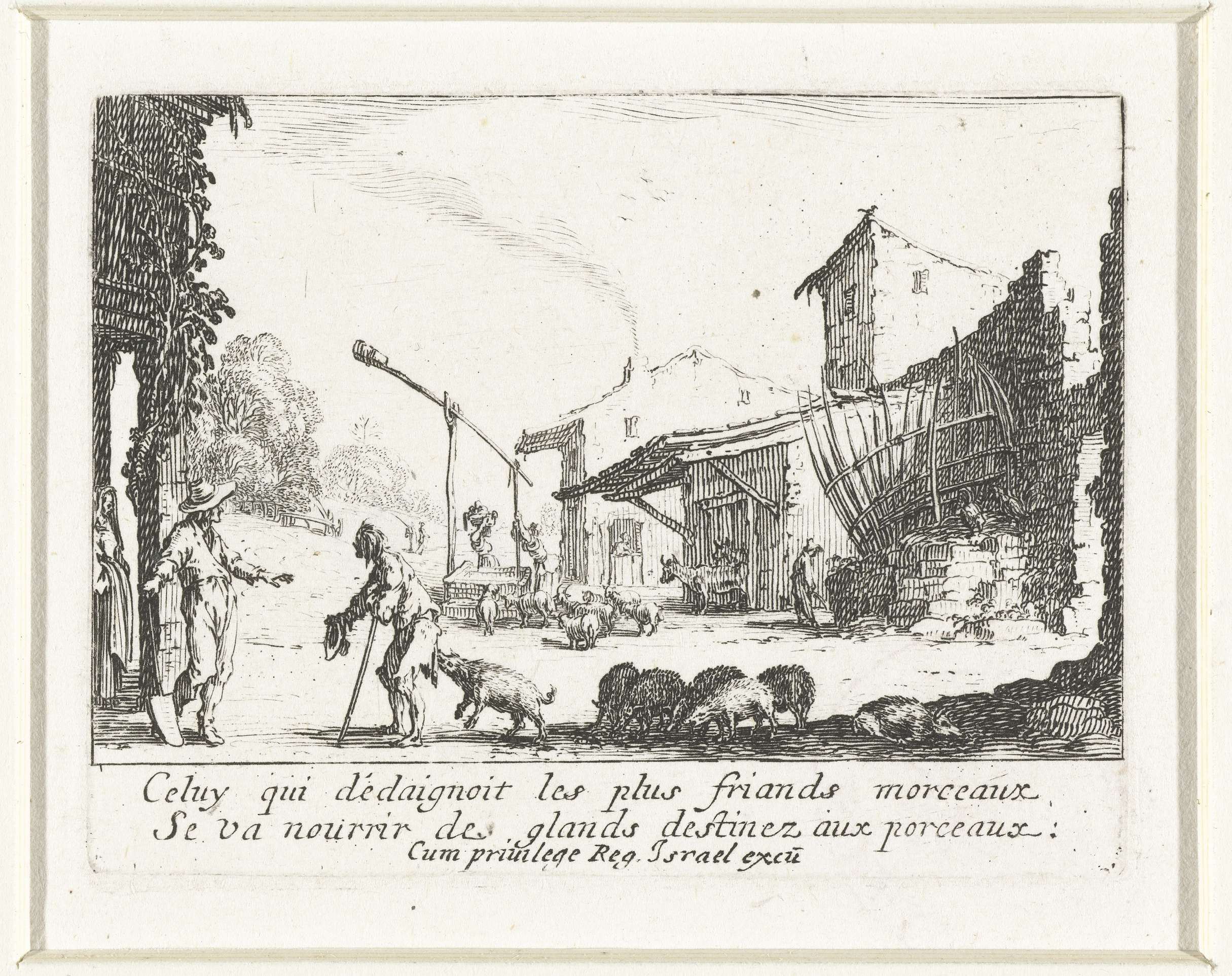
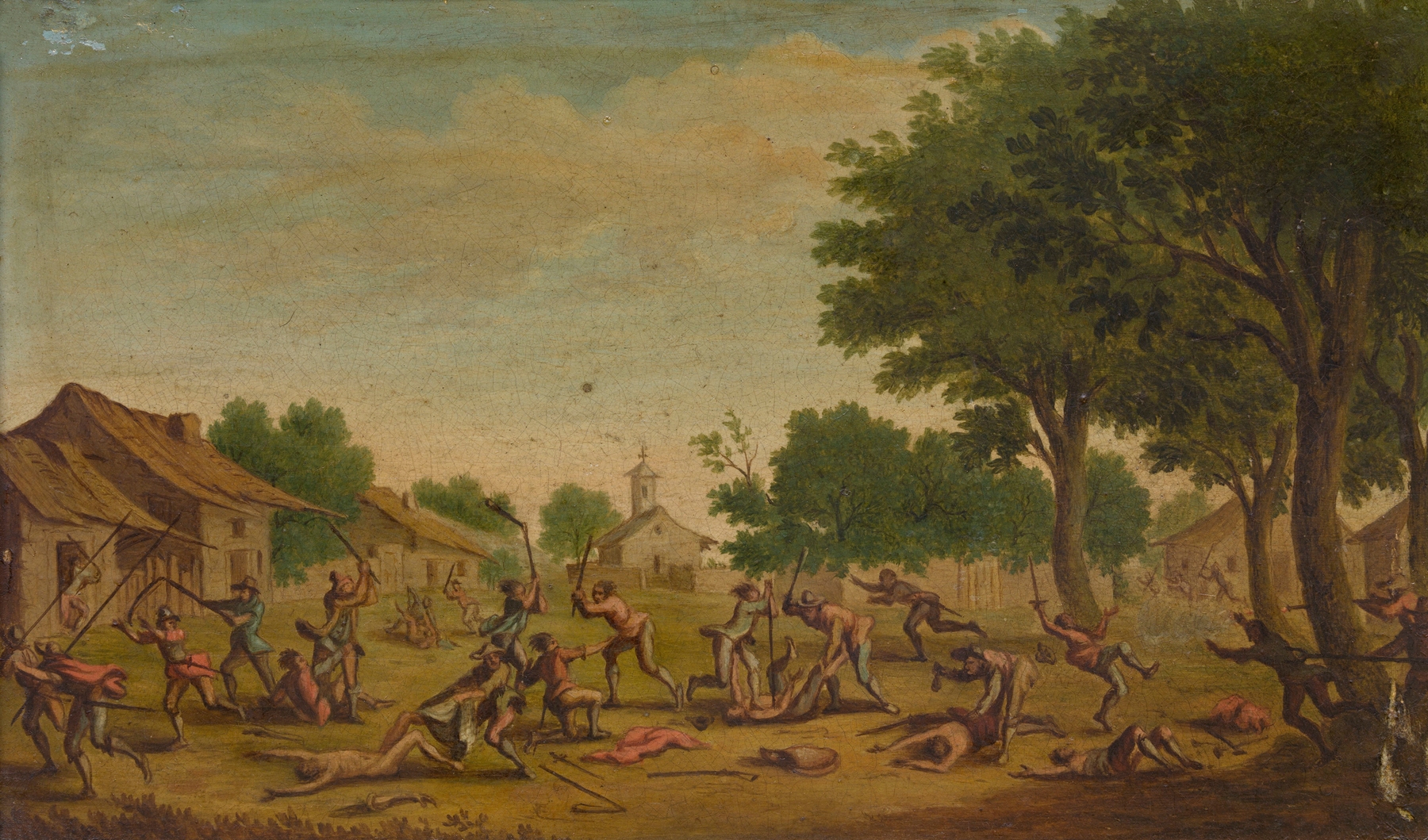
The juxtaposition of chaos and serenity speaks to the universal human experience of transition and transformation. Jacques Callot painted this piece in 1629, during a time when Europe was mired in conflict and the consequences of the Thirty Years' War loomed large. Working from his studio in Nancy, he was deeply influenced by the Baroque movement, which emphasized emotion and grandeur. This painting melds his mastery of printmaking with a narrative power, reflecting not only the biblical story but also the collective yearning for liberation that resonated with people of his time.