Kruisoprichting — History & Analysis
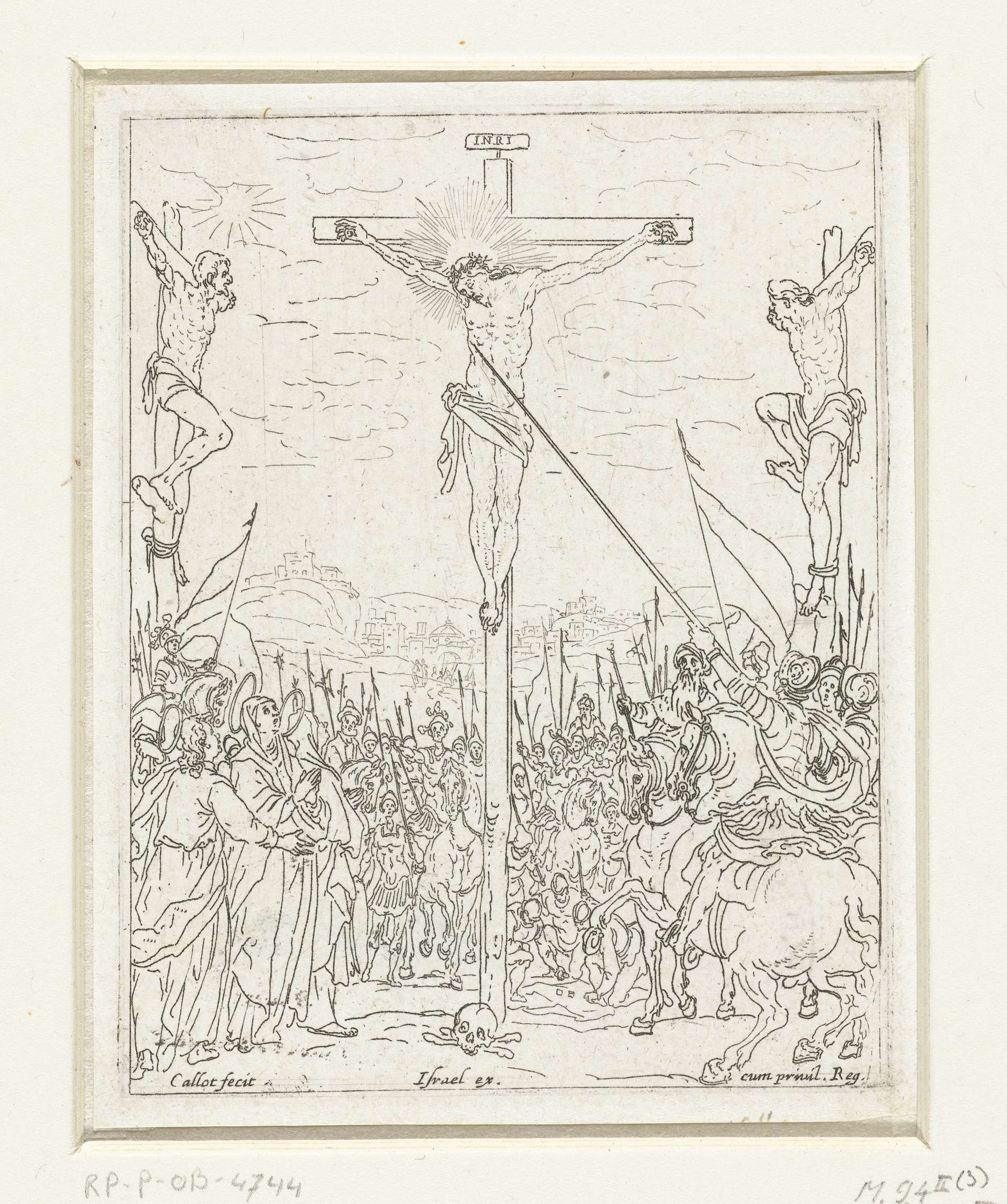
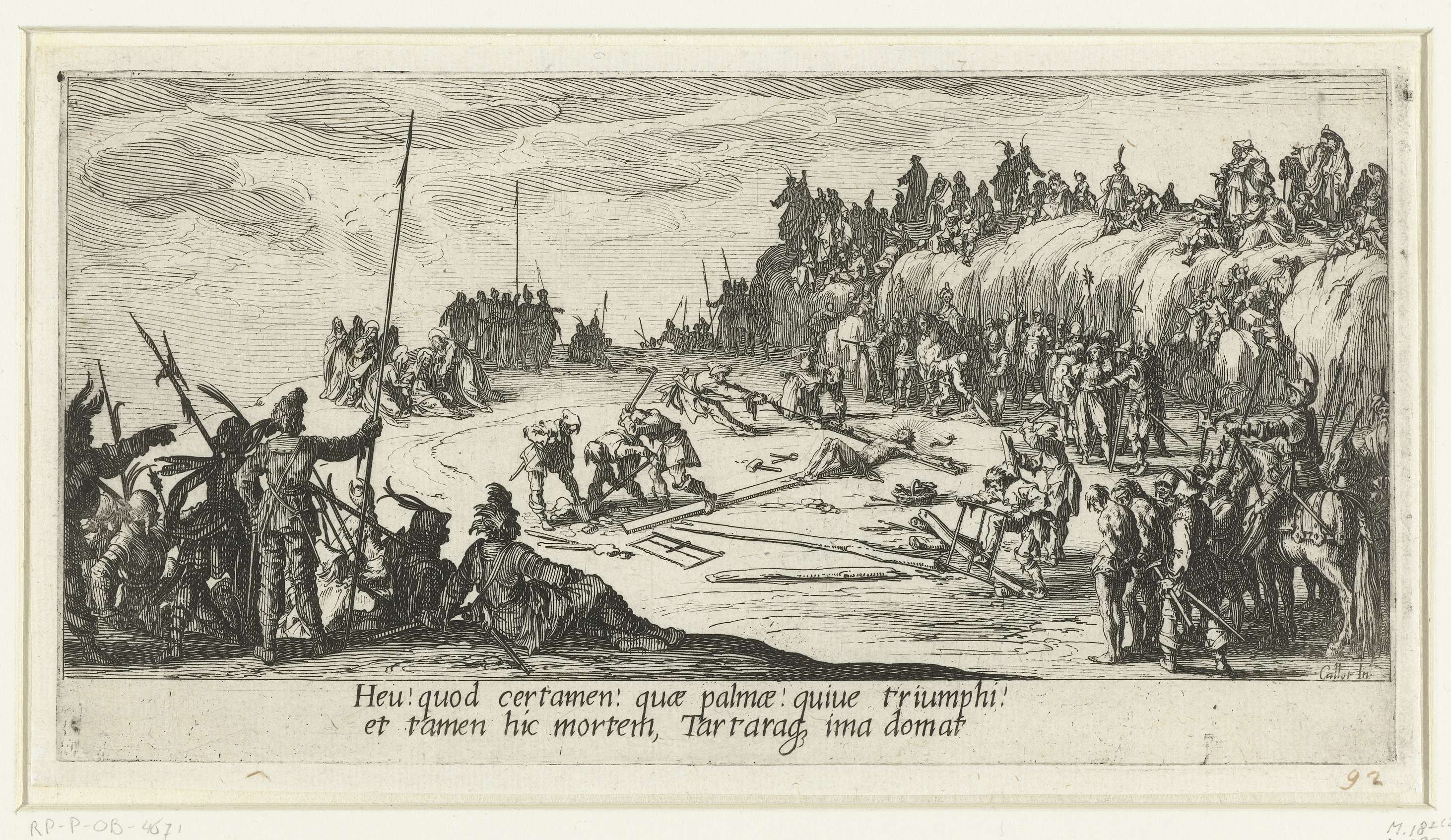
What if silence could speak through light? In Kruisoprichting, the poignant interplay of shadow and illumination creates a profound dialogue of hope amid despair. Look to the center where the figure of Christ hangs in an agonizing yet graceful posture, the crucifix towering against a dim, brooding sky. Notice how the stark contrasts of light and dark define the moving gestures of the onlookers, their faces etched with anguish and reverence.
The somber palette and delicate detailing reveal the artist's mastery, drawing the viewer's attention to the tension between faith and hopelessness. Beneath the surface of this harrowing scene lies an intricate web of emotional exploration. The anguished faces surrounding the cross convey deep sorrow, yet their outstretched hands suggest an imploring hope, a yearning for redemption and salvation. The juxtaposition of the stark, lifeless figure against the vibrant, dynamic crowd speaks to the duality of despair and hope, evoking a collective human struggle that transcends time.
Jacques Callot created Kruisoprichting between 1619 and 1624, during a period marked by the turbulence of the Thirty Years' War in Europe. Living in Nancy, France, he was influenced by both Baroque ideals and the emerging realism in art, seeking to portray the profound human experience through dramatic scenes filled with emotional intensity. This painting reflects not only a moment of religious significance but also the broader human condition of suffering and the quest for hope amid turmoil.