De boetvaardige Johannes de Doper — History & Analysis
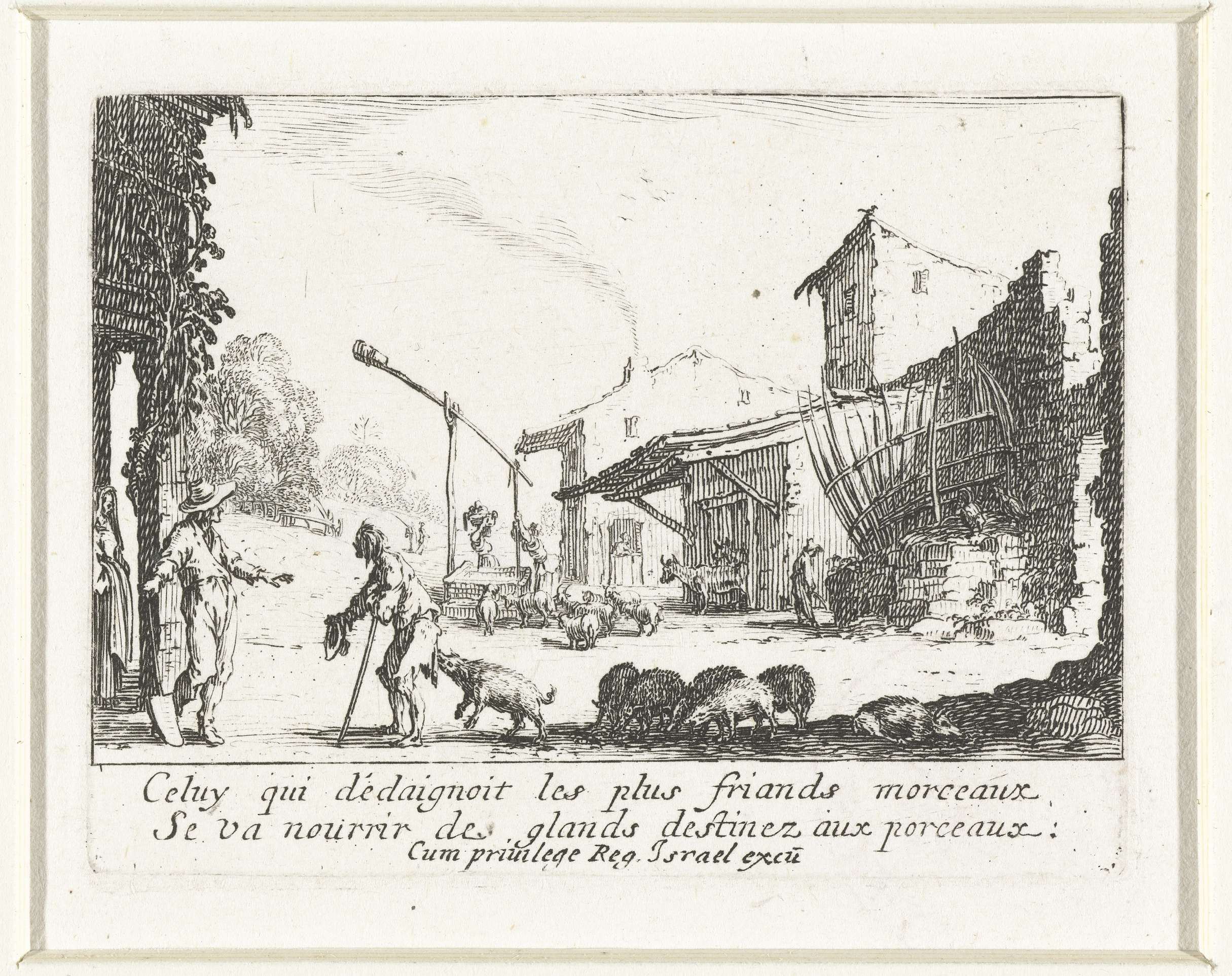
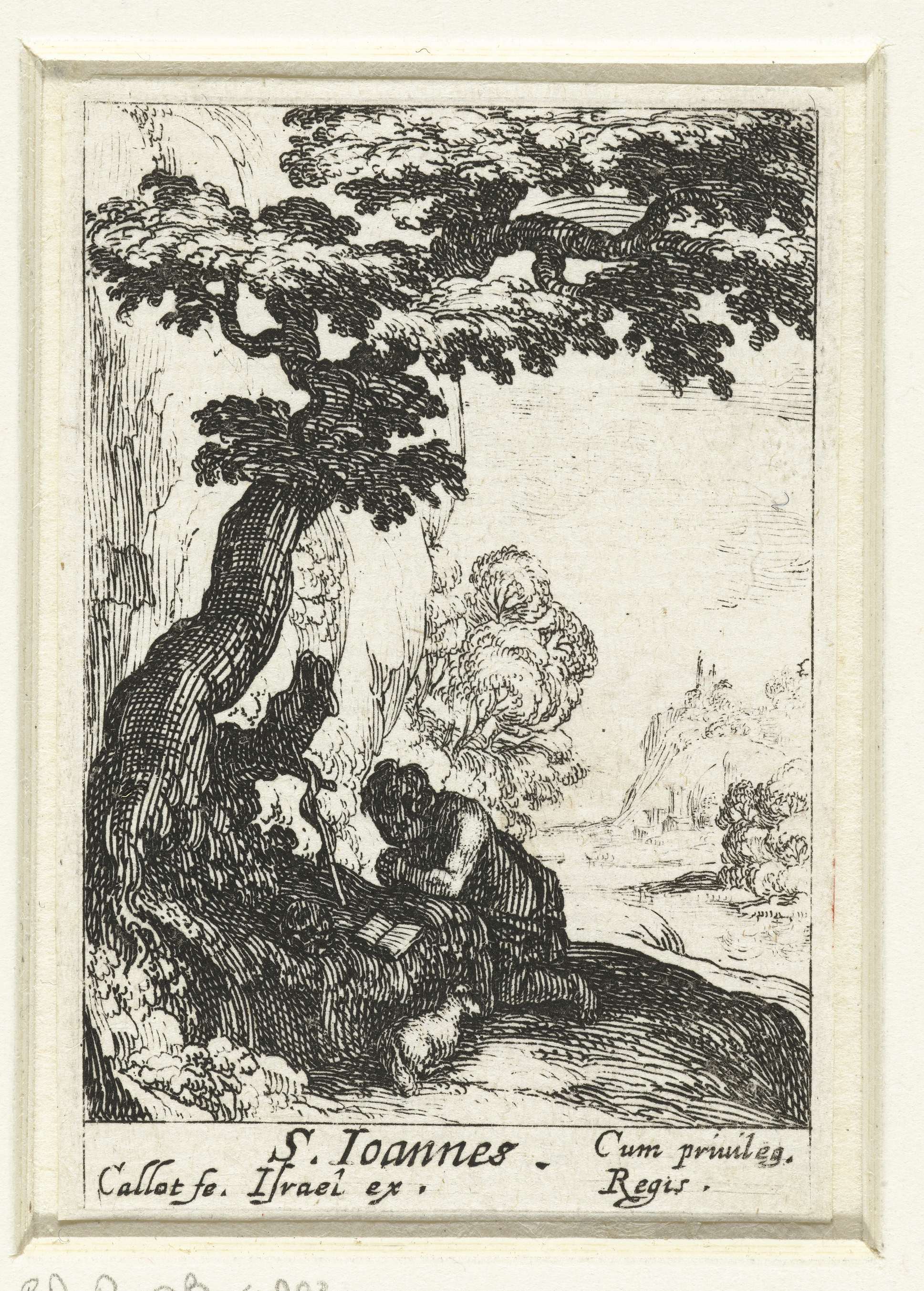
“Every silence here is a confession.” In the stillness of De boetvaardige Johannes de Doper, emptiness speaks volumes, revealing the profound weight of regret and introspection. The viewer is invited into a space where the absence of sound and movement amplifies the emotional resonance of the moment. Focus on the solitary figure of John the Baptist, draped in tattered robes, his expression a blend of sorrow and contemplation. Notice how the light softly illuminates his face, casting shadows that hint at the turmoil within. The muted palette of browns and grays envelops him, creating a stark contrast with the white background, emphasizing his isolation.
Every brushstroke, every shadow, draws the eye toward his bowed head, reinforcing the gravity of his penance. Beneath the surface, the artist intricately weaves themes of redemption and despair. The stark emptiness surrounding John not only highlights his solitary state, but also reflects the spiritual void experienced by many. His hands, clasped in supplication, evoke a tension between hope and hopelessness, suggesting that within every act of contrition lies the potential for renewal.
This duality enriches the viewer's understanding of faith and the human condition. In 1632, Jacques Callot was navigating a tumultuous period in his career, marked by personal challenges and the shifting tides of the Baroque art movement. Working in Nancy, France, he was influenced by the Counter-Reformation's emphasis on emotional expression in religious art. At that moment, the exploration of inner turmoil became paramount, allowing him to depict a powerful narrative of penance that resonates through the centuries.