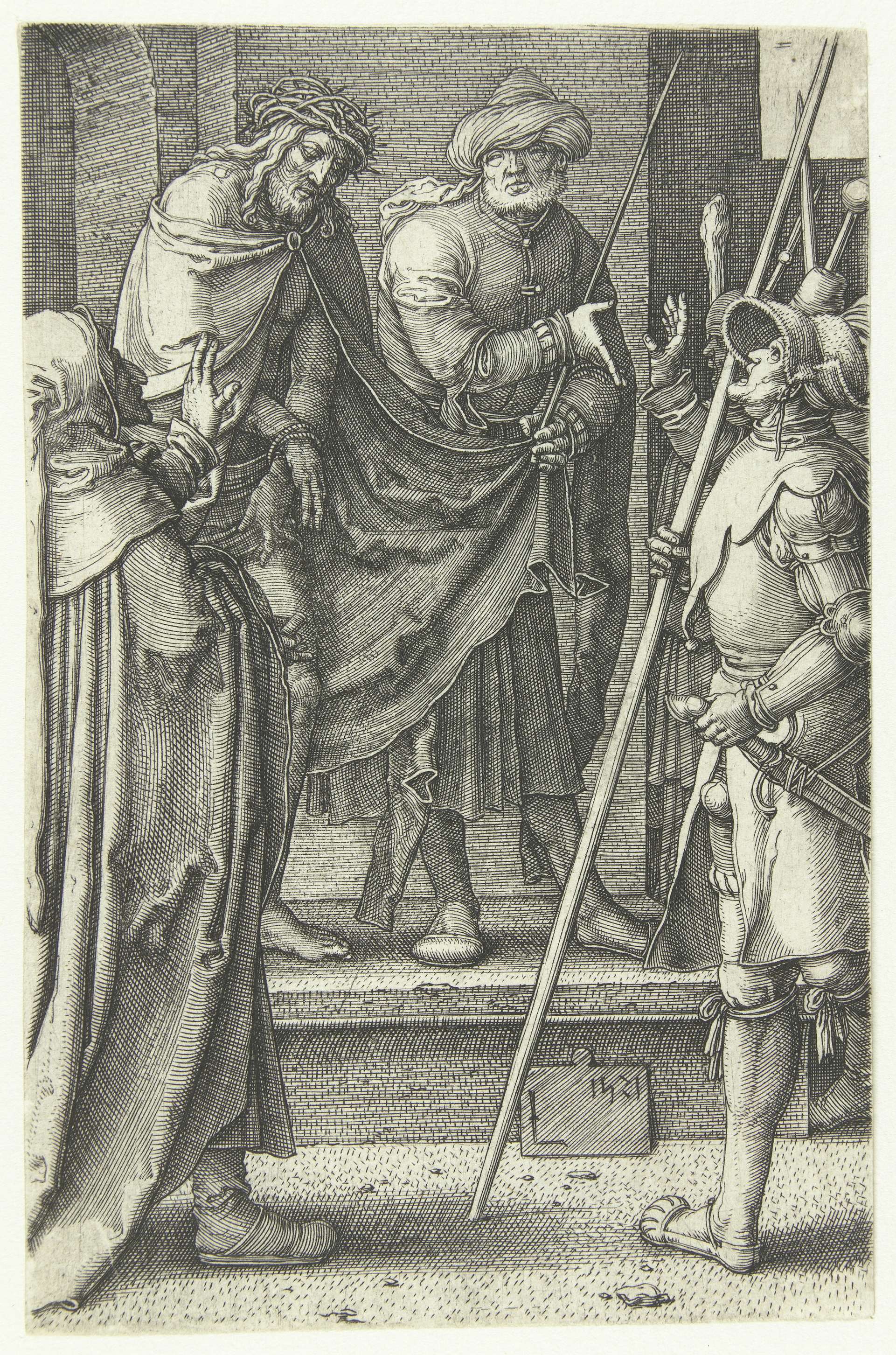
Christus wordt door Pilatus aan het volk getoond (Ecce Homo) — History & Analysis
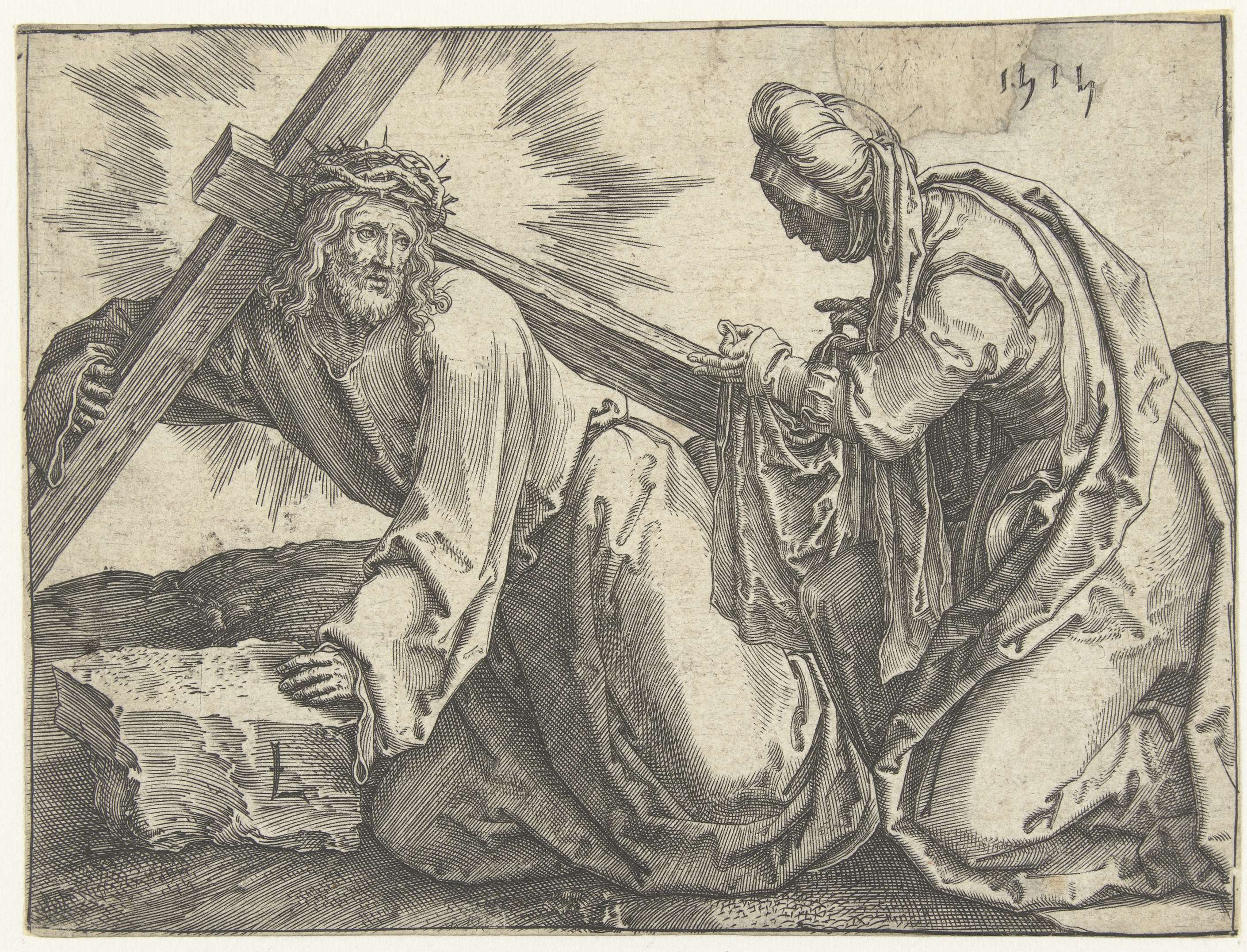
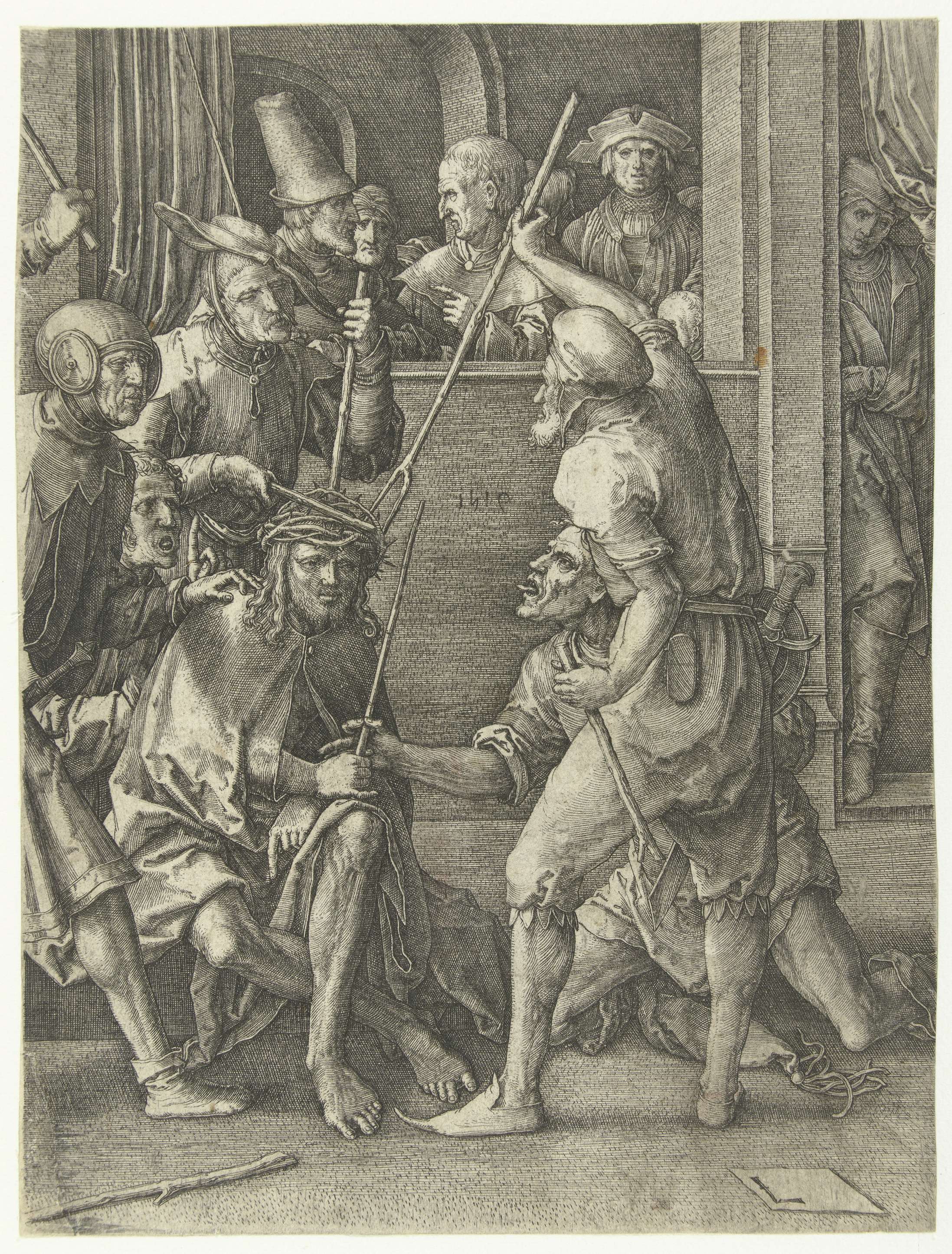
“To paint is to remember what time wants us to forget.” In the quiet urgency of Ecce Homo, the artist captures a moment suspended between hope and despair, embodying a deep yearning for understanding and compassion amid trial. Look to the center of the canvas where Christ stands, a figure of both dignity and vulnerability. The light illuminates his face, accentuating the forlorn expression that seems to speak volumes to the masses before him. Surrounding the figure, a throng of spectators forms a chaotic backdrop, their varied gestures and expressions revealing a spectrum of emotions — disbelief, anger, curiosity, and sorrow.
The rich hues of deep reds and somber blues contrast sharply with the pale light that bathes Christ, drawing the viewer’s focus to this profound moment of humanity. The juxtaposition of Christ's serene countenance against the tumultuous crowd encapsulates a poignant tension: the clash between innocence and the world's harsh judgments. The varied faces of the onlookers reflect the complexity of belief and the fragile nature of human connection, suggesting that understanding often eludes us in our darkest moments. Each figure seems to wrestle with their own convictions, as if their gazes could change the course of events unfolding before them.
In 1521, Lucas van Leyden painted Ecce Homo during a time of great personal and societal upheaval. Living in the midst of the Northern Renaissance, he was influenced by both humanist ideas and the evolving artistic landscape of his time. His work reflects both his skill and the broader dialogues about faith and morality that permeated the era, marking a significant moment in the intersection of art and religious narrative.