Château de Chenonceau, No 1, after Ducerceau — History & Analysis
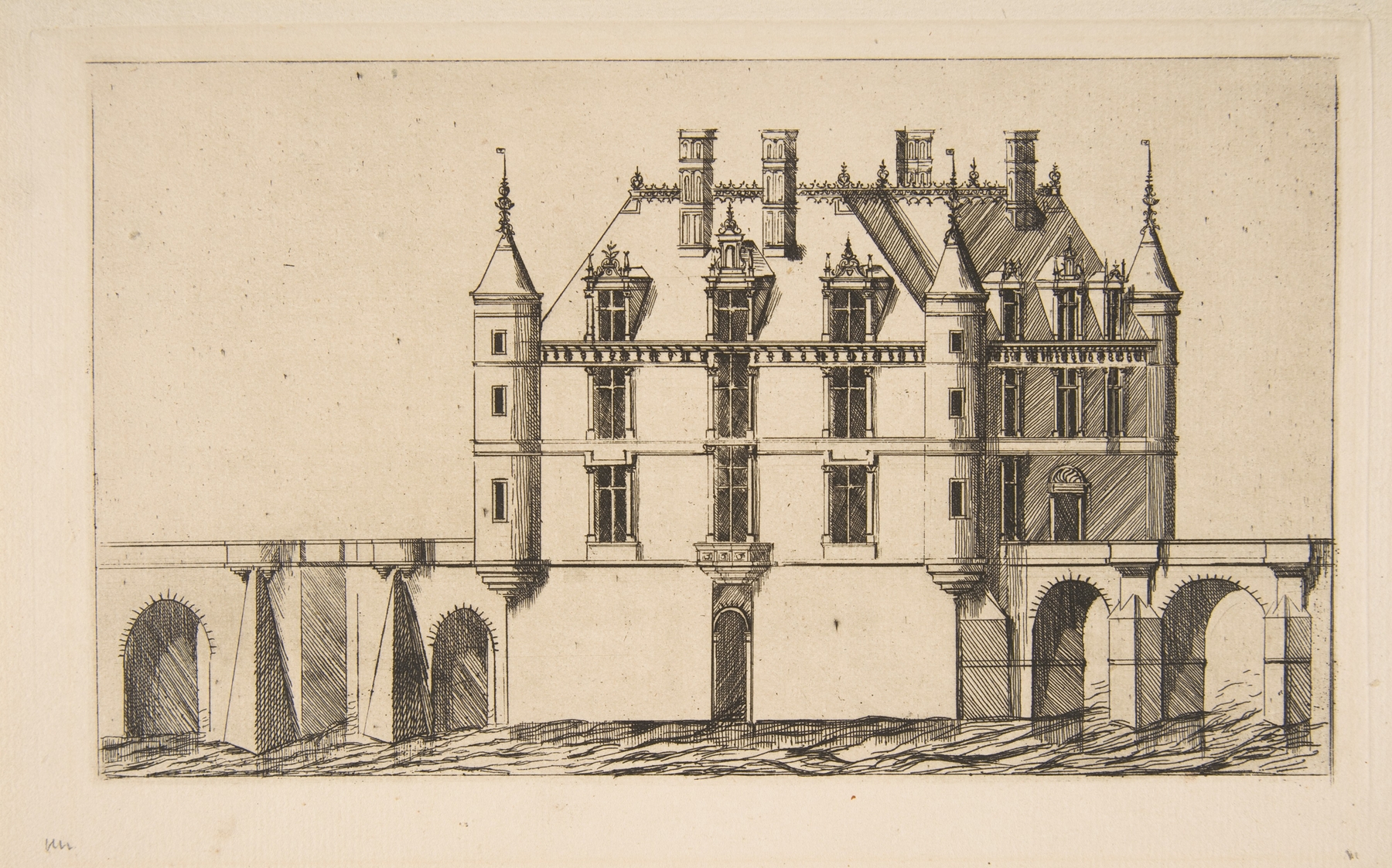
“Sometimes beauty is just pain, disguised in gold.” The majestic façade of the Château de Chenonceau, with its elegant arches and delicate turrets, holds stories woven with threads of betrayal and loss. As light dances across the surface, it reveals a world that seems poised between enchantment and sorrow, inviting the viewer to linger in its splendor while questioning the darkness beneath. Look closely at the intricate details that adorn the castle; notice how the shadows play against the stone, accentuating the architectural elegance. The composition is masterfully balanced, drawing the eye across the landscape, from the serene reflections in the water to the distant trees, which frame the scene poignantly.
Meryon’s choice of muted colors, combined with delicate line work, evokes both nostalgia and melancholy, creating a sense of longing that permeates the image. Delve deeper into the contrasts present within this work. The grandeur of the castle embodies the height of Renaissance beauty, yet the surrounding elements—the stillness of the water and the somber sky—whisper of secrets that have been concealed over time. Each stroke reflects not only the aesthetic beauty of the structure but also hints at the betrayals that have marked its history, as it was famously built by the mistress of King Henry II, Diane de Poitiers, a tale rife with intrigue.
In 1856, while working on this piece, Meryon was grappling with personal struggles and a turbulent artistic identity in Paris. The world of art was shifting, embracing new movements that often dismissed his own romantic sensibilities. This painting emerged during a time when the artist sought to reconcile his vision with the realities of urban life, encapsulating the fragility of beauty amidst change and disillusionment.