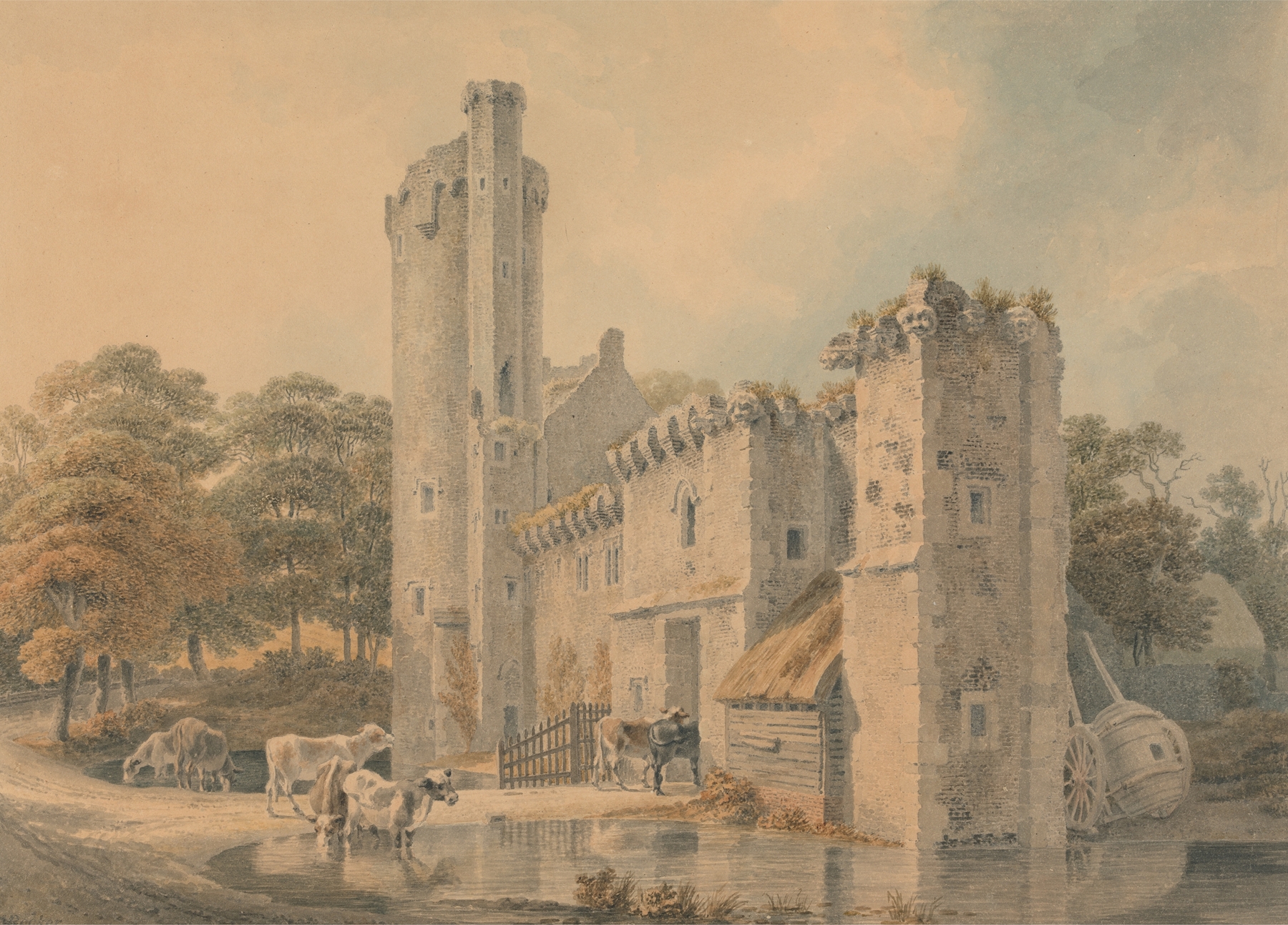
Clare Castle, Suffolk — History & Analysis
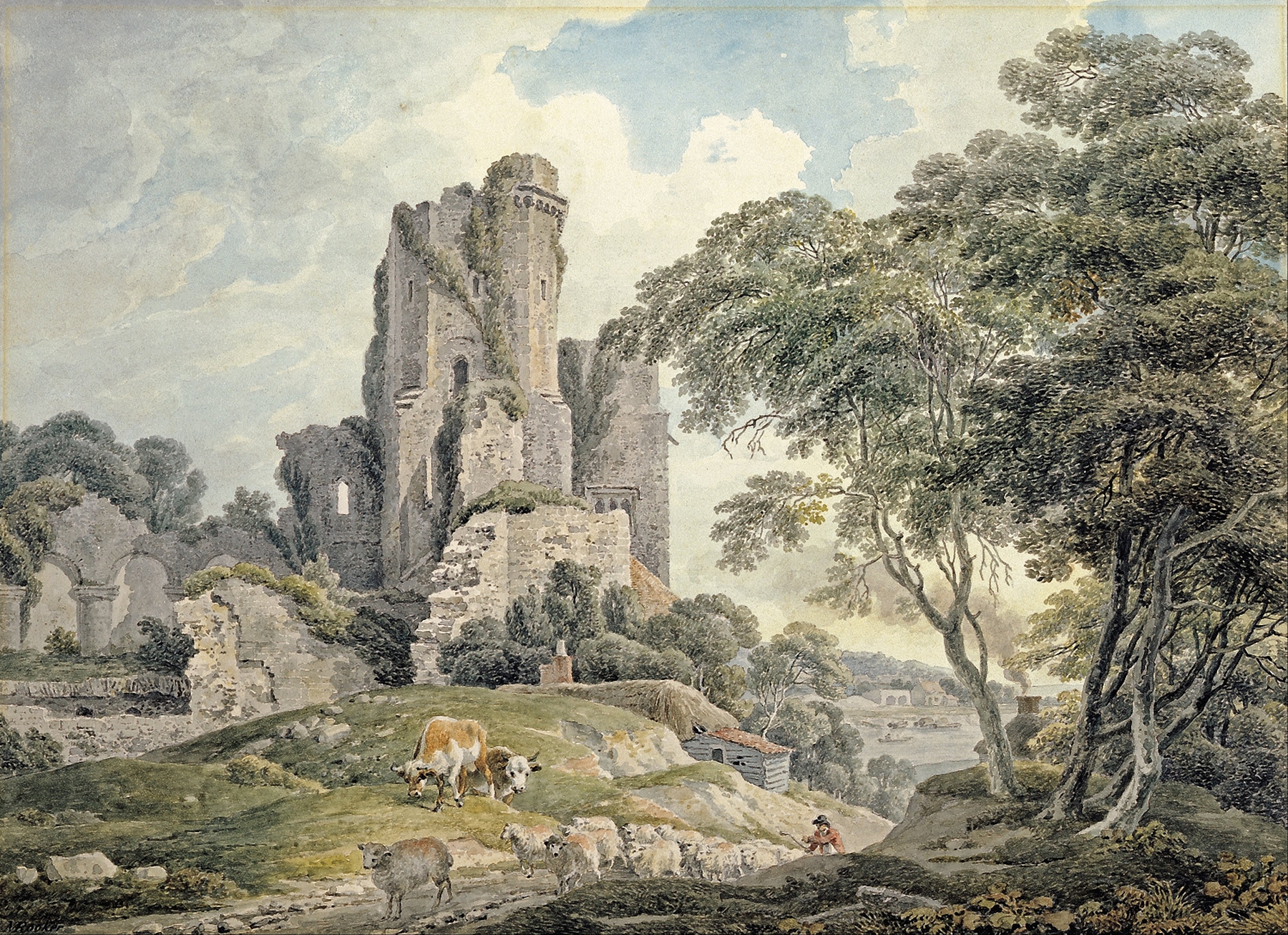
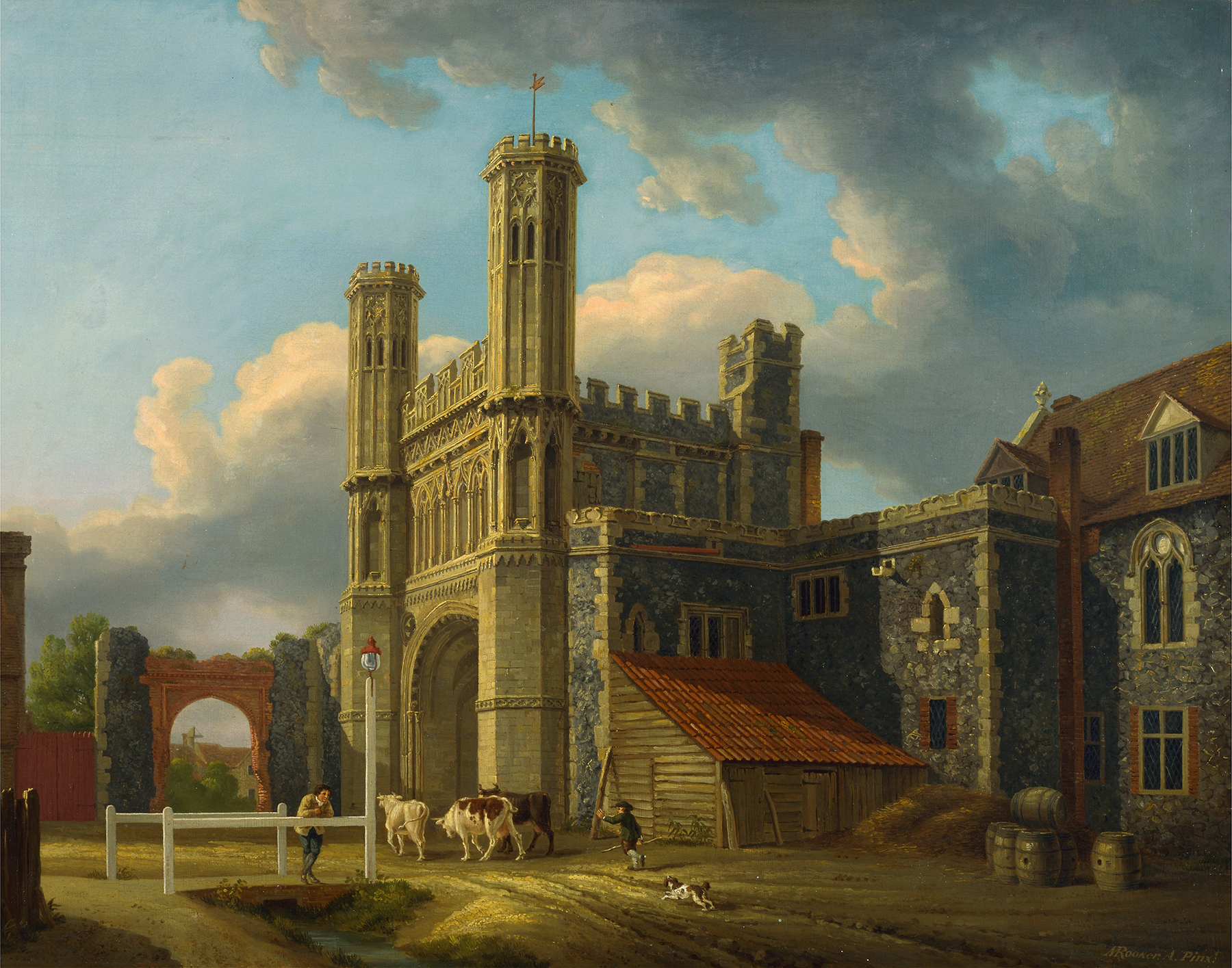
What if beauty was never meant to be finished? In Clare Castle, Suffolk, a haunting tension lingers in the idyllic landscape, suggesting that perfection is an elusive dream, perhaps even a madness that lies just beyond reach. Focus on the soft melding of greens and browns that envelop the castle ruins, drawing your gaze to the stone edifice that juts from the verdant embrace. The artist’s brushwork captures the texture of weathered stone and the delicate play of light filtering through the trees, inviting a sense of serenity while hinting at decay.
The composition, balanced yet asymmetrical, propels the eyes towards the tower where clouds gather, evoking a sense of foreboding amidst tranquil beauty. Amidst the lush foliage, traces of wildness emerge, suggesting a battle between nature and human creation. The castle, though rooted in the earth, appears almost ethereal, as if the encroaching greenery holds it captive. This duality reflects a struggle: the delicate balance of history and the inevitability of change, perhaps alluding to the madness of neglecting what time can reclaim.
Each brushstroke carries the weight of forgotten tales, evoking a longing for a past that can never be reclaimed. During the late 18th century, Rooker was immersed in the picturesque movement, which sought to capture the beauty of nature through composition and light. Painted between 1797 and 1800, Clare Castle, Suffolk reflects a period marked by romantic idealism and a burgeoning appreciation for the sublime in landscape art. Rooker, operating within the artistic milieu of England, was influenced by the changing relationships between nature and human structures, a theme that resonates throughout this evocative piece.