Cliffs — History & Analysis
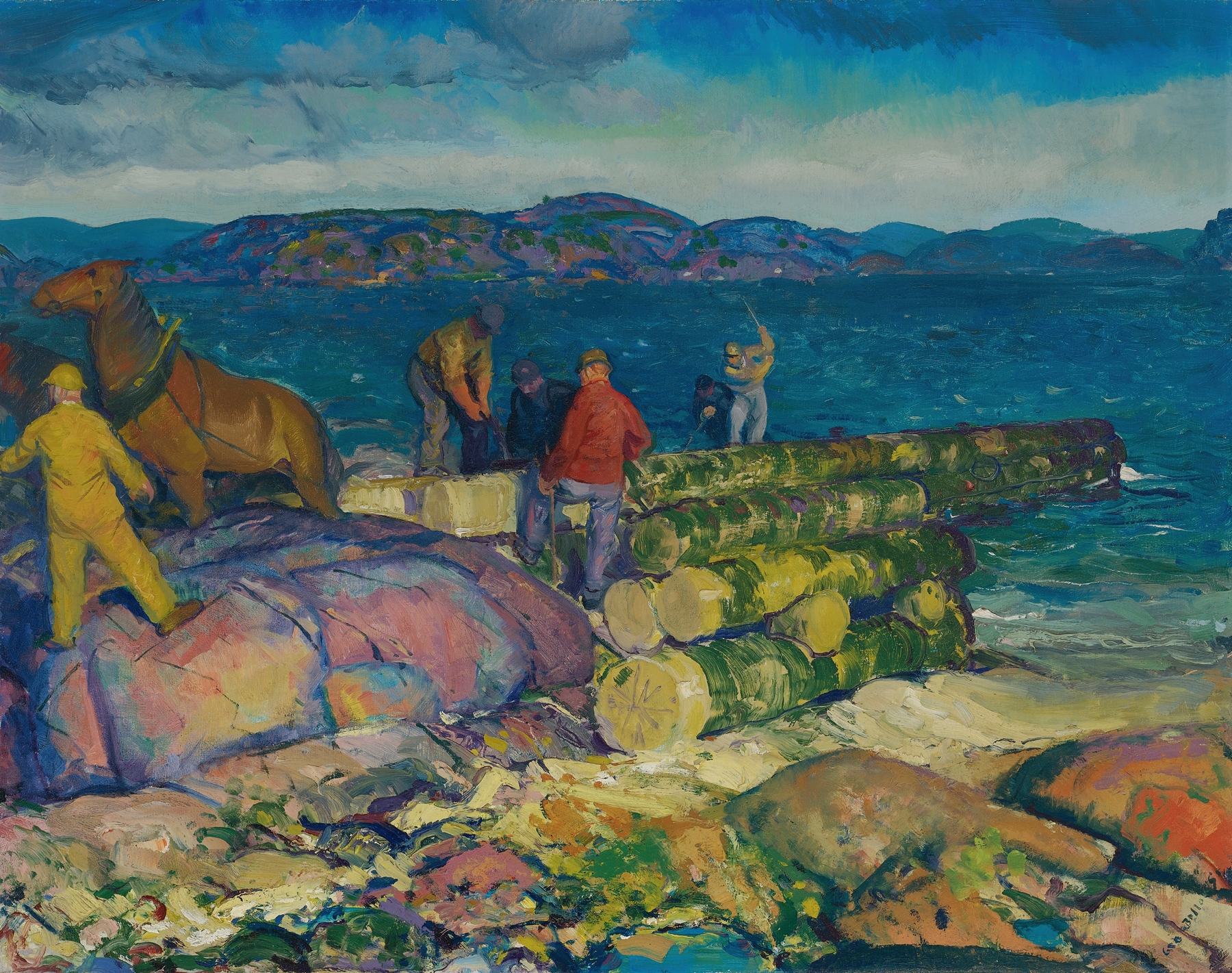
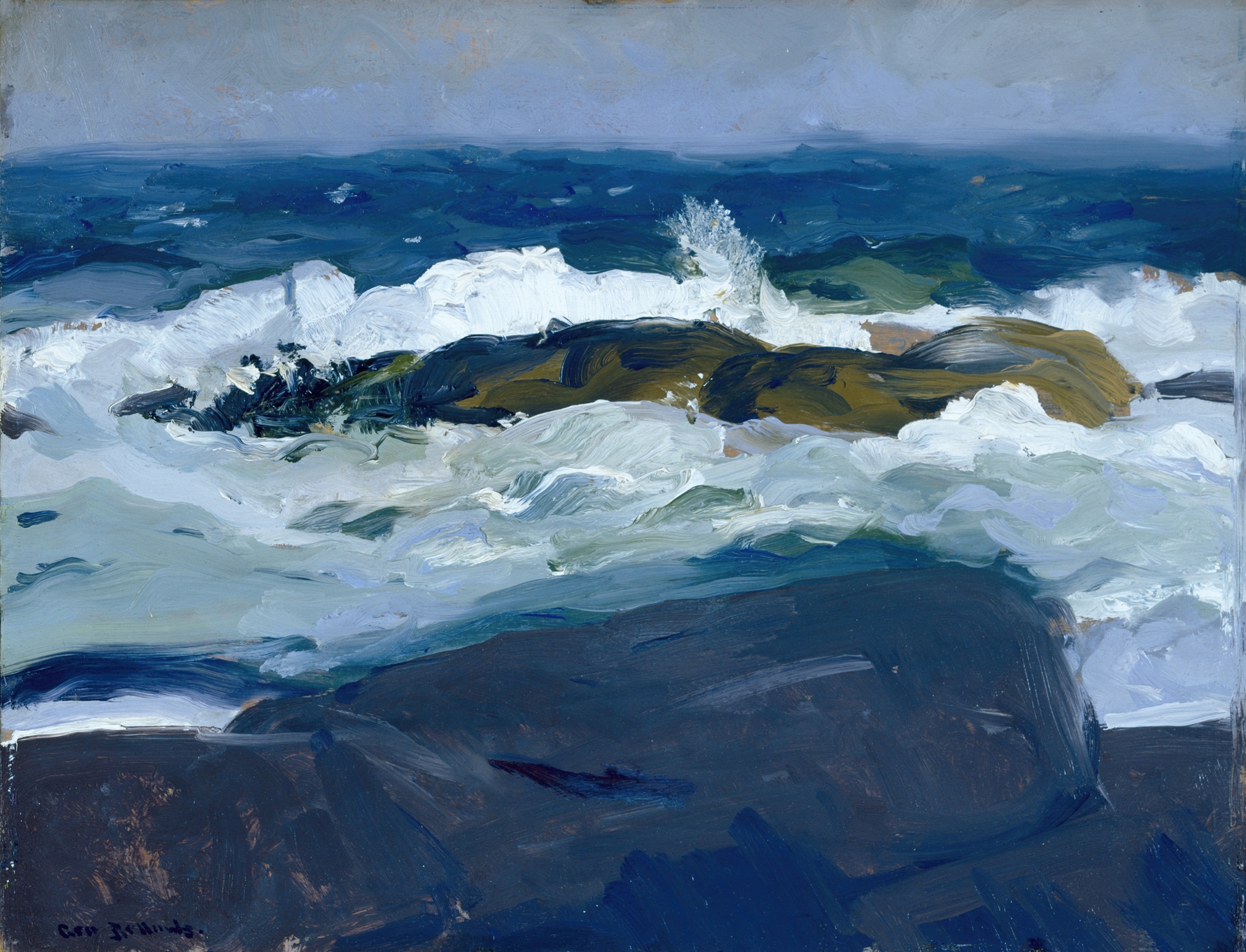
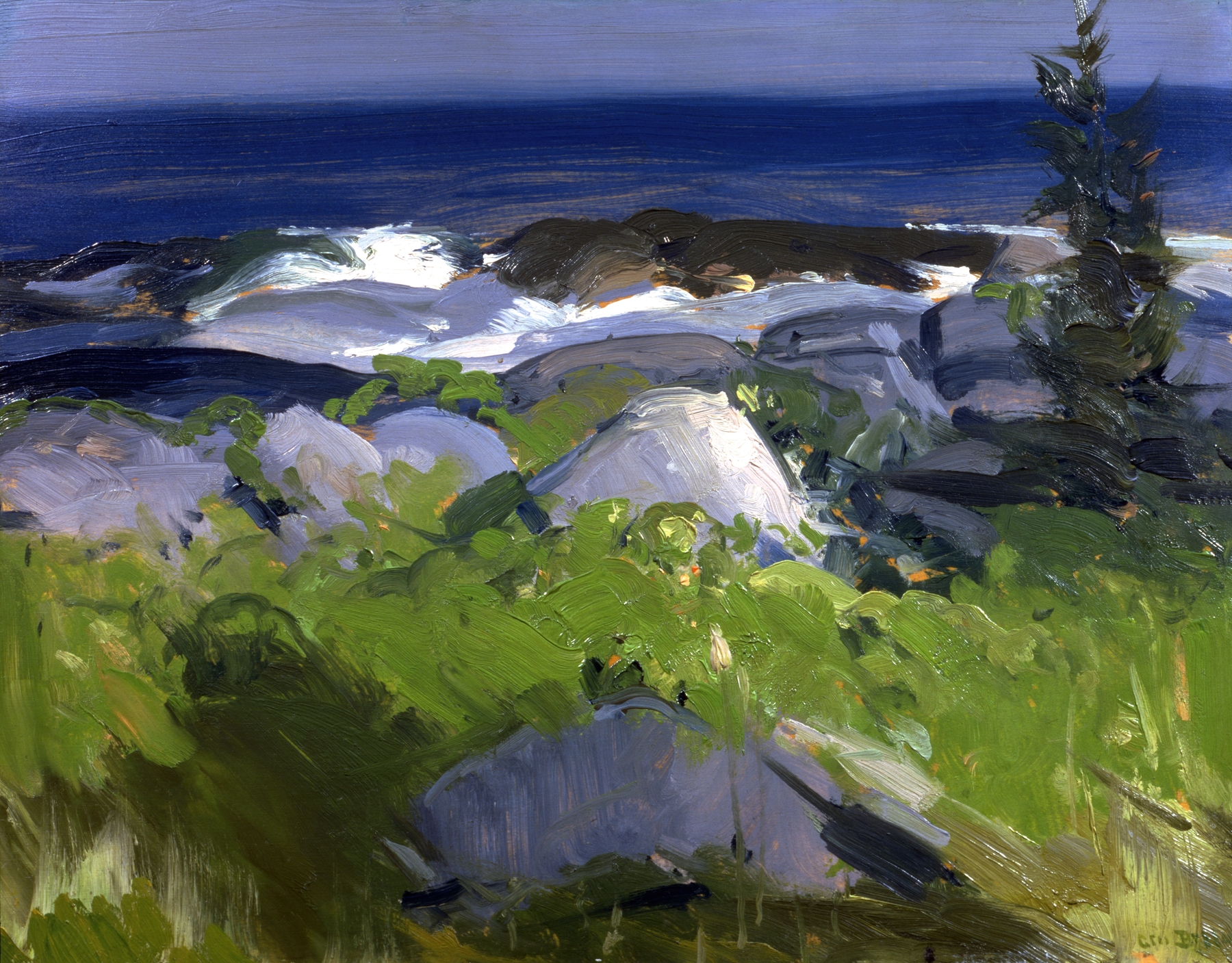
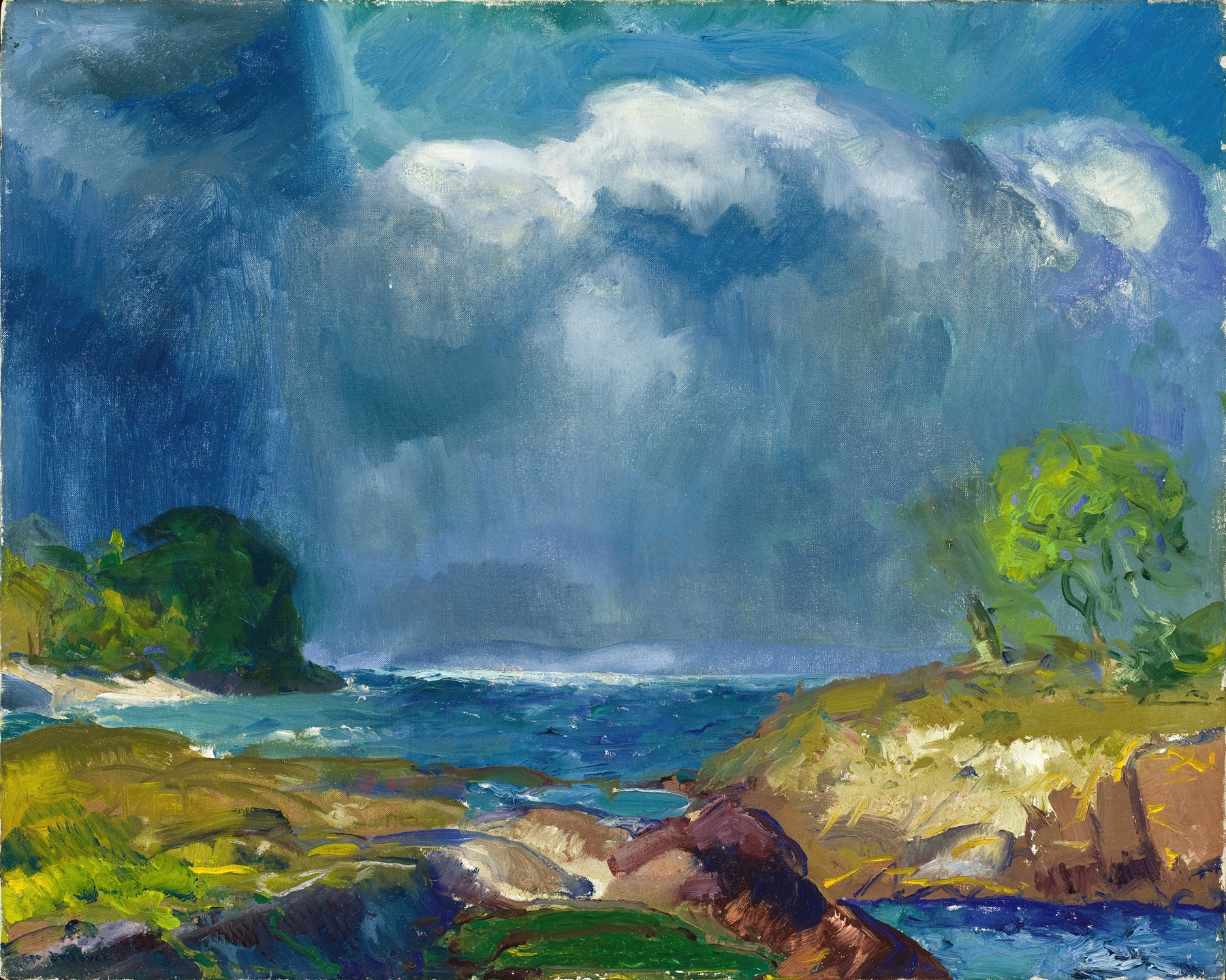
“The canvas doesn’t lie — it simply waits.” In that liminal space between reality and imagination, we encounter a vision of transcendence that beckons us to look deeper. Focus first on the bold strokes that define the rugged cliffs, their formidable presence commanding the viewer’s attention. The interplay of light and shadow reveals the textures of the rocky forms, inviting you to trace the rise and fall of the landscape's contours. The vibrant palette, infused with earthy tones and bursts of blue, evokes an emotional resonance that speaks to the sublime beauty of nature.
Within these cliffs lie stories of resilience and permanence, contrasting with the ephemeral nature of human existence. Notice how the turbulent waves crash against the sturdy rock, symbolizing a struggle between time and timelessness. The layering of paint suggests a history of creation and erosion, hinting at the artist's awareness of both nature's ferocity and its serenity, encapsulating the duality of existence.
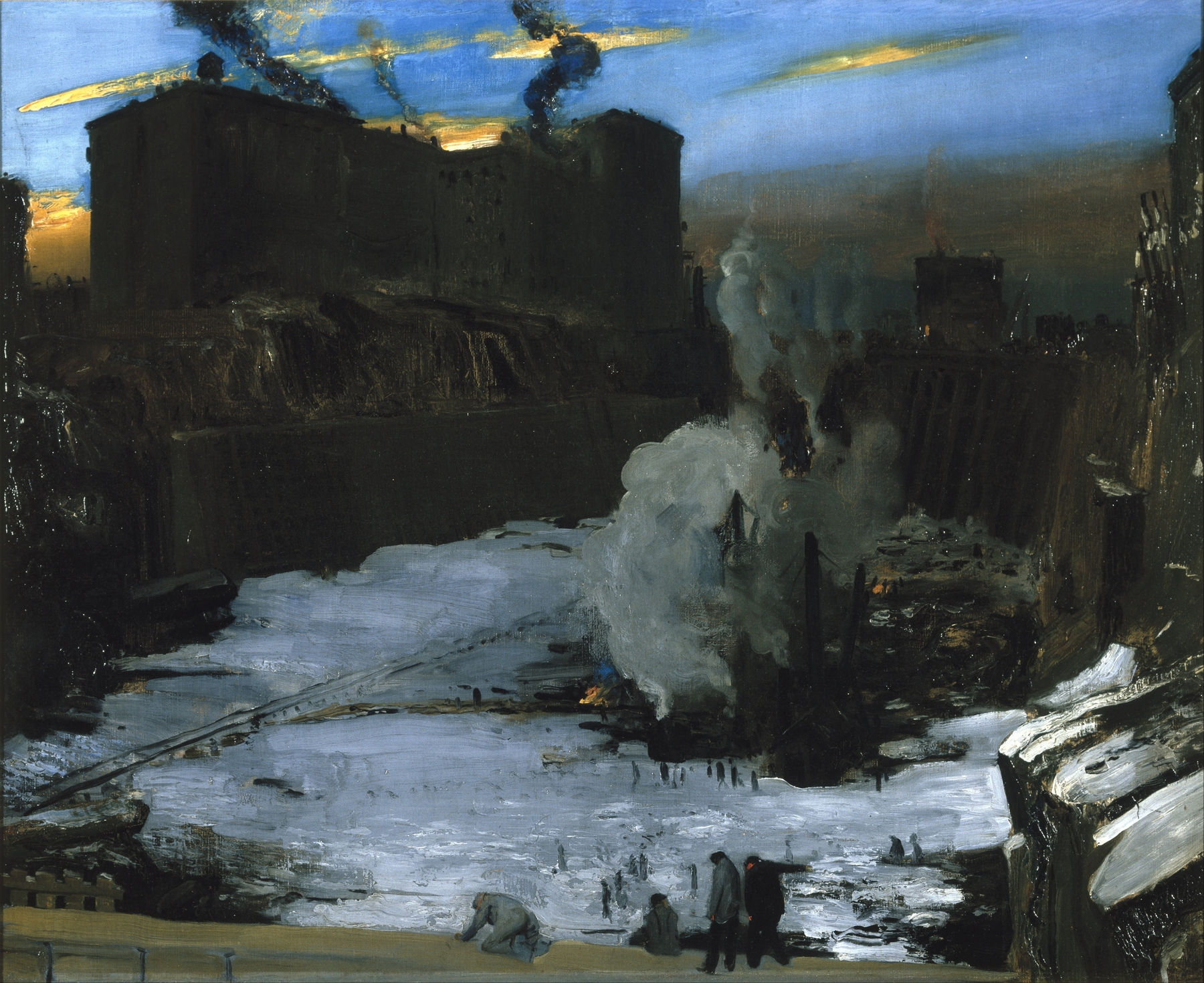
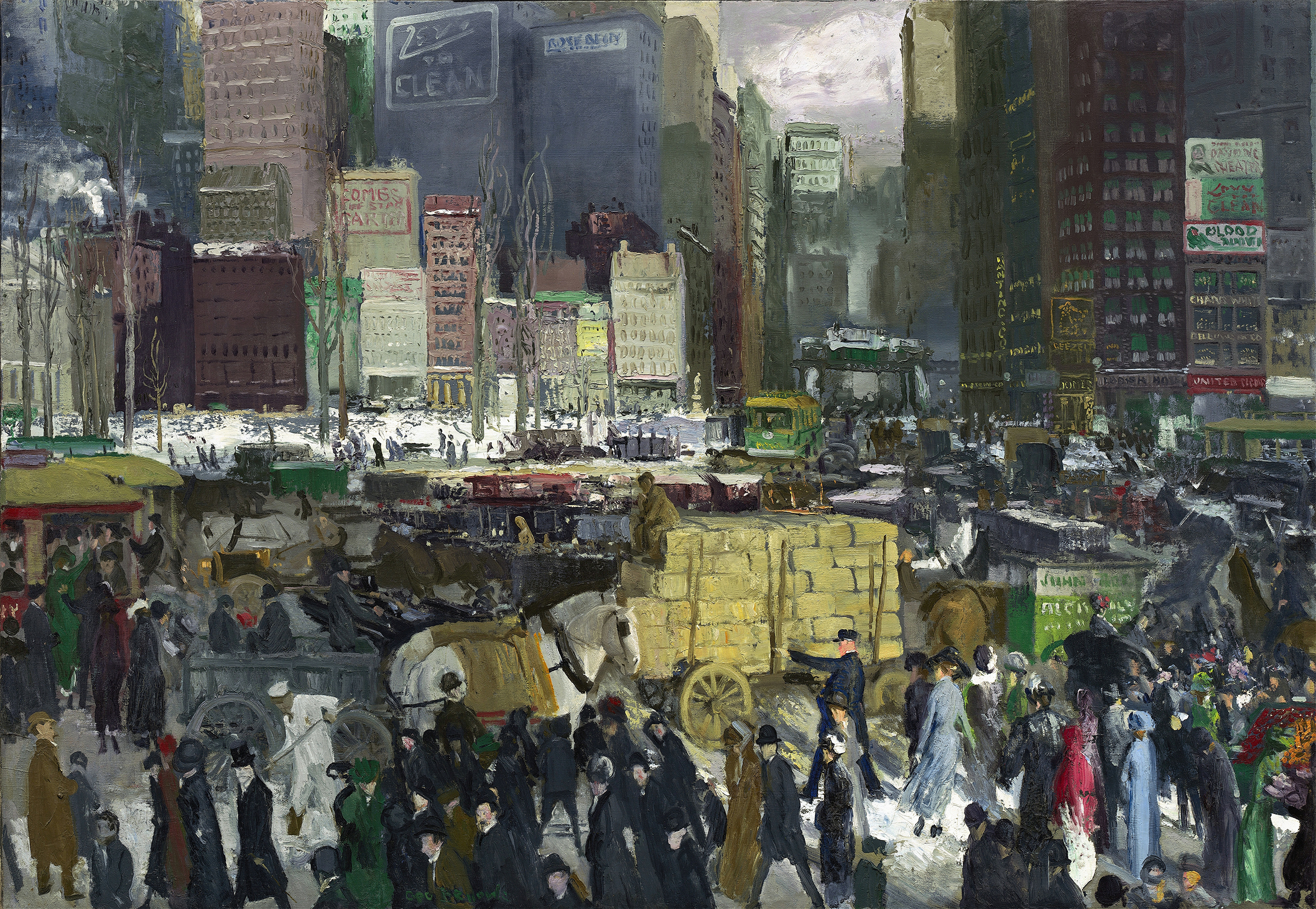
In the late 19th and early 20th centuries, Bellows was working in a period marked by both innovation and reflection in American art. Living in New York City, he was influenced by the Ashcan School's focus on modern life, yet his love for landscapes revealed a yearning for the transcendental. This painting was born from a time of personal exploration and societal change, as he sought to balance the dynamism of urbanity with the enduring strength of nature.