Cliffs In A Storm — History & Analysis
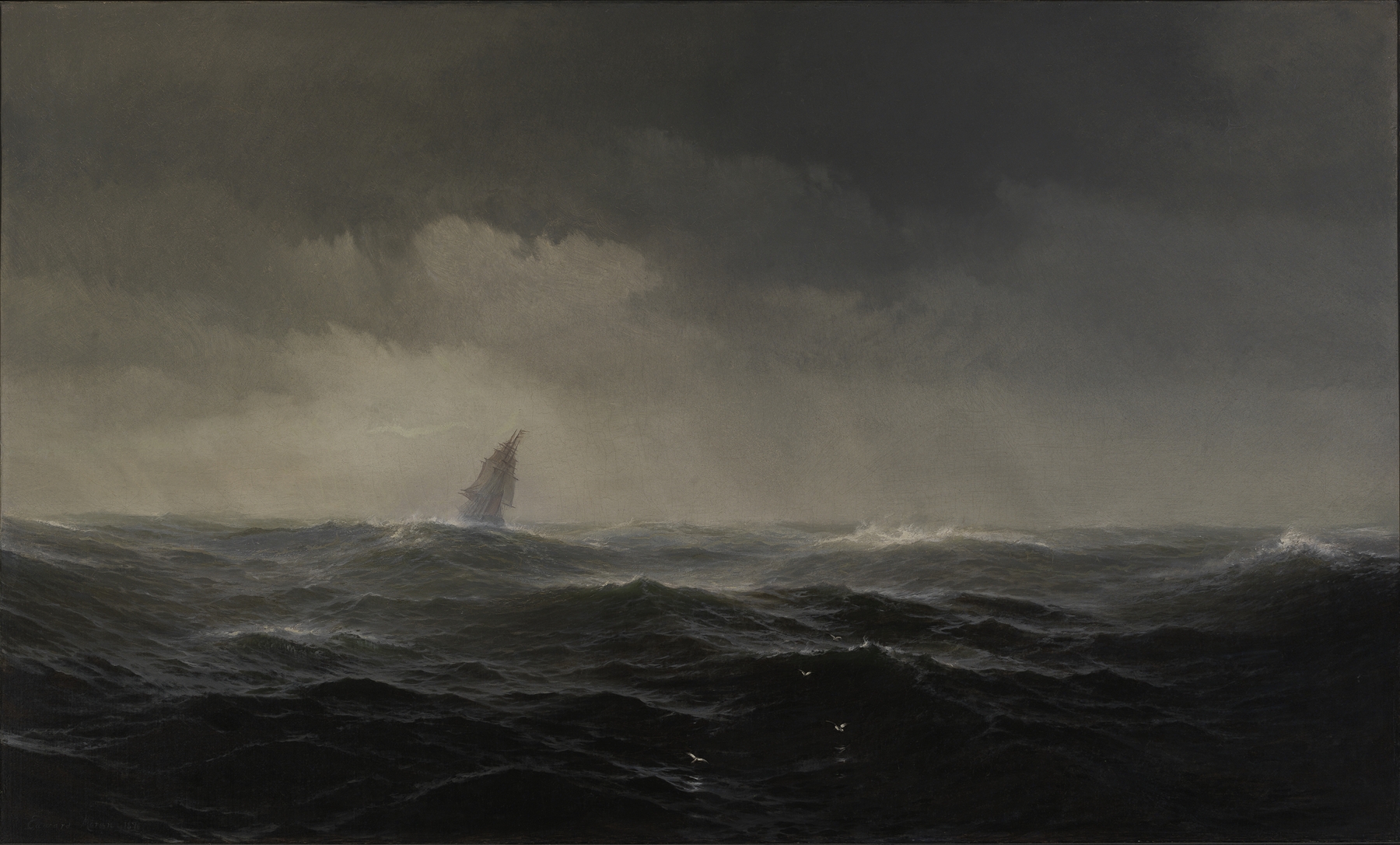
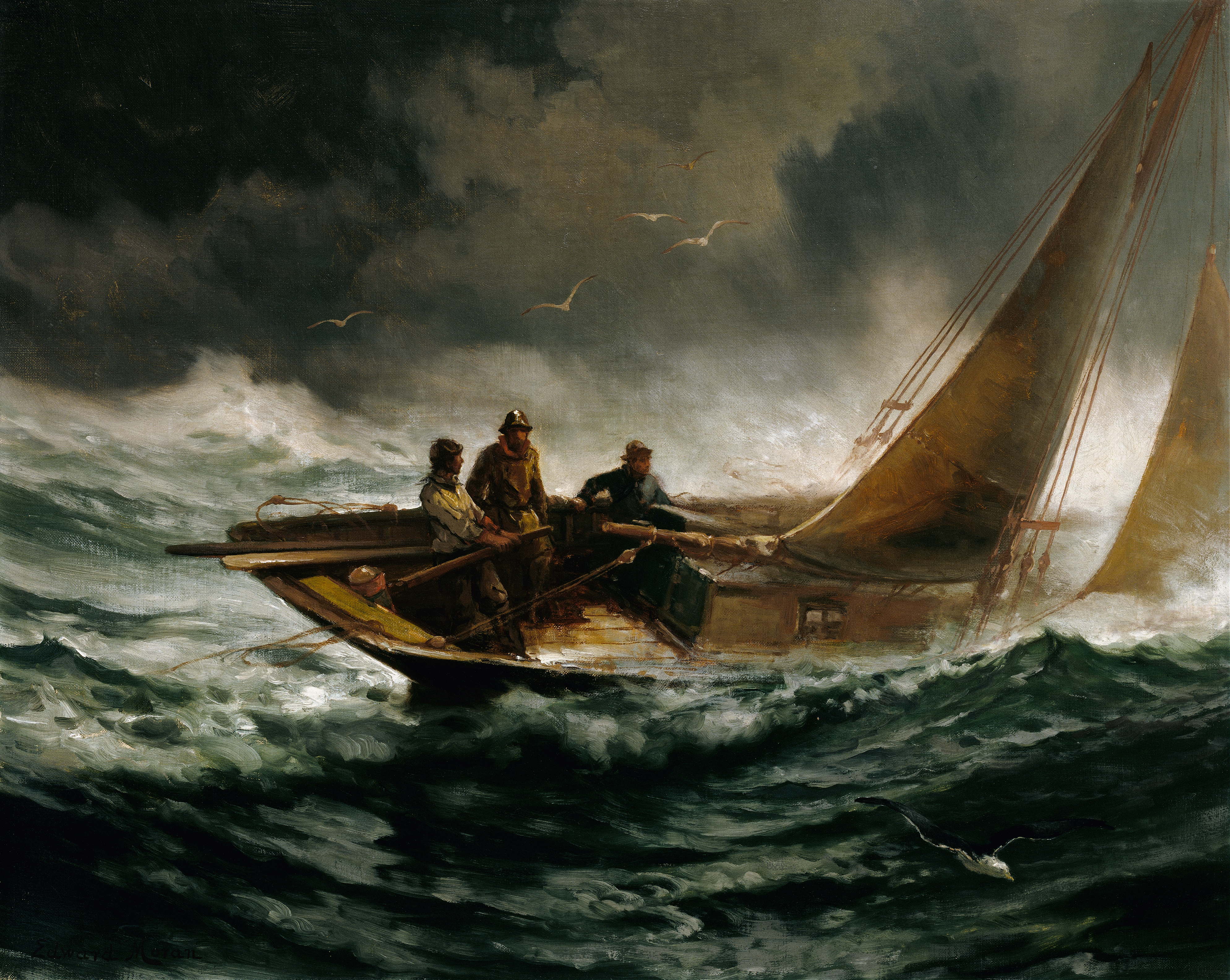
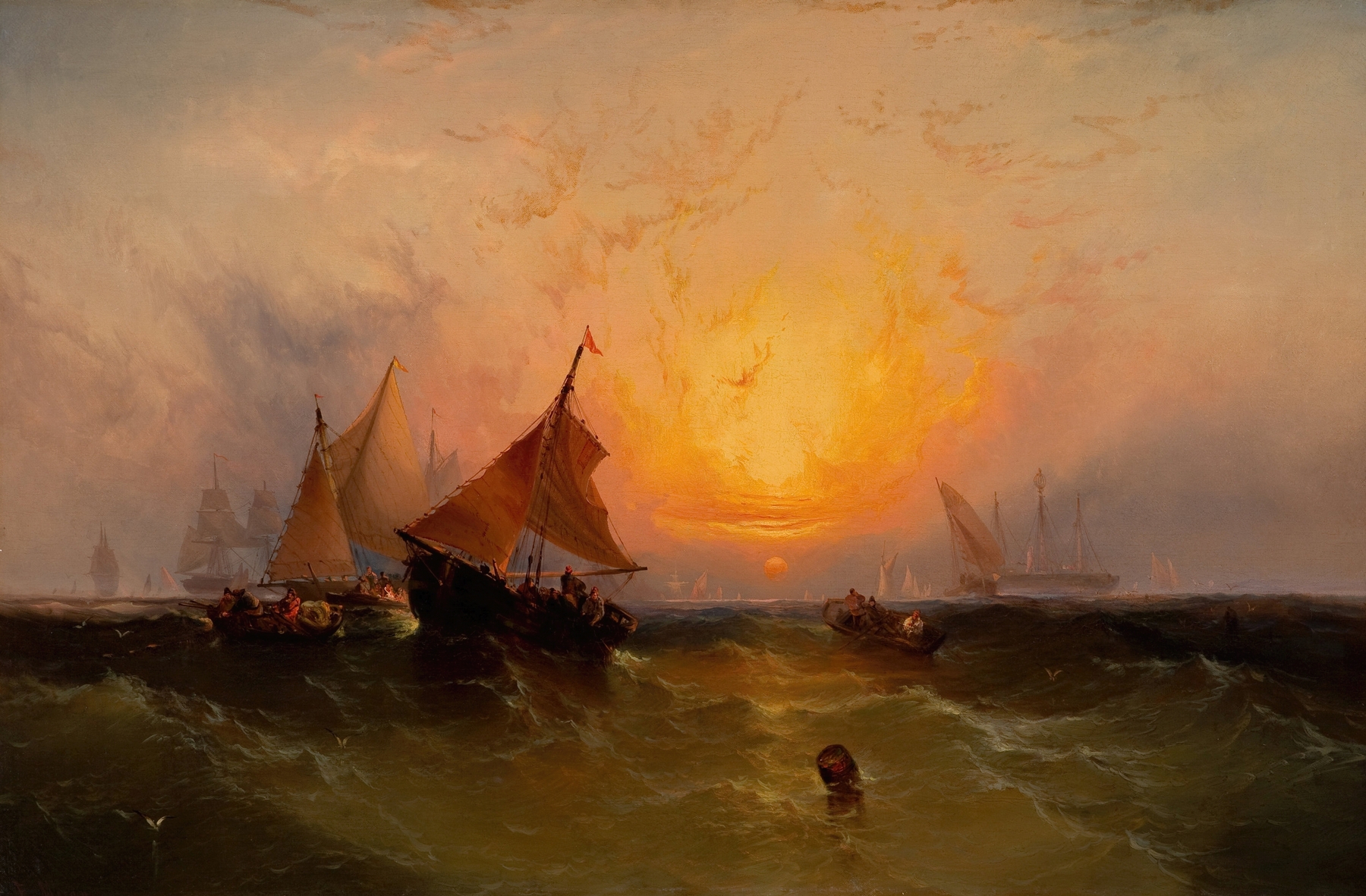
“Sometimes beauty is just pain, disguised in gold.” In the tempest of life, chaos often wears an alluring mask. Look to the center of the canvas, where tumultuous waves crash against jagged cliffs, their crests frothing with energy. The palette is dominated by deep blues and grays, swirling with hints of amber and gold, capturing the fierce interplay of light and shadow. Moran’s brushwork is dynamic, almost frenetic, allowing the viewer to feel the raw power of nature as it collides with the rocky shore, each stroke echoing the tumult of the scene.
The contrast between the stormy sky and the illuminated cliffs offers a poignant commentary on resilience amidst chaos. The golden light illuminating the cliffs symbolizes hope, suggesting that even in the darkest moments, beauty can arise. Additionally, the layered textures in the waves—raging yet rhythmic—mirror human emotion, an echo of our struggles, fears, and the beauty that can emerge from turmoil.
The piece invites contemplation on how we confront and find solace within chaos. Created during the late 19th century, a period marked by rapid industrialization and shifting artistic movements, the artist captured these tumultuous scenes as reflections of both personal and societal upheaval. While the exact date of this work remains uncertain, Moran was deeply influenced by the Romantic ideals of nature’s grandeur and power, often depicting it as a force that both terrifies and captivates.