Cliveden — History & Analysis
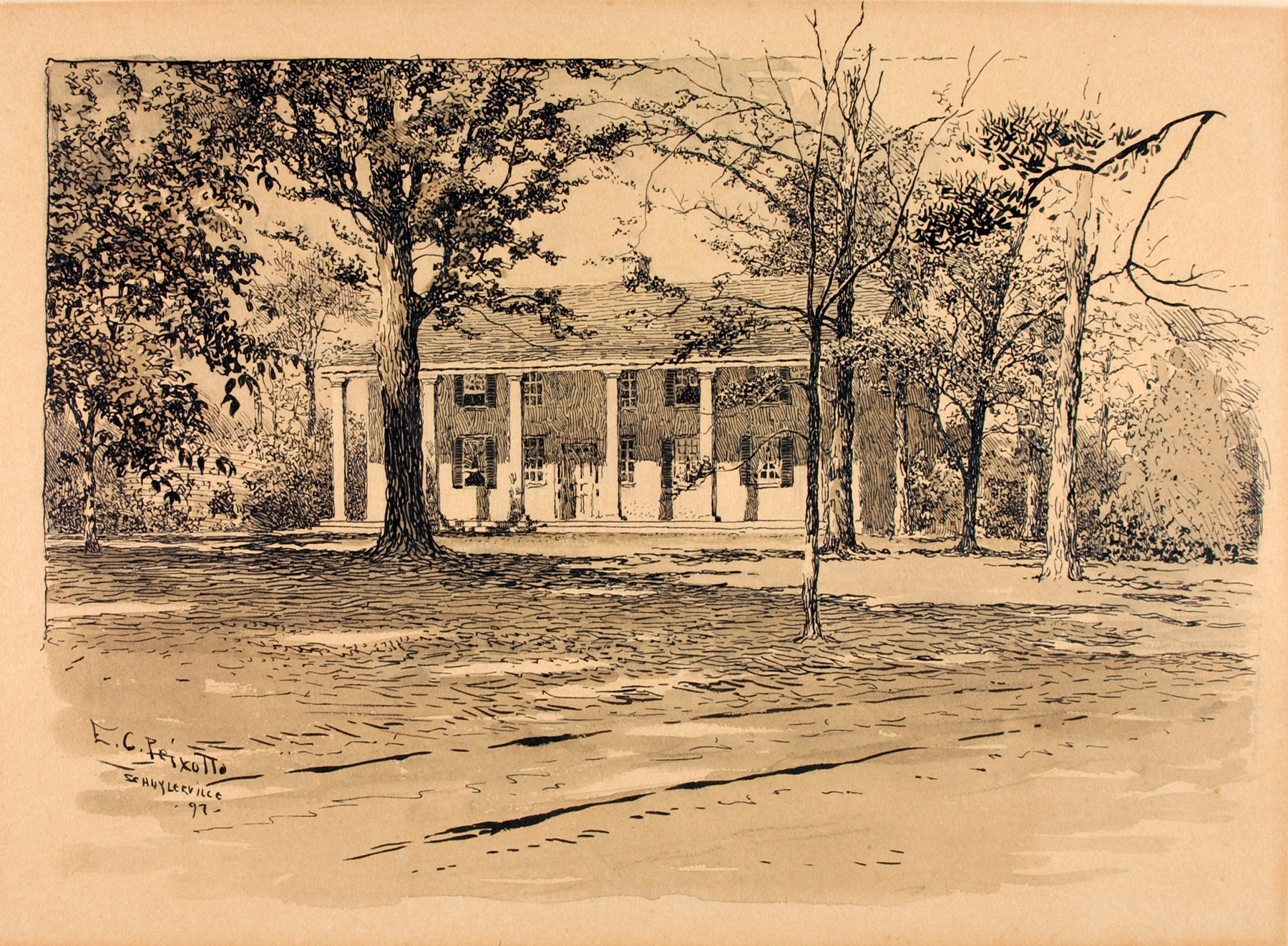
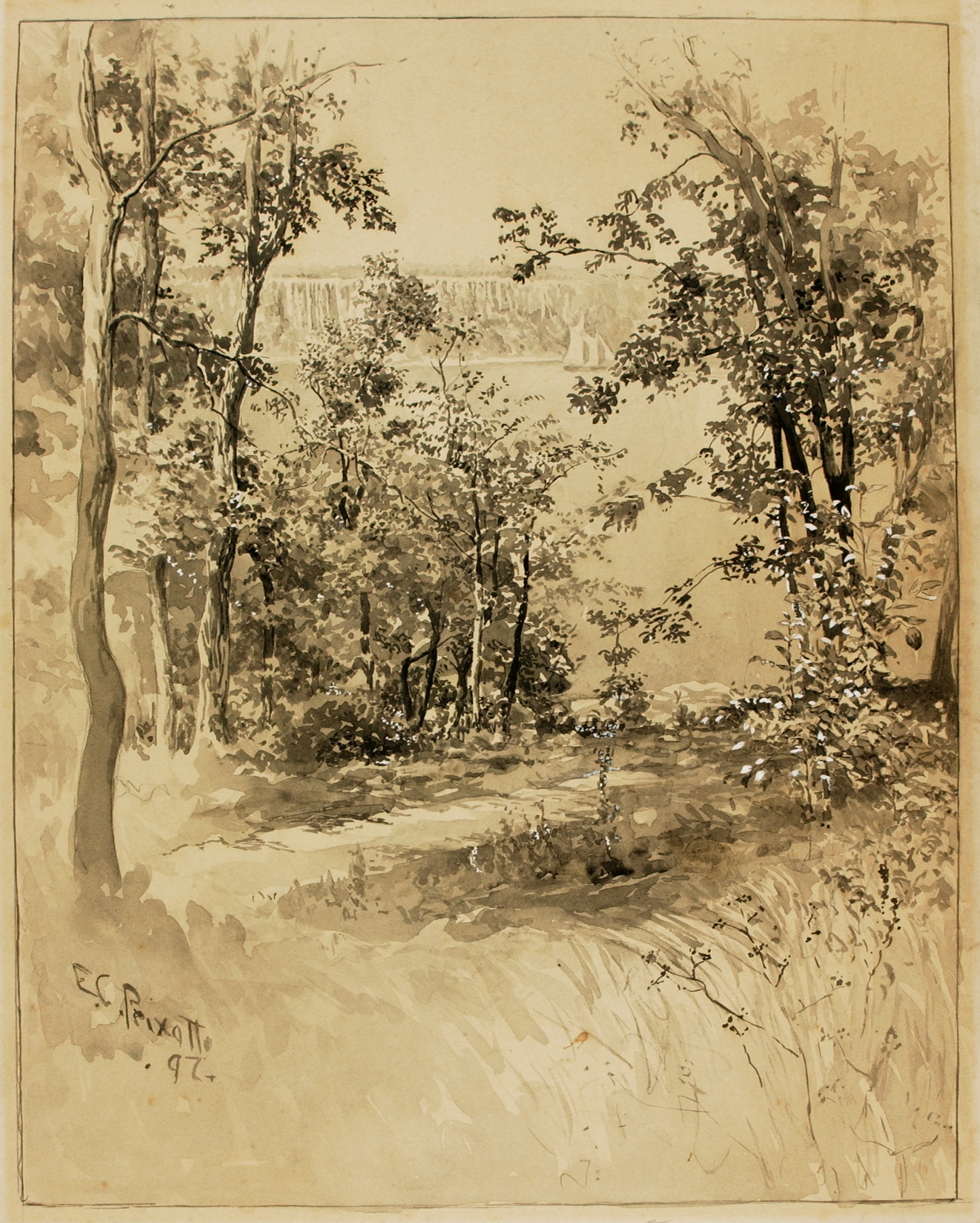
Could beauty survive in a century of chaos? This question echoes through the vibrant brushstrokes and serene tableau of Cliveden. Look to the left at the gentle cascade of greenery, where lush trees frame a grand architectural facade. The artist employs a palette of soft greens and golden sunlight, creating a harmonious balance between nature and manmade elegance.
The careful attention to detail in the windows reflects both the opulence of the estate and the tranquility of the surrounding landscape, inviting you to explore the tension between the solid and the ephemeral. As you delve deeper into the painting, notice the way shadows dance along the ground—whispering secrets of time and transformation. The juxtaposition of the sturdy walls against the flowing foliage speaks to the resilience of beauty amidst impending change. This dialogue between structure and nature suggests that while chaos may loom on the horizon, moments of serene splendor can still exist, even if fleeting.
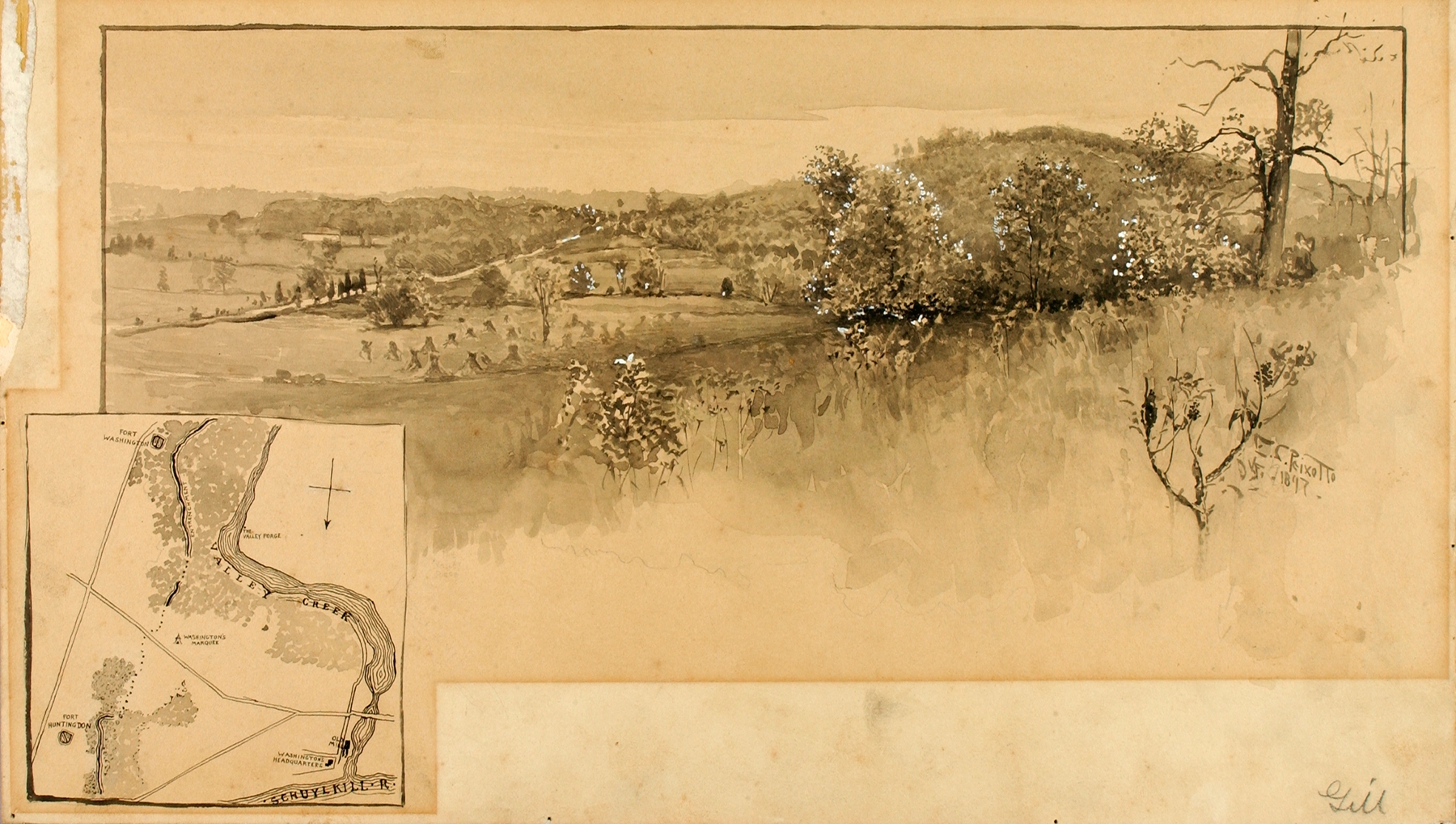
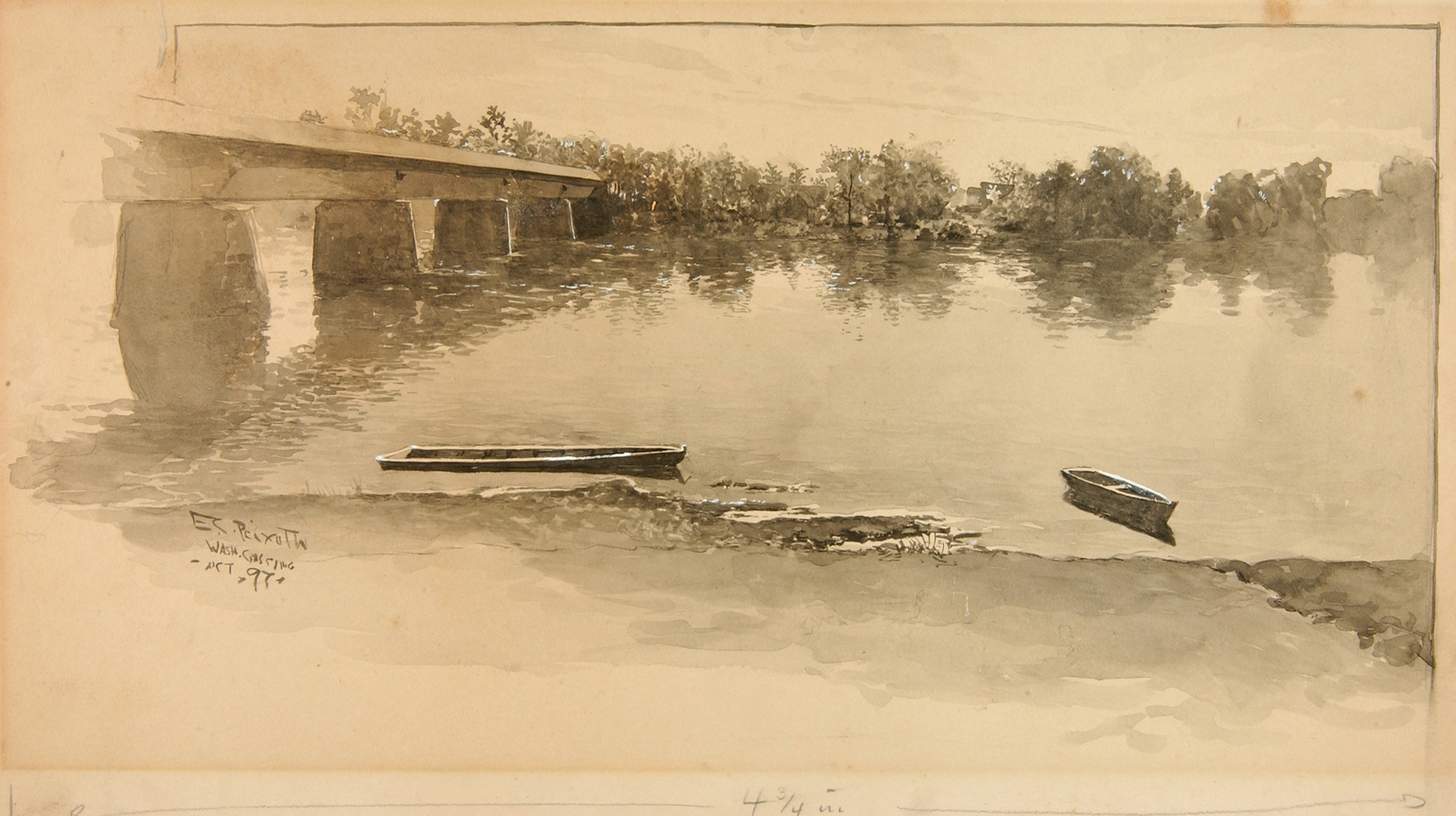
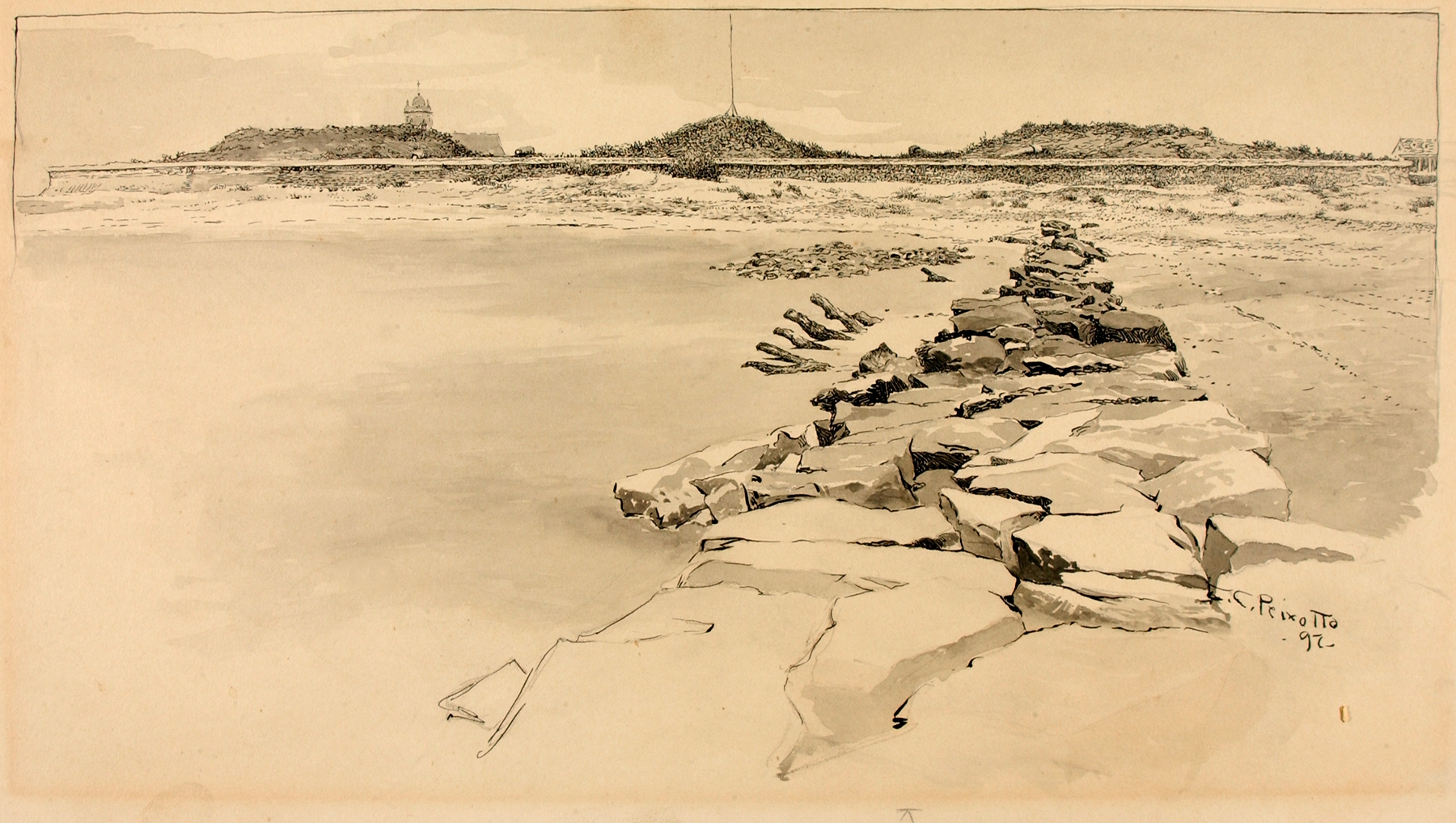
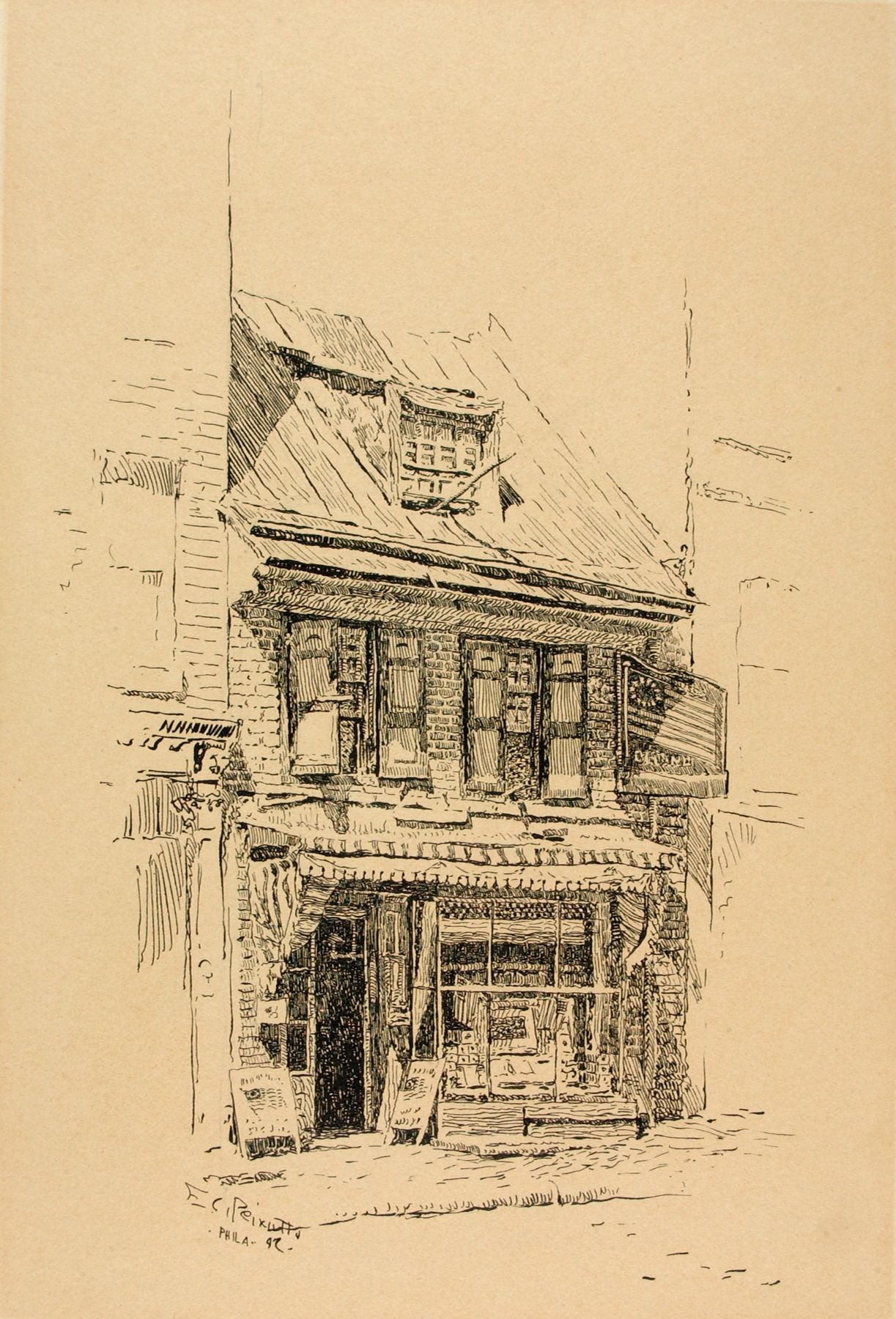
Painted in 1897, Cliveden emerged during a period of significant artistic exploration in America. Ernest Peixotto, residing in California and heavily influenced by both European traditions and the burgeoning American landscape, sought to capture the elegance of the past while embracing the shift toward a modern world. At this time, the art community was grappling with new movements, yet Peixotto’s work reflects a desire to preserve the beauty of bygone eras, encapsulating both a moment of stillness and a hint of inevitable transformation.