Cloud Study with River Landscape — History & Analysis
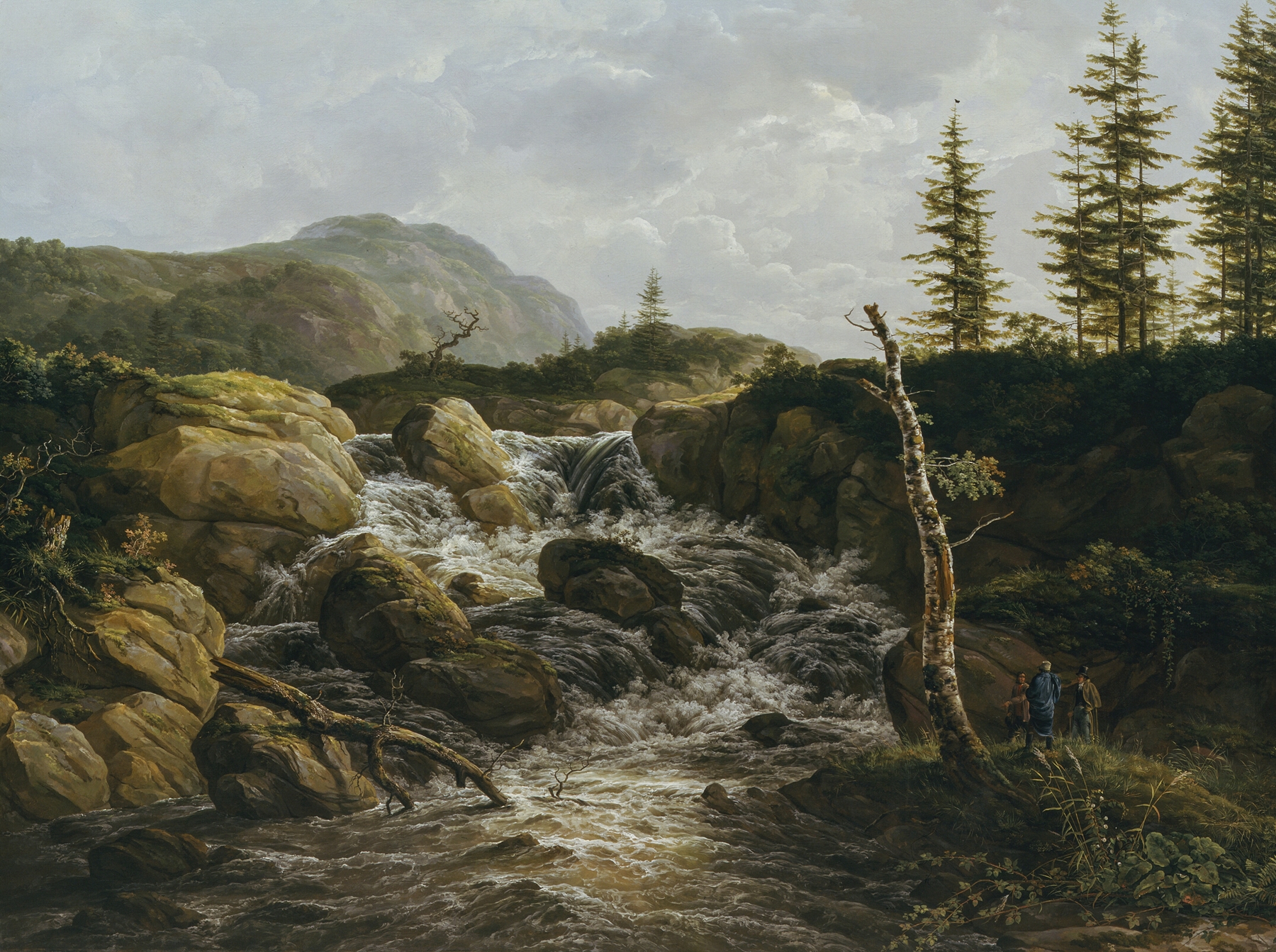
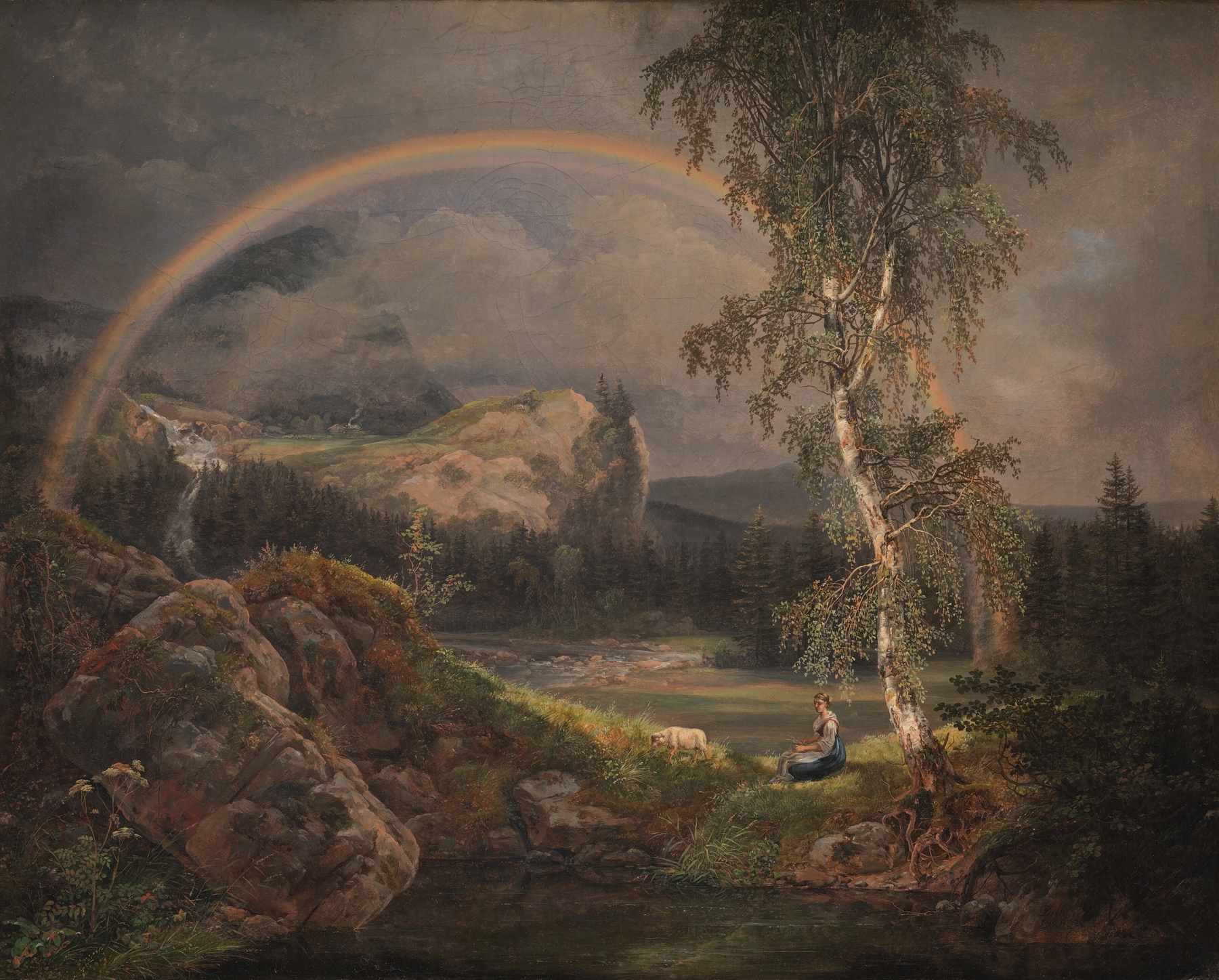
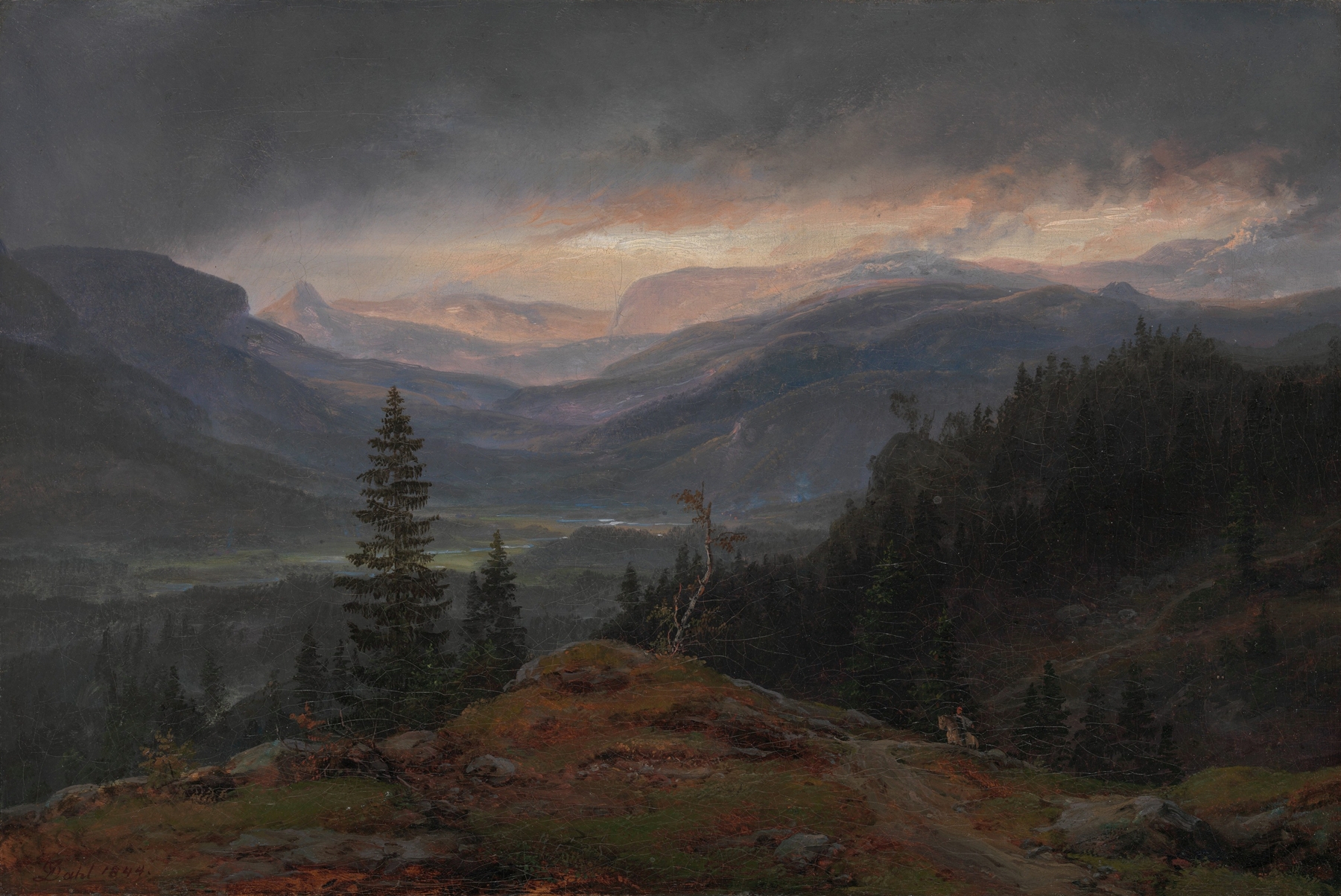
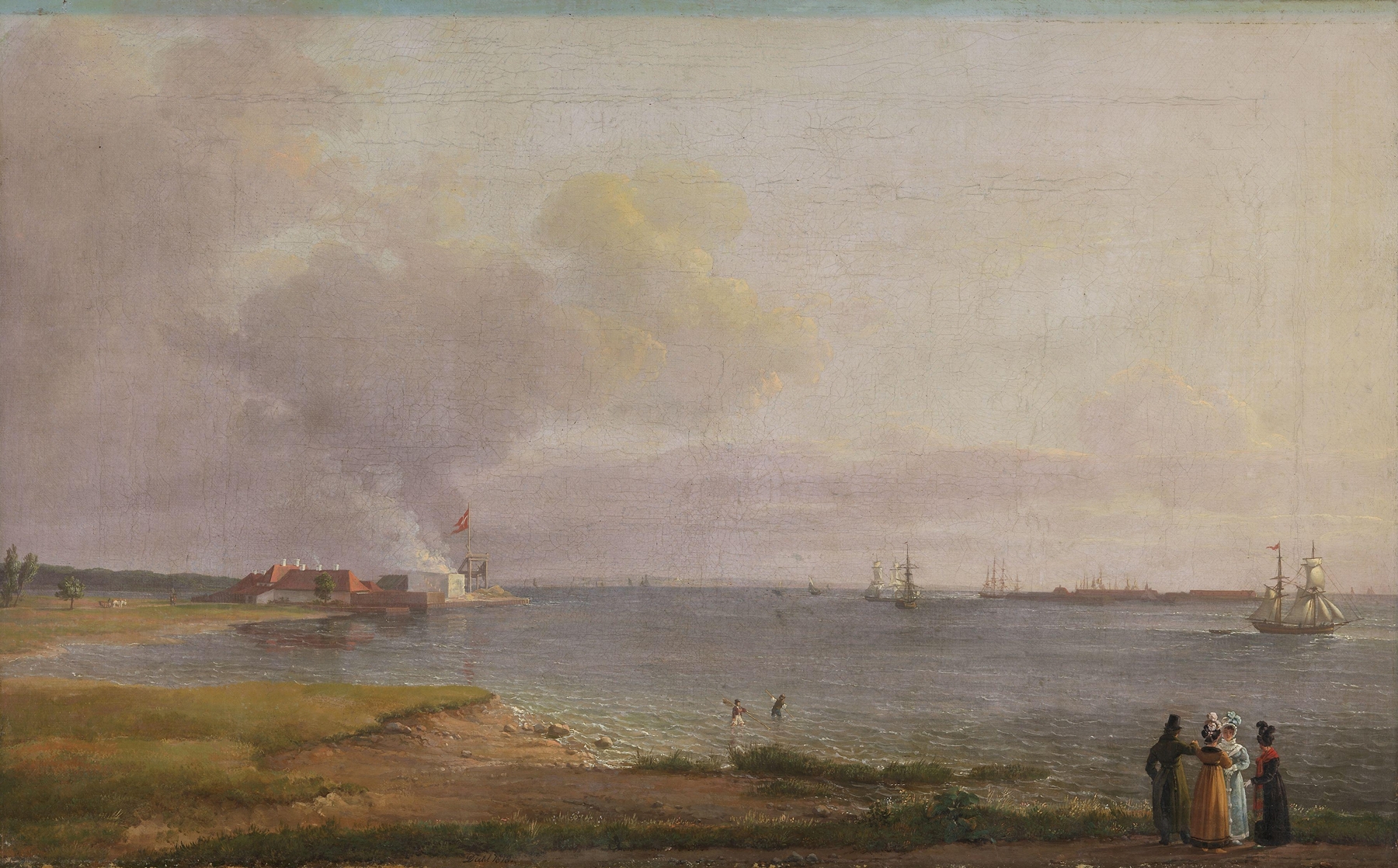
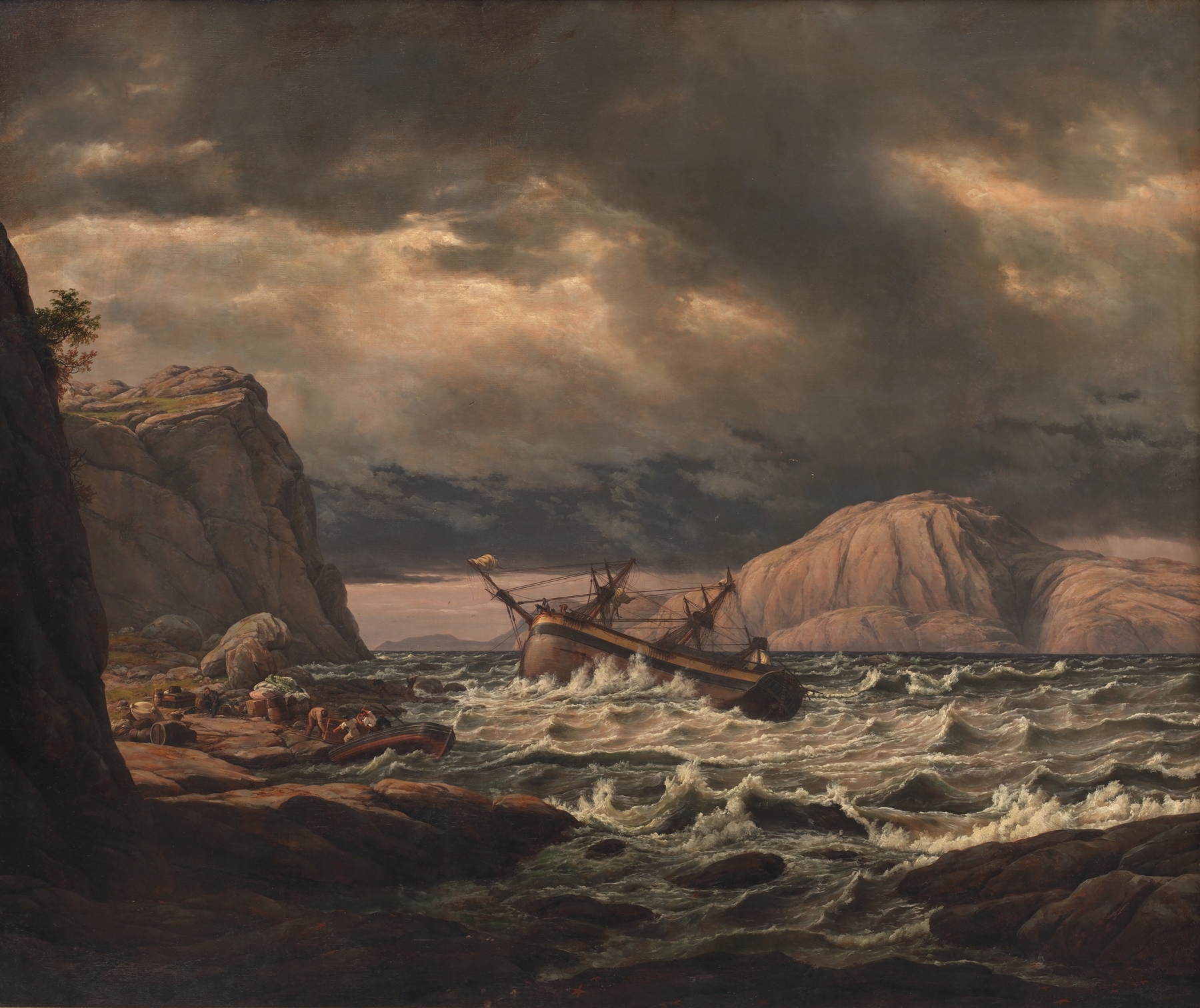
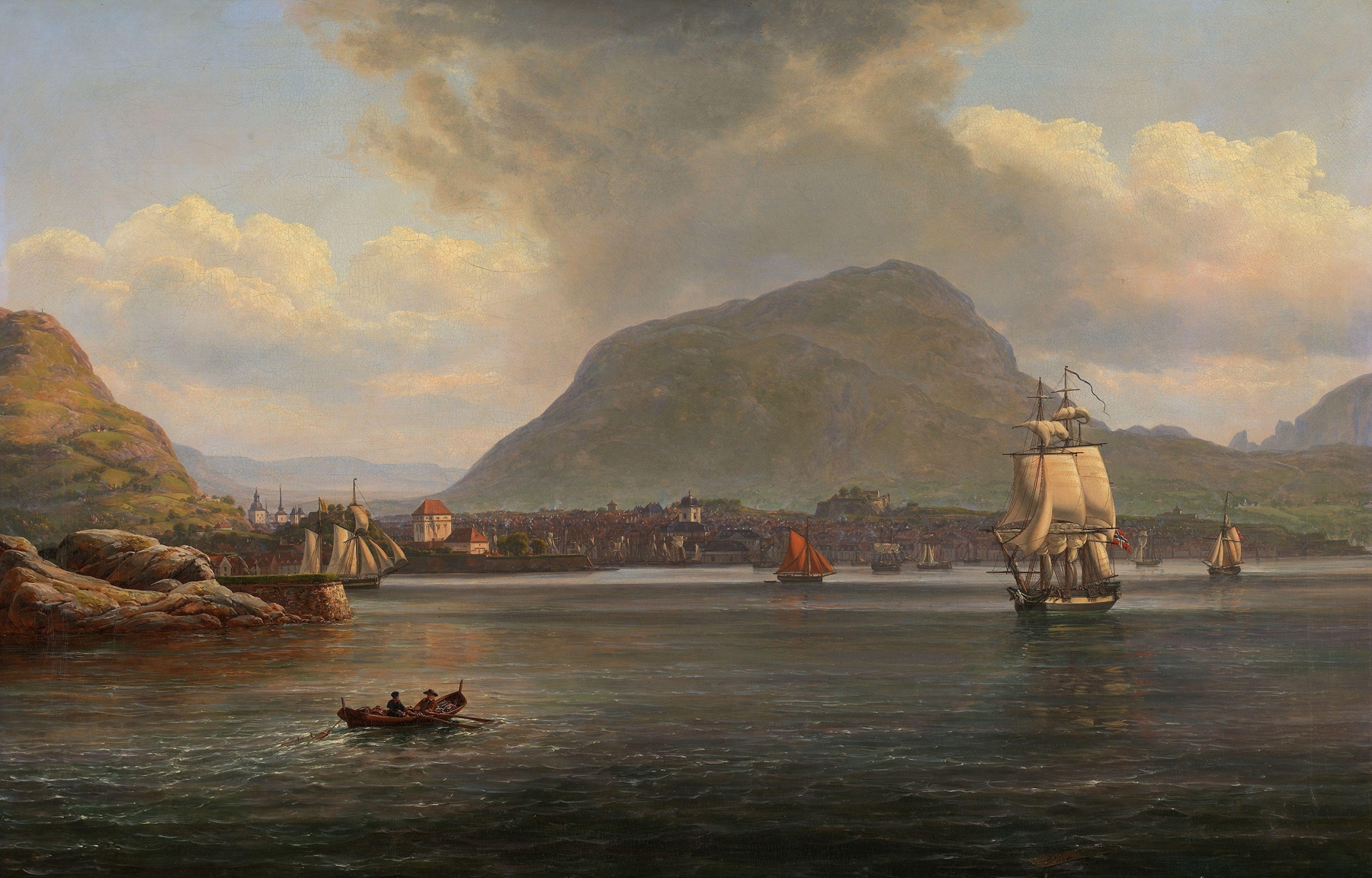
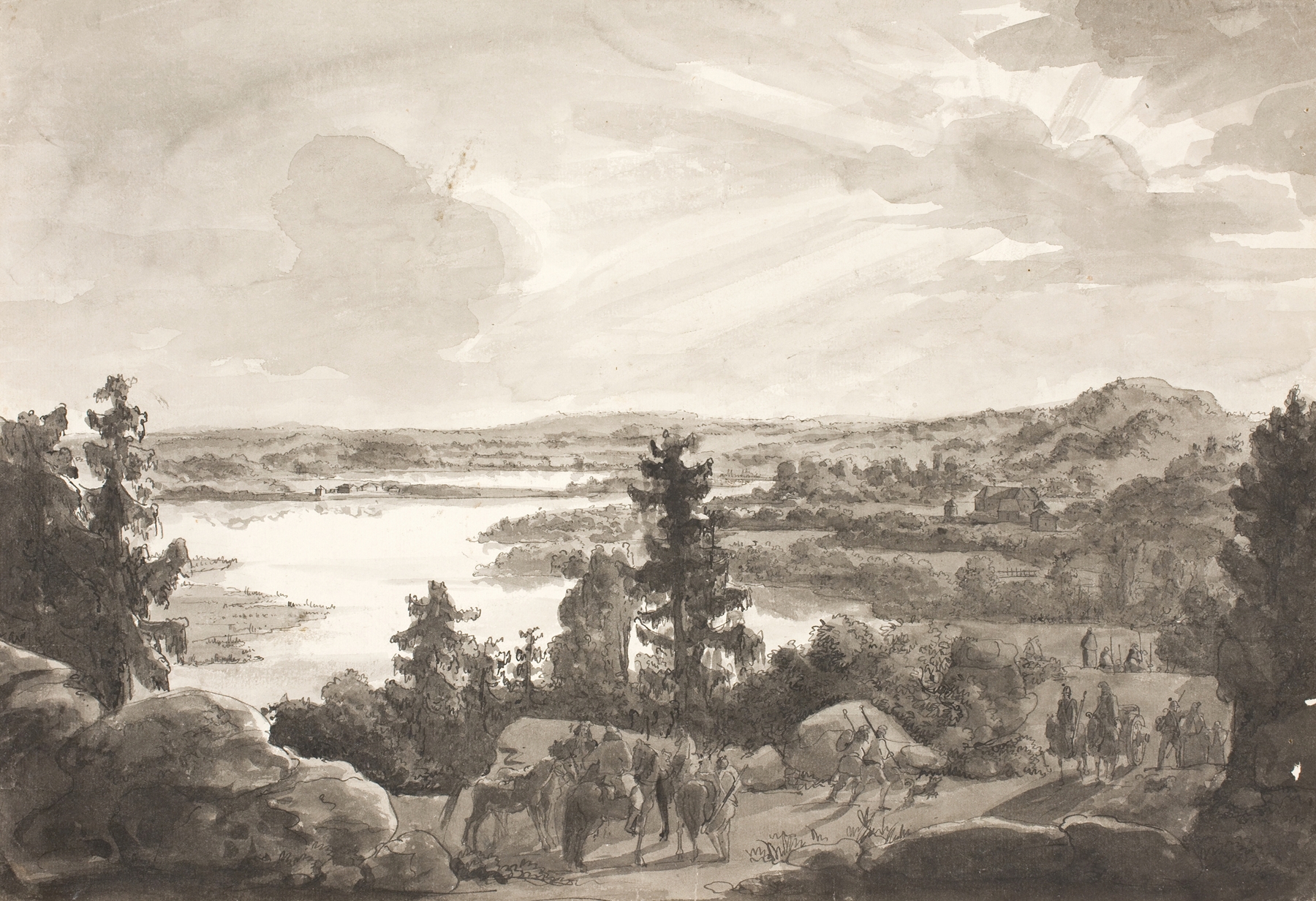
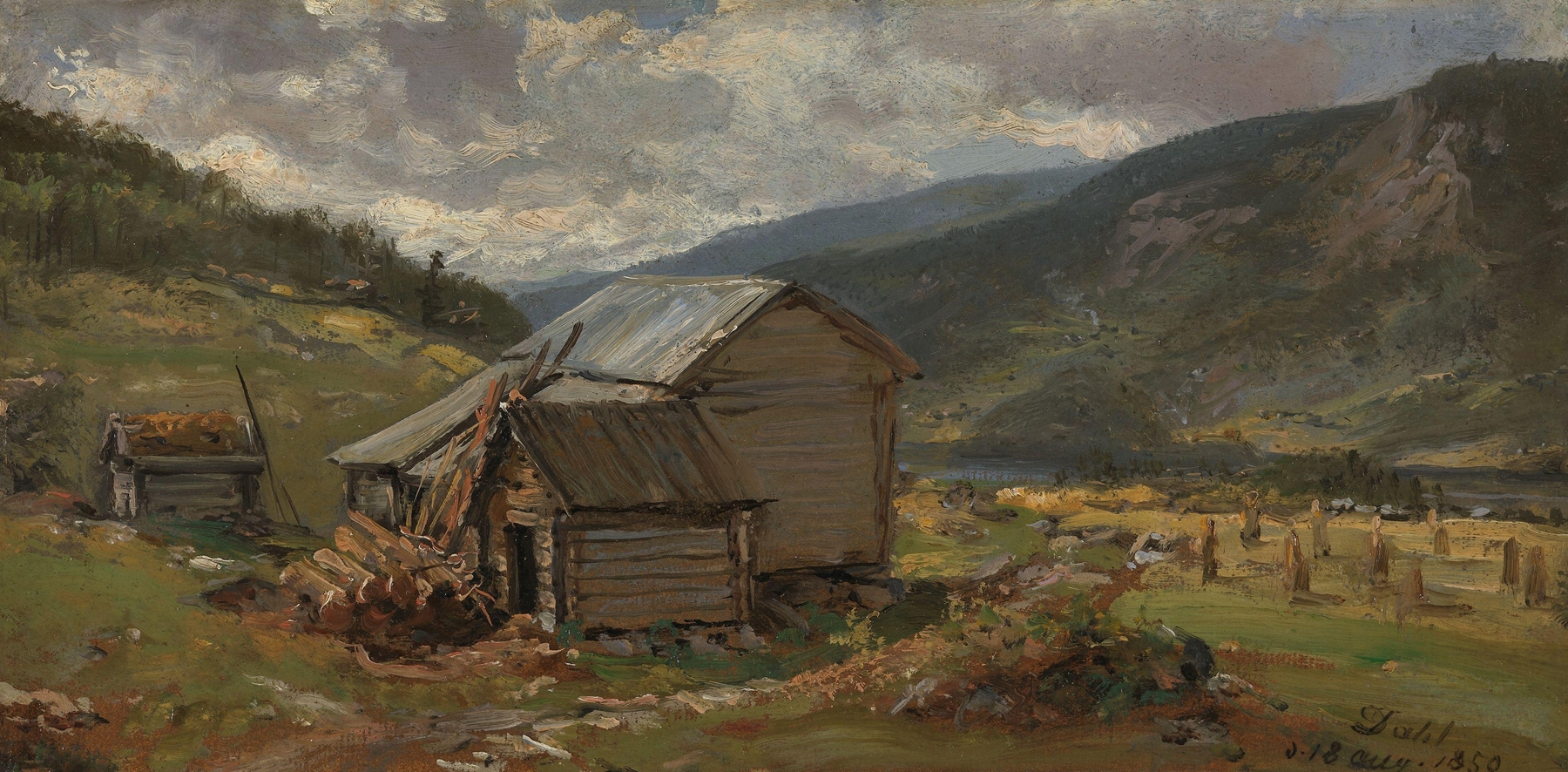
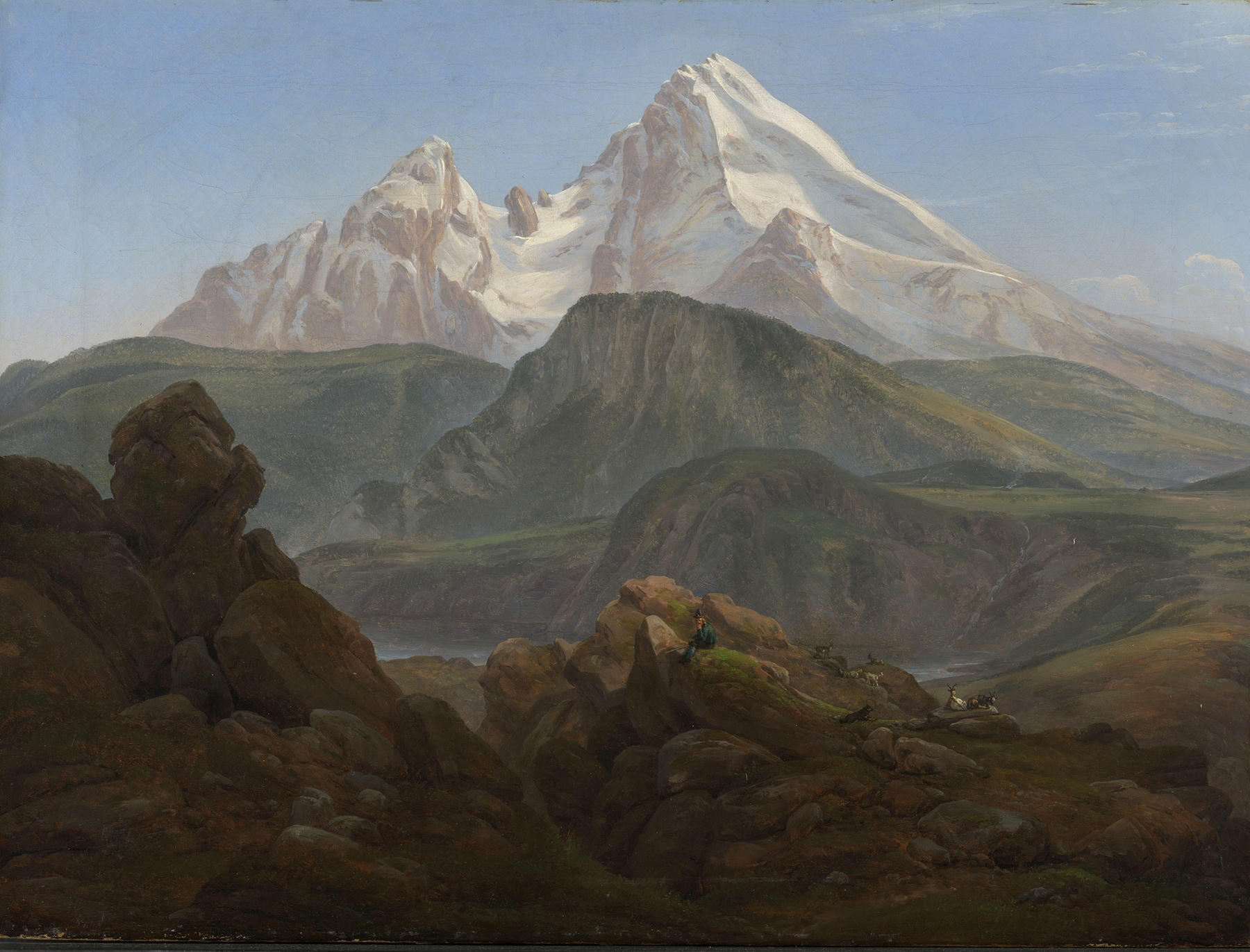
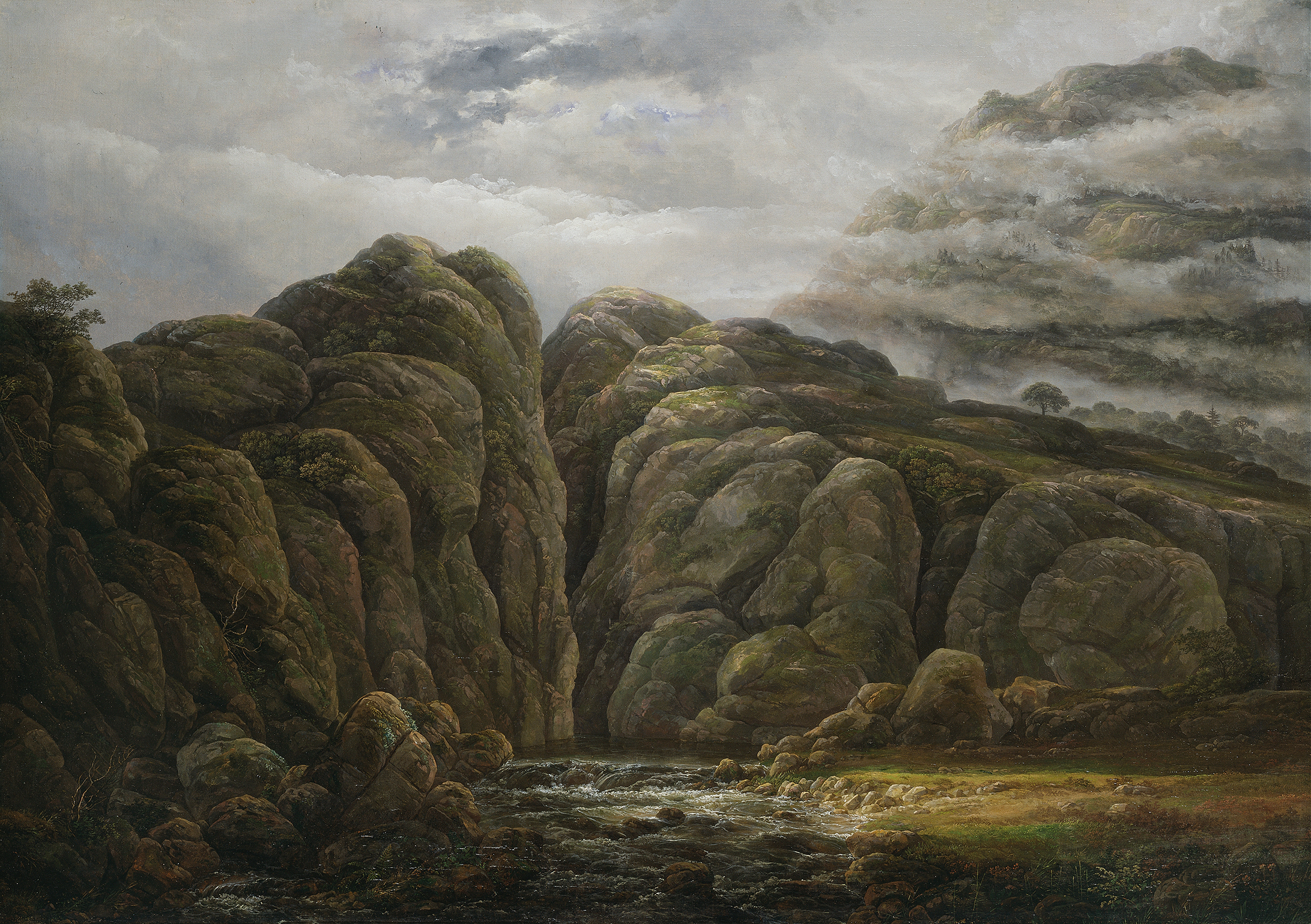
Is this a mirror — or a memory? In Cloud Study with River Landscape, silence permeates the canvas, inviting contemplation of nature's fleeting moments and the delicate interplay between reality and the imagination. Look to the upper left where the clouds drift lazily across the azure sky, vibrant yet muted with tones of soft gray and gentle white. Notice how the light plays upon the water's surface, creating a shimmering pathway that leads the eye towards the horizon.
The artist’s brushwork captures an ethereal quality, blending colors seamlessly to evoke a serene atmosphere, while the composition balances the heaviness of the clouds with the lightness of the river below. The contrast between the heavy clouds and the reflective water symbolizes the dualities of existence: thought and emotion, weight and freedom. Here, nature serves as a metaphor for introspection, where the landscape becomes a canvas for our own memories and aspirations. The stillness of the scene elicits a sense of peace, yet beneath the surface, there is an undercurrent of longing, reminding us of the transience of both time and beauty.
Painted in the early 19th century during his time in Norway, the artist found inspiration in the natural landscapes that surrounded him. As a key figure in the Romantic movement, he sought to capture the grandeur and emotional resonance of nature. This work reflects not only his personal artistic evolution but also the broader context of an era that valued emotional depth and individual experience in art.