Clouds in the Evening — History & Analysis
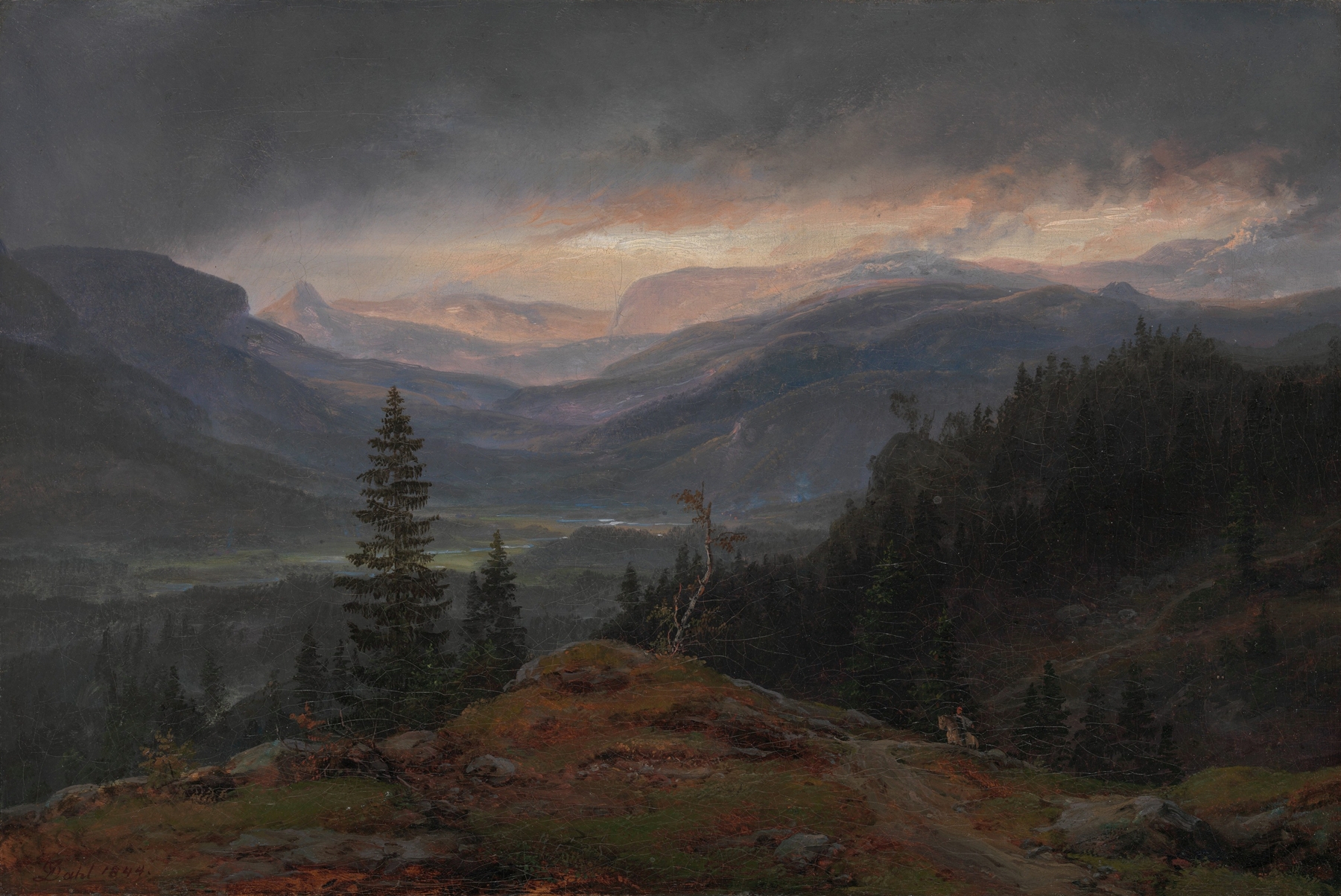
“The canvas doesn’t lie — it simply waits.” In the stillness of twilight, when the world feels suspended between day and night, the sky becomes a kaleidoscope of emotions. Here, madness dances in the hues of twilight, a fleeting reminder of the chaos beneath the serene facade of nature. Focus on the sweeping palette above, where deep blues and subtle pinks collide, creating an electrifying tension. Look closely at the layered clouds, each stroke revealing the artist’s mastery of light and shadow.
The delicate blending adds depth, pulling you into a vast sky that feels both expansive and intimate, as if each cloud carries a whisper of tumultuous thoughts. The horizon, kissed by the fading sun, suggests an impending night that beckons both dread and beauty. Beneath the surface of this tranquil scene lies a contrast that speaks volumes. The clouds, while beautiful, appear tumultuous — their swirling forms seem to echo an inner storm, a reflection of madness simmering just out of reach.
The tranquil landscape below stands in stark opposition, grounding the viewer in reality even as the sky above threatens to spiral into chaos. This duality invites contemplation on the fragility of peace and the lurking unrest within us all. In 1823, while painting Clouds in the Evening, Dahl was immersed in the Romantic movement, which sought to express emotion and the sublime beauty of nature. Living in Dresden during a period of artistic exploration, he drew inspiration from the natural landscape, blending his love for the serene with an awareness of the emotional undercurrents that swirled around him, both in life and art.