Construction Site in Amsterdam — History & Analysis
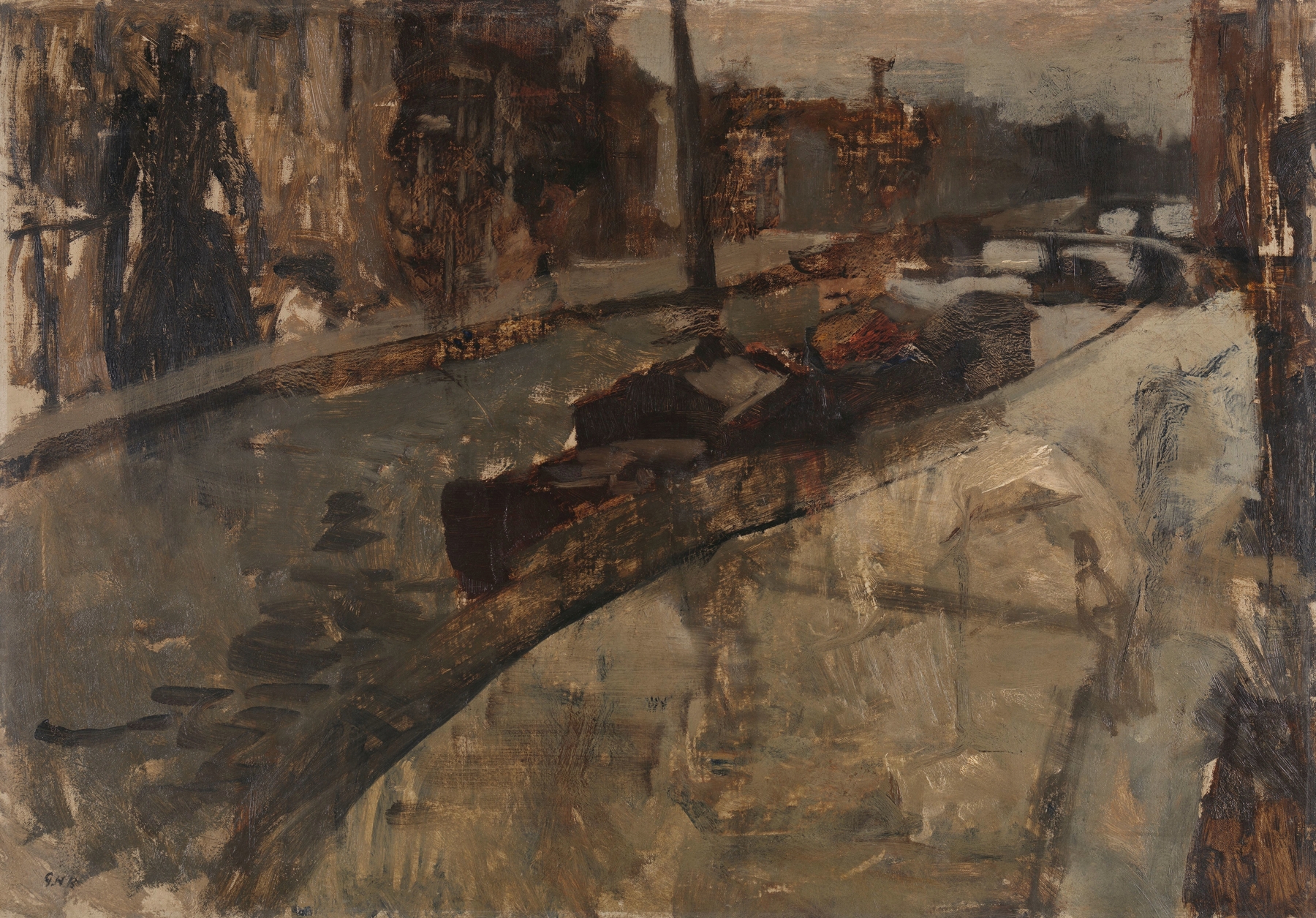
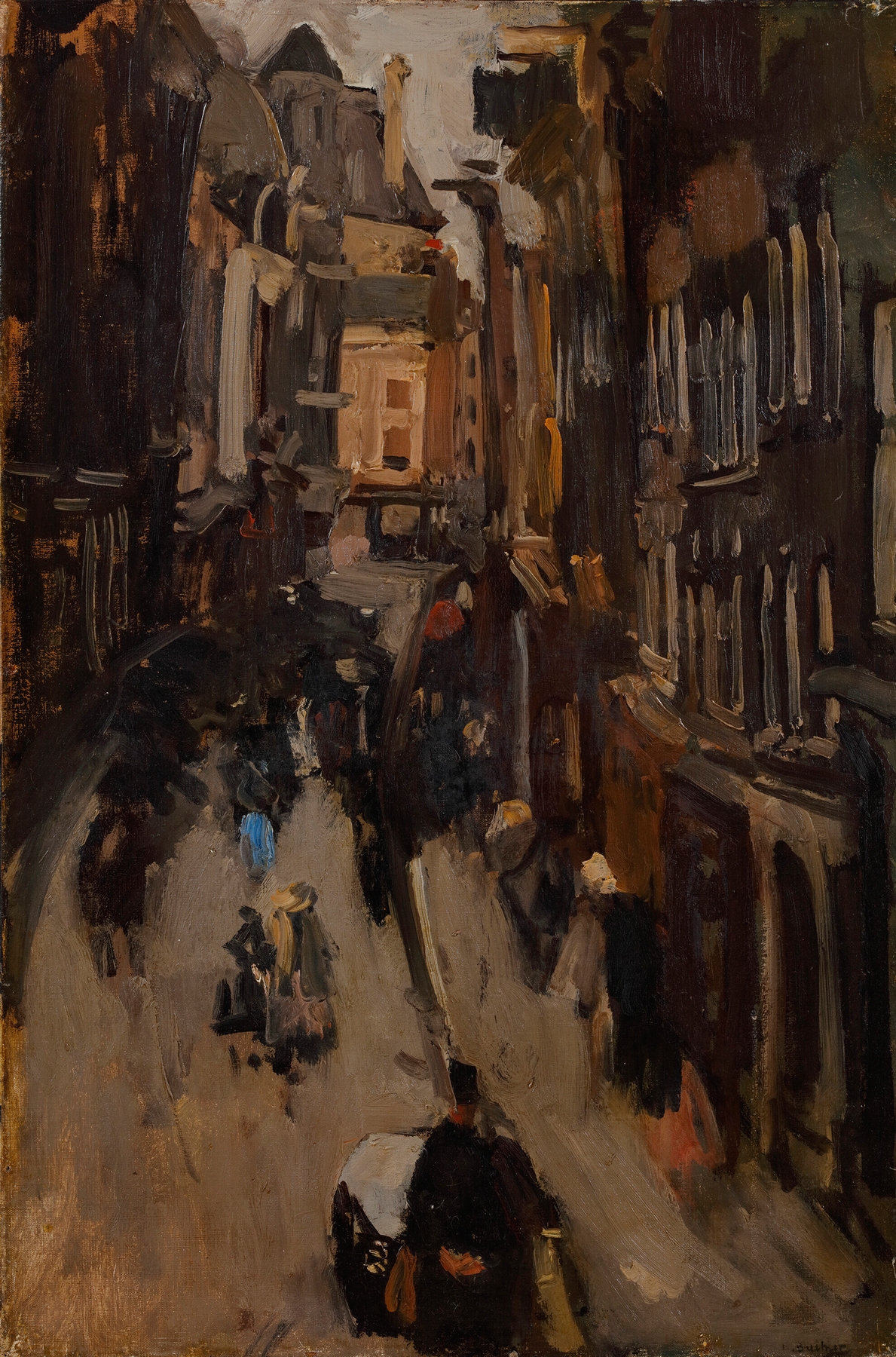
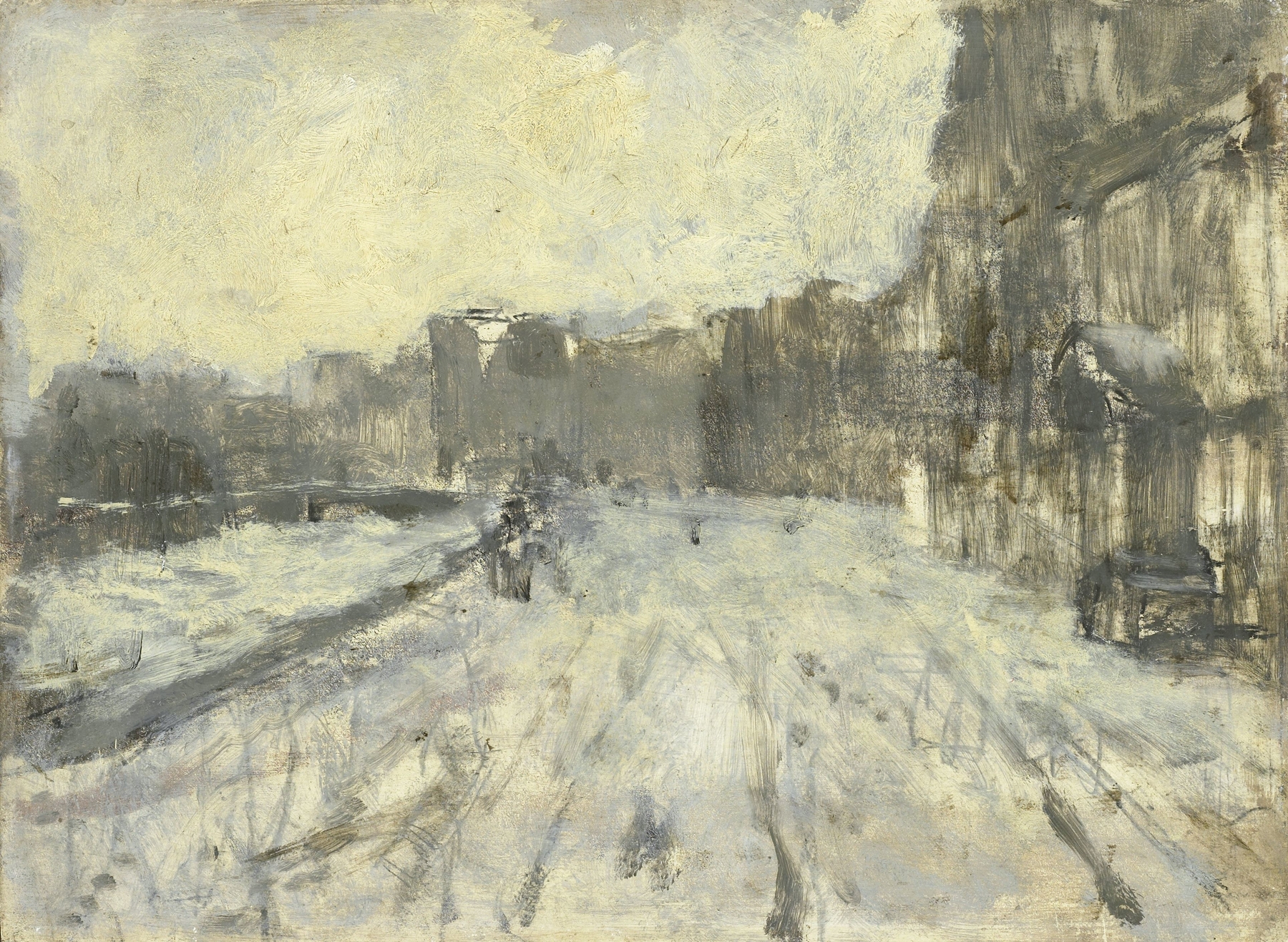
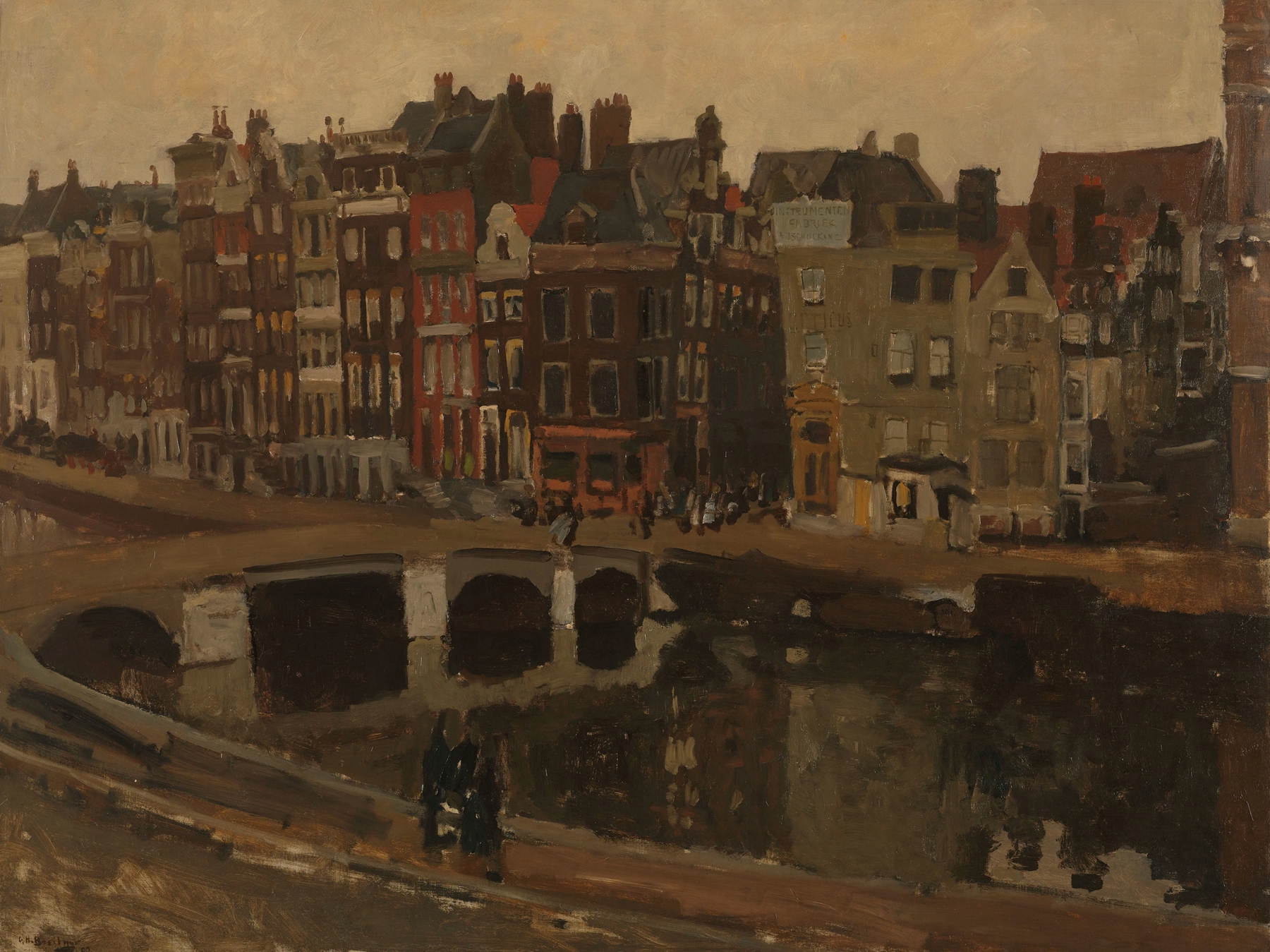
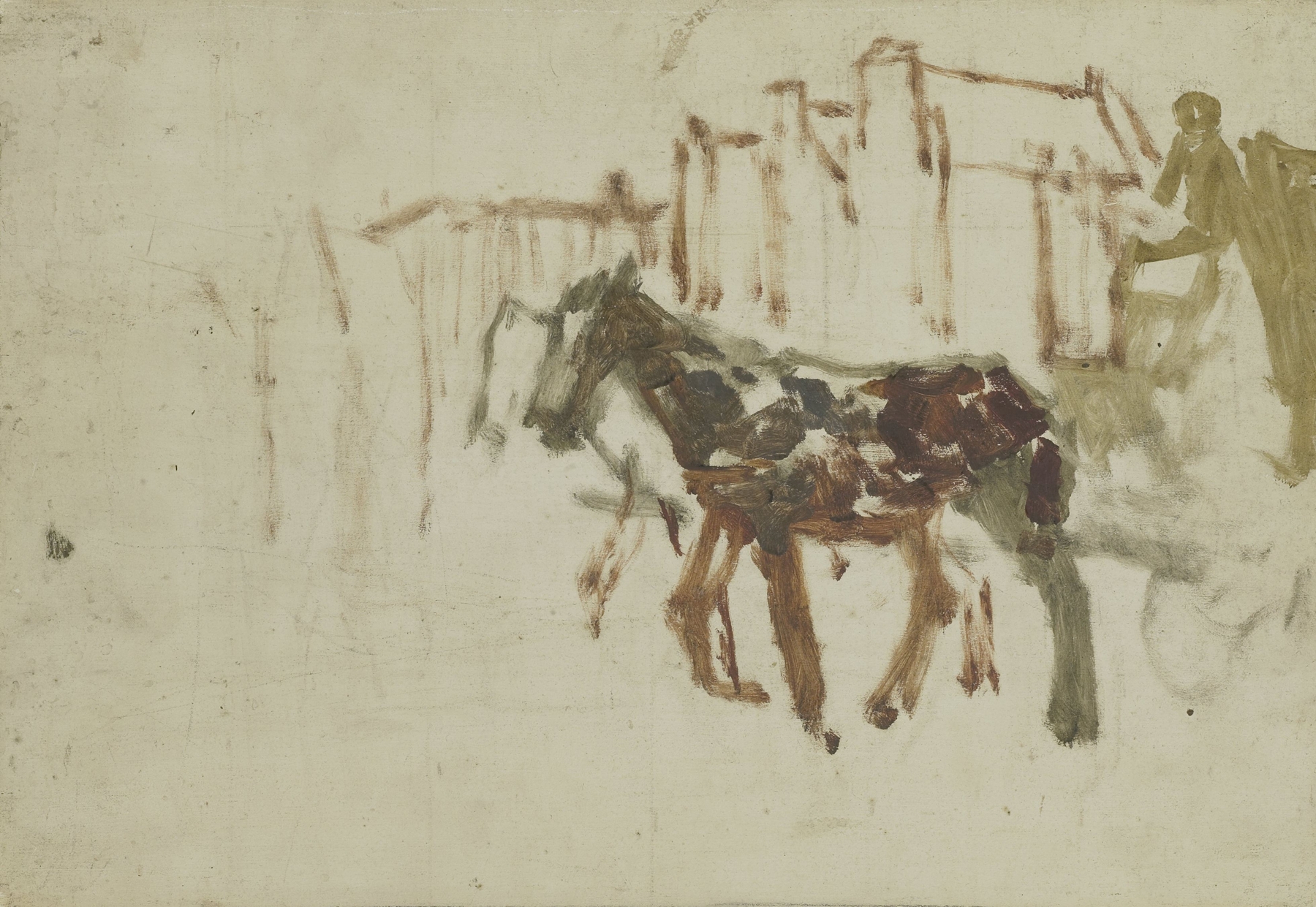
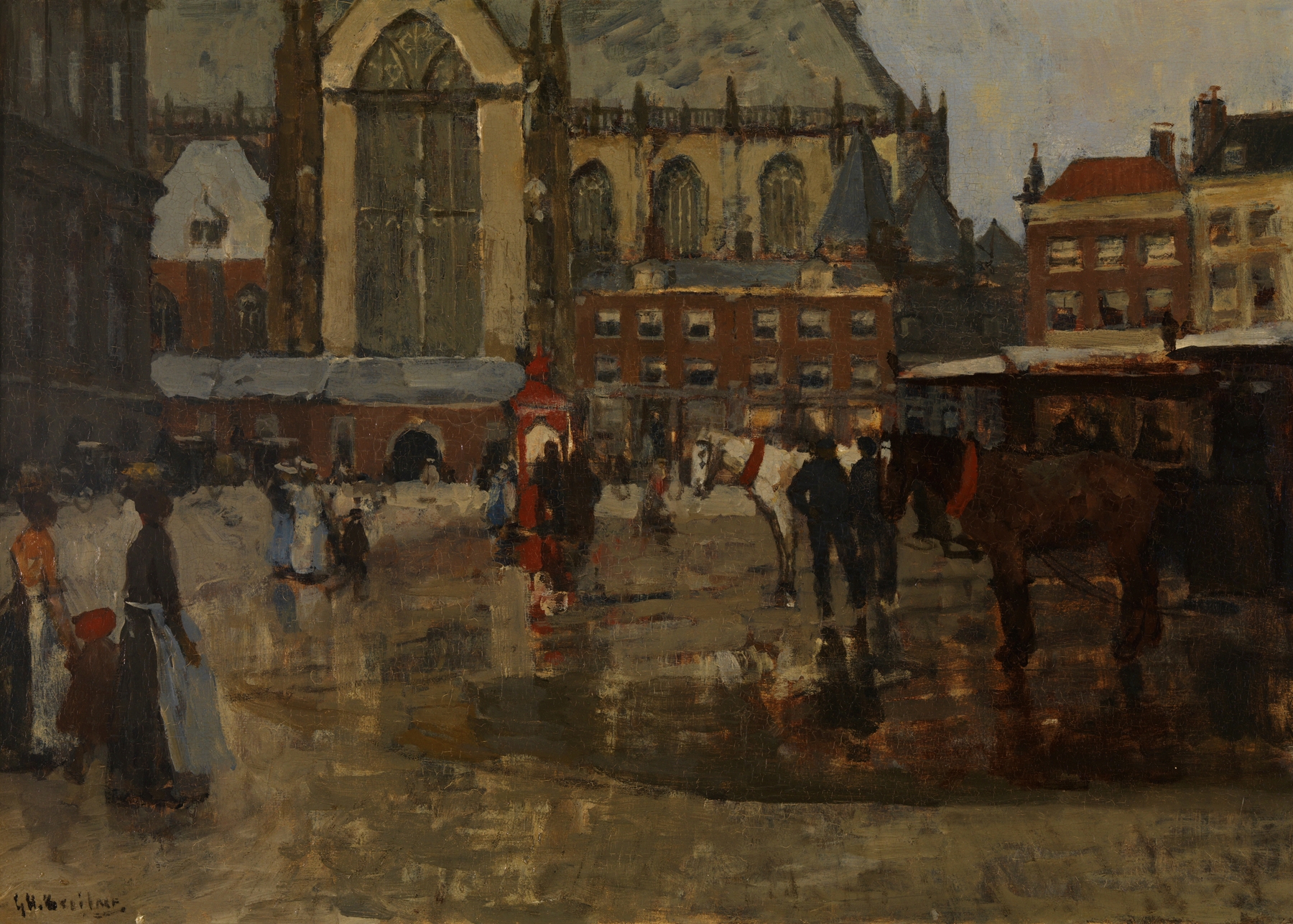
Where does light end, and longing begin? In the interplay of shadow and illumination, we find a bridge between the present and the echoes of the past. Focus on the sturdy silhouettes of workers against a backdrop of emerging structures. Their forms, outlined in warm hues, stand still amidst dynamic strokes that capture the frenzy of construction. Notice how the sunlight interacts with the raw materials around them, casting elongated shadows that seem to stretch toward the sky, hinting at aspirations and unfulfilled dreams.
The palette of earthy tones, punctuated by flashes of bright yellows and reds, breathes life into this scene, drawing you deeper into the moment. Yet, beneath the surface of labor, there’s an undercurrent of melancholy. The hard, angular lines of the construction site contrast starkly with the softness of the human figures, evoking a tension between ambition and vulnerability. Each worker bears the weight of their toil, their faces obscured but their postures infused with a sense of purpose.
The cacophony of activity breathes life into the canvas, but it simultaneously reflects a quiet yearning—the desire for something greater in a world defined by labor. In the early 1900s, George Hendrik Breitner painted this piece amidst a transformative period for Amsterdam, marked by rapid industrialization. At that time, he was deeply engaged in capturing urban life, navigating between the new modernity and the remnants of tradition. This artwork embodies his fascination with the interconnectedness of humanity and the environment, encapsulating a moment when the city was both a space of creation and a realm of longing.