Cornfield, Avebury — History & Analysis
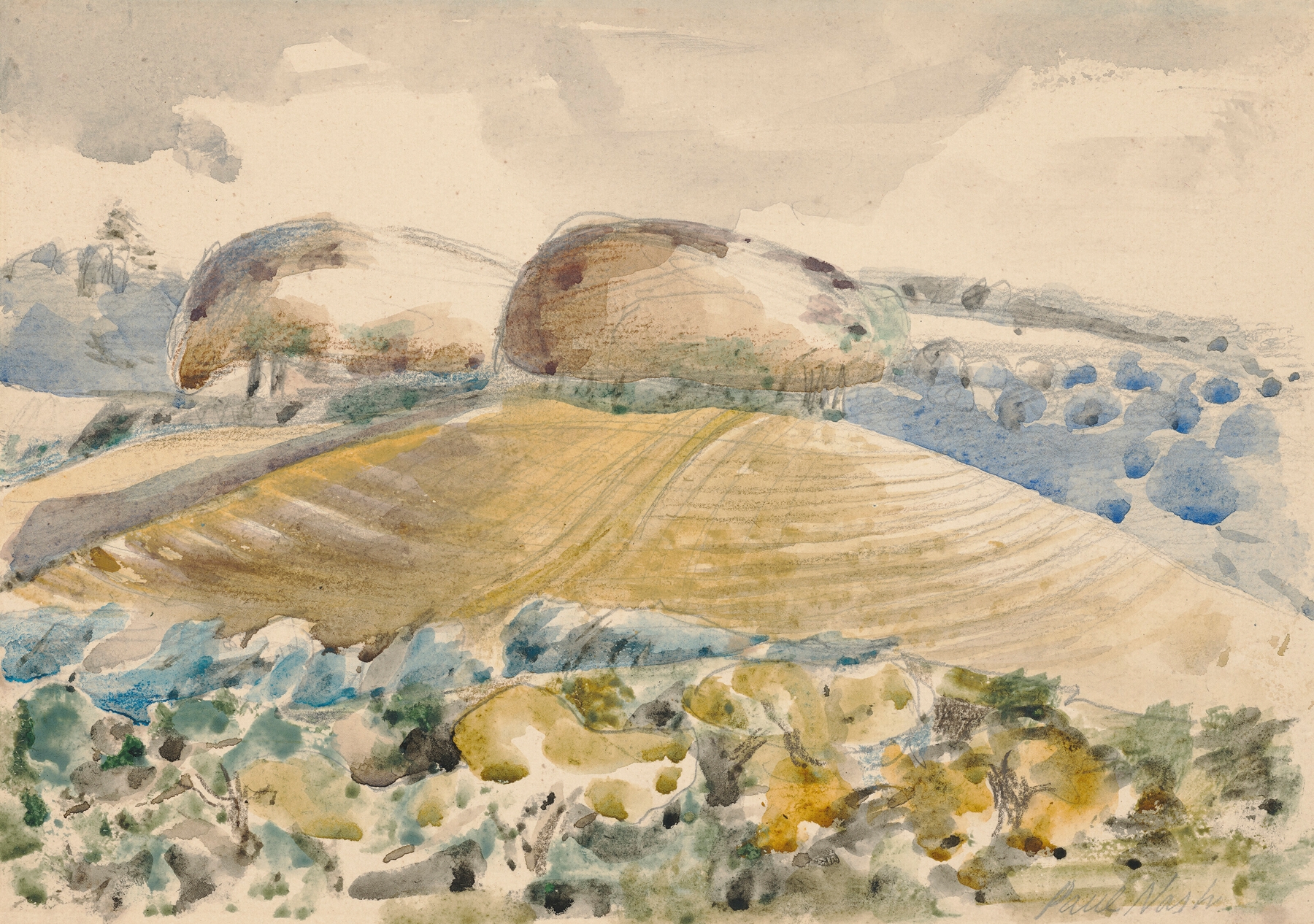
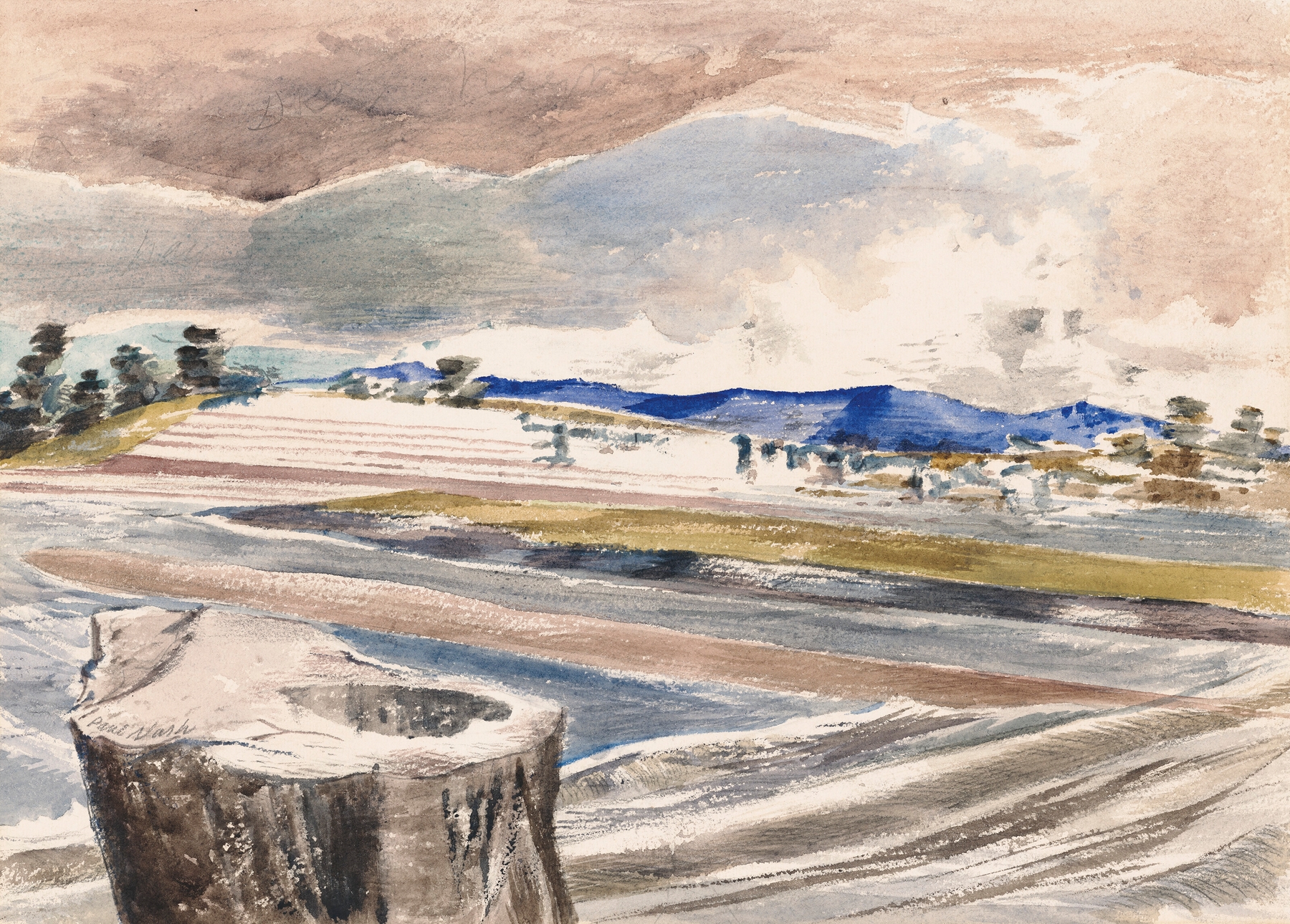
Where does light end, and longing begin? In the brushstrokes of this mesmerizing landscape, one senses the ecstatic pull of nature’s embrace, where every hue sings of vibrant life. Focus on the horizon, where the golden fields stretch beneath a dramatic sky painted in enchanting blues and whites. The gentle undulation of the cornfield invites your eye to wander through its rhythmic patterns, while hints of earthy greens whisper of life just beneath the surface.
The arrangement conveys a tranquil balance, yet the juxtaposition of the wild, sweeping clouds above creates a charged sense of emotion, as if nature itself is holding its breath. Within this pastoral scene lies a profound tension between serenity and yearning. Each blade of wheat seems alive, swaying in an invisible wind, echoing the artist's own sense of displacement. The play of light across the field speaks to the eternal dance of hope and nostalgia, suggesting that ecstasy and melancholy walk hand in hand through the landscape, echoing the human condition itself.
In 1935, during a time of personal introspection and broader socio-political turbulence, the artist crafted this work in Avebury, England. Paul Nash was immersed in the evolution of Surrealism and Symbolism, seeking to capture the essence of the English landscape amidst the shadows of impending war. His exploration in Cornfield, Avebury reflected not only his own inner landscape but also a collective yearning for peace and connection to the earth during uncertain times.