Céret, vue sur le Canigou — History & Analysis
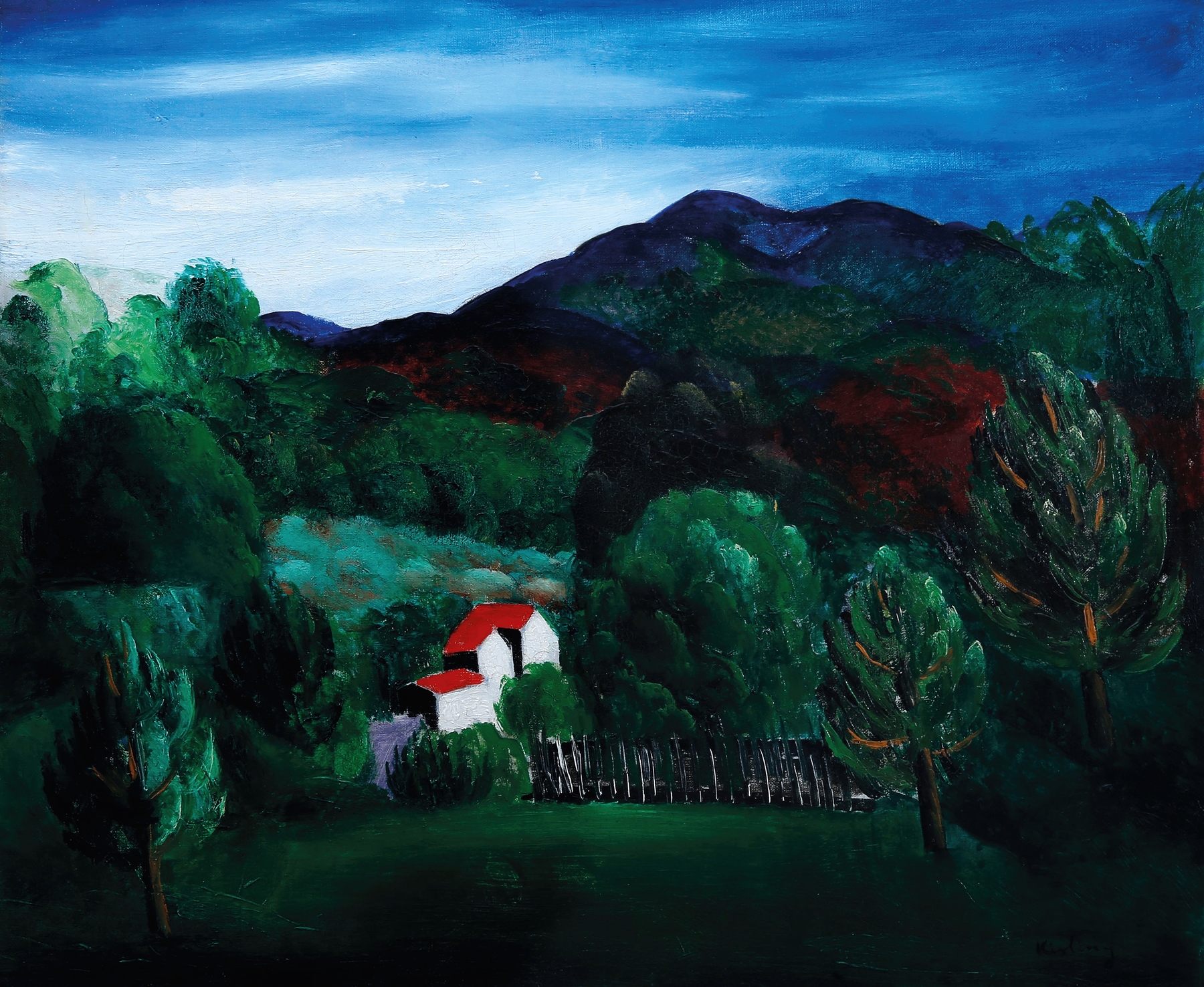
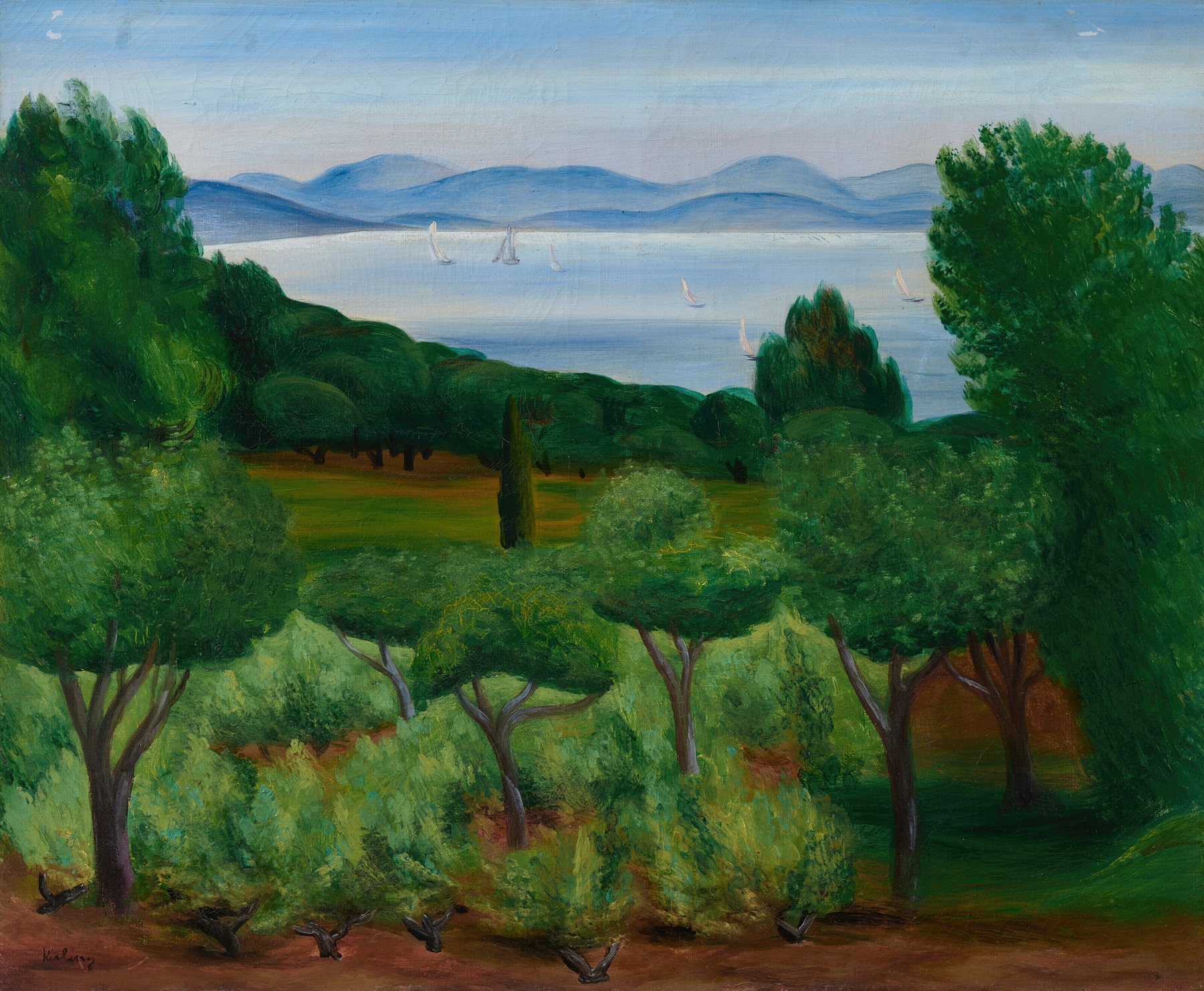
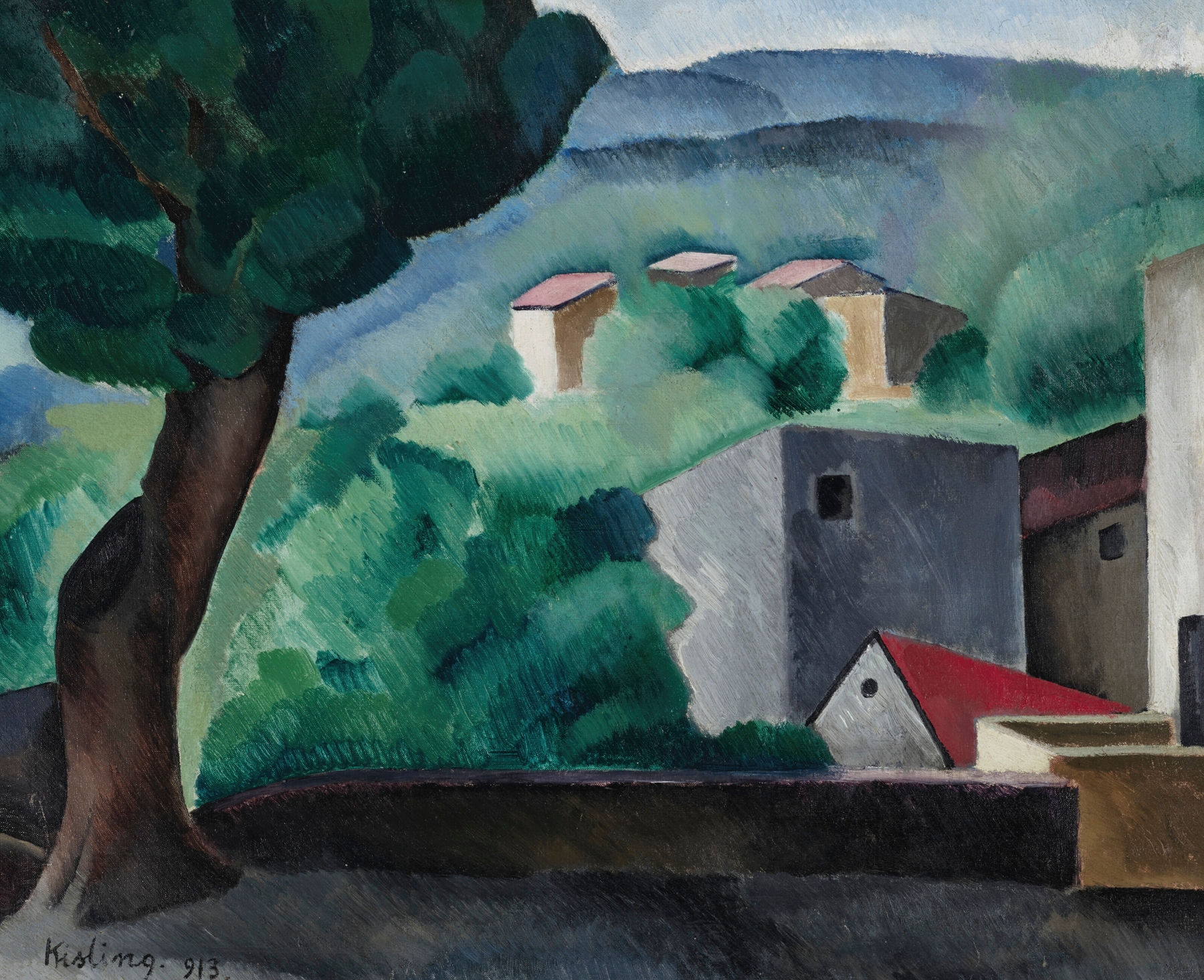
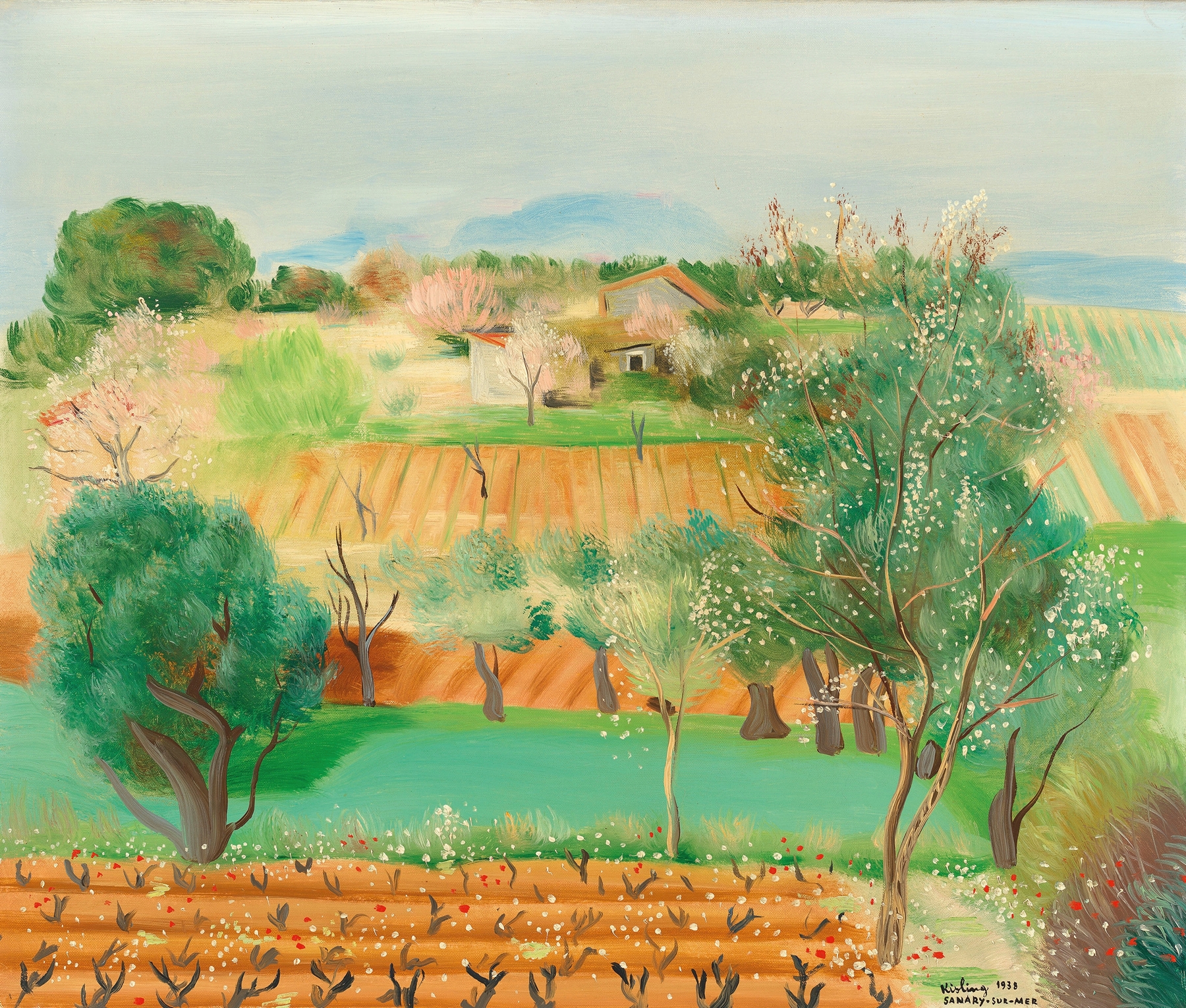
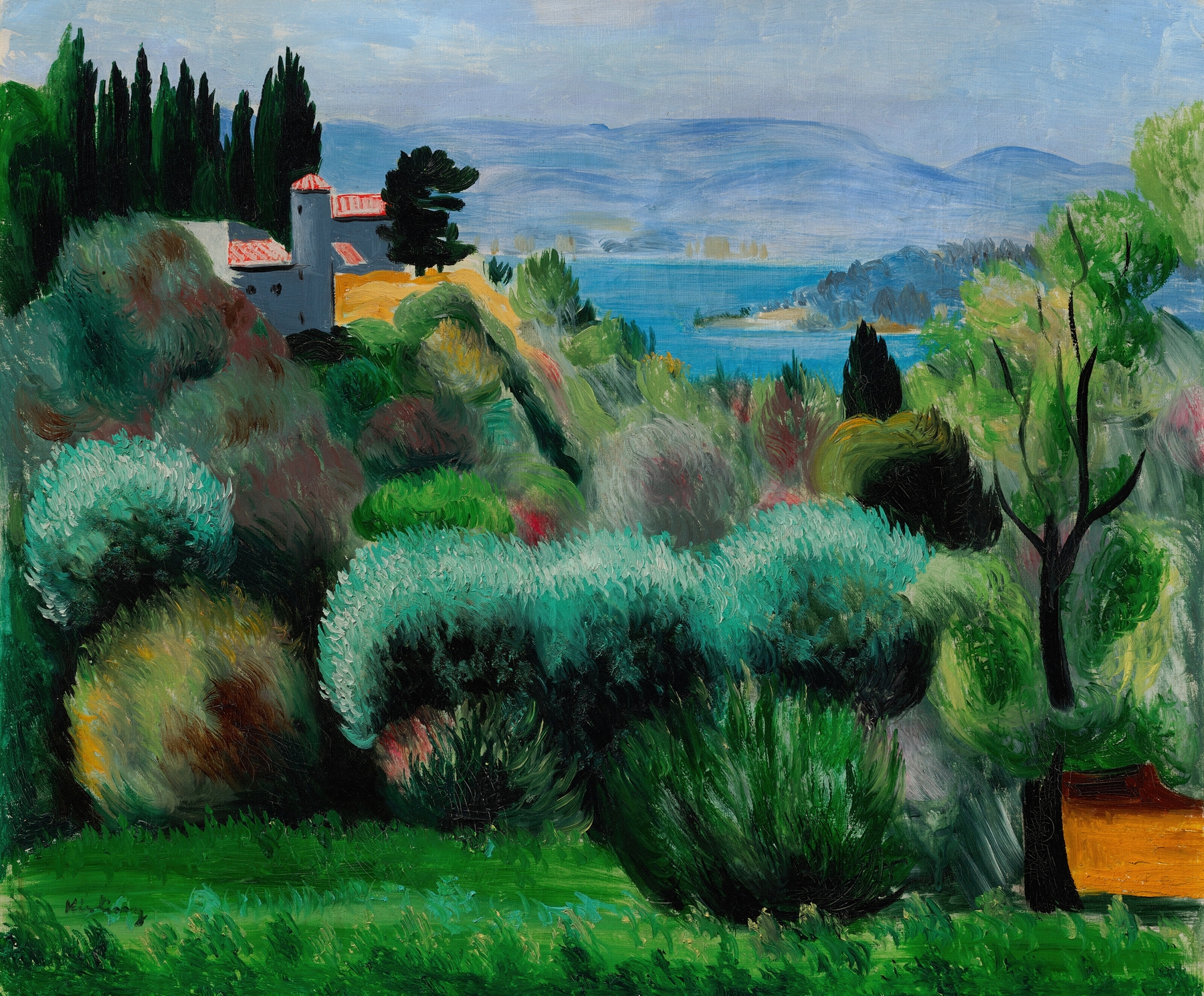
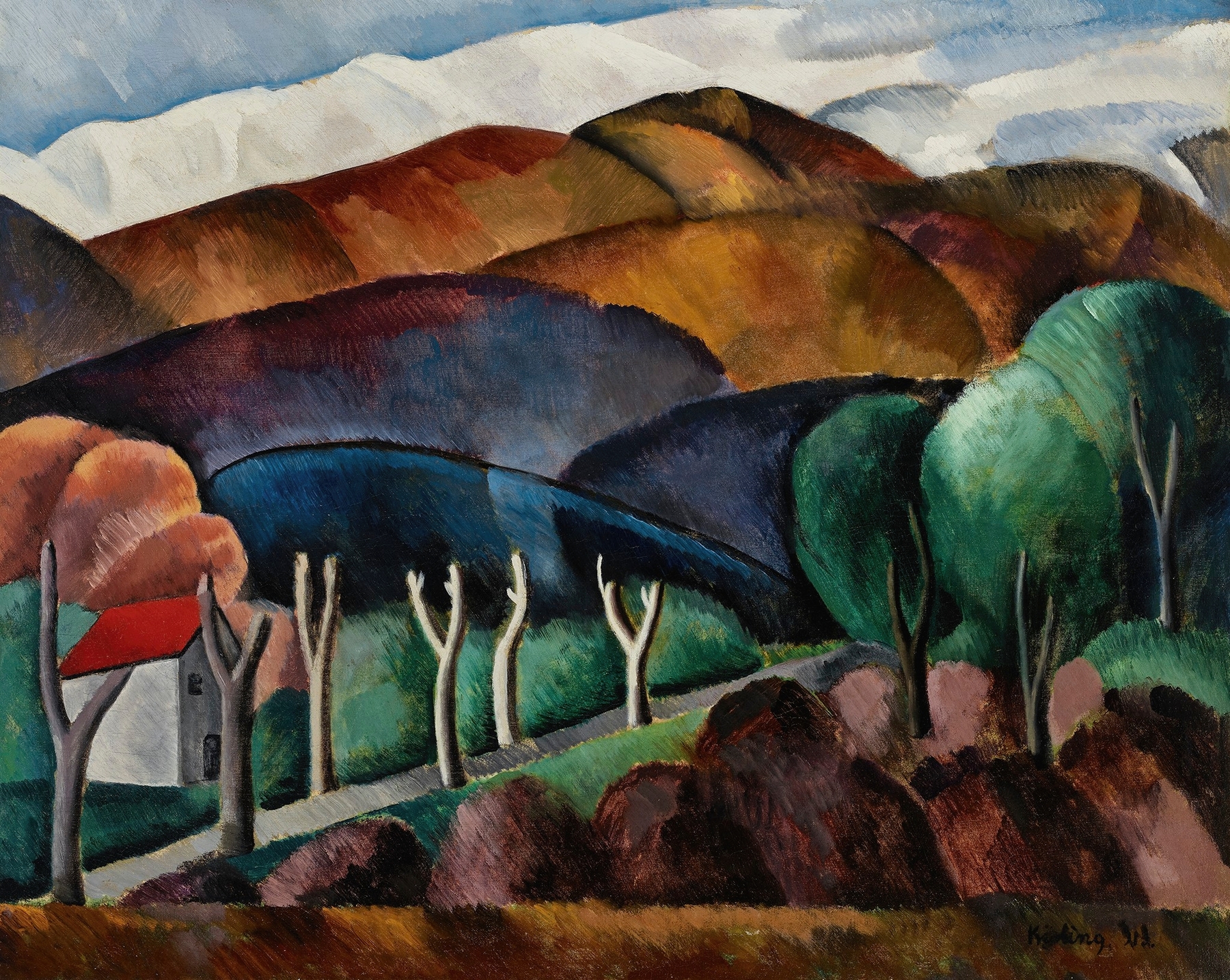
“Sometimes beauty is just pain, disguised in gold.” In an expansive landscape, the mountains loom, majestic yet isolating, their presence echoing the void within. The vibrant hues of the canvas pulse with life, yet beneath this beauty lies a lingering silence—a testament to the complexities of the human experience. Look to the foreground of Céret, vue sur le Canigou, where the lush greens of the valley contrast sharply with the stark, rugged peaks looming in the distance. Notice how the warm sunlight bathes the landscape, creating a sense of vivid vibrancy against the cooler shadows of the mountains.
The brushwork, fluid yet deliberate, invites the viewer to trace the contours and textures of the land, accentuating both its allure and its harshness, reflecting an emotional duality. Kisling's composition speaks of the harmony and discord inherent in nature. The juxtaposition of the fertile valley against the imposing mountain range symbolizes the struggle between beauty and desolation. The interplay of light and shadow conveys an underlying tension—a reminder that even in picturesque scenes, there can exist a profound sense of emptiness and longing.
The void is palpable, suggesting that beneath the surface, there may be stories of heartache, resilience, and the human condition that remain untold. In 1913, Kisling was living in Paris, deeply intertwined with the artistic movements of his time, including Cubism and Post-Impressionism. As Europe stood on the brink of turmoil, his art reflected both a personal quest for identity and a broader exploration of the contrasts in life. This period saw him grappling with themes of exile and belonging—an experience that profoundly influenced works like this one, echoing the tension between light and shadow, presence and absence.