Provence — History & Analysis
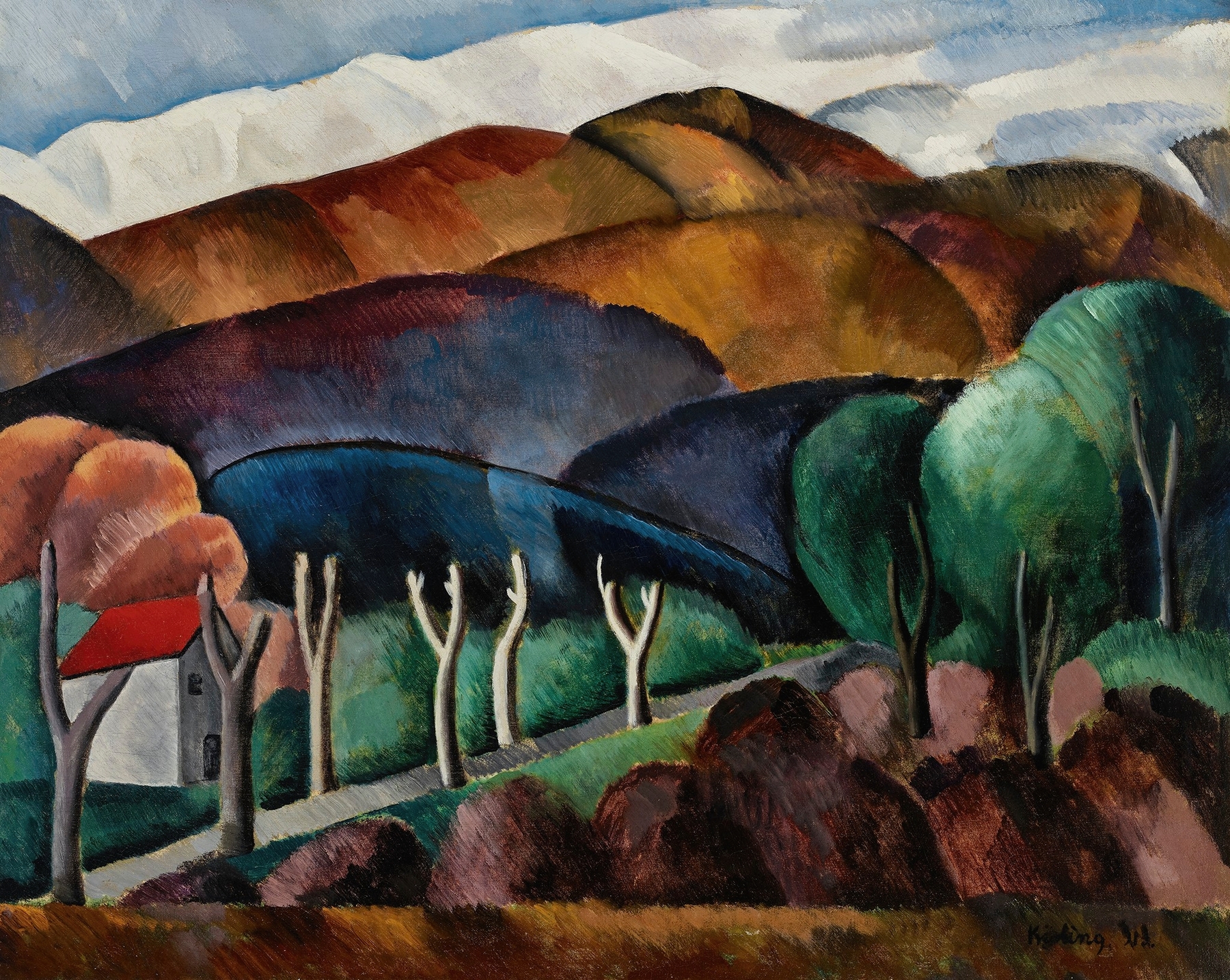
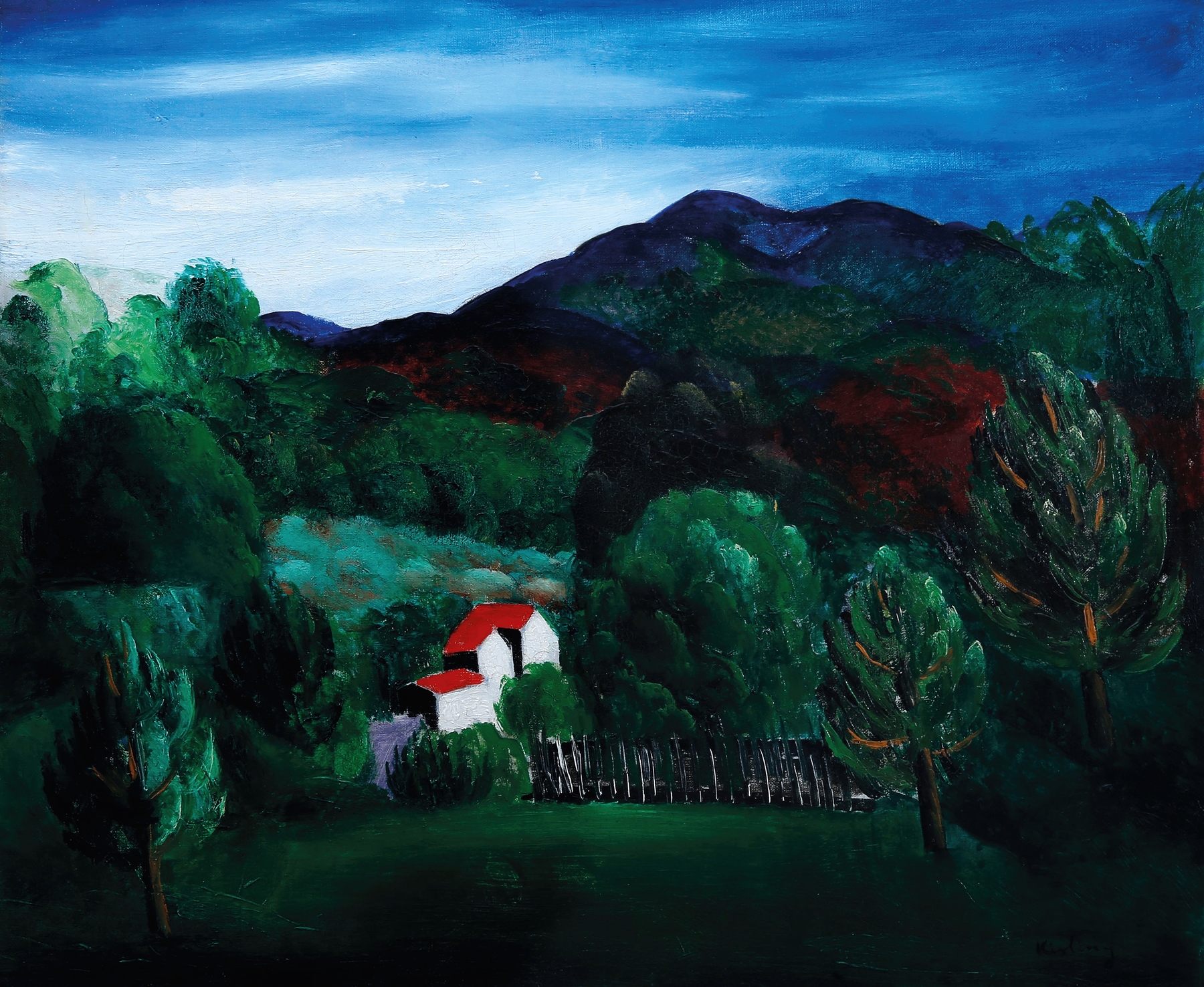
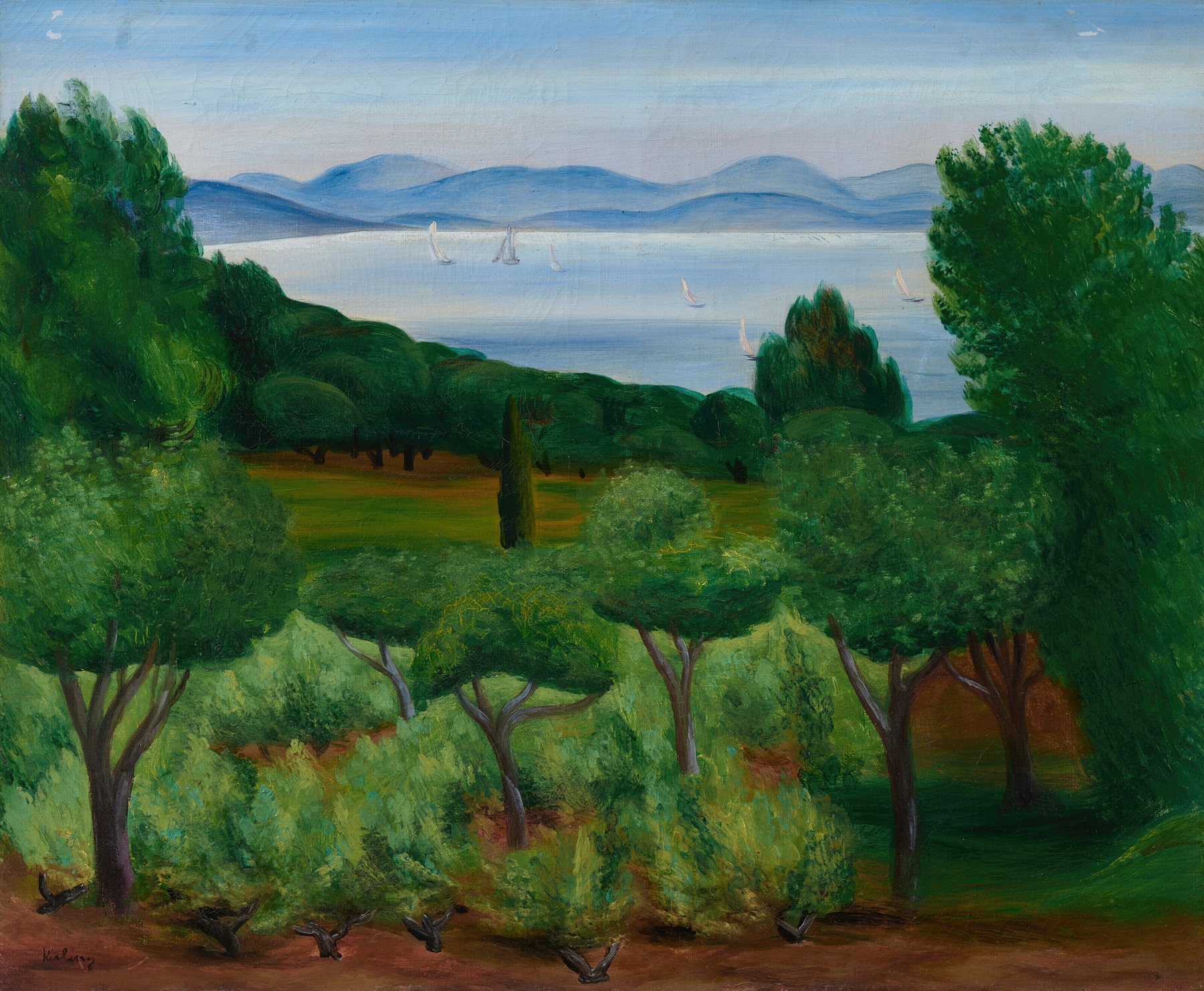
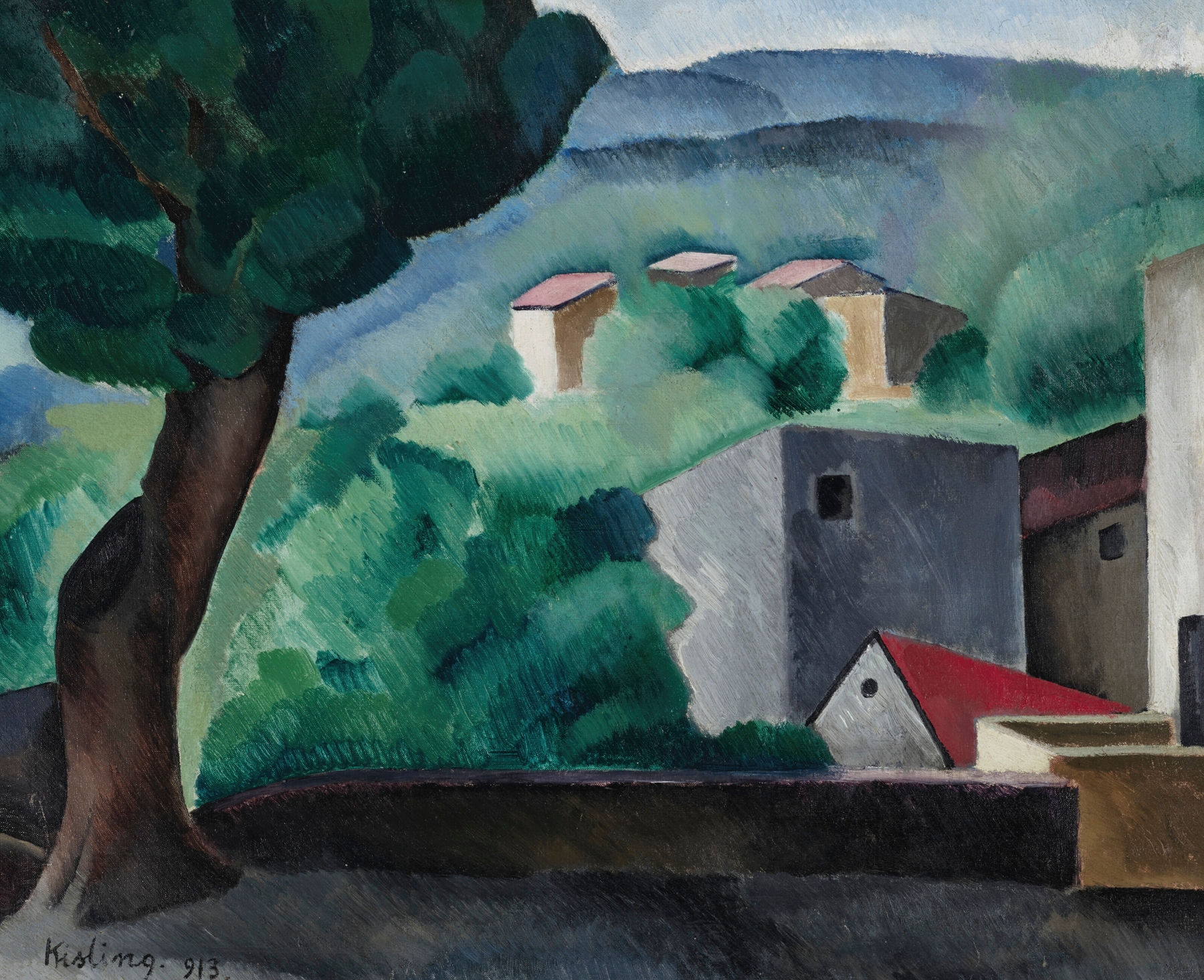
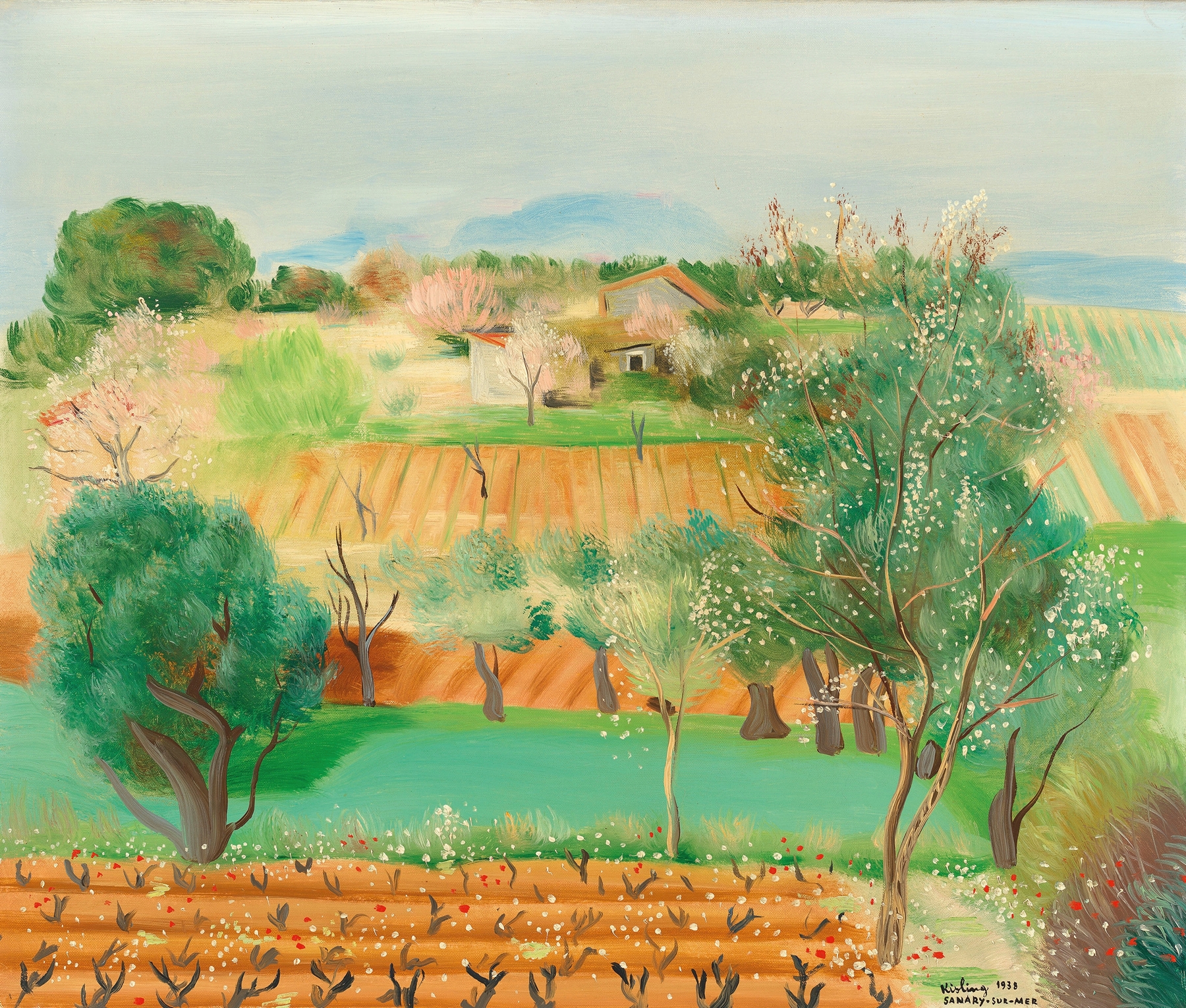
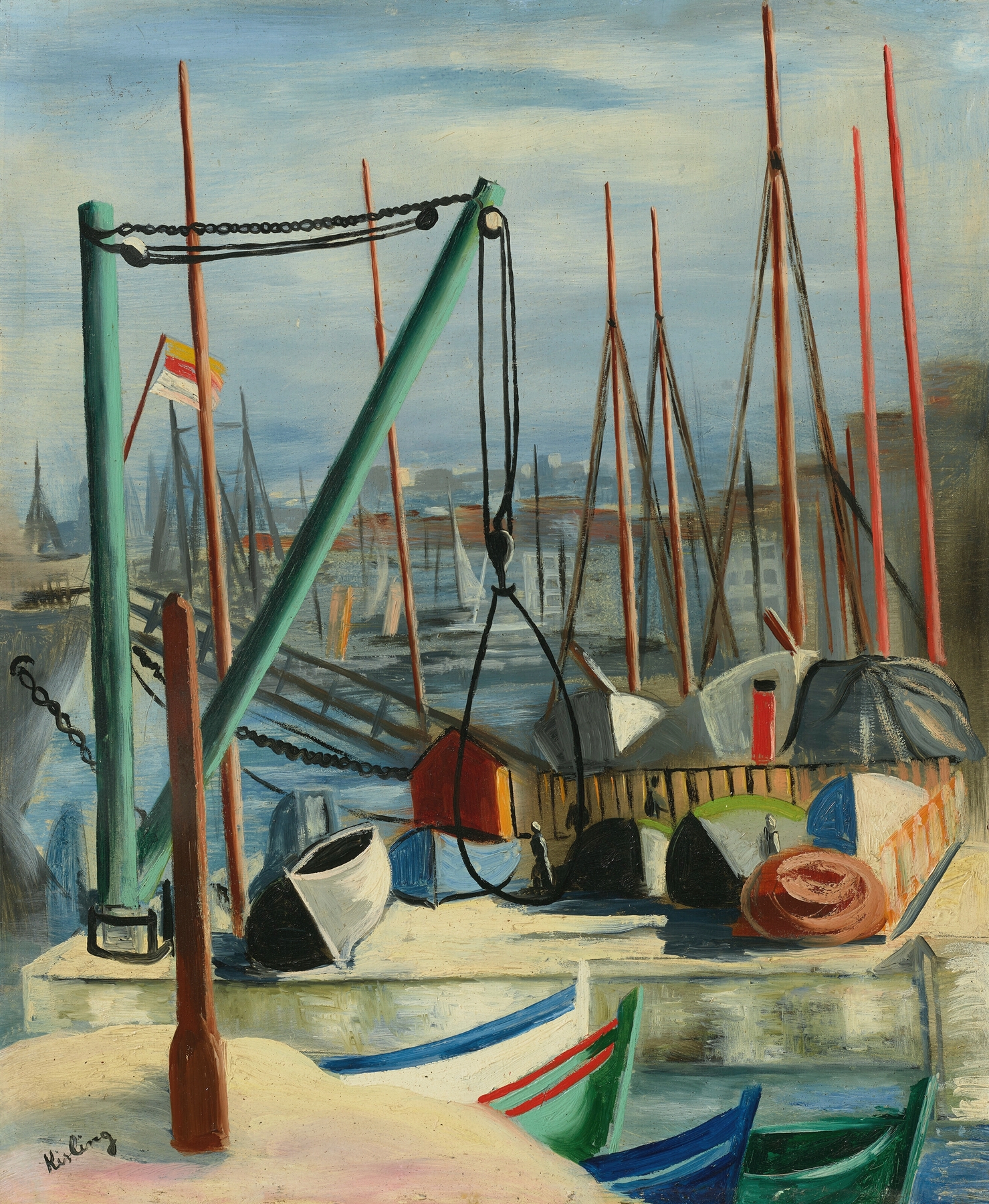
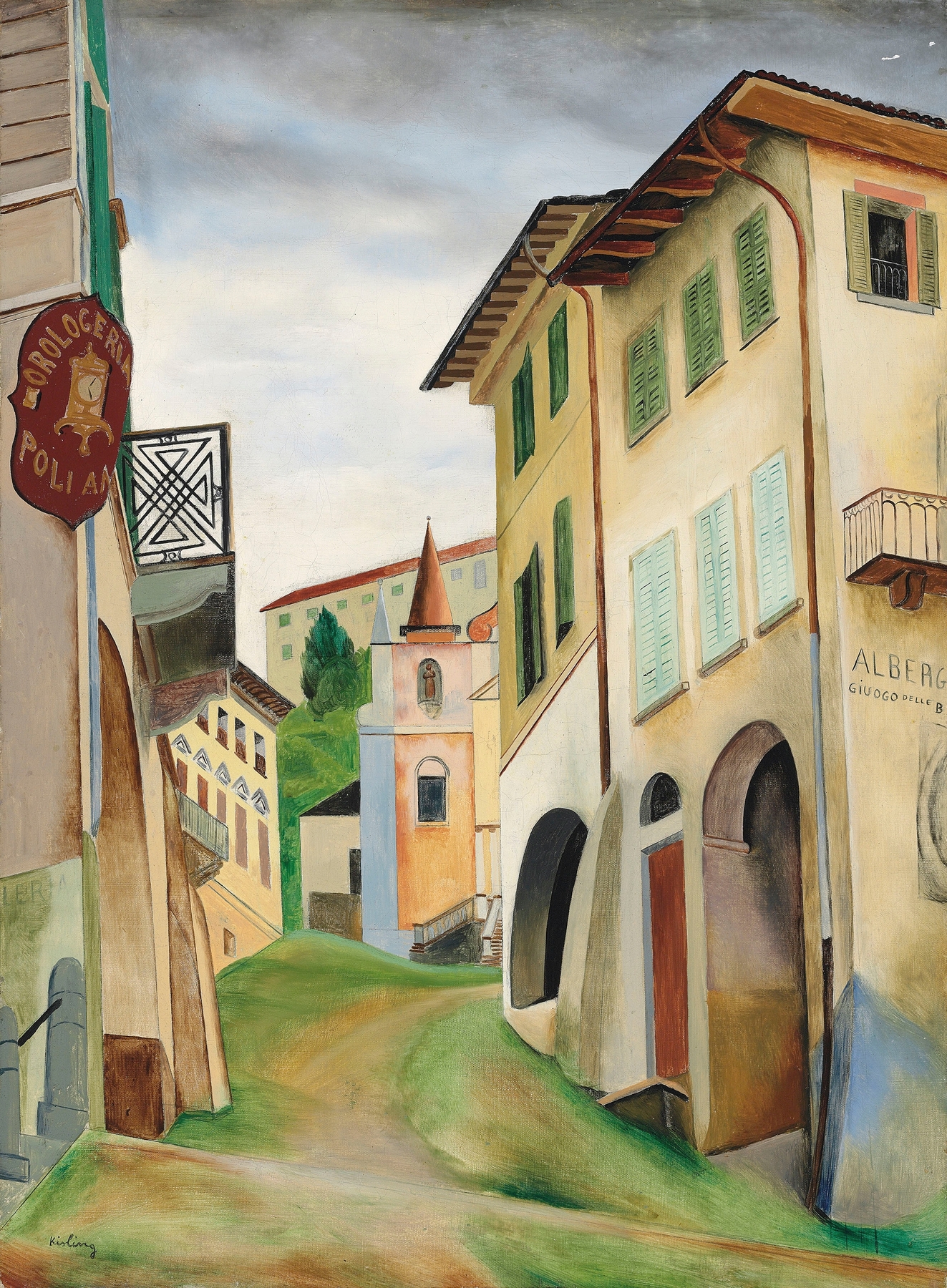
Art reveals the soul when the world turns away. In a canvas imbued with warmth and fragility, the essence of a sun-drenched landscape beckons us to pause and reflect on the beauty that surrounds us yet often goes unnoticed. Begin your exploration at the center of the canvas, where golden hues of a sunlit field converge with the soft blues of the sky. Notice how the light spills over the rolling hills, illuminating patches of lavender and olive trees, each stroke alive with the pulse of nature.
The painter's deft brushwork creates a rhythmic harmony, drawing your gaze deeper into the idyllic scene, inviting you to breathe in the fragrant air of Provence. As you surrender to the tranquility, subtle contrasts emerge. The robust vitality of the landscape stands in delicate balance with the hints of decay — a reminder of nature's ephemeral beauty. The fragile play of light and shadow echoes the fleeting moments of joy and sorrow in life.
Here, time seems to stretch, evoking a sense of nostalgia and reflection, asking us to cherish the transitory while embracing the allure of the present. In 1937, while living in Paris, Moïse Kisling captured Provence during a period of artistic exploration and personal evolution. The world was on the cusp of tumult, and yet his brush painted a serene escape, as if to preserve a moment of solace within the chaos. The work reflects not only his artistic maturity but also a yearning for a world untouched by the shadows looming on the horizon.